What Does a Stator Motor Electric Do
A stator motor electric generates a rotating magnetic field, enabling electric motors to convert electrical energy into mechanical motion in electronics.
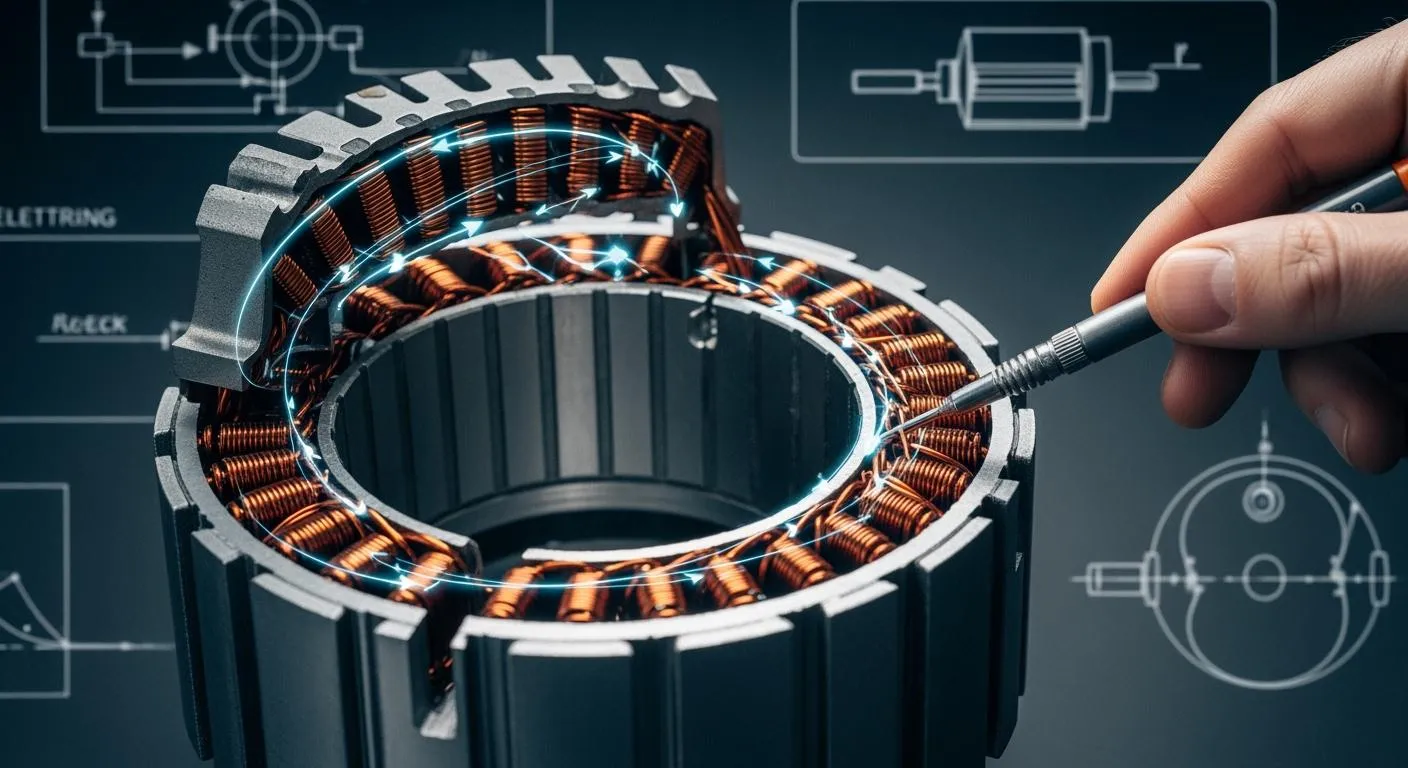
When you look inside an electric motor, you find a stator as the main stationary part. The stator creates a rotating magnetic field, which is essential for making the motor work. This field interacts with the rotor and helps produce the mechanical motion you see in many electric devices. You often find the stator in both household appliances and industrial machines. By understanding how the stator works, you gain a better grasp of the basic principles behind electric motors and their role in electronics. Knowing this helps you appreciate why the stator motor electric is so important in daily life.
Key Takeaways
- The stator is the stationary part of an electric motor, crucial for creating a rotating magnetic field that powers motion.
- Stators convert electrical energy into mechanical energy by interacting with the rotor, enabling devices like fans and electric vehicles to function.
- Modern stator designs use advanced materials to improve efficiency, reduce energy loss, and enhance performance in various applications.
- Understanding stator technology helps you appreciate its role in everyday devices and industrial machinery, leading to better energy use and sustainability.
- Innovations like PCB stators and smart technologies are making motors lighter, more efficient, and environmentally friendly.
Stator Motor Electric Function

Stationary Part of an Electric Motor
When you look at a stator motor electric, you notice that the stator is the stationary part of an electric motor. It does not move, but it plays a critical role in how the motor works. The stator sits on the outside, holding everything in place and providing a strong structure for the moving parts inside. You find that the stator is made from materials like electrical steel, which has high magnetic permeability and low core loss. These materials help the stator create a magnetic field efficiently. The silicon content in the steel can range from 1.5% to 6.5%. Higher silicon levels reduce core losses, but they also make the steel more brittle and expensive. Modern electrical steels can achieve very low core losses, which means the stator can work better and waste less energy.
- The stator is the stationary outer section of an AC motor.
- It generates a rotating magnetic field essential for the motor’s operation by carrying alternating current (AC) through its windings.
- When AC current flows through the stator windings, it creates a rotating magnetic field (RMF).
- This RMF interacts with the rotor, causing it to spin and produce motion.
Rotating Magnetic Field Creation
The main job of the stator in a stator motor electric is to create a magnetic field. The stator has copper wire coils wound around an iron core. When you send electric current through these coils, the stator creates a magnetic field. In AC motors, the direction of the current changes all the time. This change causes the magnetic field to rotate around the stator. The rotating magnetic field is what makes the motor work. The stator acts as the stationary electromagnetic part that generates this rotating magnetic field. This field interacts with the rotor, which can have conductors or permanent magnets. The interaction between the rotating magnetic field and the rotor produces the force needed to turn the rotor and drive mechanical loads.
Tip: The rotating magnetic field is the secret behind how electric motors turn electrical energy into motion. Without this field, the motor would not work.
The windings of the stator, when energized, create a rotating magnetic field pattern. This pattern is crucial for inducing motion in the rotor. The magnetic field must be strong and consistent for the motor to run smoothly. In alternating current motors, the continuous change in current direction results in a rotating magnetic field, not a stationary one. This phenomenon is essential for the operation of AC motors.
Energy Conversion Process
The stator motor electric uses the stator to convert electrical energy into mechanical energy. The stator contains windings made of copper wire. When you pass electric current through these windings, the stator creates a magnetic field. This magnetic field interacts with the rotor, which sits inside the stator. The interaction between the stator’s magnetic field and the rotor causes the rotor to spin. This spinning motion is what produces mechanical torque, which you can use to do work, like turning a fan or driving a conveyor belt.
- The stator is the stationary part of the motor, consisting of a core made of laminated iron sheets or soft magnetic material.
- It contains windings made of copper wire that create a magnetic field when electrical current flows through them.
- This magnetic field interacts with the rotor, inducing motion and generating mechanical torque.
- The stator generates a rotating magnetic field essential for the motor's operation.
- The rotor interacts with this magnetic field to produce mechanical rotation.
- Together, they facilitate the conversion of electrical energy into mechanical energy.
- The stator serves as the backbone of the motor, providing a stable structure for the rotor.
- It generates a rotating magnetic field through strategically placed windings.
- This magnetic field is crucial for converting electrical energy into mechanical energy.
You can see the efficiency of the stator in real-world systems. For example, linear permanent magnet generator systems often show higher power output compared to nonlinear systems. Some systems use a bistable design to enhance magnetic flux density, which improves efficiency in the energy conversion process. These advancements help the stator motor electric deliver better performance in many applications.
Stator Operation in Electric Motors
Stator Structure and Windings
You find that the stator forms the backbone of electric motors. The stator core uses thin laminated iron or steel sheets. These sheets support the magnetic field and help reduce energy losses. The stator core holds the windings, which are insulated copper wires placed inside slots. The winding design plays a big role in electric motor design. When you use high-efficiency windings, you boost the performance of high efficiency electric motors. The insulation system protects the winding from short circuits and damage. The frame of the stator gives mechanical strength and helps with heat dissipation.
Here is a table that shows the main parts of the stator:
| Component | Description |
|---|---|
| Stator Core | Made from laminated sheets of electrical steel, it reduces energy losses and supports the windings. |
| Windings | Insulated copper or aluminum wires that generate the magnetic field; types include distributed and concentrated. |
| Insulation | Advanced materials that prevent electrical short circuits and protect the windings from damage. |
| Cooling System | Systems that dissipate heat, ensuring optimal performance and preventing overheating. |
The winding type, such as distributed or concentrated, affects the uniformity and strength of the magnetic field. More turns in the winding create a stronger magnetic field, which improves the stator’s performance. You see winding technology, like hairpin winding, used in electric vehicles to handle high voltages. However, high switching frequencies can cause faster aging of the stator winding. You can use dissipation-factor testing to check the insulation condition. If the dissipation factor rises, it may signal insulation degradation or moisture, which can lead to motor failure.
Interaction with Rotor
The stator and rotor work together to make electric motors move. When you send current through the stator winding, the stator creates a rotating magnetic field. This field uses electromagnetic induction to interact with the rotor. The stator’s magnetic field induces electrical currents in the rotor. The rotor then creates its own magnetic field. The interaction between the stator’s rotating magnetic field and the rotor’s field produces mechanical torque. This torque causes the rotor to spin, which creates motion in the motor. You see this process in many types of electric motors, especially induction motors. The stator core supports the winding and helps maintain a strong magnetic field for efficient electromagnetic induction.
The stator’s ability to generate a rotating magnetic field is key to electric motor design and performance.
AC and DC Motor Differences
You notice some important differences in how the stator works in AC and DC electric motors. In both types, the stator is the stationary part and contains the stator core made of laminated iron sheets. The stator winding connects to an external power supply. In AC motors, the stator winding uses alternating current to create a rotating magnetic field. The stator core in AC motors uses laminated steel plates to minimize eddy current losses. The winding is usually copper for high conductivity and energy efficiency. In DC motors, the stator winding may use a different arrangement, and the magnetic field does not rotate in the same way. The stator still plays a vital role in electromagnetic induction and electric motor design.
You find that high efficiency electric motors rely on advanced stator core materials and winding designs. These features help reduce energy loss and improve performance. The stator’s structure, winding, and interaction with the rotor all contribute to the success of electric motors in many applications.
Stator Applications in Electronics

Everyday Devices
You see the stator at work in many devices you use every day. When you turn on a fan, the stator helps create the motion that cools your room. Washing machines, refrigerators, and air conditioners all rely on the stator to convert electric energy into movement. In electric vehicles, the stator generates a rotating electromagnetic field that interacts with the rotor, giving the car its power and smooth ride. Even small gadgets like electric toothbrushes and kitchen mixers use this technology. The stator makes these devices efficient and reliable, so you can count on them to work when you need them.
Industrial Uses
Industries depend on the stator for many important tasks. Manufacturing plants use stator motor electric systems to run machines that shape, cut, and move materials. The HVAC industry uses stators in compressors and fans to keep buildings comfortable. Oil and gas companies use pumps powered by stator motors to move liquids safely and efficiently. Chemical processing and water treatment plants also rely on this application for pumps and compressors, making sure operations run smoothly.
Here is a table showing some common industrial applications:
| Application | Description |
|---|---|
| Compressors | Used in HVAC systems and refrigeration, crucial for maintaining desired temperatures. |
| Pumps | Essential for moving fluids efficiently in oil and gas, chemical processing, and water treatment. |
| Fans | Drive airflow in ventilation and cooling systems, ensuring optimal environmental conditions. |
Nova Technology Company (HK) Limited stands out as a HiSilicon-designated solutions partner. You benefit from their expertise in chip-level solutions, system integration, and advanced application scenarios. Their support helps you achieve reliable and efficient electronic designs, especially in demanding environments.
Benefits in Electronics
You gain many benefits from using stator motor electric technology in your devices and systems. Modern materials like amorphous steel and nanocrystalline alloys lower core losses and boost efficiency. Composite materials help reduce weight, which is important for electric vehicles and aerospace applications. Improved stator designs lead to better magnetic properties and thermal management, making your devices last longer and perform better.
| Material Type | Benefits | Applications |
|---|---|---|
| Amorphous Steel | Lower core losses, higher efficiency | High-efficiency transformers, EV motors |
| Nanocrystalline Alloys | Excellent magnetic properties, reduced losses | Aerospace, advanced industrial machinery |
| Composite Materials | High strength-to-weight ratios, weight reduction | Electric vehicles, wind turbines |
Advancements in potting and hermetic sealing methods protect the stator from moisture, chemicals, and temperature extremes. These improvements increase the reliability and lifespan of electric motors. You see fewer failures and lower maintenance costs, which is important for both home and industrial applications.
Note: Reliable stator technology means your electronics work better and last longer, saving you time and money.
Stator Technology and Advancements
PCB Stators
You see a major shift in stator technology with the rise of PCB stators. Unlike traditional stators that use laminated iron cores and copper windings, PCB stators rely on printed circuit board materials and manufacturing techniques. This change allows you to build electric motors that are lighter and more efficient. PCB stators can reduce the weight of motors by up to 70% and use up to 80% less copper. You benefit from cost-effective production because PCB manufacturing facilities are available worldwide. Motors with PCB stators also save space, making them ideal for electric vehicle motors and compact electronics.
- PCB stators use printed circuit board materials instead of iron cores.
- Motors with PCB stators are lighter and smaller.
- You use less copper, which lowers costs and improves sustainability.
- PCB stators enable efficient axial flux electric motors.
Efficiency Improvements
Stator technology continues to evolve, improving electric motor efficiency and performance. Engineers now use advanced silicon steels with ultra-thin gauges and optimized grain structures. These materials balance cost and performance, reducing energy losses. You also see new materials like soft magnetic composites and high-entropy alloys that enhance stator lamination. Modern stator designs include 3D-printed stators and smart stator technologies with embedded sensors for real-time monitoring. These innovations help you achieve higher efficiency and reliability in electric motors.
| Innovation/Trend | Description | Emerging Material/Technology | Potential Benefits |
|---|---|---|---|
| Advanced Laminations | Ultra-thin laminations reduce eddy losses | Silicon steel | Improved efficiency, less heat |
| 3D-Printed Stators | Custom designs, lower manufacturing costs | Thermoplastic composites | Flexible designs, cost savings |
| Smart Stator Technologies | Real-time monitoring, predictive maintenance | Embedded sensor technology | Reliability, less downtime |
| High-Temperature Superconductors | Increased efficiency, less energy loss | YBCO | Energy savings, new applications |
You notice that upgrading to IE4 motors in industries can save millions of dollars each year and reduce energy losses by up to 40%. The 2027 DOE standards will help businesses save billions and prevent millions of metric tons of CO₂ emissions.
Sustainability Trends
Stator technology now focuses on sustainability. You see manufacturers adopting energy-efficient equipment, waste reduction processes, and environmentally friendly materials. New materials for stator laminations help reduce electricity consumption and greenhouse gas emissions. PrintStator’s SaaS-based motor design produces motors that are up to 70% lighter and achieve efficiencies in the mid-90s, using fewer raw materials.
Motors built with green materials and advanced stator technology lower carbon footprints and support global sustainability goals.
| Innovation | Benefit | Description |
|---|---|---|
| Green Materials | Reduced carbon footprint | Bio-based polymers for stators enhance sustainability |
| Thermal Heat Pipe | Superior thermal stability | Efficient operation without extra cooling |
| ECM PCB Stator | Lower electricity use | Improved supply chain efficiency |
You play a key role in choosing electric motors with advanced stator technology. These choices help protect the environment and improve the performance of electric vehicle motors and other devices.
You now see how the stator stands at the heart of electric motors and electronics. It gives the rotor a stable platform and creates the magnetic field that powers motion. Modern advancements, like laminated cores and better insulating materials, make stators more efficient and durable.
| Key Advancement | Impact on Stator Technology |
|---|---|
| Laminated cores | Improved efficiency and reduced energy losses in electric motors |
| Better insulating materials | Enhanced performance and durability of stators |
| Integration in industries | Enabled widespread use in manufacturing, transportation, and household appliances |
You benefit from faster, smarter devices because of automated production and advanced materials. As technology grows, you can appreciate the stator’s vital role in shaping the future of electronics.
FAQ
What does a stator do in electric vehicles?
You find the stator in electric vehicles as the part that creates the magnetic field. This field makes the rotor spin. The stator helps electric vehicles move by turning electrical energy into motion. You rely on this process for smooth and efficient driving.
Why is the stator important for electric vehicles?
You need the stator because it powers the motor in electric vehicles. The stator creates the force that moves the car. Without a working stator, electric vehicles cannot run. You depend on the stator for reliable and quiet operation.
How does the stator affect the efficiency of electric vehicles?
You see better efficiency in electric vehicles when the stator uses advanced materials. Improved stator designs reduce energy loss. This means electric vehicles travel farther on one charge. You save energy and money with a high-quality stator.
Can the stator in electric vehicles wear out?
You may notice the stator in electric vehicles can wear out over time. Heat, moisture, and vibration cause damage. You should check the stator during regular maintenance. Replacing a worn stator keeps electric vehicles running safely.
What new stator technologies help electric vehicles?
You benefit from new stator technologies in electric vehicles. PCB stators, advanced laminations, and smart sensors make electric vehicles lighter and more efficient. These improvements help electric vehicles perform better and last longer.