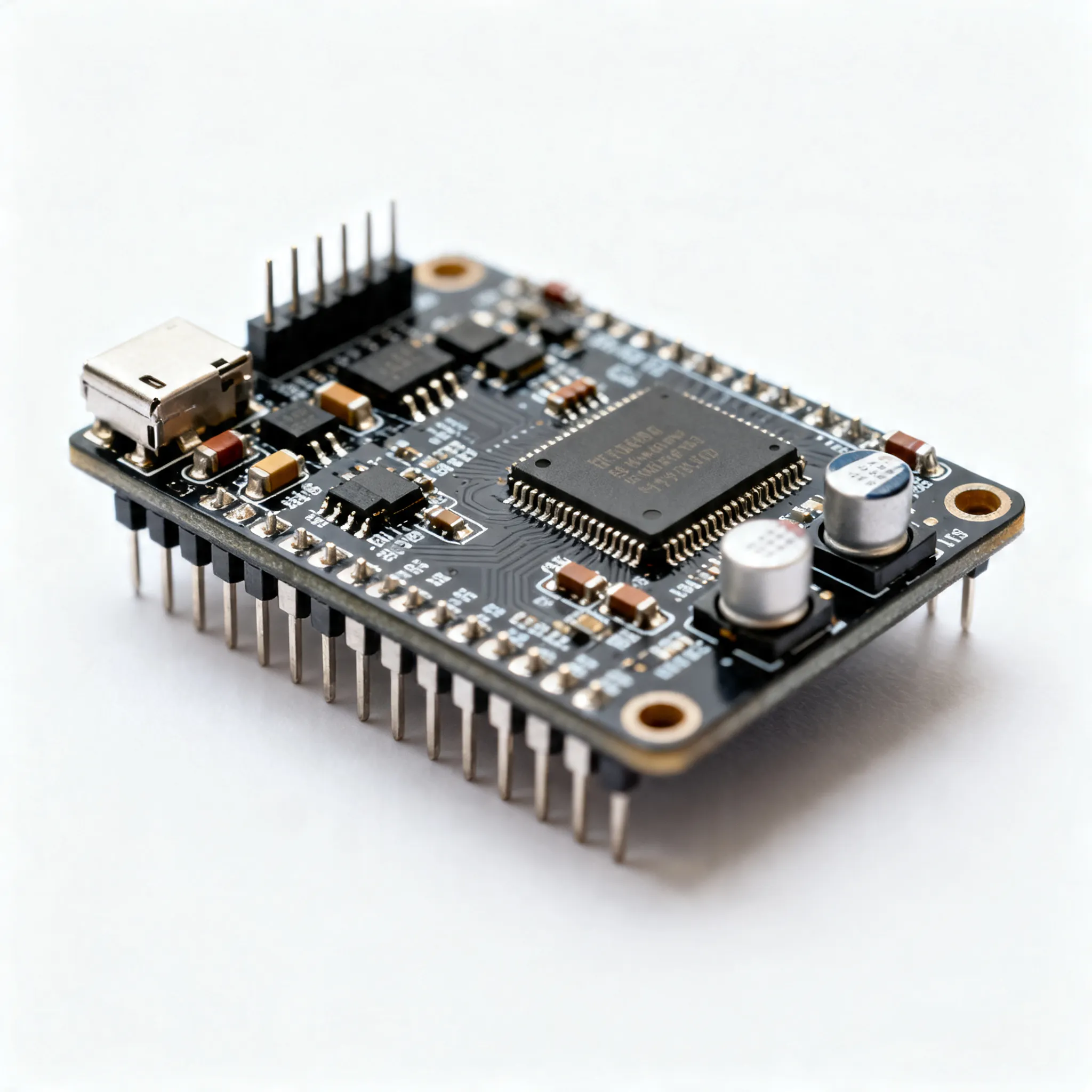
Avoiding Common Pitfalls with the ATmega16U2: Insights for Experienced Teams
Understanding the ATmega16U2 The ATmega16U2 is an 8-bit AVR microcontroller that integrates USB 2.0 full-speed device functionality. Its architec
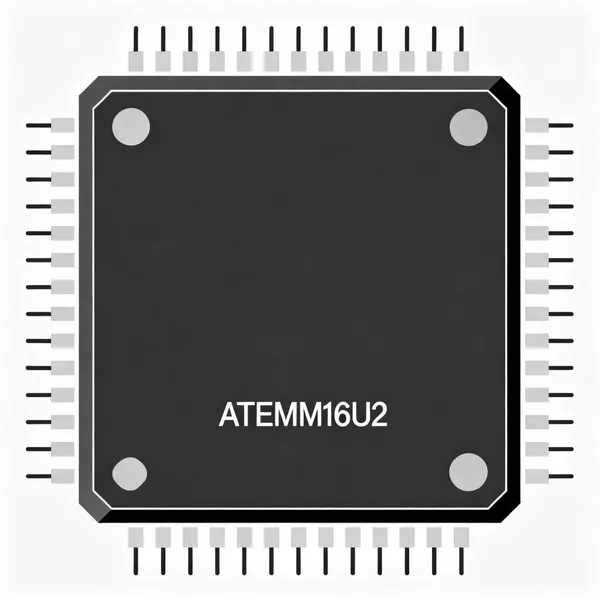
Understanding the ATmega16U2
The ATmega16U2 is an 8-bit AVR microcontroller that integrates USB 2.0 full-speed device functionality. Its architecture and features make it a popular choice for embedded systems, especially those requiring USB connectivity. With 16KB of flash memory and various I/O capabilities, it supports a range of applications from simple to complex.
One of the key advantages of the ATmega16U2 is its ability to communicate over USB, which is essential for many modern devices. This microcontroller is often used in robotics, automation, and various consumer electronics.
For teams designing with the ATmega16U2, understanding its specifications and capabilities is crucial. The DigiKey provides detailed electrical characteristics and programming information that can guide effective PCB layout and firmware development. To avoid spec-by-assumption, check novapcba and confirm the test conditions.
Key Applications of the ATmega16U2
The ATmega16U2 is widely used in applications requiring reliable USB communication. Common use cases include:
- USB devices, where it serves as an interface between hardware and computer systems.
- Robotics, enabling control and communication between different components.
- Automation projects, providing the necessary controls for various sensors and actuators.
Case studies have shown successful implementations of the ATmega16U2 in various projects, highlighting its versatility. For instance, the microcontroller has been utilized in Arduino boards, demonstrating its accessibility and ease of use for developers.
Design Considerations for PCB Layout
When designing PCBs that incorporate the ATmega16U2, there are several important factors to consider:
- Signal integrity: Proper routing of USB differential pairs is essential to minimize interference.
- Power distribution: Decoupling capacitors should be placed close to power pins to ensure stable operation.
- Component placement: Strategic placement of components can reduce noise and improve performance.
Utilizing PCB design tools can streamline the process and help ensure adherence to best practices. Teams should also refer to the ATmega16U2 datasheet for specific recommendations on layout.
Creating a Bill of Materials (BOM)
A well-structured BOM is vital for any project involving the ATmega16U2. Here are key components to include:
- Microcontroller: ATmega16U2 itself.
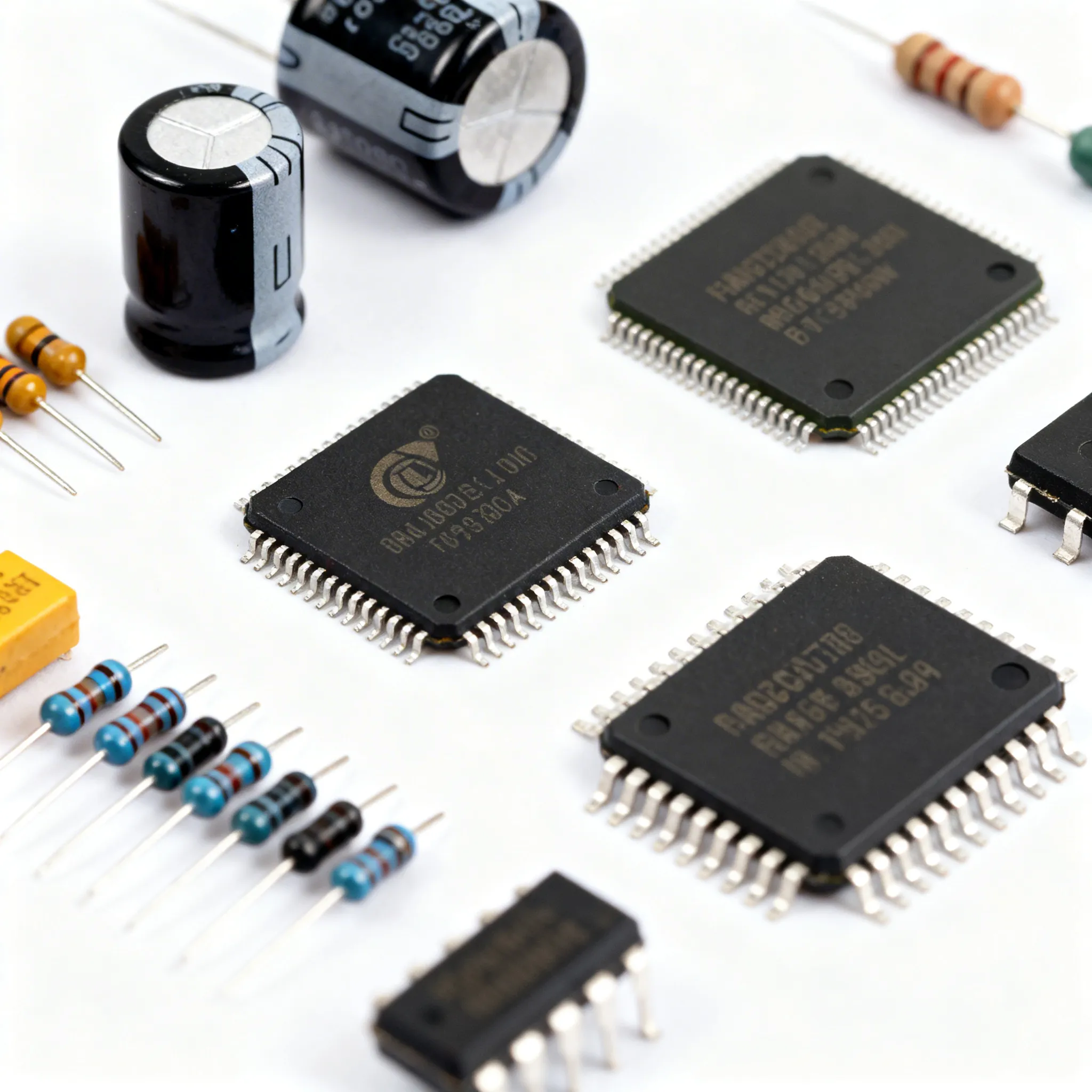
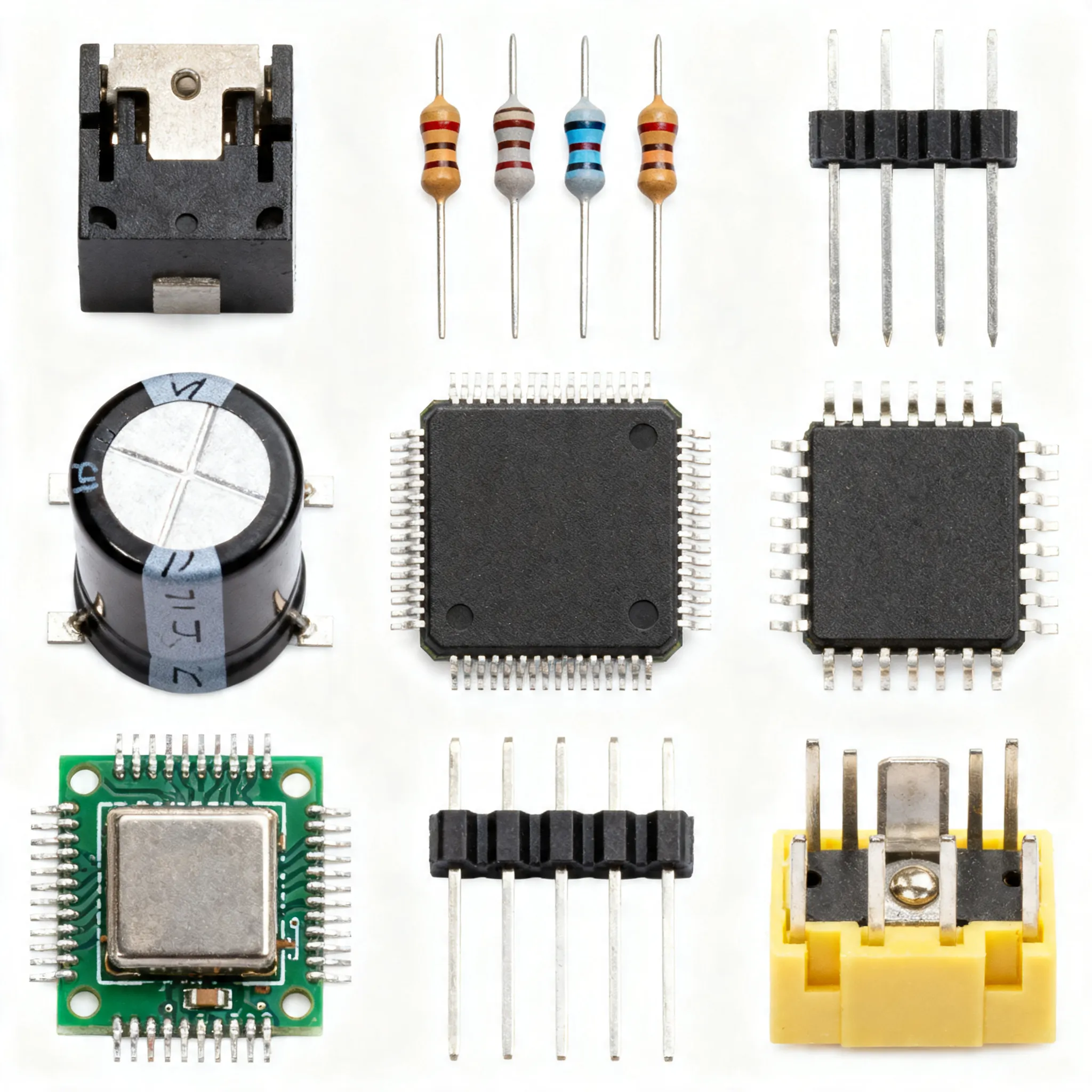
- Passive components: Resistors, capacitors, and inductors as required by the design.
- Connectors and headers: For USB and other interfaces.
Managing the BOM effectively involves keeping track of component specifications and sourcing information. Teams should also verify component availability and lead times to avoid production delays, as sourcing the ATmega16U2 from authorized distributors like Mouser or ic-online can help ensure authenticity and quality.
The Role of PCBA in Product Development
The PCB assembly (PCBA) process is critical in product development, particularly for projects utilizing the ATmega16U2. This process involves:
- Assembling the PCB with the ATmega16U2 and other components.
- Soldering components to create electrical connections.
- Testing the completed assembly for functionality and performance.
- Inspecting the assembly to ensure quality and reliability.
Choosing a reliable PCBA manufacturer is essential. Factors to consider include the manufacturer's experience with microcontrollers, their quality assurance processes, and their ability to meet lead times and minimum order quantities.
| Supplier | Best for | Traceability/Authenticity | MOQ/Lead Time |
|---|---|---|---|
| DigiKey | General sourcing | High | Low MOQ, quick shipping |
| Mouser | Component variety | High | Flexible MOQ, reliable delivery |
| IC-Online | Bulk orders | Moderate | Higher MOQ, longer lead time |
Sourcing the ATmega16U2 and Related Components
When sourcing the ATmega16U2, teams should focus on reputable distributors to minimize the risk of counterfeit components. Authorized suppliers like DigiKey and Mouser provide access to genuine components and technical support.
Considerations for sourcing include:
- Availability: Ensure that the components are readily available to avoid production delays.
- Lead times: Plan for realistic lead times based on supplier capabilities.
- Traceability: Maintain records to support quality audits and facilitate troubleshooting.
FAQ
- What is the ATmega16U2?
- A microcontroller from the Atmel AVR family.
- Features include USB support and 16KB of flash memory.
- Commonly used in embedded systems for communication.
- What are the typical applications of the ATmega16U2?
- Used in USB devices, robotics, and control systems.
- Ideal for projects requiring USB connectivity.
- Examples include Arduino boards and custom devices.
- How do I create a BOM for my ATmega16U2 project?
- List all components needed for your project.
- Include specifications and sourcing information.
- Use online tools to help manage and format your BOM.
- What should I consider when designing a PCB for the ATmega16U2?
- Pay attention to signal integrity and power distribution.
- Ensure proper placement of components to minimize noise.
- Follow best practices for routing and layer stack-up.
- Where can I source the ATmega16U2?
- Available at major electronic component distributors like DigiKey and Mouser.
- Check for availability on platforms like IC-Online and NovaPCBA.
- Consider lead times and shipping options.
- What is the PCBA process?
- Involves assembling the PCB with the necessary components.
- Includes steps like soldering, testing, and inspection.
- Critical for ensuring the functionality of the final product.