From Sensor to System How a Bad Cam Sensor Disrupts Electronics
A bad camshaft position sensor creates electronic chaos in your vehicle. It feeds your car's main computer, the En
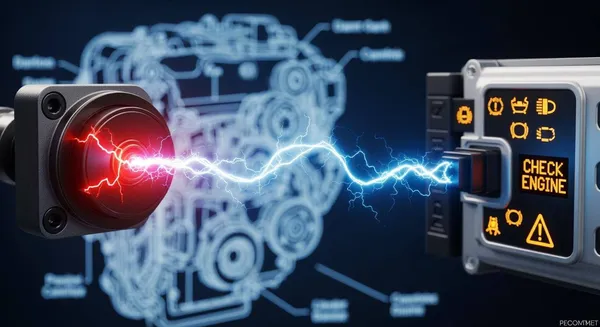
A bad camshaft position sensor creates electronic chaos in your vehicle. It feeds your car's main computer, the Engine Control Unit (ECU), corrupted or missing data. This bad data is the root cause of many bad cam sensor symptoms. The ECU receives incorrect cam position data. This directly leads to mistimed spark plugs and improperly timed fuel injectors. You experience misfires and poor fuel economy. The failure of a failing camshaft position sensor is a critical data communication breakdown. It triggers a cascade of electronic problems, often activating your check engine light.
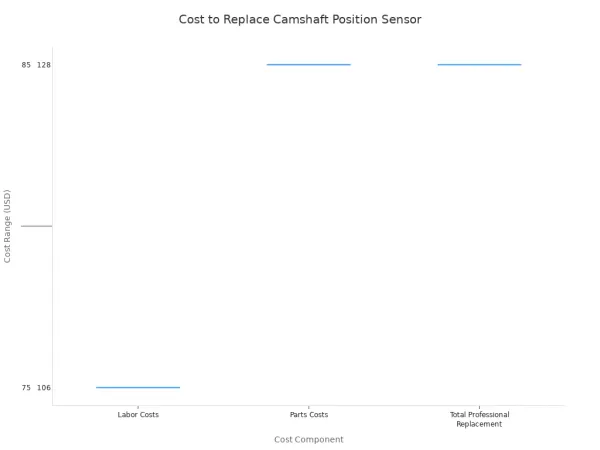
Repair Tip: Diagnosing and replacing a bad camshaft position sensor professionally typically costs between $100 and $300. The final price depends on your vehicle's make and model.
Key Takeaways
- A bad cam sensor sends wrong data to your car's computer. This causes engine problems.
- Your car will show signs like trouble starting or rough idling. These are bad cam sensor symptoms.
- A faulty sensor can make your car lose power. It can also cause poor fuel use.
- The check engine light will often turn on. This tells you the sensor has a problem.
- Fix a bad cam sensor quickly. This keeps your car safe and running well.
The Camshaft Position Sensor Signal vs. ECU Expectation
Your car's Engine Control Unit (ECU) is a computer that demands precise information. It constantly compares the incoming signal from the camshaft position sensor to an expected pattern. This digital conversation determines how well your engine runs. When the signal is clear, your engine performs optimally. When it's corrupted, electronic chaos begins.
What a Healthy Sensor Signal Looks Like
A healthy camshaft position sensor delivers a clean, predictable electrical signal. The exact nature of this signal depends on the type of sensor your vehicle uses. The ECU is programmed to understand these specific signal languages.
- Hall-Effect Sensors: These produce a digital square wave signal, switching between 0 volts (off) and 5 volts (on). This clear on-off pattern gives the ECU exact timing information.
- Inductive Sensors: These generate an analog AC signal. The voltage typically fluctuates between 0.5V and 1.5V as the engine cranks, with the frequency changing based on engine speed.
The reliable communication between a camshaft position sensor and the ECU hinges on the sophisticated microchips inside. This is where specialized firms provide critical expertise. For instance, Nova Technology Company (HK) Limited, a HiSilicon-designated solutions partner, delivers the chip-level solutions and system integration knowledge essential for the reliable function of complex automotive electronics. Their work ensures that components communicate flawlessly from the sensor to the system.
How a Faulty Signal Becomes Corrupted
A signal becomes corrupted when the sensor starts to fail. Internal damage from heat, vibration, or simple wear and tear can degrade its ability to send a clean signal. Instead of a crisp square wave or a consistent AC pattern, the ECU might receive:
A weak, intermittent, or completely absent signal. This leaves the ECU guessing about the camshaft's position, leading to poor engine performance and triggering fault codes.
This faulty data is the direct electronic cause of the physical problems you experience while driving.
Common Bad Cam Sensor Symptoms
When the digital conversation between your camshaft position sensor and ECU breaks down, your car tells you about it through poor performance. These physical issues are the direct result of the ECU making bad decisions based on corrupted data. Recognizing these common bad cam sensor symptoms is the first step to diagnosing the problem.
Starting Issues and Engine Stalling
One of the most alarming symptoms is trouble starting your engine. Your ECU relies on the initial signal from the camshaft position sensor to confirm the engine's position and begin the sequence of fuel injection and spark. Without a clear signal, the ECU may not inject fuel or fire the spark plugs at all, leaving you with an engine that cranks but won't start.
Similarly, the engine may start but then suddenly shut off. This unexpected engine stalling happens when the ECU loses the sensor's signal while you are driving. The data stream cuts out, and the computer can no longer manage engine timing, causing it to shut down as a protective measure.
Electronic Cause: A no-start or stall occurs because the ECU lacks the fundamental timing data required to run the engine. It's like trying to read a book with the first page of every chapter missing—the system simply cannot proceed.
Poor Acceleration and Power Loss
You might notice your car feels sluggish when you press the gas pedal. This hesitation or lack of power is a classic sign of a failing camshaft position sensor. Your engine's computer needs accurate camshaft data to precisely time valve opening, fuel injection, and spark control. When you accelerate, the ECU needs to advance this timing to produce more power.
A faulty signal from the camshaft position sensor prevents this. The ECU receives incorrect data, leading to poor acceleration or misfires under load. This results in significant poor drivability. This inefficient process also has environmental consequences.
- A failing camshaft position sensor disrupts the precise air/fuel mixture, causing incomplete combustion.
- Incomplete combustion directly increases harmful tailpipe emissions.
- This can cause your vehicle to fail an emissions test and may trigger an emission warning light.
Rough Idling and Engine Misfires
A healthy engine should idle smoothly. If you feel your car shaking or vibrating at a stoplight, a bad camshaft position sensor could be the culprit. The ECU struggles to maintain precise timing with a missing or erratic signal. This causes the engine's RPMs to oscillate, which you feel as a rough idle.
This timing problem also leads to engine misfiring. A misfire happens when combustion in one or more cylinders is incomplete. The ECU, working with bad data, cannot fire the spark plug at the optimal moment. The result is a noticeable stutter or jerk as the engine stumbles. To prevent internal damage from severe timing errors, the ECU may even enter a "limp mode," drastically limiting engine power and speed. These are some of the most common bad cam sensor symptoms you will experience.
How a Failing Camshaft Position Sensor Causes Electronic Faults

The symptoms you feel while driving are just the surface-level effects of a failing camshaft position sensor. Underneath, a specific chain reaction of electronic faults is taking place. Your car's ECU makes critical decisions every millisecond based on sensor data. When the camshaft position sensor provides bad data, the ECU's commands for ignition, fuel, and even transmission control become corrupted.
Ignition Timing Breakdown
Your engine's power comes from precisely timed explosions in the cylinders. The ECU needs a clean signal from the camshaft position sensor to know the exact moment to fire the spark plugs. A faulty signal prevents the ECU from firing the spark plugs at the optimal time. This breakdown in communication leads directly to:
- Incorrect ignition of the coil packs.
- Incomplete combustion of the air-fuel mixture.
This mistiming means you are not getting the full power from your fuel. You experience this as hesitation and misfires because the combustion process is inefficient and weak.
Fuel Injection Inefficiency
The ECU uses data from both the camshaft position sensor and the crankshaft position sensor to manage fuel delivery. These two sensors work together to tell the ECU when a piston is ready for the intake stroke. This allows the computer to calculate the perfect moment to inject fuel.
A failing camshaft position sensor disrupts this partnership. The ECU receives illogical data and cannot accurately time the fuel injectors. It may inject fuel too early or too late, creating a poor air-fuel mixture. This leads to a rich (too much fuel) or lean (not enough fuel) condition, which wastes gas and reduces engine power.
Transmission Control Confusion
A bad camshaft position sensor can even cause transmission problems. Your car's Engine Control Module (ECM) and Transmission Control Module (TCM) share data. The ECM needs to know the engine's speed and load to tell the TCM when to shift gears smoothly.
When the sensor fails, the ECM receives incorrect engine data. This confusion can prevent the ECM from properly operating the transmission's shift solenoids. As a protective measure, your vehicle might enter a "limp-home-mode." This mode severely restricts engine power and locks the transmission in a single gear to prevent further damage.
System-Wide Alerts from a Bad Camshaft Position Sensor
Your vehicle has a sophisticated self-diagnostic system. This system constantly monitors electronic components. When it detects a problem with the camshaft position sensor, it won't stay silent. It generates system-wide alerts to inform you that a critical data stream has been compromised. These alerts are your car's way of telling you it needs attention before minor issues become major problems.
The Check Engine Light and Fault Codes
The most common alert you will see is the illuminated check engine light on your dashboard. This light activates when the Engine Control Unit (ECU) detects an illogical or missing signal from the camshaft position sensor. The ECU's job is to monitor the sensor's entire circuit. When it loses the ability to track the camshaft's position, it logs a specific diagnostic trouble code (DTC) in its memory.
For a bad camshaft position sensor, you will often find codes related to circuit malfunctions.
- P0340: This is a very common code. It means the ECU has detected a malfunction in the Camshaft Position Sensor "A" Circuit.
- P0341: This code points to a range or performance problem, suggesting the signal is erratic but not completely gone.
- P0349: This code indicates an intermittent fault in the sensor circuit, which explains symptoms that come and go.
An OBD-II scanner can read these codes. This gives you or your mechanic a precise starting point for diagnosis, confirming the issue lies within the camshaft sensor system. The check engine light is your first and most important clue.
The Critical No-Start Condition
In some cases, a failing camshaft position sensor can prevent your engine from starting at all. You might turn the key and hear the engine crank, but it will never turn over. This critical no-start condition happens on vehicles where the ECU depends on the initial camshaft signal to control fuel delivery and spark.
When the sensor's signal becomes too weak or is completely absent, the ECU cannot confirm the engine's timing. As a safety measure, the computer will cut off the signal to both the fuel injectors and the ignition coils. Without fuel or spark, combustion is impossible. The ECU essentially halts the startup sequence because it lacks the fundamental data needed to run the engine safely and efficiently, leaving you stranded.
A failing camshaft position sensor triggers a chain reaction of electronic failures. Its corrupted signal leads to mistimed ignition, inefficient fuel injection, and confused transmission commands. Your car's computer may even halt operations to prevent damage from these errors.
Ultimately, the bad cam sensor symptoms you feel, such as poor drivability, are the physical result of your ECU trying to manage the engine with bad data. This highlights the critical role the camshaft position sensor plays in your vehicle's entire electronic ecosystem.
FAQ
Can I drive with a bad cam sensor?
You should avoid driving with a bad cam sensor. The faulty signal can cause sudden engine stalling, poor acceleration, and reduced power. This creates an unsafe driving condition. It is best to get the sensor replaced as soon as you notice symptoms.
Is a camshaft sensor the same as a crankshaft sensor?
No, they are different sensors with distinct jobs. The camshaft sensor tracks the position of the camshaft to time fuel injection. The crankshaft sensor monitors the crankshaft's speed and position. Your ECU uses data from both sensors to manage the engine.
Will a bad cam sensor always cause a check engine light?
A failing cam sensor usually triggers the check engine light. However, an intermittent fault might cause symptoms like rough idling before the ECU logs a permanent code. You may experience performance issues even if the light is not yet on.
How do you test a camshaft position sensor?
A mechanic tests the sensor by checking its voltage output with a multimeter or oscilloscope. They compare the signal to the manufacturer's specifications. They also use an OBD-II scanner to read any stored fault codes like P0340, which points to a circuit malfunction.