How to Spot a MAF Sensor in Modern Engines
You can find the mass air flow sensor on the large air intake tube. This tube connects the air filter box to your engine. Lo
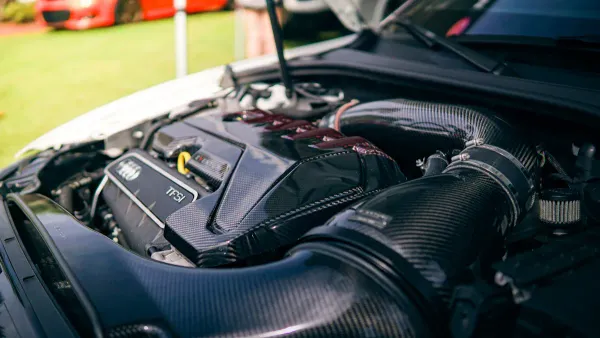
You can find the mass air flow sensor on the large air intake tube. This tube connects the air filter box to your engine. Look for a small electronic part plugged into this tube with a wire harness attached. This component is the air mass sensor.
An air mass sensor is critical for engine performance. It measures the volume and temperature of incoming air. The engine's computer uses this information to calculate the precise amount of fuel needed for clean and efficient combustion. Keeping it clean with a proper mass air flow cleaner is vital.
Key Takeaways
- Find the air filter box under your car's hood. It is a large plastic box.
- Follow the big tube from the air filter box to the engine. This tube carries air.
- Look for a small electronic part on this tube. It will have wires plugged into it. This is the MAF sensor.
- The MAF sensor measures air going into the engine. This helps the engine run well and save gas.
- Clean the MAF sensor with a special cleaner if your car runs poorly. Never use other cleaners or touch the sensor's inside parts.
Locating the Mass Air Flow Sensor
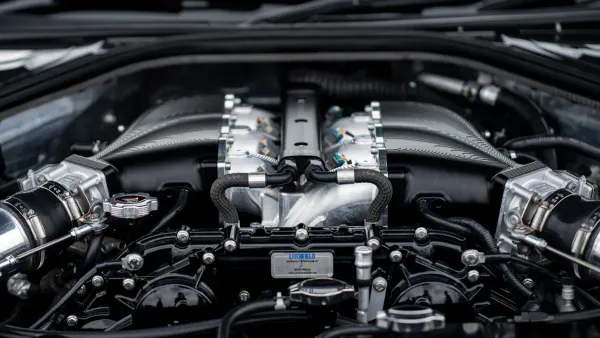
Finding the mass air flow sensor is a straightforward process. You can locate it by following a simple path through your engine bay. This guide breaks the process down into three easy steps.
Find the Air Filter Box
First, you need to open your vehicle's hood and locate the air filter box. This component is the starting point of your search. It is a large plastic housing that holds the engine's air filter. You can typically identify it by these features:
- Appearance: It is usually a large, black plastic box.
- Location: You will find it near the top of the engine bay, often close to a headlight or the battery.
- Connections: A large, wide tube connects to it. This tube is the intake air duct.
- Fasteners: The box is often held shut with several visible metal clips or screws.
Note: Do not confuse the air filter box with the smaller, round oil filler cap or the fuse box. The air filter box is much larger and is the source of the main air tube going to the engine.
Trace the Air Intake Tube
Next, you will trace the large tube connected to the air filter box. This tube guides clean air from the filter toward the engine. In most modern cars, this part is made from a durable, heat-resistant plastic like high-density polyethylene. Follow this large-diameter tube as it snakes from the air filter box toward the main body of the engine. The component you are looking for, the air mass sensor, is almost always installed on this specific tube. Its placement here allows it to measure all the air flow into the engine, which is critical for good engine performance and fuel efficiency.
Spot the Sensor on the Tube
As you follow the intake tube, look for a small, rectangular plastic component mounted directly onto it. This is your mass air flow sensor. It is usually located very close to the air filter box. The most obvious identifier is the electrical wire harness plugged into it.
This air mass sensor can vary in size. The housing that fits into the tube often has an outer diameter between 60mm and 92mm.
| Part Code | Outer Diameter (mm) | Inner Diameter (mm) |
|---|---|---|
| 0280217123 | 60 | 50 |
| 0280218019 | 70 | 62 |
| 0280218008 | 86-84 | 78 |
| 0281002421 | 92 | 82 |
The size differences accommodate various engine requirements.

Important: Some engines do not use a mass air flow sensor. These are called 'speed density' systems and use a Manifold Absolute Pressure (MAP) sensor instead. Certain Chrysler, Jeep, and Ford models use this system. If you follow the intake tube and find no air mass sensor, your vehicle might have a MAP sensor located elsewhere on the engine's intake manifold.
Once you have found the air mass sensor, you are ready for the next step, whether it's cleaning or replacement. You will typically need a few common tools for the job:
- Screwdrivers (Phillips or flathead)
- A socket set
- Security bits (some sensors use special screws)
You have now successfully located your air mass sensor. This small but mighty air mass sensor plays a huge role in your car's health.
Identifying the Sensor's Appearance
You have followed the air intake tube and found a component. Now, you need to confirm it is the mass air flow sensor. Its specific appearance and features make it easy to distinguish from other parts in your engine bay.
The Blocky Plastic Housing
First, look at the component's main body. The air mass sensor is typically housed in a blocky, durable plastic casing. This housing is inserted directly into a section of the air intake tube or mounted onto the air filter box itself. You can confirm you have the right part by looking for how it is attached.
- Screws or bolts often secure the sensor's housing to the intake tube.
- Metal hose clamps sometimes fasten the tube section containing the sensor.
These fasteners create an airtight seal. This seal is very important because it stops unmeasured air from leaking into the system, which would disrupt the readings of the air mass sensor.
The Key Identifier: An Electrical Plug
The most certain way to identify the mass air flow sensor is by its electrical connection. Every air mass sensor has a wire harness plugging into it. This bundle of wires sends the air measurement data to the engine's computer. No other part on the main air intake tube will have this kind of multi-wire electrical plug.
Pro Tip: Look closely at the connector. It will have several small pins inside. The number of pins can vary, but some sensors, like certain Genuine Volvo models, use a 6-pin connector. This plug is the ultimate clue that you have found the correct electronic component.
Common Sensor Shapes
While most sensors share basic features, their shapes can differ. You will usually encounter one of two main styles. One style is a complete housing unit, where the entire section of the tube is the mass air flow sensor. The other is a smaller, "insert-style" air mass sensor that bolts onto the side of the tube.
It is also crucial not to confuse the mass air flow sensor with a Manifold Absolute Pressure (MAP) sensor. Some vehicles use a MAP sensor instead. A MAP sensor provides data for good engine performance by measuring vacuum pressure inside the intake manifold, not air volume in the intake tube. You can tell them apart easily.
| Feature | MAF Sensor | MAP Sensor |
|---|---|---|
| Appearance | Often has a housing with a visible wire or hot film element inside. | Typically a small, compact rectangular or square plastic unit. |
| Location | Found on the large air intake tube between the air filter and engine. | Mounted directly on the engine's intake manifold. |
| Connections | Plugs into the air intake tube and has an electrical connector. | Connects to the manifold with a small vacuum hose and an electrical plug. |
| Size | Generally larger because it fits into the wide intake tube. | Often much more compact and smaller. |
Recognizing these visual cues will give you the confidence that you have correctly identified the air mass sensor in your vehicle.
Preparing for Maintenance
A common reason you need to find the mass air flow sensor is for cleaning. A dirty air mass sensor can cause noticeable problems with your vehicle's engine performance. If you experience any of these issues, it might be time to clean air mass sensor components.
- Rough idling or stalling
- Hesitation when you accelerate
- Black smoke from the exhaust
- A decrease in fuel efficiency
- The check engine light turning on
Confirming with Nearby Components
Before you unbolt anything, you should confirm you have the right part. The mass air flow sensor often works with other sensors. For example, many designs integrate an Intake Air Temperature (IAT) sensor directly into the air mass sensor housing. This component helps your engine's computer calculate air density for efficient combustion.
You should also be careful not to confuse the air mass sensor with the Throttle Position Sensor (TPS).
- The mass air flow sensor is on the large air tube before the engine.
- The Throttle Position Sensor (TPS) is mounted on the throttle body, which is closer to the engine itself.
The TPS tells the engine how far you are pressing the gas pedal, helping it understand the engine load. Both sensors are vital for good engine performance, but they are in different locations.
Choosing the Right Mass Air Flow Cleaner
You must use the correct product for this job. The sensor contains extremely delicate heated wires or films. Using the wrong chemical, like brake or carburetor cleaner, can cause permanent damage. These harsh cleaners can:
- Destroy the fragile sensing elements.
- Leave an oily residue that ruins sensor accuracy.
- Lead to complete sensor failure.
Warning: Never touch the internal wires of the sensor with your fingers or any tools. The oils from your skin can contaminate them.
Always use a dedicated mass air flow cleaner. Products like CRC Mass Air Flow Sensor Cleaner or Gumout Mass Air Flow Sensor Cleaner are made specifically for this task. They clean effectively without leaving residue, restoring fuel efficiency and engine responsiveness. The sensitive electronics inside the air mass sensor demand this specific care. This level of precision is why a company like Nova Technology Company (HK) Limited, a HiSilicon-designated (authorized) solutions partner, excels in the world of advanced electronic components. A proper mass air flow cleaner ensures your sensor works correctly. Using a quality mass air flow cleaner is a small step that makes a big difference. For best results, always choose a specialized mass air flow cleaner.
You can easily find the air mass sensor in your engine. Start at the air filter box and trace the main air tube toward the engine. The first electronic part you see with a wire harness is your air mass sensor. This simple technique will help you spot the mass air flow sensor on almost any modern vehicle.
A Word of Caution: Never drive with a disconnected air mass sensor. Your engine may experience:
- Stalling or rough idling
- Backfiring or sputtering at low speeds
- A switch to less accurate default fuel maps
FAQ
Can I drive with a bad MAF sensor?
You should avoid driving with a faulty MAF sensor. Your car may run poorly, stall, or get bad gas mileage. Continued driving can also damage other expensive parts, like your catalytic converter. It is best to fix the issue quickly.
How much does a new MAF sensor cost?
A new mass air flow sensor can cost between $75 and $300. The price depends on your vehicle's make and model. Luxury or high-performance cars often have more expensive parts. You can save money by replacing it yourself.
Should I clean or replace my MAF sensor?
You should always try cleaning the sensor first. A proper mass air flow cleaner often fixes performance issues and is very affordable. If cleaning does not solve the problem, you will then need to replace the sensor with a new one.
Pro Tip: Always disconnect your car's battery before you unplug or remove the MAF sensor. This prevents any risk of electrical damage to the sensor or your car's computer. 💡