How VSC Car Systems Are Integrated into Modern Electronic Hardware
You rely on your vsc car to keep you safe on the road. Modern vehicle stability control uses advanced sensors and
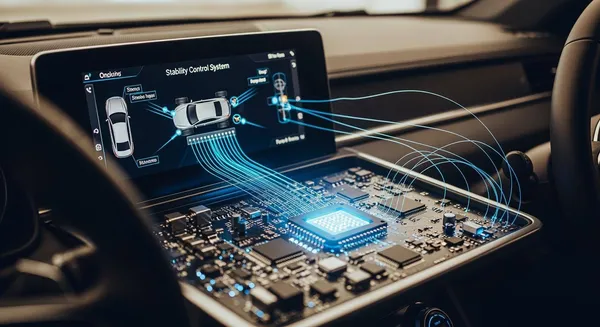
You rely on your vsc car to keep you safe on the road. Modern vehicle stability control uses advanced sensors and microcontrollers to monitor your driving in real time. Vsc gathers data like wheel speed and steering angle, then sends this information to control units. Vsc uses predictive algorithms to adjust your car’s behavior instantly. This safety feature has evolved quickly, with vsc now adapting to electrified powertrains and working closely with other systems. Vsc helps you stay in control, especially when road conditions change.
Key Takeaways
- Vehicle Stability Control (VSC) enhances safety by using sensors to monitor driving conditions and make real-time adjustments.
- VSC significantly reduces the risk of skidding and accidents, with studies showing crash reductions of up to 75% in certain conditions.
- Understanding the VSC indicator light on your dashboard is crucial; it alerts you to system activity or potential issues that need attention.
- Regular maintenance and quick troubleshooting of the VSC system can prevent serious safety problems and ensure optimal performance.
- Most modern vehicles come equipped with VSC, making it a standard feature that enhances driver confidence and safety on the road.
What Is Vehicle Stability Control
VSC Car System Overview
You may wonder how your car stays steady during sharp turns or sudden maneuvers. Vehicle stability control uses a network of sensors to track your steering input and the actual movement of your car. When the system detects a difference between where you want to go and where the car is heading, it steps in. It can apply brakes to individual wheels or adjust engine power. This safety feature helps you keep control, especially in emergencies. Toyota first introduced vsc car technology in 1995, and since then, many manufacturers have adopted similar systems to improve vehicle safety.
Role in Preventing Skidding
You face many road conditions, from rain to snow. Vehicle stability control reduces the risk of skidding by making real-time adjustments. Studies from around the world show how effective these systems are:
| Study Location | Reduction in Crashes | Specific Conditions |
|---|---|---|
| Sweden | 22% | All conditions |
| Sweden | 32% | Wet conditions |
| Sweden | 38% | Snowy conditions |
| Japan | 30-35% | All conditions |
| Germany | Varies | Loss-of-control |
| UK | 25% | Fatal crashes |
| UK | 33% | Skidding incidents |
| UK | 59% | Rollover incidents |
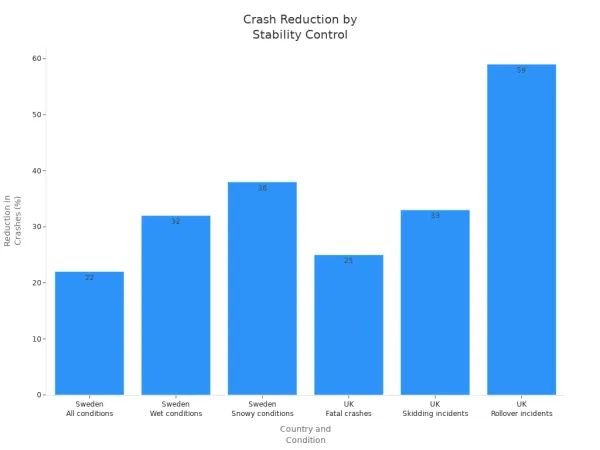
A recent meta-analysis found that electronic stability control can cut certain types of crashes by up to 75%. You benefit from fewer accidents and safer journeys.
VSC vs ESC Systems
You might see different names for these systems, such as VSC, ESC, ESP, or DSC. Vehicle stability control and electronic stability control share the same goal: keeping your car on its intended path. The main differences come from the number of sensors and the level of control. Here is a quick comparison:
| Feature | Vehicle Stability Control Systems | Electronic Stability Control Systems |
|---|---|---|
| Purpose | Basic traction management | Advanced stability management |
| Sensors Used | Fewer sensors | Multiple sensors including yaw and steering position |
| Functionality | Prevents wheel spin | Corrects vehicle path based on driver intention |
You can trust both systems to help you avoid loss of control, but electronic stability control often provides more advanced features.
VSC Car Hardware Components
Sensor Network and Functions
You depend on a network of sensors to keep your vsc car stable and safe. These sensors constantly monitor how your car moves and responds to your driving. Each sensor has a specific job that helps the system detect changes in vehicle dynamics and prevent loss of traction. Here is a table showing the main sensors and their functions:
| Sensor Type | Function |
|---|---|
| Yaw Sensor | Measures the vehicle's rotation around its vertical axis to detect oversteer or understeer. |
| Lateral Acceleration Sensor | Measures sideways movement to assess vehicle stability during turns. |
| Steering Angle Sensor | Monitors the driver's steering input to help determine the vehicle's intended direction. |
You benefit from real-time monitoring because the system can spot problems before they become dangerous. The sensors send data about wheel speed, steering angle, and lateral acceleration to the control unit. This information allows the system to react quickly and keep your car on track. You also get support from driver-assistance technologies that use these sensors and cameras to watch your car’s performance and surroundings. These features help the system step in automatically during critical moments.
Control Units and Integration
You rely on electronic control units (ECUs) to process all the data from the sensor network. The ECU acts as the brain of the vehicle control system. It decides when to apply the brakes or reduce engine power to maintain stability. The ECU works closely with other systems, such as the anti-lock braking system (ABS) and the main fuse box, to ensure smooth integration. This teamwork improves safety and performance.
By using an arbitration ID, messages can be prioritized if multiple nodes send messages simultaneously. This ensures that critical data related to safety-critical systems, such as anti-lock braking (ABS) or electronic stability program (ESC), are transmitted with higher priority and minimal latency.
You see the benefits of this integration every time your car prevents a skid or helps you recover from a sudden maneuver. The ECU makes sure that safety-critical messages reach their destination without delay, which is vital for dynamic stability control.
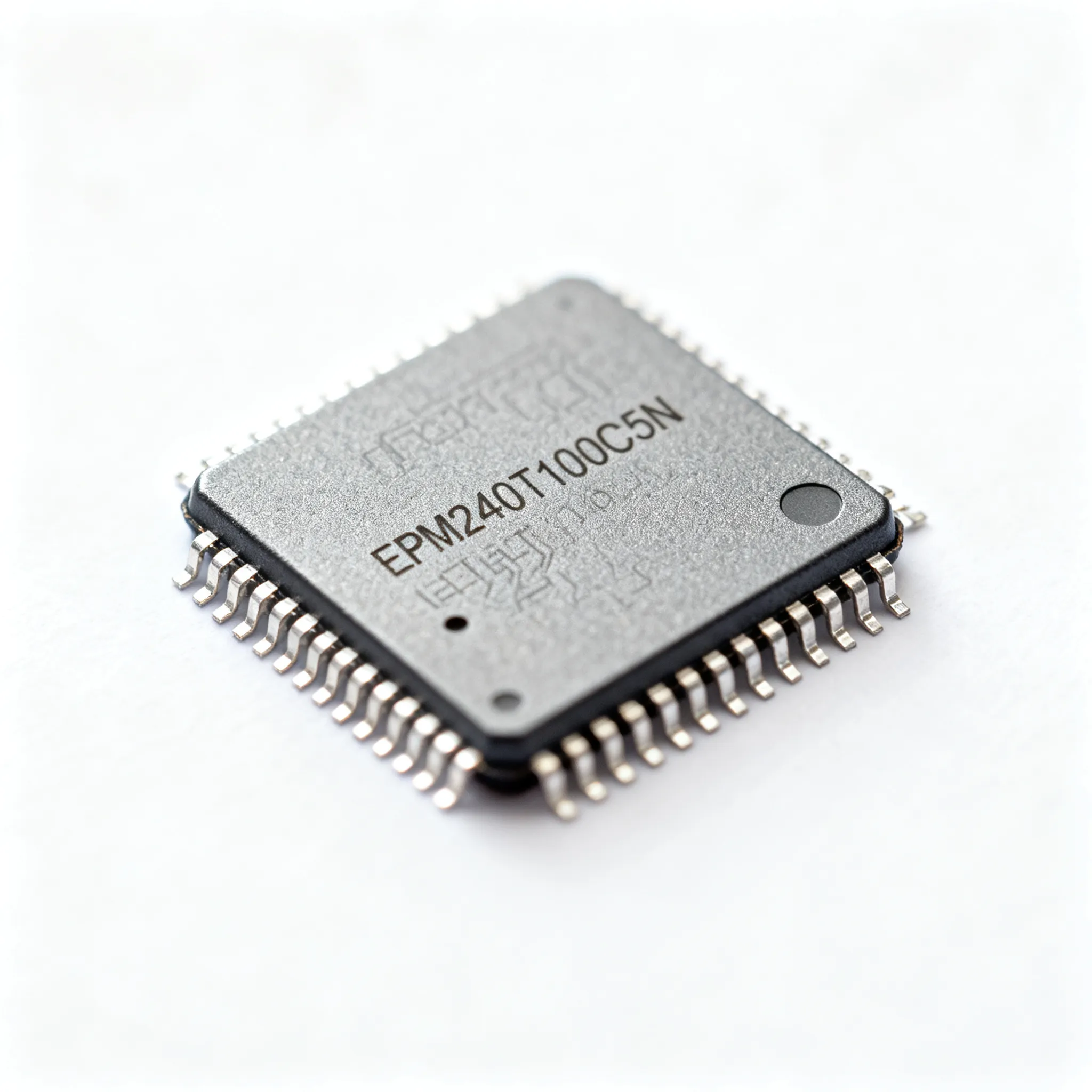
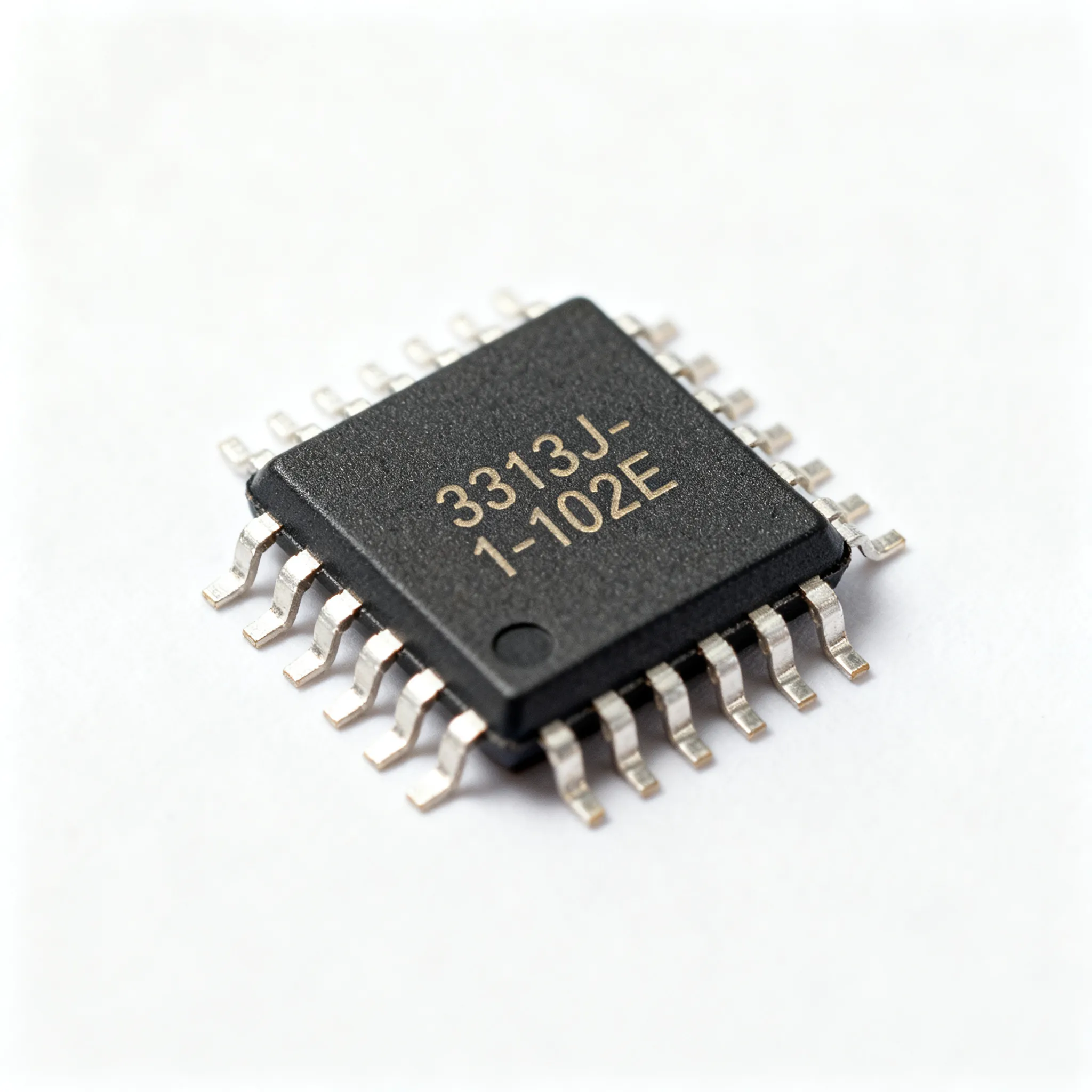
Nova Technology Company (HK) Limited stands out as a HiSilicon-designated solutions partner. The company specializes in chip-level solutions and system integration for the integrated circuit industry. You find their expertise in automotive applications, where advanced ICs support real-time data processing, sensor fusion, and reliable communication between modules. Their solutions help manufacturers build smarter, safer, and more connected vehicles.
Wiring and Communication
You might not see the wiring behind your dashboard, but it plays a key role in how your car’s systems talk to each other. Modern vehicles use advanced communication protocols to connect sensors, ECUs, and actuators. Here are the main protocols you find in today’s cars:
- CAN protocol: This system lets different modules broadcast messages quickly and reliably. It supports speeds up to 1.0 Mbps.
- FlexRay protocol: You get faster communication with this protocol, which can handle up to 20 Mbps using two channels.
- Automotive Ethernet: This protocol allows data to travel in both directions at the same time, supporting complex vehicle control and infotainment systems.
You benefit from zonal electrical architectures, which reduce the amount of wiring and the number of connections. This design places the ECU closer to sensors and actuators, making the system more reliable and less complex. Fewer wires mean fewer chances for something to go wrong, which increases safety and keeps your vehicle stability control system working at its best.
System Integration and Interaction
Real-Time Adjustments
You experience the benefits of real-time adjustments every time you drive your vsc car. The system constantly monitors vehicle dynamics using a network of sensors. These sensors track wheel speed, steering angle, and lateral acceleration. The electronic control unit (ECU) processes this data instantly. When the system detects a potential loss of traction, it acts fast to keep you safe.
- The system can apply brakes to individual wheels to correct your car’s path.
- It reduces engine power if it senses understeering, helping you regain control.
- When oversteering happens, it applies braking to specific wheels to stabilize the vehicle.
- The system adapts its response based on current driving conditions, ensuring optimal performance.
You benefit from advanced algorithms that make these decisions possible. The table below shows some of the key technologies at work:
| Algorithm/Technology | Description |
|---|---|
| Electronic Stability Control (ESC) | Selectively applies brakes to individual wheels to counteract skidding and maintain trajectory. |
| Traction Control System (TCS) | Reduces engine power or applies brakes when wheel slip is detected to improve traction. |
| PID Controllers | Provides robust feedback control for stability. |
| Adaptive Control Techniques | Adjusts controller parameters based on vehicle and environmental changes. |
| Model Predictive Control (MPC) | Optimizes steering and path tracking using predictive models. |
| Reinforcement Learning | Enables adaptive and strategic decision-making for complex scenarios. |
These technologies work together to deliver a safety feature that reacts in milliseconds. You stay in control, even during sudden maneuvers or slippery conditions.
Communication with ABS and Traction Control
You might not realize how much teamwork happens behind the scenes. The VSC system communicates with both the anti-lock braking system (ABS) and traction control to maintain stability. These systems share information through the CAN Bus, a high-speed network that connects all major modules in your car.
- Traction control sensors send data to the ABS and engine control module.
- The CAN Bus allows quick sharing of information, so each system knows what the others are doing.
- This collaboration improves the responsiveness of traction control, especially when road conditions change quickly.
You get a smoother and safer driving experience because these systems work together. When you accelerate on a wet road, traction control prevents wheel spin. If you brake hard, ABS stops the wheels from locking up. The VSC system coordinates these actions, making sure your car stays stable and safe.
VSC Indicator Light Function
You may notice a VSC indicator light on your dashboard. This light tells you when the system is active or if there is a problem. Understanding what this light means helps you respond correctly and keep your car safe.
- Pull over safely and restart your vehicle. This simple step can reset a temporary glitch that triggered the light.
- Check your tire pressure. Low tire pressure can cause the system to activate the warning.
- Use the traction control button to turn the system off and then back on. This can reset minor electronic faults.
Ignoring the VSC or traction control light can lead to bigger problems. If the system is not working, you risk losing stability during emergencies or on slippery roads. Always address the warning as soon as possible to protect yourself and your passengers.
You rely on these dashboard indicators to keep you informed. They help you maintain your car’s safety feature and ensure the best possible performance on every drive.
User Concerns and Practical Insights
VSC Light and Troubleshooting
You may notice the vsc light on your dashboard. This warning can signal several issues that affect your vehicle safety. Common reasons for the vsc light include engine problems, ABS sensor malfunctions, faulty wiring, or accidental deactivation of the system. When you see the vsc light, you should not ignore it.
To troubleshoot, follow these steps:
- Use an OBD-II scanner to read diagnostic codes from your car’s computer.
- Visit an auto parts store like AutoZone for a free scan if you do not have a scanner.
- Reference the codes for traction control and ABS to pinpoint the problem.
- Try resetting the system by disconnecting the battery or recalibrating.
- Replace any faulty sensors if needed.
- Check the traction control switch and fuse for proper operation.
- Seek professional repair if the vsc light remains on.
Tip: Quick action helps prevent further damage and keeps your vsc car ready for emergencies.
Identifying Integration Issues
You can spot integration issues by watching for persistent warning lights or changes in handling. Technicians use several methods to diagnose these problems:
| Step | Description |
|---|---|
| 1 | Evaluate the VSC system, checking sensor alignment and calibration. |
| 2 | Use advanced diagnostic tools for real-time data analysis. |
| 3 | Inspect and test components like the steering angle and ABS sensors. |
| 4 | Update or reprogram the ECU if needed. |
| 5 | Address related systems such as ABS or traction control. |
Regular maintenance helps prevent integration problems. Check your brake system and tires, keep sensors clean, and follow your manufacturer’s service schedule. Always respond quickly to the vsc light to avoid loss of traction.
Common Models with VSC
You find vehicle stability control as a standard feature in many popular models. Here are some examples:
- Toyota: Vehicle Stability Control (VSC)
- Lexus: Vehicle Stability Control (VSC)
- Honda: Vehicle Stability Assist (VSA)
- Ford: AdvanceTrac
- BMW: Dynamic Stability Control (DSC)
- Mercedes-Benz: Electronic Stability Program (ESP)
- Subaru: Vehicle Dynamics Control (VDC)
- Chevrolet: StabiliTrak
Manufacturers now include VSC in most new vehicles to improve vehicle safety and meet regulations. Regular maintenance ensures your system works as designed and protects you from loss of traction.
You gain real safety advantages from VSC integration in your car. These systems help you avoid skidding, prevent rollovers, and keep control during emergencies. Surveys show that over half of drivers feel significantly safer with VSC. As electronic hardware advances, you benefit from faster sensors and smarter algorithms that adapt to every road condition. The market for these technologies continues to grow, driven by new safety standards and smarter vehicles.
| Study | Crash Odds Reduction |
|---|---|
| Passenger Cars | Up to 35% |
| SUVs | Up to 67% |
| All Vehicles | Up to 41% |
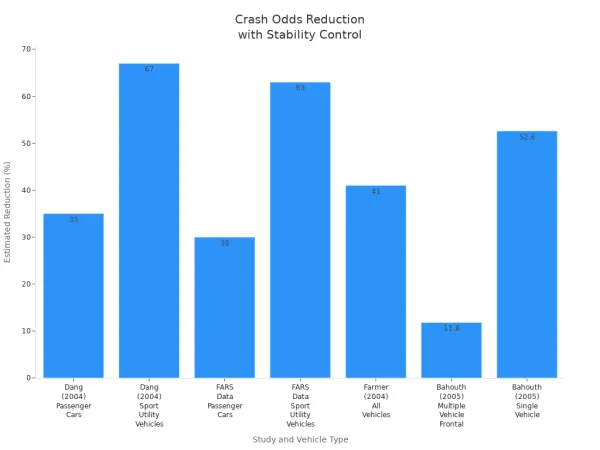
You can look forward to even safer and more reliable driving as VSC technology evolves.
FAQ
What does the VSC light mean on my dashboard?
You see the VSC light when your vehicle stability control system activates or detects a problem. The light tells you that the system works to keep your car stable or that you need to check for issues. Always pay attention to the light for your safety.
Why does the VSC light turn on while driving?
You notice the VSC light when the system senses slippery roads, sudden turns, or sensor faults. The light can also appear if you have low tire pressure or a malfunction. You should not ignore the light. Check your car or visit a mechanic.
Can I drive with the VSC light on?
You can drive with the VSC light on, but you lose some stability features. The light warns you that your car may not handle emergencies as well. You should fix the issue soon. The light helps you stay aware of your car’s safety systems.
How do I reset the VSC light?
You can reset the VSC light by turning your car off and on, checking tire pressure, or pressing the traction control button. If the light stays on, use an OBD-II scanner or visit a repair shop. The light should turn off when the problem is fixed.
Does the VSC light mean my brakes are bad?
The VSC light does not always mean your brakes are bad. The light can signal issues with sensors, wiring, or the stability system. If you see the light with the brake warning light, check your brakes right away. The light helps you spot problems early.