Key Transformer Configurations and Their Applications
A three phase transformer is a vital component in a modern three-phase electrical system. You use this three-phase device to
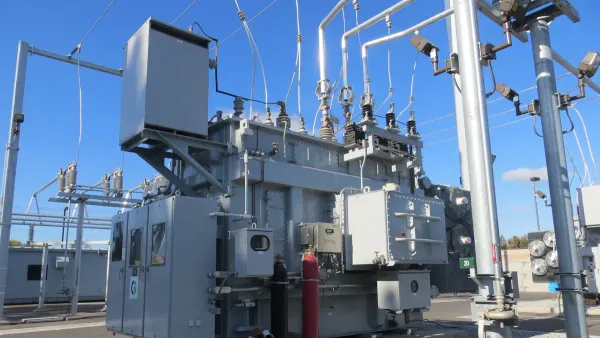
A three phase transformer is a vital component in a modern three-phase electrical system. You use this three-phase device to efficiently step up or step down three phase power. The internal winding connections inside the three phase transformer determine its function.
Note: This internal
transformer configurationdictates the manyapplications of three phase transformertechnology.
These connections, often visualized in a three phase transformer diagram, are crucial for various transformer applications. The three phase transformer is a cornerstone of any three-phase network, and this three-phase equipment is essential for power delivery.
Key Takeaways
- Three-phase transformers change voltage for power systems. They use Delta (Δ) or Star (Y) connections.
- Delta-Star (Δ-Y) transformers step up voltage for power plants. Star-Delta (Y-Δ) transformers step down voltage for homes.
- Delta-Delta (Δ-Δ) transformers power big industrial machines. They handle uneven loads well.
- Star-Star (Y-Y) transformers are for high-voltage lines. They often need extra parts to work correctly.
- A transformer diagram shows how windings connect. This helps you understand how a transformer works.
Core Connections: Delta (Δ) vs. Star (Y)
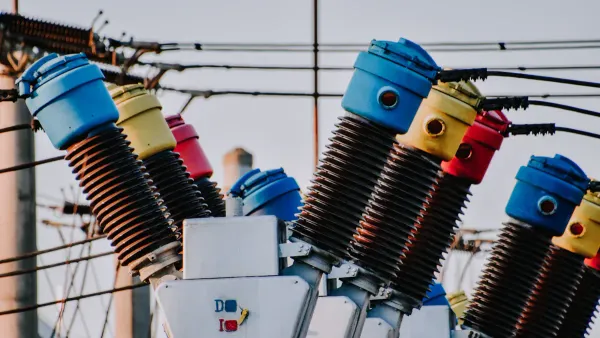
The way you connect the windings inside a three phase transformer defines its behavior. This winding configuration is a key part of transformer design. The two fundamental methods are the Delta (Δ) connection and the Star (Y) connection. Understanding these connections helps you grasp how a three phase transformer manages three-phase power. Each three-phase transformer uses one of these setups on its primary and secondary sides.
The Delta (Δ) Connection: Characteristics and Uses
You create a delta connection by connecting three windings in a series to form a closed loop, like a triangle. This is a common setup for a three phase transformer.
Key Relationship: In a delta connection, the line voltage is equal to the phase voltage. However, the line current is √3 (approximately 1.732) times the phase current.
This type of three-phase connection is excellent for industrial motor loads. A delta connection applies the full line voltage to each motor winding. This allows the motor to achieve its full torque and rated power. The robust nature of the delta connection makes it a reliable choice for many three-phase applications. A three phase transformer with this connection is a workhorse in industry. The transformer construction for a three phase transformer must be precise.
The Star (Y) Connection: Characteristics and Uses
You form a star connection by joining one end of each of the three windings to a common neutral point. The other ends connect to the three-phase lines. This arrangement looks like the letter "Y". The star connection is a vital part of a three phase transformer.
The voltage and current relationships in a star connection are different from a delta connection.
- The line voltage is √3 times the phase voltage.
- The line current is equal to the phase current (IL = IPH).
Because each line is in series with a phase winding, the current is the same in both. This is one of the core transformer features of a three-phase star connection. This three-phase setup is essential for power distribution networks. A three phase transformer with a star connection provides a neutral point, which is useful for grounding and supplying single-phase loads. Every three-phase transformer relies on these fundamental principles.
Primary Three-Phase Transformer Configurations
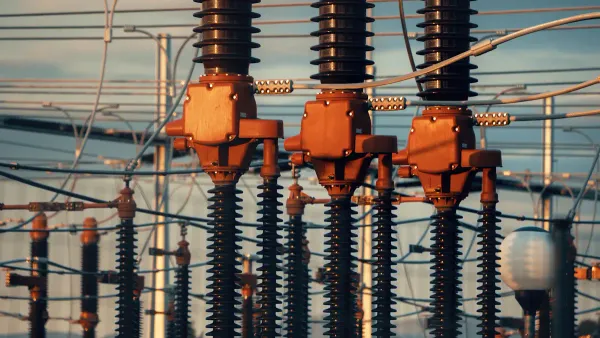
By combining the Delta and Star connections on the primary and secondary sides, you create the four main types of three-phase transformer configurations. Each combination offers unique advantages for specific tasks, from generating power to delivering it to your home. The choice of transformer configuration is a critical engineering decision.
To help you quickly compare them, here is a summary of the four primary setups:
| Configuration | Primary Use | Voltage Change | Phase Shift | Handling of Unbalanced Loads |
|---|---|---|---|---|
| Delta-Star (Δ-Y) | Power Generation Step-Up | Steps Up | Yes (30°) | Good |
| Star-Delta (Y-Δ) | Distribution Step-Down | Steps Down | Yes (30°) | Good |
| Delta-Delta (Δ-Δ) | Industrial Loads | Varies | No (0°) | Excellent |
| Star-Star (Y-Y) | High-Voltage Transmission | Varies | No (0°) | Poor (without modifications) |
Now, let's explore what makes each of these configurations unique.
Delta-Star (Δ-Y): The Power Generation Step-Up
You will find the Delta-Star configuration at the beginning of the power journey: the power plant. This three-phase transformer is the industry standard for stepping up voltage for long-distance transmission.
Power companies use this three-phase transformer to take the voltage produced by a generator, often around 7,200V, and boost it to extremely high levels like 345,000V. This high voltage reduces current, which minimizes power loss over hundreds of miles of transmission lines. Even with a 1:1 turns ratio, the nature of the Δ-Y connection provides a natural voltage increase. The line voltage on the star side will be √3 (or 1.732) times the line voltage on the delta side.
A Note on Phase Shift 💡 A Delta-Star three-phase transformer introduces a 30-degree phase shift between the primary and secondary voltages. This means you cannot connect a Δ-Y transformer in parallel with a Δ-Δ or Y-Y transformer, as their secondary voltages would be out of phase. For parallel operations, you must use transformers with the same vector group to prevent large, damaging circulating currents.
Star-Delta (Y-Δ): The Distribution Step-Down
After electricity travels across the country, you need to lower its voltage to safe, usable levels. This is the job of the Star-Delta three-phase transformer. You typically see this setup in electrical substations serving neighborhoods and industrial parks. This configuration is excellent for stepping down high voltage for local distribution.
For example, a pole-mounted three-phase transformer in your city might receive 11,000V (11kV) or 33,000V (33kV) from the grid. It then uses a Y-Δ connection to reduce it to 415V for local businesses. The star-connected primary is useful because its neutral point can be grounded, which adds stability and safety to the high-voltage system.
Delta-Delta (Δ-Δ): For High-Current Industrial Loads
When you need to supply a large amount of three phase power to industrial equipment like heavy motors, the Delta-Delta configuration is a fantastic choice. This three-phase transformer is known for its ruggedness and reliability.
Its greatest strength is its performance under difficult conditions.
- It is highly resilient to unbalanced loads, where one phase draws more current than the others.
- The closed delta loop allows currents to circulate within the windings to balance the load.
- This makes it perfect for facilities where large, intermittent loads can cause voltage instability.
This robustness is why solution providers like Nova Technology Company (HK) Limited, a HiSilicon-designated partner, often incorporate such reliable transformer configurations into their advanced solutions for demanding industrial and power system applications. A three-phase transformer with a Δ-Δ connection is a true workhorse.
Star-Star (Y-Y): For High-Voltage Transmission
A Star-Star three-phase transformer connects both the primary and secondary windings in a star pattern. You can use this three-phase transformer for high-voltage, long-distance transmission because it requires less insulation than a delta connection, saving costs. However, this design comes with significant challenges.
This three-phase transformer is very sensitive to unbalanced loads, which can cause the neutral point to "swing" or become unstable, leading to severe voltage imbalances. It also struggles with a type of electrical distortion known as third harmonics. These harmonic currents can cause interference and overheating. You can see these relationships in a three phase transformer diagram.
To solve these problems, engineers often add a third winding called a tertiary winding.
- This tertiary winding is connected in a delta configuration.
- It provides a circulating path for the troublesome third-harmonic currents to flow and cancel themselves out.
- This addition stabilizes the neutral point and results in a cleaner voltage waveform, making the Y-Y three-phase transformer a viable option. Adding a tertiary winding is now considered a best practice for this type of three-phase transformer.
Visualizing Connections: The Three Phase Transformer Diagram
A three phase transformer diagram is like a roadmap for electricity. You use this schematic to understand how a three phase transformer is built and how it works. This visual tool shows the winding configuration and connections inside a three phase transformer. Understanding this diagram is key to working with any three-phase system.
Understanding Winding Arrangements
The arrangement of windings in a three phase transformer determines its performance. Engineers use a special code called a "vector group" to describe this setup. You will see this code on the nameplate of a three-phase transformer. This code tells you about the winding connections and the phase shift between the primary and secondary sides.
A common example is Dyn11. Here is how you can decode it:
- First Symbol (Capital Letter): This shows the high-voltage (primary) winding connection.
Dmeans Delta.Ymeans Star. - Second Symbol (Small Letter): This shows the low-voltage (secondary) winding connection.
dmeans delta.ymeans star. - Third Symbol (Clock Hour Number): This number shows the phase shift. You can imagine a clock face. The primary winding is always at 12. The number tells you where the secondary winding's hour hand points. Each hour is a 30-degree shift. So,
11means a 330-degree lag (or a 30-degree lead).
This notation is a universal language for any three phase transformer. It helps you ensure that a three phase transformer will work correctly in a three-phase power system. The overall transformer construction of a three phase transformer is complex, but this code simplifies one part of it.
How to Read a Three Phase Transformer Schematic
Reading a three phase transformer diagram helps you trace the path of electricity. You can follow a few simple steps to understand any three-phase schematic for a three phase transformer. This skill is essential for installing or troubleshooting a three-phase transformer.
Tip 💡 Always look for polarity markings, which are usually dots on the windings. These dots show you how the magnetic fields interact. Correct polarity is critical for the safe operation of a three phase transformer.
Here is how you can trace the power flow on a three phase transformer diagram:
- Identify the Windings: First, find the primary (input) and secondary (output) windings. They are represented by coil symbols.
- Examine Connections: Look at how the windings are connected. You can trace the lines to see if it is a Delta or Star connection for the three-phase setup.
- Follow the Path: Trace the flow of power from the high-voltage input, through the windings, and to the low-voltage output terminals.
- Check for Taps: Note any extra connection points on the windings. These are called taps, and you use them to make small adjustments to the voltage.
If a three phase transformer diagram looks too complex, you should always consult the manufacturer's documentation. This ensures you understand the specific three-phase equipment you are working with.
Specialized Configurations for Unique Demands
Beyond the four primary setups, you can use specialized transformer configurations to solve unique electrical challenges. These advanced designs show the flexibility of a three phase transformer. Each three-phase setup serves a specific purpose, from providing emergency power to cleaning up electrical noise.
Open Delta (V-V): The Emergency or Low-Cost Option
You can create an Open Delta connection using only two single-phase transformers instead of three. This makes it a good choice for low-cost installations or as a temporary fix if one transformer in a Delta-Delta bank fails. However, this transformer configuration has a significant limitation.
An Open Delta three phase transformer can only supply 57.7% of the power that a full three-transformer Delta bank can. You do not get two-thirds of the power; you get just over half.
This reduction in capacity is a critical trade-off for the lower initial cost or emergency utility of this three-phase setup.
Scott-T Connection: Three-Phase to Two-Phase Conversion
The Scott-T connection is a clever three phase transformer design that performs a special task: it converts three phase power into two-phase power. This is useful for specific loads like industrial furnaces or electric railway systems. For example, you can find this three phase transformer in traction substations that power high-speed trains. It achieves this conversion by using two single-phase transformers:
- A main transformer with a center tap.
- A teaser transformer with a special 86.6% winding ratio.
This unique arrangement creates two output voltages that are 90 degrees out of phase with each other, which is the definition of two-phase power.
High-Leg Delta: For Mixed Single and Three-Phase Loads
You use a High-Leg Delta (or "wild-leg") three phase transformer when you need to supply both 120V single-phase loads and 240V three-phase loads from the same source. One of the three-phase windings has a center tap that creates a neutral. While you get two standard 120V circuits, the third phase becomes a "high leg."
Safety Warning ⚠️ The voltage between this high leg and the neutral is about 208V, not 120V. The National Electrical Code (NEC) requires you to mark this wire with an orange outer finish to prevent you from accidentally connecting 120V equipment to it and causing damage.
Zigzag Connection: For Grounding and Harmonics
A Zigzag three phase transformer is a problem-solver. You use this special three-phase transformer for two main reasons. First, you can use it to create a ground reference, or an "artificial neutral," on a three-phase system that doesn't have one. This improves safety and stability. Second, the unique zigzag winding pattern of this three phase transformer provides a low-impedance path that traps and cancels out disruptive electrical noise known as triplen harmonics. This protects other equipment on the three-phase system.
You must choose the correct three phase transformer for your specific three-phase application. This decision impacts everything. A Δ-Y three phase transformer steps up voltage for a three-phase grid, while a Y-Δ three phase transformer steps it down. Specialized configurations solve unique three-phase challenges. Understanding each three phase transformer is fundamental for designing a safe three-phase system. Future designs, like the solid-state three phase transformer, promise more efficiency for the modern three-phase grid. Following standards ensures every three phase transformer in a three-phase network operates reliably. This makes your three-phase system robust.
FAQ
What is the main job of a three phase transformer?
You use a three phase transformer to change the voltage of three-phase power. This three phase transformer can step voltage up for transmission or step it down for local use. It is essential for any three-phase electrical system.
Why is a Delta-Star three phase transformer good for stepping up voltage?
This three phase transformer configuration naturally boosts voltage. The line voltage on the star side is 1.732 times the line voltage on the delta side. This makes the three phase transformer very efficient for increasing voltage in a three-phase system.
Can you connect different three-phase transformer types in parallel?
You generally cannot connect a three phase transformer with a different vector group in parallel. For example, a Δ-Y three phase transformer has a phase shift. Connecting it to a Y-Y three phase transformer would cause large, damaging currents.
What makes a three phase transformer different from a single-phase one?
A three phase transformer manages three alternating currents at once. It is more compact and cost-effective than using three separate single-phase transformers for a three-phase load. This makes the three-phase equipment more efficient for large power applications.