メカニカルリレーvsソリッドステートリレー彼らのアプリケーションを理解する
機械式リレーとソリッドステートリレーのどちらかを決定するときは、重要な選択に直面します。メカニカルリレーは移動パーを使用します
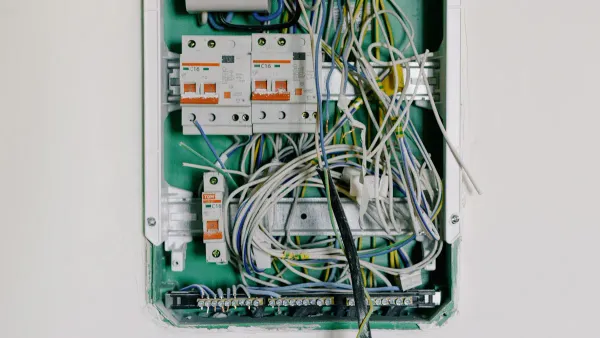
機械式リレーとソリッドステートリレーのどちらかを決定するときは、重要な選択に直面します。メカニカルリレーは可動部品を使用して回路を切り替えますが、ソリッドステートリレーは電子部品に依存します。この違いは、システムが問題なく動作する期間に影響します。最後のソリッドステートリレー2〜3倍長いそしてよりよい過酷な環境を扱いなさい。メカニカルリレーはクリーンな設定ではうまく機能しますが、多くの使用後に摩耗します。賢明に選択することで、ダウンタイムを回避し、マシンをスムーズに稼働させることができます。
重要なポイント
- ソリッドステートリレーは長持ちします機械式リレーよりもメンテナンスが少なくて済み、使用量の多い環境に最適です。
- 機械式リレーは、単純なタスクでは費用効果が高くなりますが、摩耗が速くなり、定期的なチェックが必要です。
- 過酷な条件での高速でサイレントな操作には、ソリッドステートリレーを選択してください。メカニカルリレーは、クリーンで安定した設定でうまく機能します。
- を考慮してくださいアプリケーションの特定のニーズ、リレータイプを選択するときの切り替え速度や環境要因など。
メカニカルリレーvsソリッドステートリレー
主な違い
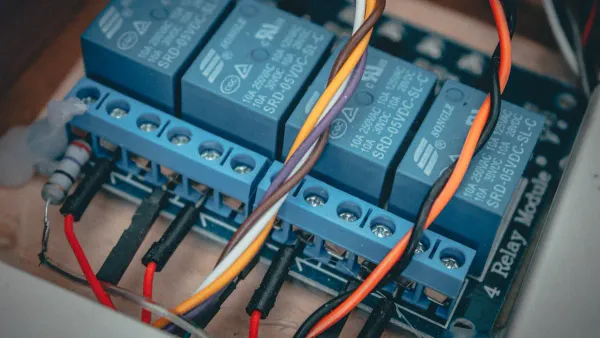
機械式リレーとソリッドステートリレーを比較すると、いくつかの重要な違いがあります。これらの違いは、それらがどのように機能するか、どれだけ長く続くか、そしてどれだけのケアが必要かにあります。以下の表は、主な機能の明確な比較を示しています。
| 特徴 | 電気機械式リレー (EMR) | ソリッドステートリレー (SSR) |
|---|---|---|
| 移動部品 | はい | いいえ |
| 着用して引き裂く | 高い | 低い |
| 操作ノイズ | 騒々しい (クリック音) | サイレント |
| スイッチング速度 | 遅い (5-15 ms) | 非常に速い (マイクロ秒) |
| ショック/振動への抵抗 | 低い | 高い |
| 寿命 | 数百から数千サイクル | 数百万のサイクル、10-20年 |
| メンテナンス | 頻繁なチェックが必要 | メンテナンスはめったに必要ありません |
| 適合性 | クリーンで安定した环境 | 過酷で重要な環境 |
| 電磁干渉 | より高い | 下 |
あなたはそれを見ることができますソリッドステートリレー速く、静かで、そして信頼できる切り替えが必要なときに最もよく働きます。基本的な仕事のためのシンプルで低コストのソリューションが必要な場合は、電気機械式リレーが適しています。Ssr対リレーの議論を見ると、ソリッドステートリレーはタフなタスクや高速のタスクで勝つことがよくあります。
ヒント:ダウンタイムを減らし、修理を減らしたい場合は、使用率の高い設定または過酷な設定にソリッドステートリレーを選択してください。
コストもあなたの決定に大きな役割を果たします。コストの違いを簡単に見てみましょう。
| リレータイプ | 前払い費用 | メンテナンスコスト | 追加ノート |
|---|---|---|---|
| ソリッドステートリレー | より高い初期価格 | メンテナンスコストを下げる | 高サイクルの仕事のためによい、可動部品なし |
| メカニカルリレー | より低い初期価格 | より高いメンテナンスコスト | 頻繁な交換が必要で、維持が必要な場合があります |
機械式リレーとソリッドステートリレーの比較では、最初はソリッドステートリレーに多く支払うことが示されていますが、長持ちし、注意が必要なため、時間の経過とともにお金を節約できます。
操作原理
正しい選択をするために、各リレーがどのように機能するかを知る必要があります。機械式リレーとソリッドステートリレーの動作原理は非常に異なります。
-
电気机械リレー:
内部にコイルと金属接点のセットがあります。コイルに力を送るとき、それは磁界を作成します。このフィールドは、コンタクトを一緒に引っ張り、回路を閉じる。電源を切ると、スプリングが接点を引き離します。この動きはクリック音を出します。接点は触れたり火花を散らしたりするため、時間の経過とともに摩耗する可能性があります。 -
ソリッドステートリレー:
可動部品は見えません。代わりに、それはのような電子部品を使用しますトランジスタそしてoptocouplers。信号を送るとき、リレーはオンまたはオフになりますほぼ瞬時にを使用します。音はなく、移動によって摩耗するものはありません。この設計により、ソリッドステートリレーはずっと長持ちします。
以下は、動作原理をまとめた表です。
| 特徴 | メカニカルリレー | ソリッドステートリレー |
|---|---|---|
| 建設 | ソレノイドを使用してスイッチ接点を移動します | 電子部品を使用し、可動部品なし |
| 電磁干渉 | 接触アークによるEMIを生成します | 少ないEMI、サイレントスイッチングを生成します |
| 寿命 | 接触摩耗およびarcingによって限られる | 数百万サイクルを持続、接触摩耗なし |
| スイッチング速度 | 遅い (約10 ms) | より高速 (約1 ms以下) |
| 振動に対する感受性 | より影響を受けやすい | 影響を受けにくい |
| 操作ノイズ | 可聴クリック | サイレント |
Ssr vsリレーの質問を見ると、ソリッドステートリレーはスイッチングが速くなり、ノイズが少なくなることがわかります。実験室のテストは、ソリッドステートリレーが多くを作成することを示していますより少ない電磁干渉機械リレーより。これは敏感な電子機器のためのより良い選択になります。
メンテナンスについても考える必要があります。機械式リレーは、可動部品が摩耗する可能性があるため、定期的なチェックが必要です。ソリッドステートリレーはほとんどメンテナンスを必要としません。この違いは、修理のために機械を止めることができない場所では非常に重要です。
注:静かに動作し、何年も続くリレーが必要な場合は、ソリッドステートリレーがより良い選択です。
メカニカルリレー
仕組み
機械式リレーは、電気を使用して別の回路を制御する単純なスイッチとして見られます。コイルを通して流れを送るとき、それは磁界を作成します。このフィールドはアーマチュアを引っ張り、接点を動かして機械式リレー回路を開閉します。機械式リレーの動作原理は、いくつかの重要な部品に依存しています。次の表は、各コンポーネントがリレー内でどのように機能するかを示しています。
| コンポーネント | 関数 |
|---|---|
| コイル | 電流が流れると磁場を生成します。 |
| アイアンコア | 効率を高める磁界を集中させ、導きます。 |
| ヨーク | 磁束のための低抵抗の道を提供し、可動部品を支えます。 |
| アーマチュア | 磁気プルに基づいて回路を開閉するように動きます。 |
| 連絡先 | アーマチュアの位置に応じて、回路が開閉するポイント。 |
を使用します。メカニカルリレーの働き原理多くの基本的な制御システムで。コイルを作動させると、リレーはほぼ瞬時に機械式リレー回路を切り替えます。このアクションにより、小さな電気信号で高出力デバイスを制御できます。
特徴
メカニカルリレーは、多くの設定で役立ついくつかの機能を提供します。さまざまな取り付け方法、ポールカウント、および接触タイプから選択できます。以下の表は、メカニカルリレーにある主な機能を強調しています。
| 特徴タイプ | 説明 |
|---|---|
| 取り付け方法 | ブラケット、DINレール、パネルマウント、PCB、ソケット |
| ポールカウント | 制御される別の回路の数 (1〜4ポール) |
| スイッチスロー | シングルスロー (ST) とダブルスロー (DT) |
| 連絡先のタイプ | 通常オープン (NO) 、通常クローズ (NC) 、切り替え |
| スピード仕様 | 時間と休憩時間をミリ秒単位で測定する |
| 特殊属性 | 調整可能な接触方向、電流/電圧に敏感、拡張可能なデッキ、本質的に安全、プッシュツーテスト、時間遅延 |
機械式リレーには、次のような多くの種類があります。汎用パワーリレー、自動車用リレー、PCBリレー、タイムディレイリレー、ラッチングリレー、リードリレーを使用します。これらのオプションを使用すると、リレーを特定のニーズに一致させることができます。また、機械式リレー回路はさまざまなアプリケーションに合わせて調整できます。メカニカルリレーの寿命は、使用頻度と環境によって異なります。頻繁に切り替えると寿命が短くなる可能性がありますが、クリーンな状態での穏やかな使用は長持ちします。
典型的な用途
あなたは多くの業界で機械式リレーを見つけます。自動車、工場、家庭の機械式リレー回路の制御に役立ちます。一般的な用途は次のとおりです。
- 自動車: リレーを使用してコントロールパワー窓、点火システム、および安全機能。
- 製造: リレーは自動化とプロセス制御をサポートします。
- 電気通信: ネットワーク機器は、切り替えをリレーに依存しています。
- エネルギー: リレーは電力網と配電の管理に役立ちます。
- 家電: 日常のデバイスは、基本機能にリレーを使用しています。
信頼性とシンプルなデザインのために機械式リレーに依存しています。これらのリレーの寿命は、簡単なメンテナンスと簡単な操作が必要なアプリケーションに適しています。機械式リレー回路を設計するときは、リレーがニーズに合っていることを確認するために、スイッチング速度、接触タイプ、および取り付け方法を考慮します。
ソリッドステートリレー
仕組み
あなたはaを使用しますソリッドステートリレー可動部品なしで動作する電気制御スイッチが必要な場合。ソリッドステートリレーの動作原理は、半導体デバイスとオプトカプラに依存していますを使用します。小さな信号を入力に送信すると、オプトカプラは信号を出力側に渡します。このアクションは、ロードをオンまたはオフにします。物理的な接点がないため、ソリッドステートリレー回路は迅速かつ静かに切り替わります。クリック音は聞こえません。この電子スイッチングデバイスは、接触アークの影響を受けないため、機械式リレーよりも信頼性が高くなります。内部が摩耗するものがないため、寿命が長くなります。
特徴
あなたはソリッドステートリレーを作る多くの機能を見つけます現代のシステムのためのスマートな選択を使用します。主な機能を示す表を次に示します。
| 主な特徴 | 説明 |
|---|---|
| 電磁干渉 | 接触アークがないため、干渉が少なくなります。 |
| 長寿 | 長い寿命を提供し、摩耗なしで数百万サイクル持続します。 |
| スイッチング速度 | 機械式リレーよりもはるかに速くオン/オフします (約1ミリ秒)を使用します。 |
| 振動に対する感受性 | 可動部品がないので、振動のある場所でうまくいきます。 |
| 連絡先バウンス | 接触バウンスを持っていないので、あなたは毎回信頼できる操作を得る。 |
いくつかのタイプのソリッドステートリレーから選択できます。最も一般的なタイプは次のとおりです。
- モーターおよびHVACシステム用ACソリッドステートリレーを使用します。
- 自動車および太陽光発電用のDCソリッドステートリレーを使用します。
- 自動化およびロボット工学のためのAC/DCの固体リレー。
また、DCからAC、DCからDC、ACからAC、およびACからDCなど、さまざまなソリッドステートリレー回路の設計が表示されます。各タイプはあなたのシステムの特別な必要性に合います。
典型的な用途
速度、沈黙、信頼性が重要な場所でソリッドステートリレーを見つけることがよくあります。多くの工場は、機械やロボットを制御するために産業オートメーションでそれらを使用しています。自動車業界はそれらを電気自動車やバッテリーシステムに使用しています。エネルギーおよび電力会社は、ソーラーパネルとスマートグリッドをそれらに依存しています。エレベーターや照明システムなどの建築設備もソリッドステートリレーを使用しています。高速スイッチングと長い寿命が必要なときに最良の結果が得られます。ソリッドステートリレー回路が摩耗しないため、修理やメンテナンスに費やす時間が少なくなります。
ヒント: 静かに動作し、何年も続くリレーが必要な場合は、次のプロジェクトのソリッドステートリレーを選択してください。
アプリケーション
産業オートメーション
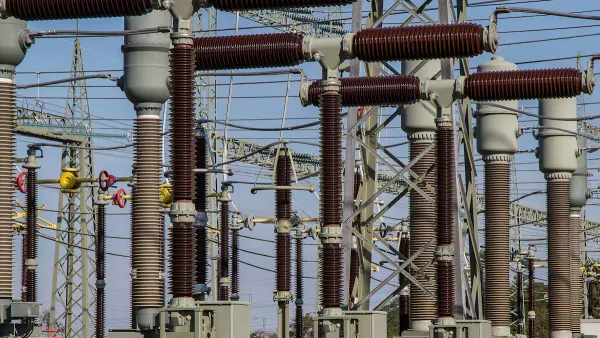
機械式リレーとソリッドステートリレーの両方が産業オートメーションを使用します。あなたはしばしばソリッドステートリレーをモーター制御、照明、ヒーターシステムを使用します。これらのリレーは、速いスイッチング速度を処理し、長持ちするため、忙しい工場に最適です。たとえば、ソリッドステートリレーを使用してコンベヤーベルトモーターを制御したり、大型LED照明アレイをオンにしたりすることができます。機械式リレーは、単純なオンオフ制御やバックアップシステムなどの汎用使用に引き続き適しています。汎用に適していて、簡単に交換できるソリューションが必要な場合は、それらを選択します。
オートメーションの一般的なアプリケーション:
- 機械のためのモーター制御
- 倉庫での照明制御
- 炉内のヒーター制御
- 医療機器用電源
- 自動車エンジン管理
ヒント: 高速、高サイクルタスクのソリッドステートリレーを選択します。基本的な切り替えジョブ用の機械式リレーを選択します。
温度制御
あなたはしばしば必要ですHVACシステムの精密な温度制御そして工業用オーブン。ソリッドステートリレーは、ここでより良い結果をもたらします。それらはすぐに切り替わり、損失を減らすことによってエネルギーを節約するのを助けます。システムを効率的かつ快適に保つ暖房および冷却ポイントをより正確に設定できます。メカニカルリレーは簡単な温度制御で機能しますが、摩耗が速くなり、頻繁な変化に追いついていない場合があります。
- ソリッドステートリレーは、エネルギー使用量を減らして温度を調整するのに役立ちます。
- 時間の経過とともに、よりスムーズな操作とより少ない修理が得られます。
安全性-重要な用途
安全性が重要なアプリケーションには、信頼性の高いリレーが必要です。あなたは従わなければなりませんEN 61810のような厳密な安全基準、、これらのシステムを設計するとき。積極的に駆動される接点を備えた機械式リレーは、冗長回路を作成するのに役立ちます。このセットアップは、1つの部分が故障しても、システムを安全に保ちます。これらのリレーを使用して、緊急信号を監視し、迅速なシャットダウンを保証します。ソリッドステートリレーは、特に静かで信頼できる操作が重要な医療機器でも役割を果たします。
注: リレーがアプリケーションの安全基準を満たしていることを常に確認してください。
高周波スイッチング
1秒に何度も回路を切り替える必要がある場合は、ソリッドステートリレーが最適です。彼らは100マイクロ秒未満で応答し、より少ない電力を使用します。可動部品がないため、摩耗を避けます。メカニカルリレーは高周波スイッチングに追いつくことができません。彼らはすぐに消耗し、より多くのエネルギーを使用します。
| 特徴 | ソリッドステートリレー | メカニカルリレー |
|---|---|---|
| 応答時間 | <100μs | 遅い |
| パワー消費量 | 下 | より高い |
| 着用して引き裂く | 最小 | 高い |
| 高周波使用 | はい | いいえ |
これらの要求の厳しいアプリケーションでは、ソリッドステートリレーで最高のパフォーマンスと最低のメンテナンスコストが得られます。
長所と短所
メカニカルリレーの長所と短所
あなたはしばしば彼らのために機械式リレーを選びますシンプルなデザインと強力なパフォーマンス基本的な制御タスクで。これらのデバイスにより、制御回路と負荷回路を完全に分離できるため、機密機器の保護に役立ちます。多くのユーザーは、機械式リレーは、特に低周波スイッチングの場合、信頼性とコスト削減を提供すると述べています。
| 利点 | デメリット |
|---|---|
| 堅牢性と信頼性 | 遅い操作 |
| シンプルさ | 高負担 |
| 完全な分離 | 着用して引き裂く |
| 費用対効果 | 限られた機能性 |
| 振動と衝撃感度 |
あなたは頑強な操作と簡単なメンテナンスを得る。機械リレーはきれいな環境でよく働きます。切り替えが遅くなり、時間の経過とともに摩耗することに気付くかもしれません。これらの欠点は、より頻繁な交換につながる可能性があります。メカニカルリレーは振動や衝撃にも苦しんでおり、厳しい設定でのパフォーマンスに影響を与える可能性があります。
ヒント: 基本的なスイッチングジョブにシンプルで低コストのソリューションが必要な場合は、メカニカルリレーを使用します。
ソリッドステートリレーの長所と短所
ソリッドステートリレーは、高速でサイレントな切り替えと長い耐用年数を提供します。可動部品が摩耗することを心配する必要はありません。これらのリレーは衝撃や振動に抵抗し、過酷な環境に最適です。また、低消费电力と最小限のEMIノイズの恩恵を受けます。
以下の表は、ソリッドステートリレーの主な利点と欠点を示しています:
| ソリッドステートリレーの利点 | ソリッドステートリレーの欠点 |
|---|---|
| 可動部品がないため、環境要因に対する感度が低くなります | 全定格電流で電気機械式リレーの熱のほぼ10倍を生成します |
| 物理的な部品がないため、迅速かつ継続的な切り替え | 熱発生を管理するためにヒートシンクが必要 |
| 長い耐用年数を提供する延長されたライフサイクル | N/A |
| 低消费电力、电気机械リレーより75% まで少なく | N/A |
| 静かな操作のための最小限から最小限のEMIノイズ | N/A |
| ショックや振動に強い | N/A |
あなたはソリッドステートリレーの利点を楽しんでいます高速および高周波アプリケーションを使用します。これらのリレーは全負荷でより多くの熱を生成するため、熱を管理する必要があります。ヒートシンクを追加すると、過熱を防ぐのに役立ちます。ソリッドステートリレーは、信頼性が高く、静かな操作と最小限のメンテナンスが必要なときに最適です。
注: システムにソリッドステートリレーを取り付ける前に、常に熱定格を確認してください。
正しいリレーを選ぶ
選択要因
あなたはあなたの前にいくつかの重要な要素を見る必要がありますリレーを選ぶあなたのプロジェクトのため。各アプリケーションには固有のニーズがあります。最良の結果を得るには、リレーをシステムに一致させます。
- サービスライフ:ソリッドステートリレーは、機械式リレーよりもはるかに長く続きます。可動部品なしで数百万サイクルを取得します。
- ノイズ生成: ソリッドステートリレーは静かに切り替えます。メカニカルリレーはクリック音を出します。
- サイズ: ソリッドステートリレーは、多くの場合、よりコンパクトです。タイトなコントロールパネルのスペースを節約します。
- アーケード: 機械式リレーは、切り替え時に火花を散らす可能性があります。ソリッドステートリレーはこの問題を回避する。
- スイッチング速度: 正確なタイミングのために高速スイッチングが必要です。ソリッドステートリレーは迅速に応答します。
- 負荷電圧と現在の評価: リレーが負荷と一致することを常に確認してください。負荷要件を過小評価すると、障害が発生する可能性があります。
- 制御入力電圧: リレーが制御ロジックで動作することを確認します。
- 環境条件: システムが振動や悪天候に直面している場合、ソリッドステートリレーのパフォーマンスが向上します。
- 連絡先の設定: あなたの回路のための右の接触のタイプを選んで下さい。これを見渡すと問題につながる可能性があります。
ヒント:常にリレーのデータシートを確認してください。コイル電圧定格を無視したり、間違った接触セットアップを選択したりするなどの間違いを避けたいと考えています。
ベストプラクティス
リレーを安全にインストールして保守するための簡単な手順に従うことができます。これらの手順は、一般的な問題を回避し、システムを実行し続けるのに役立ちます。
- きれいな波の形が付いているテストリレー。歪みや損傷を防ぎます。
- ソリッドステートリレーでの高電圧テストは避けてください。機密コンポーネントを保護します。
- システムを正しく接地します。静的な放电の危険を减らします。
- 電源を入れる前に、接続図に対して配線を確認してください。
- ソリッドステートリレーは、より少ないメンテナンスを必要とする。あなたは時間と労力を節約します。
- メカニカルリレーには定期的なチェックが必要です。あなたは摩耗を探します。
| リレータイプ | メンテナンスニーズ | インストールのヒント |
|---|---|---|
| メカニカルリレー | 頻繁なチェック | 配線の確認、連絡先の検査 |
| ソリッドステートリレー | めったに必要ありません | 高電圧テスト、地面を避ける |
🛠️注:慎重な選択と適切なインストールは、リレーの故障や機器の損傷を避けるのに役立ちます。あなたはあなたのマシンを安全で信頼性の高いものに保ちます。
これで、機械式リレーとソリッドステートリレーの主な違いがわかります。ソリッドステートリレーはより速く切り替わり、長持ちし、厳しい環境でうまく機能します。メカニカルリレーは簡単な仕事に適しており、最初はコストがかかりません。
リレーを選択するときは、タイプを技術的および実用的なニーズに合わせてください。
- 各リレーの仕組みを理解します。
- アプリケーションと環境に適したリレーを選択します。
- この知識を使ってより良い回路を設計するを使用します。
パフォーマンスとコストのバランスも取る必要があります。
- ソリッドステートリレーは信頼性を提供します、省エネ、ダウンタイムの削減。
- 彼らのより長い寿命と低いメンテナンス時間をかけてお金を節約できます。
よくある質問
機械式リレーでソリッドステートリレーを選ぶ主な理由は何ですか?
高速でサイレントな切り替えと長寿命が必要な場合は、ソリッドステートリレーを選択する必要があります。ソリッドステートリレーは、振動が多い場所や、何度もオンとオフを切り替える必要がある場所でうまく機能します。
高速スイッチングに機械式リレーを使用できますか?
機械リレーはのためによく働きません高速スイッチングを使用します。可動部分はそれらを遅くします。迅速な対応と頻繁な切り替えが必要な場合は、ソリッドステートリレーを使用する必要があります。
ソリッドステートリレーは設置中に特別な注意が必要ですか?
はい、あなたは熱定格をチェックする必要があります。ソリッドステートリレーは熱くなる可能性があります。ヒートシンクが必要な場合があります。常に配線図に従い、高電圧テストを避けてください。
機械式リレーは過酷な環境での使用に安全ですか?
メカニカルリレーは、過酷な環境をうまく処理しません。ほこり、湿気、または振動はそれらを失敗させる可能性があります。厳しい設定にはソリッドステートリレーを使用する必要があります。