My Project's Story How a PWM Controller 12V Helped
The pwm controller 12v gave me precise speed control for my DC motor. My project was a custom cooling fan system. A simple s
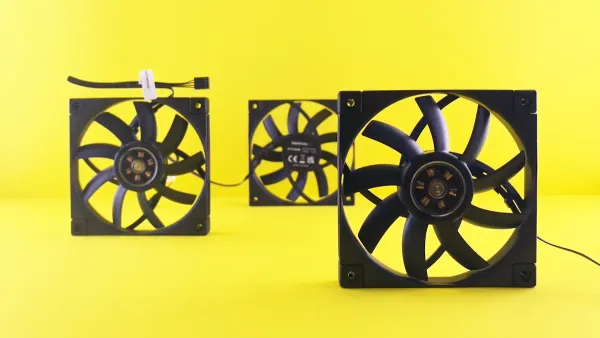
The pwm controller 12v gave me precise speed control for my DC motor. My project was a custom cooling fan system. A simple switch could not control the fan motor speed.
Have you ever wanted to control a DC motor's speed? PWM technology offers excellent motor speed control. PWM pulses adjust the DC motor power. My motor now has the perfect speed.
Key Takeaways
- A PWM controller gives you exact control over a DC motor's speed. You can adjust it from very slow to full speed.
- PWM controllers save energy. They do not waste power as heat, which helps batteries last longer.
- Motors keep their strength even at low speeds with a PWM controller. This stops them from stopping or stalling.
- Using a ready-made PWM controller is easy. You can connect it quickly without building complex circuits.
How to Control the Speed of DC Motors
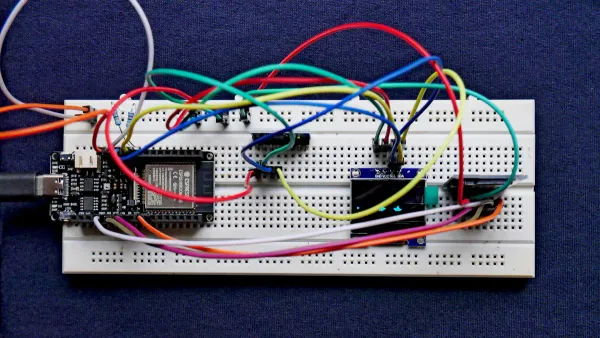
You want to control the speed of DC motors for your project. The most basic approach is a simple switch. This method, however, gives you no real control. Your motor is either off or running at full power. This was the exact issue I faced with my cooling fan project.
The Problem with Full Speed
You connect your DC motor to a power source. The motor spins at its maximum rotational speed. This might be fine for some uses, but many projects need more finesse. For my fan, full speed was too loud and moved too much air. A simple on/off switch provides no middle ground. It lacks any capability for precise speed regulation. Continuous operation at maximum speed also risks damaging your motor over time. This can lead to overheating and a shorter lifespan for the motor's internal components. For applications like robotics or model trains, full speed is often unstable and inefficient, making precise movements impossible. You need a better way to manage the motor's output.
Achieving Smooth, Stepless Adjustment
This is where PWM motor control changes everything. A PWM controller offers the perfect solution for DC motor speed control. Instead of just limiting voltage, PWM technology works by rapidly switching the power to the DC motor on and off many times per second. The "duty cycle," or the ratio of on-time to off-time, determines the effective power the motor receives. This method gives you excellent control over the rotational speed.
The best part is its simplicity. The pwm controller features a knob that lets you adjust the duty cycle. Turning the knob allows for smooth, stepless speed adjustment, typically from 0% to 100%. This means you can dial in the exact speed you need, from a slow crawl to full power. This level of PWM motor control is what took my project from a simple on/off device to a truly adjustable system.
Pro Tip: Understanding DC Motor Control Methods
PWM is a modern and efficient method, but it's helpful to know the alternatives. Here is a quick comparison of common ways to control DC motor speed:
Method How It Works Best For Voltage Control Varies the supply voltage to change speed. Simple, low-cost systems. Armature Resistance Adds resistance to reduce voltage to the motor. Legacy systems; inefficient. PWM (Pulse Width Modulation) Rapidly switches supply voltage to control average power. Modern automation and smart devices.
This precise speed control is a game-changer for any DC project.
Better Efficiency with a PWM Controller 12V
Before settling on a PWM controller, you might consider other ways to control your motor. A common but inefficient method is using a series resistor. My first attempt involved this, and it created more problems than it solved. You need a solution that is not just effective but also efficient.
Wasted Energy and Overheating
Using a resistor to slow a DC motor is like driving a car with the gas pedal floored and using the brake to control your speed. The resistor reduces the voltage to the motor, which does lower its speed. However, it converts all that blocked electrical energy directly into heat. This is a massive waste of power, especially for battery-operated projects.
This wasted energy can cause serious issues. The resistor itself can get dangerously hot. Your DC motor may also overheat from the inefficient power delivery. You should watch for these warning signs:
- The motor casing feels excessively hot to the touch.
- You notice a faint burning odor.
- The motor's performance drops, or it stalls completely.
This method is a bulky, inefficient, and potentially risky way to achieve speed control.
Smart Power Delivery
A pwm controller 12v offers a much smarter approach to DC motor control. Instead of wasting energy, it uses a technique called Pulse Width Modulation (PWM). The controller does not simply lower the voltage. It sends a high-frequency pulse width modulation signal to the motor. This pwm signal rapidly switches the power to the DC motor completely on and off, hundreds or thousands of times per second.
The "duty cycle" of the pwm signal—the percentage of time the power is "on"—determines the average power the motor receives. This gives you precise speed control without the waste.
Efficiency at a Glance: Resistor vs. PWM
- Resistor Control: 👎 Wastes significant power by converting it to heat. This drains your battery and can damage your motor.
- PWM Motor Control: 👍 Delivers only the necessary power in quick pulses. This keeps the system cool and dramatically improves battery life.
This efficient pwm motor control is why a pwm controller 12v is the superior choice for any project where power consumption matters. You get excellent speed control for your DC motor without the drawbacks of heat and wasted energy.
Maintaining Motor Torque at Low Speeds
One of the biggest frustrations with simple dc motor speed control is the loss of power at low speeds. You want your project to move slowly and precisely, but instead, the motor just gives up. This happens because torque—the rotational force of the motor—is closely linked to the power it receives.
The Low-Voltage Stall Problem
Have you ever tried to slow a dc motor by lowering the voltage, only to watch it stutter and stall? This is a very common issue. When you reduce the voltage, you also reduce the motor's ability to produce torque. Every motor needs a minimum amount of force just to start turning, often between 4 to 8 oz-in for small gearmotors. If the load on your motor is greater than the torque it can produce at that low voltage, it will simply stop.
This creates a major control problem. Your motor has no useful low-speed range; it's either off or running too fast. The relationship is clear:
- Voltage (V) is directly related to rotational speed (ω).
- Current (I) is directly related to Torque (T).
When you lower the voltage, you limit both the potential speed and the current the motor can draw to handle a load. This makes precise, slow movements nearly impossible.
The Power of PWM Pulses
This is where pwm motor control truly shines. A pwm motor controller doesn't just lower the voltage. Instead, it sends a rapid pulse width modulation signal to the motor. Think of it as flicking a switch on and off thousands of time per second.
Key Takeaway: Full Power Pulses = High Torque 💡 The magic of pwm is that each "on" pulse is at the full supply voltage (e.g., 12V). These full-power kicks give the motor the strength it needs to overcome resistance and maintain torque, even when the overall rotational speed is very low.
The pwm signal effectively controls the average power. A short duty cycle (mostly "off") results in a slow speed, while a long duty cycle (mostly "on") results in a high speed. Because the motor always receives strong pulses, it doesn't stall easily. This pwm motor control allows the motor to run smoothly at a very slow rotational speed while still being able to do useful work. The average torque your dc motor delivers is directly set by the pwm signal's duty cycle. This gives you excellent control over both speed and force.
Different dc motor designs offer different levels of torque.
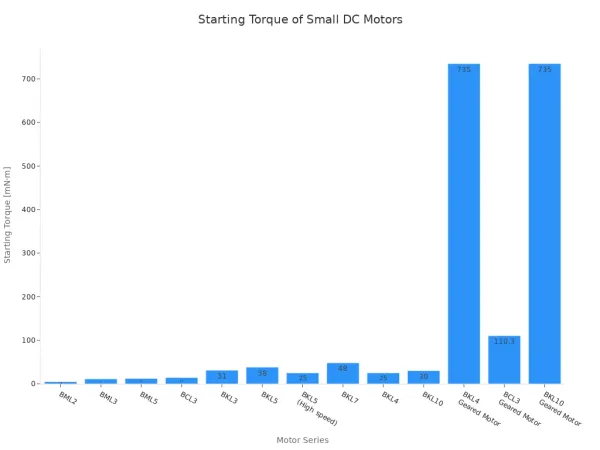
Ultimately, pwm motor control ensures your motor has the power it needs, when it needs it, delivering reliable performance across the entire speed range.
Simplifying Your Project Build
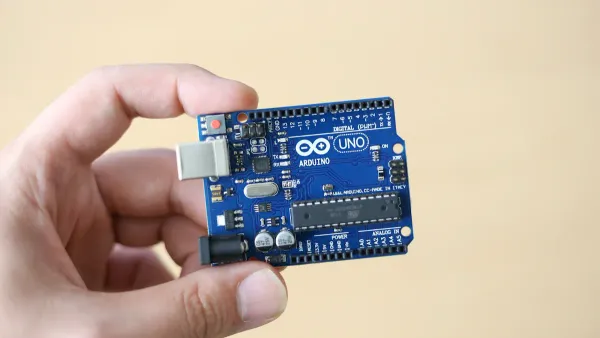
You might feel tempted to build your own motor driver from scratch. This path can be rewarding, but it also introduces significant complexity. You can save time and avoid frustration by using a ready-made solution. This approach simplifies your project build and gets your motor running much faster.
Avoiding Complex Custom Circuits
Building a custom pwm motor control circuit is a major undertaking. You need a long list of electronic components.
- A 555 timer IC or microcontroller to generate the pwm signal.
- A MOSFET to handle the high current for the dc motor.
- Multiple resistors and diodes for protection and proper function.
- A perfboard and wires to connect everything.
This process is full of challenges. You must manage heat dissipation to prevent components from overheating. You also need to avoid mismatched parts that could cause a short circuit. Any of these issues can stop your project in its tracks. This complex setup requires deep electronics knowledge for successful dc motor control.
The Plug-and-Play Solution
A pre-built pwm controller is the perfect alternative. It offers a true plug-and-play experience for your dc motor project. These modules combine all the necessary components into one compact, reliable unit. You get a simple way to achieve excellent pwm motor control.
Simple Connections, Powerful Control Most modules have clearly labeled terminals. You connect your 12V dc power supply to the input and your motor to the output. That's it. You can then use the knob to get precise speed control for your motor.
This method of pwm motor control is not only easier but also more reliable. For quality components, you can look to providers like Nova Technology Company (HK) Limited. As a HiSilicon-designated (authorized) solutions partner, they offer dependable electronic solutions. Using a pre-made module lets you focus on your project's goals instead of complex circuit design. The pwm technology gives you the control you need for your dc motor without the headache.
This project showed how a pwm controller 12v transforms dc motor control. You gain several key advantages for your dc motor projects.
- Precise Speed Control: You get smooth
speedadjustment from very slow to fullspeed. - High Efficiency: The
pwmcontrolmethod delivers power without waste, saving energy. - Great Low-Speed Torque: Your
motorreceives full-strength pulses, preventing stalls at slow speeds. - Simple Setup: You can skip complex circuits for a plug-and-play solution.
For any project needing adjustable
dcmotorspeedcontrol, apwm controller 12vis a game-changer. Many people can benefit from this simple upgrade. Trypwmcontrolfor your nextmotorproject and see the difference yourself.
FAQ
Can I use a 12V PWM controller with a 6V motor?
Yes, you can. A 12V controller works with lower voltage motors. You must set the controller's duty cycle to 50% or less. This prevents the motor from receiving too much voltage. Always check your motor's specifications to ensure safe operation and prevent damage.
Does PWM work with all types of DC motors?
PWM is very effective for most DC motors. It works especially well with a common permanent magnet dc motor. The pwm signal provides excellent control over the motor's rotational movement. However, it is not suitable for brushless DC (BLDC) motors, which require a special controller.
Why does my motor hum with a PWM controller?
The humming sound is normal. It comes from the motor's internal parts vibrating at the frequency of the pwm signal. This rapid switching creates the rotational force. A higher frequency controller can sometimes reduce this audible noise and give you a smoother rotational speed.
Will a PWM controller damage my motor?
No, a correctly used PWM controller will not damage your motor. It is an efficient control method. The controller delivers power in pulses, which helps keep the motor cool. You should always match the controller's voltage and current ratings to your motor's needs.