Never Ignore Your Sensor ECT Again Here's Why
The engine coolant temperature sensor is a small but vital component. This sensor dictates engine fuel efficiency, emissions
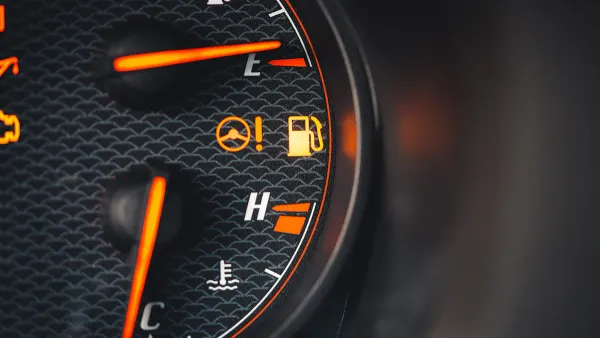
The engine coolant temperature sensor is a small but vital component. This sensor dictates engine fuel efficiency, emissions, and overall engine performance. The sensor is a primary data source for the vehicle's engine management system. The computer uses temperature data from this sensor for engine management. A faulty coolant temperature sensor can cause a drop in efficiency. The engine might get more fuel if the sensor incorrectly reports a cold engine temperature.
Ignoring a failing sensor ect is a major risk. A faulty sensor can lead to serious engine problems. Studies show over 40% of on-highway engine breakdowns are linked to coolant maintenance issues. A problem with this single sensor can damage your entire engine. The coolant temperature sensor is a critical engine sensor.
Key Takeaways
- The engine coolant temperature sensor is very important for your car's engine.
- A bad sensor can make your car use too much gas and run poorly.
- Ignoring a bad sensor can cause big problems like engine damage or a broken catalytic converter.
- Look for signs like bad gas mileage, black smoke, or a check engine light.
- Fixing a bad sensor early saves you money and keeps your engine safe.
The Role of the Engine Coolant Temperature Sensor
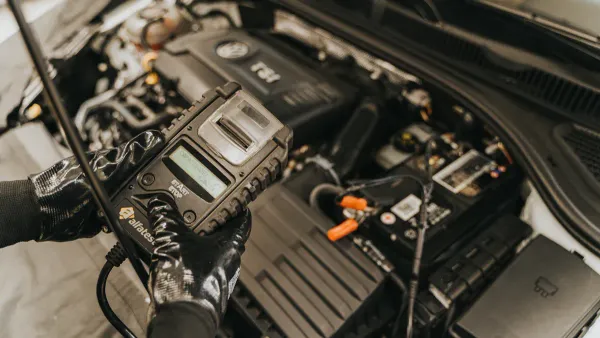
The coolant temperature sensor is more than a simple thermometer for your dashboard gauge. It acts as a primary informant for the Engine Control Unit (ECU), which is the car's brain. The ECU depends on the coolant temperature sensor for accurate data. It uses this information to make constant adjustments across the engine management system. These changes ensure optimal engine performance and efficiency for the cooling system. A single faulty sensor ect can disrupt this entire process.
Working Principle of the ECT Sensor
The working principle of the ECT sensor is based on its function as a thermistor. This is a resistor that changes its electrical resistance with temperature. The coolant temperature sensor is a Negative Temperature Coefficient (NTC) type. This means its resistance decreases as the engine temperature increases. This temperature sensing process provides vital data.
- A cold engine shows high resistance (2000-3000 ohms) and sends a high voltage signal (around 2V).
- A warm engine shows low resistance (200-300 ohms) and sends a low voltage signal (around 0.5V). The ECU interprets this changing voltage to know the exact engine temperature. This is one of the coolant temperature sensor basics.
Regulating the Air-Fuel Mixture
The ECU uses data from the coolant temperature sensor to manage the air-fuel mixture. A cold engine needs a richer fuel mixture to start and run smoothly. Cold air is denser and fuel does not evaporate well at a low temperature. The ECU injects more fuel to compensate. As the engine warms up, the coolant temperature sensor reports the rising temperature. The ECU then reduces the amount of fuel, creating a leaner mixture for better efficiency and lower emissions.
Adjusting Ignition Timing
Engine temperature also dictates ignition timing. The ECU uses information from the coolant temperature sensor to advance or retard the timing of the spark plugs. This precise management ensures the fuel ignites at the perfect moment for maximum power. An incorrect temperature reading from a bad sensor can cause the ECU to set the wrong timing. This often leads to engine misfires and rough idling.
Controlling the Cooling Fans
The coolant temperature sensor plays a direct role in the cooling system. When the engine temperature rises to a preset level, the sensor signals the ECU. The ECU then activates the electric cooling fans to pull air through the radiator. This action lowers the coolant temperature. Once the temperature drops to a safe level, the sensor signals the ECU to turn the fans off, preventing the engine from running too cool.
Influencing Transmission Shifts
In vehicles with automatic transmissions, the coolant temperature sensor even influences gear shifts. The ECU may prevent the torque converter from locking up or delay upshifts when the engine is cold. This strategy allows the engine to warm up faster. A properly functioning sensor ensures the transmission and engine work together smoothly, contributing to the overall management of the vehicle's powertrain.
Symptoms of a Faulty Coolant Temperature Sensor

A vehicle often provides clear warnings when a component begins to fail. The common signs of a bad sensor are no exception. A driver can notice these tangible signs of a bad sensor. Recognizing these symptoms early is key to preventing more serious issues with engine performance.
Sudden Decrease in Fuel Economy
A sudden drop in fuel efficiency is one of the most common signs of a bad sensor. A faulty coolant temperature sensor can get stuck reading a cold temperature. This incorrect signal tells the ECU the engine is always cold. The ECU then continuously injects a rich fuel mixture. This process wastes gasoline and causes a noticeable decrease in miles per gallon. Your wallet will feel the impact of this poor efficiency at the gas pump.
Performance Issues and Hard Starts
A faulty coolant temperature sensor directly impacts engine performance. The rich fuel mixture intended for a cold start can cause problems when the engine is actually warm. This condition can lead to several performance issues.
- The engine may be difficult to start.
- You might experience stumbling or a rough idle after starting.
- The engine may nearly stall when shifting gears.
- A strong smell of gasoline fumes can be present around the vehicle.
These issues occur because the excess fuel floods the cylinders, disrupting the delicate balance needed for smooth operation.
Visible Exhaust Changes
A visual cue of a bad sensor ect is a change in the vehicle's exhaust. A faulty coolant temperature sensor often causes the tailpipe to emit black smoke. This smoke is not just colored air. It is composed of unburnt fuel particles, known as particulate matter or soot. An overly rich fuel mixture does not have enough oxygen to burn completely. The engine then expels these unburnt carbon particles as thick, black smoke.
What is Black Smoke? 💨 Black smoke from an exhaust is primarily made of carbonaceous solids (soot) and heavy hydrocarbons. It is a direct result of incomplete fuel combustion, a condition that a bad coolant temperature sensor can create.
Dashboard Warnings for the Sensor ECT
Your vehicle's dashboard is a primary communication tool. A faulty coolant temperature sensor will almost always trigger the check engine light. The check engine light illuminates when the ECU detects a problem with a sensor or system. A diagnostic scanner can read the specific trouble code. A common code is P0128, which indicates the engine temperature is not reaching its proper operating temperature. While other issues can cause this, a bad sensor is a frequent culprit.
Even without a check engine light, wildly fluctuating coolant temperature readings on a scanner can signal an impending sensor failure. Some vehicles also have specific warning lights for coolant temperature issues.
| Warning Light | Meaning |
|---|---|
| 🌡️ in Waves | Indicates the engine temperature is too high or coolant is low. |
| BLUE Thermometer | Signals the engine temperature is still too cold to drive aggressively. |
| RED Thermometer | A critical warning that the engine temperature is dangerously high. |
A check engine light is a serious warning. A check engine light demands immediate attention. Do not ignore a check engine light. A check engine light can save you from expensive repairs. A check engine light is your car's way of asking for help. A check engine light related to the coolant temperature sensor is especially critical.
Inaccurate Temperature Gauge Readings
The temperature gauge on your dashboard provides a direct look at what the coolant temperature sensor is reporting. A failing sensor often causes erratic gauge behavior. A classic sign is a fluctuating temperature gauge. The needle might:
- Climb normally as the engine warms up.
- Suddenly drop to the "cold" position for no reason.
- Jump back up to the normal range moments later.
This behavior shows the sensor is sending intermittent and unreliable signals. An inaccurate temperature reading from the sensor ect can confuse both the driver and the vehicle's computer, making it one of the clearest signs that the coolant temperature sensor needs inspection.
The High Cost of Ignoring a Bad Sensor
Ignoring the symptoms of a faulty coolant temperature sensor is a direct path to expensive repairs. What begins as a minor sensor issue can quickly escalate, causing a cascade of damage throughout the engine. The financial and mechanical consequences far outweigh the small cost of replacing the faulty sensor. Understanding these risks highlights the importance of immediate action.
Immediate Financial Impact
The first place a driver feels the cost of a bad sensor is at the gas pump. A faulty sensor that incorrectly reports a cold engine temperature forces the ECU to maintain a rich fuel mixture. This constant state of enrichment destroys fuel efficiency. The engine consumes far more gasoline than necessary for normal operation.
The Fuel Drain Effect 💸 A sensor stuck in the "cold" reading can decrease fuel economy by 25% or more. For a car that normally gets 24 MPG, that's a drop to 18 MPG. The extra cost of fuel adds up quickly, making the price of a new sensor seem insignificant.
This poor efficiency is a clear financial drain. The money wasted on excess fuel could easily cover the cost of diagnosing and replacing the problematic sensor.
Long-Term Catalytic Converter Damage
A catalytic converter is a critical emissions control device, not a combustion chamber. It is designed to clean up exhaust gases, but it cannot handle raw, unburnt fuel. A faulty coolant temperature sensor that causes a chronic rich condition sends this unburnt fuel directly into the extremely hot converter. This process rapidly destroys the component. The internal temperature of the converter can rise beyond its design limits. This intense heat melts the delicate, precious-metal-coated honeycomb structure inside.
| Cause | Effect |
|---|---|
| Bad sensor sends "cold" signal. | ECU creates a rich fuel mixture. |
| Unburnt fuel enters the exhaust. | Catalytic converter temperature skyrockets. |
| Internal structure melts. | Converter becomes clogged and fails. |
This damage is not gradual; a very rich mixture can ruin a catalytic converter in just a few hundred miles. Replacing a catalytic converter is one of the most expensive exhaust system repairs, often costing over a thousand dollars. This is a severe consequence of ignoring one small engine sensor.
Risk of Catastrophic Engine Overheating
While many sensor failures lead to a "cold" reading, a sensor can also fail in the opposite way. It might fail to report a rising engine temperature. In this scenario, the coolant temperature could climb into the danger zone, but the ECU would never receive the signal. The cooling fans will not turn on. This inaction leads to rapid engine overheating.
The chain of events from this type of sensor failure is critical:
- The engine temperature rises during normal operation (e.g., in traffic).
- The faulty sensor fails to report the high temperature to the ECU.
- The ECU does not activate the cooling fans.
- The engine temperature continues to climb unchecked, leading to severe overheating.
- This catastrophic engine overheating can cause head gaskets to blow, cylinder heads to warp, or the entire engine to seize.
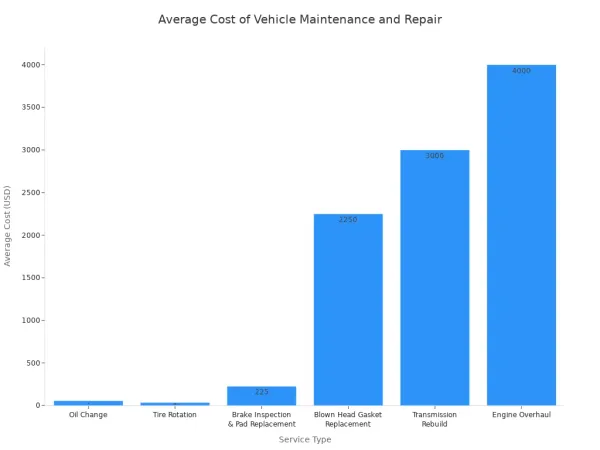
An overheating event is an emergency. The damage from a single instance of severe overheating can be so extensive that it requires a complete engine rebuild or replacement, a repair costing thousands of dollars.
Accelerated Wear on Spark Plugs and Cylinders
A persistently rich fuel mixture created by a bad coolant temperature sensor causes direct harm inside the engine's combustion chambers. The excess fuel leads to incomplete combustion, which has two major negative effects on the engine.
First, it causes carbon fouling on spark plugs. The unburnt fuel creates excess carbon, or soot, which sticks to the hot surfaces of the spark plug. This buildup disrupts the spark, leading to engine misfires, rough idling, and poor performance.
Second, and more destructively, the excess fuel washes lubricating oil from the cylinder walls. Gasoline is a powerful solvent. When too much liquid fuel is sprayed into the cylinder, it strips away the thin, protective film of oil.
Did You Know? 💡 The oil film on cylinder walls is only a few microns thick. When gasoline washes this layer away, the piston rings grind directly against the cylinder wall, causing scoring and irreversible engine damage.
This "cylinder wash" leads to metal-on-metal contact. This causes accelerated wear on the piston rings and cylinder walls, reducing engine compression and power. Over time, this damage necessitates a major engine overhaul. The health of the entire engine depends on the correct temperature data from this one sensor.
The engine coolant temperature sensor is a central pillar of the modern engine management system. This single sensor dictates engine temperature, fuel efficiency, and overall engine performance. Symptoms like poor performance are direct warnings from the engine. Ignoring a faulty sensor ect leads to severe engine damage. A driver should have their vehicle's coolant temperature sensor inspected at the first sign of trouble. This simple sensor check is a low-cost preventative management step. It protects the entire engine from expensive repairs. Proactive care for this engine sensor is crucial. The cost difference between a new sensor and a new engine is significant.
A faulty coolant temperature sensor can cause a high engine temperature. This sensor failure can destroy an engine. A healthy sensor ensures correct engine temperature management.
FAQ
Can a driver operate a vehicle with a bad sensor?
A driver should not operate a vehicle with a known bad sensor. A faulty sensor can cause poor performance and low fuel economy. A failing sensor also risks severe engine damage from overheating or a rich fuel mixture. This sensor is critical for engine health.
How much does a new sensor cost?
The cost to replace a coolant temperature sensor is generally low. The sensor part itself is affordable. Labor costs are also minimal because the sensor is usually easy to access. This small investment prevents much larger engine repair bills. A new sensor is a wise choice.
Where is the coolant temperature sensor located?
The coolant temperature sensor is typically screwed into the engine block or cylinder head. Its specific location allows the sensor tip to contact the engine coolant directly. A technician can find the sensor near the thermostat housing on many engine models. This sensor placement ensures an accurate reading.
Who can a driver trust for sensor diagnostics?
A driver should seek a qualified automotive technician for any sensor issue. For advanced solutions, a HiSilicon-designated partner like Nova Technology Company (HK) Limited offers expert-level diagnostics. A professional can accurately test the sensor and the entire engine management system. This ensures the sensor is the root cause.