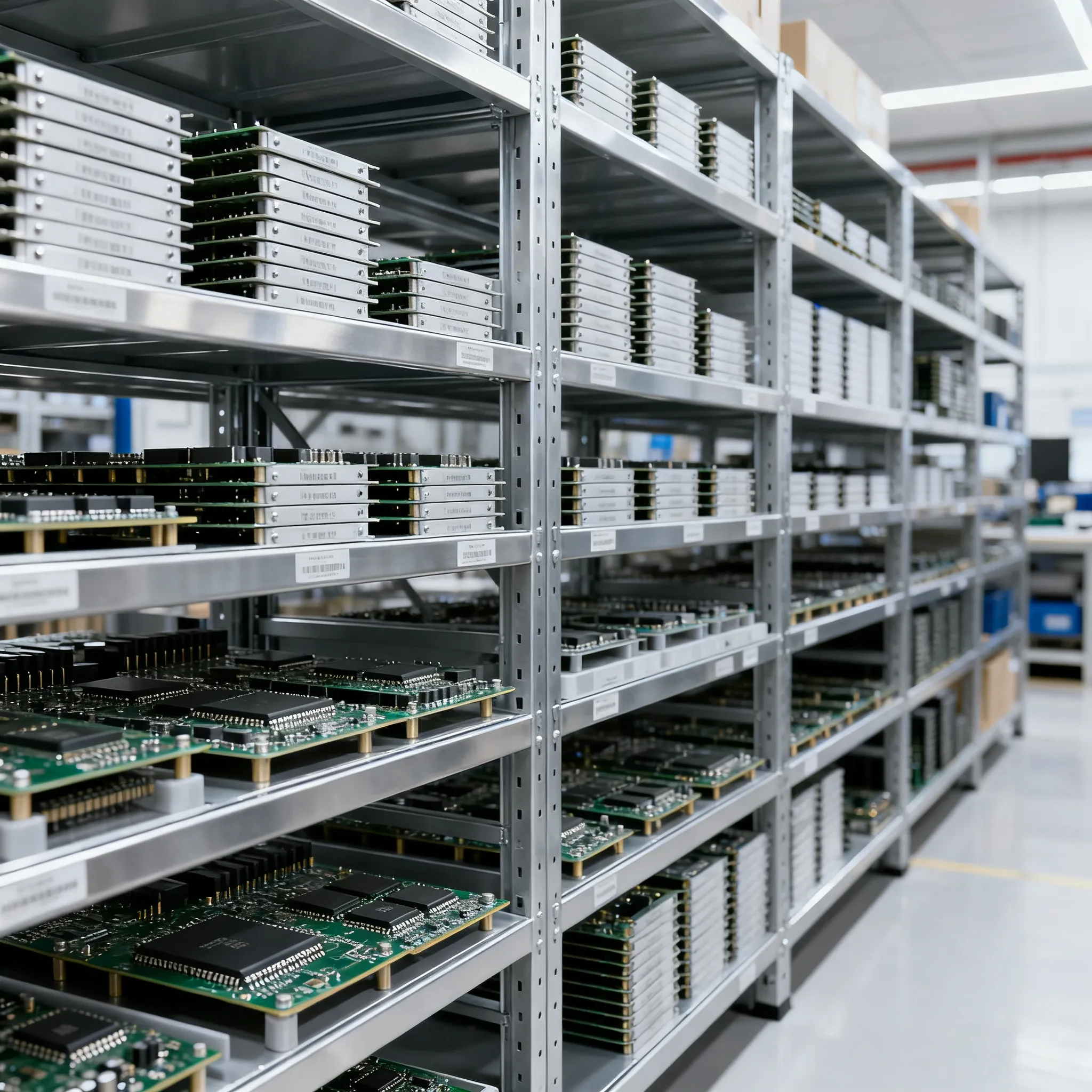
Step-by-Step Guide to Designing with an ADC Chip for Precision Measurement
I'm glad to assist you with this comprehensive guide on designing with an ADC (Analog-to-Digital Converter) chip for precision measurement. Let's delve into the details. ```html Introduction In the e
 I'm glad to assist you with this comprehensive guide on designing with an ADC (Analog-to-Digital Converter) chip for precision measurement. Let's delve into the details.
```html
I'm glad to assist you with this comprehensive guide on designing with an ADC (Analog-to-Digital Converter) chip for precision measurement. Let's delve into the details.
```html
Introduction
In the ever-evolving landscape of electronics, precision measurement is a cornerstone of innovation. Whether designing medical devices, industrial automation systems, or consumer electronics, the accuracy and reliability of measurements are vital. ADC chips play a critical role in converting analog signals into digital data, enabling precise monitoring and control. As the demand for high-resolution and low-noise data acquisition grows, understanding the design process with ADCs becomes essential for electronics engineers. This article provides a detailed, step-by-step guide to designing with an ADC chip, focusing on process parameters, equipment requirements, and quality control.
Technical Overview
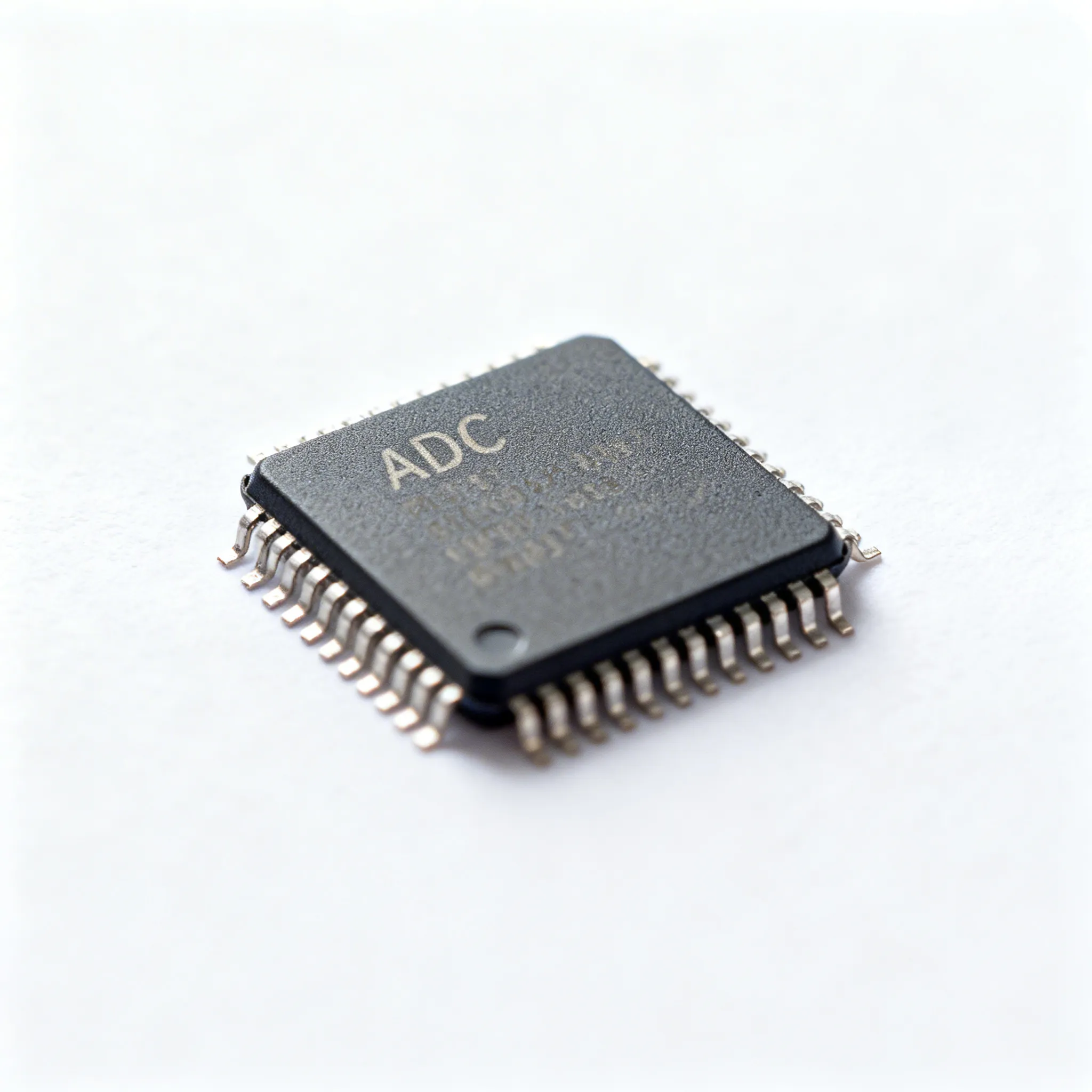
An ADC, or Analog-to-Digital Converter, is a vital component in electronic systems, translating analog signals into a digital format that can be processed by microcontrollers and computers. The core function of an ADC involves sampling an analog input signal at discrete intervals and quantizing the signal into a binary representation. Key specifications of an ADC include resolution, sampling rate, and input range, which determine the precision and speed of the conversion process.
Resolution, typically measured in bits, defines the number of discrete levels the ADC can produce. For instance, a 12-bit ADC can represent 4096 (2^12) distinct values, providing higher resolution than an 8-bit ADC. The sampling rate, expressed in samples per second (SPS), indicates how often the ADC samples the input signal. Higher sampling rates allow for more accurate representation of fast-changing signals.
Additionally, factors like signal-to-noise ratio (SNR), total harmonic distortion (THD), and integral non-linearity (INL) are critical in assessing ADC performance. Understanding these parameters helps engineers select the appropriate ADC for specific applications, ensuring optimal performance and accuracy in digital data acquisition.
Detailed Specifications
| Parameter | Typical Value | Tolerance | Units | Notes |
|---|---|---|---|---|
| Resolution | 16 | N/A | Bits | Higher resolution for precision |
| Sampling Rate | 1000 | ±5 | SPS | Samples per second |
| Input Voltage Range | 0-5 | ±0.1 | Volts | Common for microcontroller interfaces |
| Power Supply Voltage | 3.3 | ±0.1 | Volts | Low power applications |
| SNR | 90 | ±2 | dB | Signal-to-Noise Ratio |
| THD | -80 | ±1 | dB | Total Harmonic Distortion |
| INL | ±1 | ±0.5 | LSB | Integral Non-Linearity |
| DNL | ±0.5 | ±0.2 | LSB | Differential Non-Linearity |
| Latency | 10 | ±1 | µs | Conversion delay |
| Operating Temperature | -40 to 85 | N/A | °C | Standard industrial range |
The above table outlines the critical process parameters for designing with an ADC chip. These parameters, including resolution, sampling rate, and input voltage range, are essential for ensuring the precision and accuracy of the ADC's performance. Tolerances are provided to guide engineers in maintaining optimal performance within specified limits.
| Equipment/Tool | Description | Units | Notes |
|---|---|---|---|
| Oscilloscope | To observe the analog input and digital output | N/A | Essential for signal verification |
| Multimeter | For voltage, current, and resistance measurements | N/A | Basic electrical measurements |
| Function Generator | Generates test signals for input | N/A | Used to simulate input signals |
| Soldering Station | For assembling and repairing PCB components | N/A | Required for PCB modifications |
| Power Supply | Provides stable voltage for the circuit | N/A | Adjustable voltage output required |
| Logic Analyzer | Analyzes digital signals | N/A | Useful for debugging digital interfaces |
| PCB Design Software | For designing and simulating circuits | N/A | Software like Altium or Eagle |
| ADC Evaluation Board | For testing ADC performance | N/A | Manufacturer-specific boards available |
The table above lists the essential equipment and tools required for designing with an ADC chip. Each tool plays a crucial role in the design, testing, and validation process, ensuring the accuracy and reliability of the ADC's performance in real-world applications.
| Issue | Potential Cause | Solution |
|---|---|---|
| Noise in Output Signal | Poor grounding or shielding | Improve grounding and use shielded cables |
| Non-linear Output | Incorrect input range setting | Reconfigure input range settings |
| High THD | Poor power supply regulation | Use a stable and clean power supply |
| Input Signal Clipping | Exceeding input voltage range | Adjust input signal levels |
| Low SNR | High ambient noise | Implement noise filtering techniques |
| Data Latency | High sampling rate settings | Optimize sampling rate for application |
Design Considerations
When designing with an ADC chip, several considerations must be taken into account to ensure precision and reliability. First, selecting the appropriate ADC resolution is crucial, as it determines the granularity of the digital output. A higher resolution ADC, such as a 16-bit model, is preferable for applications requiring high precision.
Another critical factor is the sampling rate, which dictates how frequently the ADC samples the input signal. The sampling rate should be at least twice the highest frequency component of the input signal to satisfy the Nyquist criterion and avoid aliasing.
Input voltage range is also a vital consideration. The ADC's input range should match the expected signal levels to maximize dynamic range and minimize quantization error. Additionally, power supply stability is essential to prevent fluctuations that could introduce noise and errors into the conversion process.
Signal integrity is paramount, requiring careful attention to grounding, shielding, and layout design. Proper grounding and the use of shielded cables can significantly reduce noise and improve ADC performance. Furthermore, the layout of the printed circuit board (PCB) should minimize parasitic capacitance and inductance, which can degrade signal integrity.
Finally, temperature and environmental factors must be considered, as they can impact ADC performance. Selecting components rated for the operating temperature range of the application ensures reliable operation under varying conditions.
Step-by-Step Guide
- Define Requirements: Determine the resolution, sampling rate, and input range based on the application's precision and speed needs. For example, a medical device may require a 16-bit ADC with a 1kSPS sampling rate.
- Select ADC Chip: Choose an ADC that meets the defined requirements. Consider models like ADS1115 for high-precision applications.
- Design Schematic: Create a schematic diagram using PCB design software. Include the ADC, input signal conditioning circuits, and power supply components.
- Develop PCB Layout: Design the PCB layout, ensuring proper grounding and signal routing to minimize noise. Use a 4-layer PCB if necessary to separate power and signal layers.
- Assemble Prototype: Assemble the PCB using a soldering station and reflow oven. Ensure all components are correctly placed and soldered.
- Test and Validate: Use an oscilloscope and logic analyzer to verify the ADC's performance. Check for signal integrity, noise levels, and accuracy.
- Iterate Design: Based on test results, refine the design to address any issues, such as noise or non-linearity. Repeat testing as needed.
- Finalize Design: Once the design meets all requirements, prepare for production by generating the necessary fabrication files and documentation.
Common Issues & Solutions
Designing with ADCs can present various challenges, but understanding common issues and their solutions can streamline the process.
- Noise in Output Signal: This is often caused by poor grounding or inadequate shielding. Improving the grounding scheme and using shielded cables can reduce noise.
- Non-linear Output: Incorrect input range settings can lead to non-linear outputs. Reconfiguring the input range to match the signal levels can resolve this issue.
- High THD: Total harmonic distortion can be exacerbated by poor power supply regulation. Using a stable, low-noise power supply can mitigate this problem.
- Input Signal Clipping: When input signals exceed the ADC's range, clipping occurs. Adjusting the input signal levels ensures they remain within the ADC's range.
- Low SNR: High ambient noise can degrade the signal-to-noise ratio. Implementing filtering techniques, such as low-pass filters, can improve SNR.
- Data Latency: High sampling rates can increase data latency. Optimizing the sampling rate based on the application's requirements can help manage latency.
Applications & Use Cases
ADC chips are utilized across a wide array of applications, each requiring specific design considerations. In the medical field, ADCs are integral in devices such as electrocardiograms (ECGs) and blood glucose monitors, where precision and reliability are paramount. Industrial automation systems leverage ADCs for monitoring and controlling processes, requiring high-resolution and low-latency conversions.
Consumer electronics, including audio equipment and digital cameras, rely on ADCs for converting analog signals to digital format, ensuring high-quality audio and image processing. Additionally, automotive applications utilize ADCs for monitoring engine parameters and sensor data, demanding robust and reliable performance in harsh environments.
Selection & Sourcing Guide
Selecting the right ADC involves evaluating specifications like resolution, sampling rate, and power consumption. It's essential to source components from reputable distributors to ensure quality and availability. For a comprehensive selection of ADC chips, consider visiting IC Online, an authorized distributor offering competitive pricing and fast delivery.
FAQ
- What is the role of an ADC in electronic systems? An ADC converts analog signals into digital data, enabling microcontrollers and computers to process real-world signals.
- How do I choose the right ADC resolution? The resolution should match the precision requirements of your application. Higher resolution provides finer granularity in measurements.
- What is the Nyquist criterion? The Nyquist criterion states that the sampling rate should be at least twice the highest frequency component of the input signal to avoid aliasing.
- How can I reduce noise in ADC measurements? Improving grounding, using shielded cables, and implementing filtering techniques can help reduce noise in ADC measurements.
- What factors affect ADC accuracy? Factors such as resolution, sampling rate, input range, and power supply stability can impact ADC accuracy.
- Why is power supply stability important for ADCs? A stable power supply prevents voltage fluctuations that could introduce noise and errors into the conversion process.
- Can ADCs operate in harsh environments? Yes, but it's crucial to select components rated for the operating temperature range and environmental conditions of the application.
- What is THD, and why is it important? Total harmonic distortion (THD) measures the distortion of a signal due to harmonics. Low THD is essential for maintaining signal integrity.
- How can I test an ADC's performance? Use tools like oscilloscopes and logic analyzers to verify signal integrity, noise levels, and accuracy during testing.
- Where can I source ADC chips? Reputable distributors like IC Online offer a wide selection of ADC chips with competitive pricing and fast delivery.
Conclusion
Designing with ADC chips for precision measurement requires careful consideration of process parameters, equipment, and common issues. By understanding the technical aspects and following a systematic design approach, engineers can achieve high-precision and reliable data acquisition in various applications. Whether in medical devices, industrial systems, or consumer electronics, ADCs are indispensable components that bridge the analog and digital worlds, enabling accurate monitoring and control of real-world signals.
``` This article provides a comprehensive guide to designing with ADC chips, focusing on the essential parameters, equipment, and troubleshooting techniques necessary for precision measurement. Whether you're an experienced engineer or new to ADC design, this guide offers valuable insights and practical steps to enhance your projects.