What Happens When a Purge Valve Fails
Is your car acting strange? A sudden check engine light can be worrying. Your engine might run rough. The car may
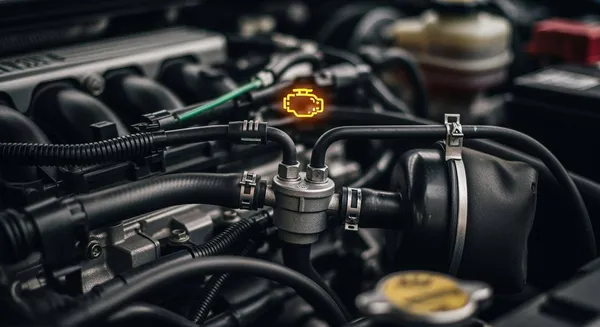
Is your
caracting strange? A suddencheck engine lightcan be worrying. Yourenginemight run rough. Thecarmay even struggle to start after you get gas. These confusingsignsoften point to one small part.
A bad purge valve is a common culprit for these issues. The purge system controls fuel vapors in your engine. A bad purge valve disrupts this purge process. You might wonder, what does a purge valve do? A failing purge valve creates problems for your car's engine. The check engine light is one of the first signs. This guide explains the signs of a bad purge valve. The purge valve controls a key engine function. A faulty purge valve is the reason for your check engine light and a poorly running car. This purge function is vital.
Key Takeaways
- A purge valve controls fuel vapors in your car's engine. It helps the engine run well and protects the environment.
- Watch for signs of a bad purge valve. These include a check engine light, rough idling, or trouble starting after getting gas.
- Ignoring a bad purge valve can cause bigger problems. It can damage your car's catalytic converter or make you fail emissions tests.
- You can often fix a bad purge valve easily. An OBD-II scanner can help find the problem, and repairs are usually not too expensive.
What Does a Purge Valve Do?
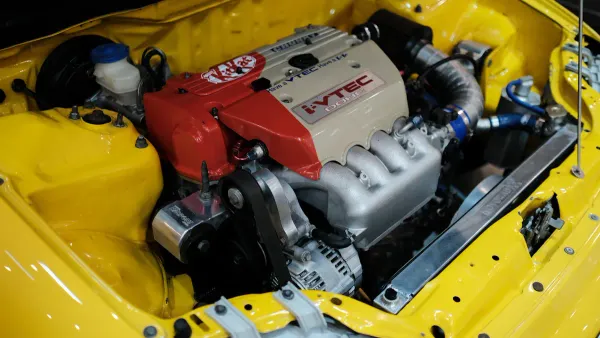
So, what does a purge valve do? Think of the purge valve, or canister purge valve, as a smart gatekeeper for your car's fuel system. It is a small electronic solenoid that is part of the evaporative emission control (EVAP) system. The Powertrain Control Module (PCM), your car's main computer, controls this important purge valve. Its primary job is to manage fuel vapors that naturally build up in your gas tank. This entire purge process is vital for your engine. Understanding what does a purge valve do helps you see why a failure causes problems.
Controlling Fuel Vapors
Your car's engine constantly deals with gasoline fumes. These vapors are stored in a charcoal canister to prevent them from escaping. The canister purge valve has a critical role here. When your engine is running under the right conditions, the PCM signals the canister purge valve to open. This purge valve operation allows engine vacuum to pull the trapped fuel vapors from the canister. The vapors are then drawn into the engine's intake manifold. From there, they are burned along with the regular air-fuel mixture. This is the main answer to "what does a purge valve do?". The purge valve ensures these vapors are used, not wasted.
Protecting the Environment
That canister purge valve does more than just manage vapors for the engine; it protects our air. Gasoline vapors contain hydrocarbons, which are harmful pollutants that contribute to smog. The evaporative emission control system was designed to capture these emissions.
Fact: The purge valve is a key player in reducing your car's environmental impact. By redirecting fuel vapors back into the engine to be burned, the purge valve prevents these harmful emissions from being released into the atmosphere. A functioning purge system helps your car meet emission standards.
Aiding Engine Performance
Properly managing fuel vapors directly impacts engine performance and fuel efficiency. When the canister purge valve adds these vapors to the engine at the right time, your car is essentially recycling fuel. This contributes to better overall fuel efficiency. The controlled purge helps the engine maintain a precise air-to-fuel ratio. This balance is essential for the engine running smoothly. A good purge valve helps your car's performance. The answer to "what does a purge valve do?" involves engine health, emissions control, and performance. A faulty purge valve disrupts this entire system.
Common Signs of a Bad Purge Valve
Your car often provides clear warning signs when something is wrong. A bad purge valve is no exception. These common symptoms can help you identify a potential issue with your EVAP system. Recognizing these signs of a bad purge valve early can save you from more significant problems down the road. Let's explore the most frequent warning signs.
Check Engine Light is On
The most common indicator of a problem is the check engine light. Your car's main computer, the PCM, constantly monitors the EVAP system. If it detects that the purge valve is not opening or closing correctly, it will trigger a diagnostic trouble code (DTC). This action immediately illuminates the check engine light on your dashboard. This is one of the first signs of a bad purge valve you will likely notice. A faulty purge valve is a frequent reason for this specific warning.
Rough Idling and Stalling
A very noticeable symptom of a bad purge valve is a rough-running engine, especially at idle. This often happens when the canister purge valve is stuck open.
- A stuck-open purge valve creates a constant vacuum leak.
- It allows unmetered fuel vapors to enter the engine at all times.
- This disrupts the delicate air-fuel mixture the engine needs to run smoothly.
Your engine's computer tries to correct this imbalance, but the constant adjustments can cause the engine RPM to fluctuate, leading to a rough, shaky idle. In some cases, the engine may even stall when you come to a stop. A bad purge valve directly impacts your engine's stability. This is one of the most telling signs of a bad purge valve.
Difficulty Starting After Refueling
Does your car struggle to start right after you fill up the gas tank? This is a classic sign of a bad purge valve. When you refuel, a large volume of fuel vapors is forced into the charcoal canister. If the canister purge valve is stuck open, these vapors immediately flood into your engine's intake manifold. This makes the air-fuel mixture far too rich. The engine essentially "chokes" on the excess fuel vapor, making it very difficult to start until the vapors have cleared. This specific issue is one of the key signs of a bad purge valve.
Poor Fuel Economy
You might notice you are visiting the gas station more often. A bad purge valve can lead to poor fuel economy. The purge system is designed to recycle fuel vapors, contributing to your car's overall fuel efficiency. When the purge valve fails, this process is compromised.
A faulty purge valve, as a component of a failed EVAP system, can contribute to a noticeable drop in fuel efficiency. Studies show this impact can be quantified.
| Impact Category | Functioning EVAP System | Failed EVAP System |
|---|---|---|
| Fuel Economy Impact | No reduction | 2-5% loss |
This reduced fuel efficiency occurs because a stuck-open purge valve can disrupt the engine's fuel mixture, causing it to burn more gas than necessary. A stuck-closed purge valve prevents the car from using the stored fuel vapors, letting that potential energy go to waste. This is one of the more subtle signs, but it directly affects your wallet. The bad purge valve hurts your car's fuel efficiency.
Audible Clicking Noise
A functioning purge valve is an electronic solenoid, and it's normal to hear a faint, rhythmic clicking sound from the engine bay as it operates. However, changes in this sound can be one of the warning signs of a problem.
- No Clicking: If you never hear the purge valve click, it may be stuck closed or have failed electrically.
- Loud, Constant Clicking: An unusually loud or rapid clicking can indicate the purge valve is failing mechanically.
Listening to your car's engine can sometimes provide the first clue. If you notice a change in the normal sounds of your engine, it could be related to the canister purge valve. A bad purge valve can often be heard before it is felt. These are the primary common symptoms and signs to look for.
Risks of a Bad Purge Valve
Ignoring the signs of a bad purge valve can seem tempting, especially if the symptoms are minor at first. However, what starts as a small annoyance can lead to more significant and expensive problems for your car. A faulty purge valve poses several risks to your vehicle's health, your wallet, and the environment. Understanding these risks highlights the importance of a timely repair. The effects on engine health and overall car performance are notable.
Failing an Emissions Test
One of the most immediate consequences of a bad purge valve is a failed emissions test. The entire purpose of the EVAP system is to control harmful fuel vapor emissions. Your car's engine computer continuously monitors this system.
Important Note: If the computer detects a problem with the purge function, it triggers the check engine light. In most states and regions, an illuminated check engine light results in an automatic failed emissions test, preventing you from renewing your vehicle's registration.
A bad purge valve directly compromises your car's ability to meet environmental standards. This makes fixing the faulty purge valve essential for legal road use in many areas. The goal is to pass the emissions inspection, and a working purge system is key.
Damaging the Catalytic Converter
A faulty purge valve, specifically one that is stuck open, can cause severe damage to one of your car's most expensive emissions components: the catalytic converter. A stuck-open bad purge valve creates a rich fuel mixture by allowing unburned fuel vapors to constantly enter the engine. This excess fuel doesn't always burn completely in the engine. Instead, it gets dumped into the exhaust system.
This unburned fuel then enters the catalytic converter, causing it to overheat dramatically. This extreme heat can melt the precious metals inside the converter, fusing its internal honeycomb structure. This blockage restricts exhaust flow, chokes the engine, and destroys the converter's ability to reduce harmful emissions. Replacing a catalytic converter can cost thousands of dollars, a massive expense compared to the simple fix for a bad purge valve. This is a serious risk for your car.
Poor Drivability
Your car's performance can suffer greatly due to a bad purge valve. The engine relies on a precise air-to-fuel ratio for smooth operation. A bad purge valve disrupts this balance, leading to a range of frustrating drivability issues. This results in poor engine performance. The engine struggles to adapt to the inconsistent flow of fuel vapors from the broken purge system.
Common drivability problems include:
- Hesitation: Your car may hesitate or stumble during acceleration.
- Poor Acceleration: The engine feels weak, and the car's power generation deteriorates.
- Rough Idle: The engine may shake or run unevenly when stopped.
These issues make your car less reliable and less enjoyable to drive. The engine's performance is directly tied to the proper function of components like the purge valve.
Wasting Money on Gas 💸
A bad purge valve directly impacts your fuel budget, leading to poor fuel economy. The purge system is designed to improve efficiency by recycling fuel vapors that would otherwise go to waste. When this system fails, your fuel efficiency drops.
A stuck-open bad purge valve causes the engine to run rich, wasting gas. A stuck-closed bad purge valve prevents your car from using the captured fuel vapors, letting that potential energy escape.
This means you will be making more frequent trips to the gas station. Addressing the bad purge valve can often pay for itself over time through fuel savings. Ignoring the issue of poor fuel economy means you are consistently spending more money than necessary to operate your car. The engine simply cannot run efficiently with a broken purge component.
Diagnosing and Fixing a Faulty Purge Valve
You have identified the signs, but how can you be sure a bad purge valve is the problem? Diagnosing a faulty purge valve involves a few straightforward steps. The issue usually stems from the purge valve being stuck in one of two positions. A stuck-open canister purge valve creates a vacuum leak, causing a rough idle. A stuck-closed canister purge valve traps pressure, making your car hard to start after refueling. Pinpointing the problem with your car is the first step toward a solution. These diagnostic and repair steps will guide you.
Reading OBD-II Error Codes
When your check engine light comes on, your car's computer stores a Diagnostic Trouble Code (DTC). You can read this code using an OBD-II scanner. This is the most accurate way to begin diagnosing a bad purge valve. The scanner will point you toward the specific issue with the EVAP system. A problem with the purge function will often trigger specific codes.
Common EVAP System Codes: The codes below can indicate a problem with the purge valve or the surrounding system.
Code Description P0441 Evaporative Emission Control System Incorrect Purge Flow P0455 Evaporative Emission Control System Leak Detected (gross leak)
These codes confirm that the engine computer has detected a fault in the purge process, making the canister purge valve a primary suspect.
The Gas Cap Test
A simple, no-tool test can offer a clue. The next time you open your gas cap to refuel your car, listen carefully. If you hear a loud "whoosh" of air escaping, it indicates that pressure has built up in the fuel tank. This often happens when a bad purge valve is stuck closed and cannot release the fuel vapors into the engine. While not a definitive diagnosis, this simple check points toward a pressure problem within the purge system, suggesting a faulty purge valve. This is one of the easiest checks for your car.
DIY vs. Professional Repair
Once you suspect a bad purge valve, you must decide on the repair. For many car models, the canister purge valve is accessible in the engine bay, making the repair or replacement a manageable DIY task. If you are comfortable with basic auto repairs, you might handle it yourself. A DIY repair requires a few tools:
- A wrench or ratchet set
- A flashlight
- Safety glasses
- The new canister purge valve
However, if you are not confident or the purge valve is hard to reach, a professional repair is the best choice. Mechanics perform these repairs routinely.
Estimating Replacement Costs 💰
Fortunately, fixing a bad purge valve is one of the more affordable engine repairs. If you take your car to a professional, the labor for the replacement typically costs between $50 and $150. The total cost for the service, including the part and labor, generally falls between $180 and $320. This makes it a cost-effective repair that prevents more expensive damage to your car's engine and catalytic converter. Prompt repairs save you money in the long run.
Recognizing the signs of a bad purge valve is key. Your car will often show clear signs. A faulty purge valve needs attention. Here is a final checklist of signs for your car:
- An illuminated check engine light.
- A rough idle with RPMs that fluctuate.
- Difficulty starting after getting gas.
While these purge issues are annoying, a purge valve replacement is a simple fix. The purge repair is affordable. Ignoring the check engine light from a bad purge valve can cause damage. A bad purge valve can harm your car. Get the purge system checked promptly. Addressing the purge problem saves money and protects your engine from a bad purge valve. The check engine light is a serious warning.
FAQ
Can I drive with a bad purge valve?
You can drive short distances. However, a bad purge valve affects your engine. Ignoring the purge problem can lead to catalytic converter damage and failed emissions tests. A proper purge is essential for long-term engine health. The purge system needs to function correctly.
Does a bad purge valve always cause a check engine light?
Usually, yes. The car's computer monitors the purge function. A failed purge test will trigger the light. Sometimes, a minor purge issue might not immediately cause an alert. The purge system's failure is the main reason for the light. A complete purge cycle is monitored.
Is a purge valve the same as a purge solenoid?
Yes, the terms are used interchangeably. A canister purge valve is an electronic solenoid. Its job is to control the purge of fuel vapors from the charcoal canister into the engine. This entire purge process is managed by the solenoid component of the purge valve.
How often does a purge valve need replacement?
There is no set replacement schedule for a purge valve. This part can last the lifetime of the vehicle. It can also fail due to contamination or wear. A timely replacement ensures the purge system works correctly. A good purge function is important.