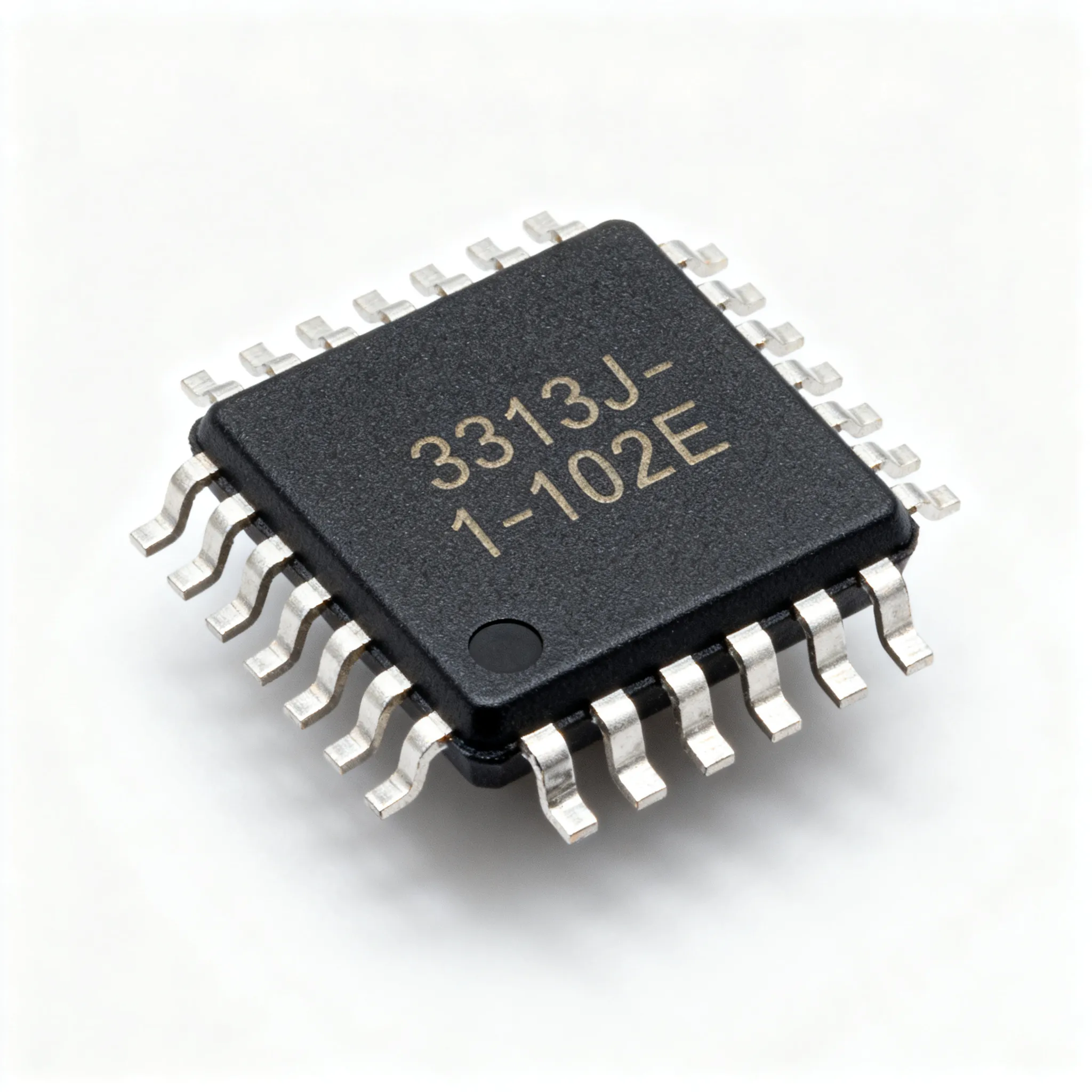
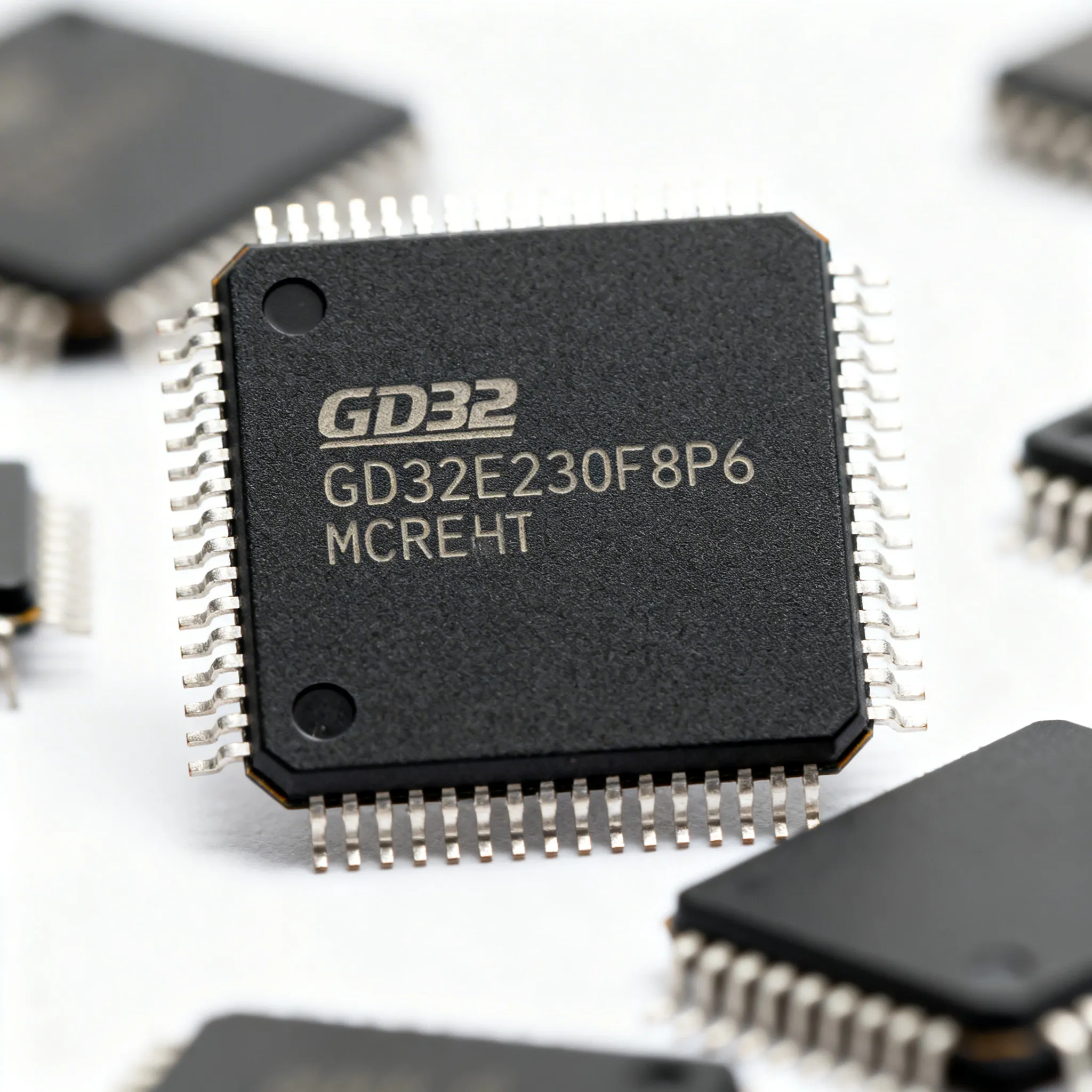
Cost-Effective Solutions with GD32E230F8P6: Maximizing Performance in Your Projects
Expert guide on Cost-Effective Solutions with GD32E230F8P6: Maximizing Performance in Your Projects. Technical specs, applications, sourcing tips for engineers and buyers.
Introduction
In today's fast-paced electronics industry, selecting a microcontroller that balances performance, cost, and efficiency is crucial for engineers and designers. The GD32E230F8P6 microcontroller stands out as a versatile option, offering robust features suitable for a variety of applications. With the global semiconductor market reaching $595.2 billion in 2026, as reported by the Semiconductor Industry Association, the demand for cost-effective and high-performance solutions is higher than ever. This article explores the technical parameters, design guidelines, and best practices to maximize the performance of the GD32E230F8P6 in your projects.
Technical Overview
The GD32E230F8P6 is part of the GD32E2 series, known for its energy-efficient design and powerful processing capabilities. Built on the ARM Cortex-M23 core, it operates at a frequency of up to 72 MHz, making it suitable for a wide range of applications from consumer electronics to industrial control systems. Its low power consumption and high-speed processing are complemented by advanced peripherals, including timers, ADCs, and communication interfaces like I2C, SPI, and USART.
The microcontroller is designed to offer a seamless integration experience with support for various development tools and libraries. Its rich set of features allows for flexible design implementations, enabling engineers to tailor their projects to specific needs without compromising on performance. Understanding the core principles of this microcontroller will provide a strong foundation for optimizing its use in diverse applications.
Detailed Specifications
| Parameter | Value | Units | Notes |
|---|---|---|---|
| Core | ARM Cortex-M23 | - | Efficient processing core for low power consumption |
| Operating Frequency | 72 | MHz | High-speed operation for demanding applications |
| Flash Memory | 64 | KB | Sufficient for complex firmware |
| SRAM | 8 | KB | For data storage and manipulation |
| GPIO Pins | 37 | Pins | For interfacing with external components |
| ADC Channels | 10 | Channels | 12-bit resolution for precise analog input |
| USART Interfaces | 2 | Interfaces | For serial communication |
| I2C Interfaces | 2 | Interfaces | For I2C communication |
| SPI Interfaces | 2 | Interfaces | For SPI communication |
| Power Supply | 2.6 - 3.6 | V | Wide range for flexible power management |
The above table highlights the key parameters of the GD32E230F8P6, showcasing its capabilities and technical specifications. With a balance of processing power, memory, and peripheral interfaces, this microcontroller is well-suited for a variety of applications. Its operating frequency of 72 MHz and support for multiple communication protocols make it a versatile choice for engineers looking to design efficient and cost-effective solutions.
Design Considerations
When designing with the GD32E230F8P6, several considerations can optimize performance and ensure reliability. First, understanding the power requirements and managing power consumption effectively is crucial, especially for battery-operated devices. Implementing sleep modes and optimizing clock settings can significantly reduce power usage.
Another critical aspect is memory management. With 64 KB of flash and 8 KB of SRAM, efficient use of memory resources is essential for handling complex applications. Utilizing external memory or optimizing code can help in scenarios where additional storage is required.
Peripheral configuration also plays a vital role. The availability of GPIO, ADC, and communication interfaces like USART, SPI, and I2C allows for diverse applications. Properly configuring these peripherals to match application requirements will enhance the overall system performance.
Finally, consider the environmental conditions and physical constraints of your project. The GD32E230F8P6 operates over a wide temperature range, making it suitable for harsh environments. Ensuring proper thermal management and protection against ESD (Electrostatic Discharge) will improve the longevity and reliability of your design.
Step-by-Step Guide
To effectively implement the GD32E230F8P6 in your projects, follow these step-by-step guidelines:
- Define Your Application Requirements: Identify the key features and performance criteria your project demands, including processing speed, memory usage, and peripheral interfaces.
- Select the Appropriate Development Tools: Utilize compatible development environments such as Keil MDK or IAR Embedded Workbench to streamline your programming and debugging process.
- Configure Power Management: Implement power-saving modes and optimize the clock settings to balance performance with energy efficiency.
- Optimize Memory Usage: Efficiently manage the 64 KB of flash and 8 KB of SRAM available, considering code size and data storage requirements.
- Configure Peripheral Interfaces: Set up GPIO, ADC, and communication interfaces according to your application needs, ensuring proper pin assignments and settings.
- Develop and Test Firmware: Write and test your code, focusing on functionality, performance, and reliability. Use debugging tools to address any issues.
- Prototype and Validate Design: Build a prototype to validate the design, ensuring all components work together seamlessly and meet the specified requirements.
- Deploy and Monitor: Once validated, deploy your design and monitor its performance in real-world conditions, making adjustments as necessary for optimization.
Common Issues & Solutions
When working with the GD32E230F8P6, you may encounter common issues that require troubleshooting. Here are some typical problems and their solutions:
- Power Consumption Too High: Ensure that all unused peripherals are disabled and implement sleep modes to reduce power usage.
- Memory Constraints: Optimize your code and consider using external memory if the built-in resources are insufficient.
- Communication Failures: Double-check your interface configurations and ensure that all connections are secure and correctly set up.
- Overheating: Implement adequate thermal management strategies, such as heat sinks or fans, to prevent overheating.
- ESD Damage: Use ESD protection components and ensure proper grounding to mitigate the risk of electrostatic discharge.
Applications & Use Cases
The GD32E230F8P6 is versatile and can be used in a wide range of applications. In consumer electronics, it powers smart home devices, wearables, and IoT gadgets. Its robust processing capabilities make it ideal for industrial automation and control systems, where reliability and efficiency are paramount. Additionally, the microcontroller's low power consumption and flexible peripheral options make it suitable for battery-operated devices and embedded systems in automotive applications.
Selection & Sourcing Guide
To source the GD32E230F8P6 and related components, visit IC Online. As an authorized distributor, they offer competitive pricing and fast delivery. Ensure you select components that meet your project specifications and budgetary constraints.
FAQ
- What is the maximum clock speed of the GD32E230F8P6? The maximum clock speed is 72 MHz.
- How much flash memory does the microcontroller have? It has 64 KB of flash memory.
- Can the GD32E230F8P6 be used in low-power applications? Yes, its energy-efficient design makes it suitable for low-power applications.
- What development tools are compatible with this microcontroller? Keil MDK and IAR Embedded Workbench are commonly used.
- Is external memory support available? While the microcontroller has built-in memory, external memory can be used if necessary.
- What communication interfaces are supported? It supports USART, I2C, and SPI interfaces.
- How can I reduce power consumption? Use sleep modes and disable unused peripherals to minimize power usage.
- What are some common applications for this microcontroller? It is used in consumer electronics, industrial automation, and automotive systems.
- Where can I purchase the GD32E230F8P6? You can purchase it from IC Online.
- Does it support real-time operating systems (RTOS)? Yes, the GD32E230F8P6 is compatible with various RTOS options.
Conclusion
The GD32E230F8P6 microcontroller offers a perfect blend of performance, efficiency, and cost-effectiveness, making it an excellent choice for a wide range of applications. By following the design guidelines and best practices outlined in this article, engineers can maximize the performance and reliability of their projects, ensuring successful implementation in real-world scenarios.