Understanding Stator Meaning for Everyday Use
Stator meaning explained simply: the stationary part in motors and generators that creates the magnetic field powering your everyday electric devices.
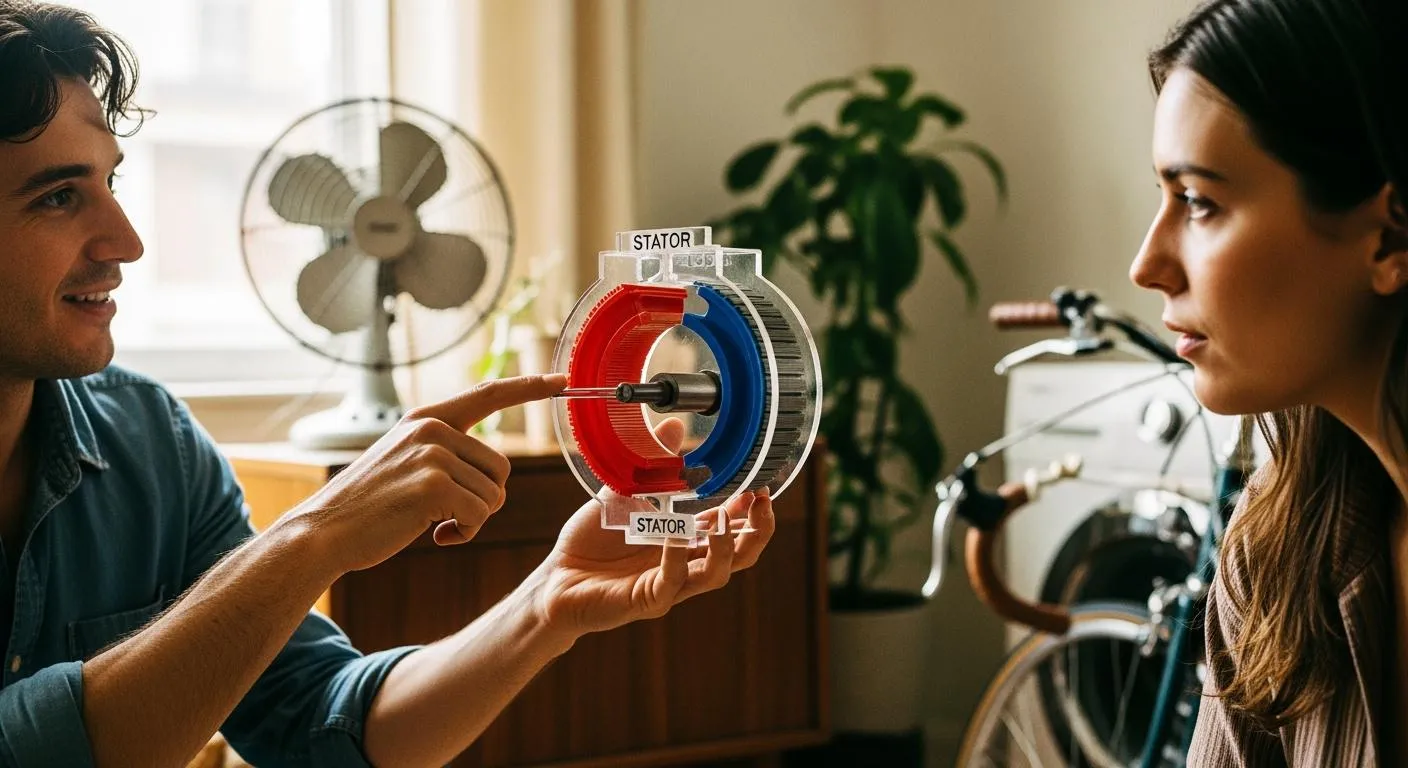
You hear the term stator meaning and might wonder why it matters. The stator is the stationary part inside an electric motor or generator. You find stators in many electric devices you use every day. Washing machines, refrigerators, air conditioners, vacuum cleaners, and dishwashers all depend on the stator. Knowing stator meaning helps you spot problems and keep your equipment running smoothly.
Key Takeaways
- Stators are essential components in electric motors, generating the magnetic field that powers devices like washing machines and refrigerators.
- Regular maintenance of your stator can prevent issues like overheating and strange noises, ensuring your electric devices run smoothly.
- Understanding stator technology can help you choose more efficient appliances, saving energy and extending the lifespan of your devices.
Stator Meaning Explained

What Is a Stator?
You might wonder what a stator actually does inside electric motors and generators. The stator is the stationary part of these machines. It sits still while the rotor spins inside it. You can think of the stator as the backbone of electric motors. It holds everything together and makes sure the machine works smoothly.
In electric motors, the stator plays a key role in generating a rotating magnetic field. This field interacts with the rotor, which is the moving part, and helps turn electrical energy into mechanical energy. This process is what makes your washing machine spin, your refrigerator cool, and your motorcycle engine run. The stator is essential for the efficiency and design of electric motors. When you look at high efficiency electric motors, you will notice that stator technology has a big impact on how well they perform.
Let’s compare the stator and rotor so you can see how they work together:
| Feature | Stator | Rotor |
|---|---|---|
| Definition | The stationary part of the machine | Rotating part of the machine |
| Position | Generally located externally | Usually positioned internally |
| Major Sub-parts | Outer frame, core, windings | Shaft, core, and coils |
| Insulation Level | Requires heavy insulation | Requires less insulation |
| Mechanical Losses | Low mechanical losses | Higher mechanical losses |
| Physical Size | Larger | Smaller |
| Cooling | Efficient and easy to maintain | Complex and less efficient |
| Significance | Generates magnetic field | Converts electrical to mechanical energy |
You will find stators in many devices you use every day. Home appliances like blenders, fans, and vacuum cleaners all rely on stator technology. Motorcycles and electric vehicles also use stators to generate the power needed for movement. In motorcycles, for example, the stator consists of stationary coils wound around an iron core. When current flows through these coils, a magnetic field forms. As the rotor spins past the stator, the changing magnetic field creates an electric current. This current then powers the battery and electrical systems.
The materials used in stator construction matter a lot. Manufacturers often use silicon steel to reduce magnetic losses and improve efficiency. Laminated steel helps manage heat and boosts durability. Copper is common for windings because it handles heat well and increases power density. Some stators use composites for corrosion resistance, which extends the life of electric motors.
Stator Function in Electric Motors
You might ask, “How does the stator actually make things move?” Here’s how it works:
- The stator generates a rotating magnetic field that interacts with the rotor, which is essential for producing motion.
- This interaction is fundamental for converting electrical energy into mechanical energy.
- The efficiency of the stator in generating the magnetic field directly impacts the overall performance of the motor.
Let’s break down the process step by step:
- Electrical current flows through the stator windings.
- The stator creates a magnetic field.
- The magnetic field interacts with the rotor.
- Torque is generated.
- The rotor and shaft rotate.
- The motor drives the connected load.
When you use electric motors in your daily life, you benefit from advancements in stator technology. New designs, like PCB stator technology, allow for more compact and efficient motors. Engineers can now customize electric motor design for specific applications, adjusting copper geometry and thickness. This means you get quieter, lighter, and more powerful devices at home and on the road.
Here’s a quick look at how stator design affects electric motor performance:
| Performance Metric | Description |
|---|---|
| Detent Force | The force caused by the attraction between the permanent magnet and the iron core slots without input current. |
| Back EMF | The three-phase back EMF curves show improved sinusoidal waveforms, achieving higher voltage values. |
| Thrust Force | Influences the overall efficiency and operational capabilities of the motor or generator. |
You can see that high efficiency electric motors depend on smart stator technology. Better materials and new designs help electric motors run cooler, last longer, and use less energy.
Tip: If your electric motor starts making strange noises or loses power, the stator could be the cause. Keeping the stator clean and checking for wear can help you avoid bigger problems.
Nova Technology Company (HK) Limited
Nova Technology Company (HK) Limited stands out as a HiSilicon-designated solutions partner in the integrated circuit industry. The company specializes in chip-level solutions and system integration, supporting a wide range of application scenarios. With expertise in advanced stator technology and electric motor design, Nova Technology delivers reliable and efficient solutions for consumer electronics, automotive systems, and industrial automation.
Stator in Everyday Devices

Common Uses of Stators
You probably use devices with a stator every day, even if you don’t realize it. The stator sits at the heart of many electric appliances and vehicles. Here are some places you’ll find stator technology:
- Air conditioners use a stator in the motor for quiet, efficient cooling.
- Refrigerators rely on a stator for the compressor motor, keeping your food cold.
- Washing machines need a stator to spin the drum and clean your clothes.
- Electric vehicles depend on stator technology for smooth, powerful motion.
- Industrial automation systems use stators in motors that control machines.
- Wind turbines and generators use stators to turn motion into electricity.
- Variable frequency motors in advanced appliances use stator technology for precise control.
You’ll also find a motorcycle stator in every motorcycle, where it plays a key role in the charging system and overall performance.
Importance for Device Performance
The stator is critical for reliable operation in any electric motor. It generates the magnetic field that drives the rotor and creates motion. In a motorcycle, the motorcycle stator powers the charging system and keeps the battery full. High-quality stator technology improves efficiency, torque, and thermal performance. You get quieter operation, less vibration, and longer service life. When the stator works well, your electric devices run smoothly and use less energy.
| Performance Indicator | Impact on Energy Efficiency |
|---|---|
| Energy Efficiency | Increases by 10%-15% |
| Service Life | Extends by more than 20% |
| Operational Stability | Reduces vibration and noise |
Troubleshooting and Maintenance Tips
You can spot stator failure symptoms by watching for overheating, strange noises, or frequent breaker trips. If your electric motor won’t start or hums loudly, the stator could have a problem. Use a multimeter to check resistance or an insulation tester for winding issues. Here are some tips to keep your stator and motorcycle stator in top shape:
- Set a regular maintenance schedule for your electric motor or motorcycle.
- Keep the stator and surrounding area clean and free of debris.
- Lubricate moving parts to reduce friction.
- Inspect electrical connections and test for proper resistance.
- Replace worn or damaged parts before they cause bigger problems.
If you ride a motorcycle, check the motorcycle stator and charging system often. This helps prevent breakdowns and keeps your motorcycle running strong.
You now understand how the stator helps your electric devices work better. When you know about stator parts, you can spot issues and keep your motor running longer. Check out these practical benefits:
| Benefit | Description |
|---|---|
| Longer Lifespan | Durable stator means fewer replacements. |
| Higher Motor Efficiency | Saves energy and boosts performance. |
You can use stator-winding resistance tests and core loss testing to troubleshoot electric motor problems. Keep your stator clean and varnished for best results. This knowledge helps you save money and avoid downtime.
FAQ
What happens if your stator fails?
You might notice your device stops working, makes odd noises, or overheats. A faulty stator can cause power loss or prevent your motor from starting.
How do you check if a stator is working?
You can use a multimeter to test the stator windings for proper resistance. If the readings are off, your stator might need repair or replacement.
Can you fix a stator yourself?
You can clean or inspect your stator at home. For winding repairs or replacements, you should contact a professional to avoid damaging your equipment.