Exploring the Impact of Audio PCM on Electronic Devices
Audio PCM ensures high-quality, reliable sound and device compatibility in consumer and industrial electronics for 2026.
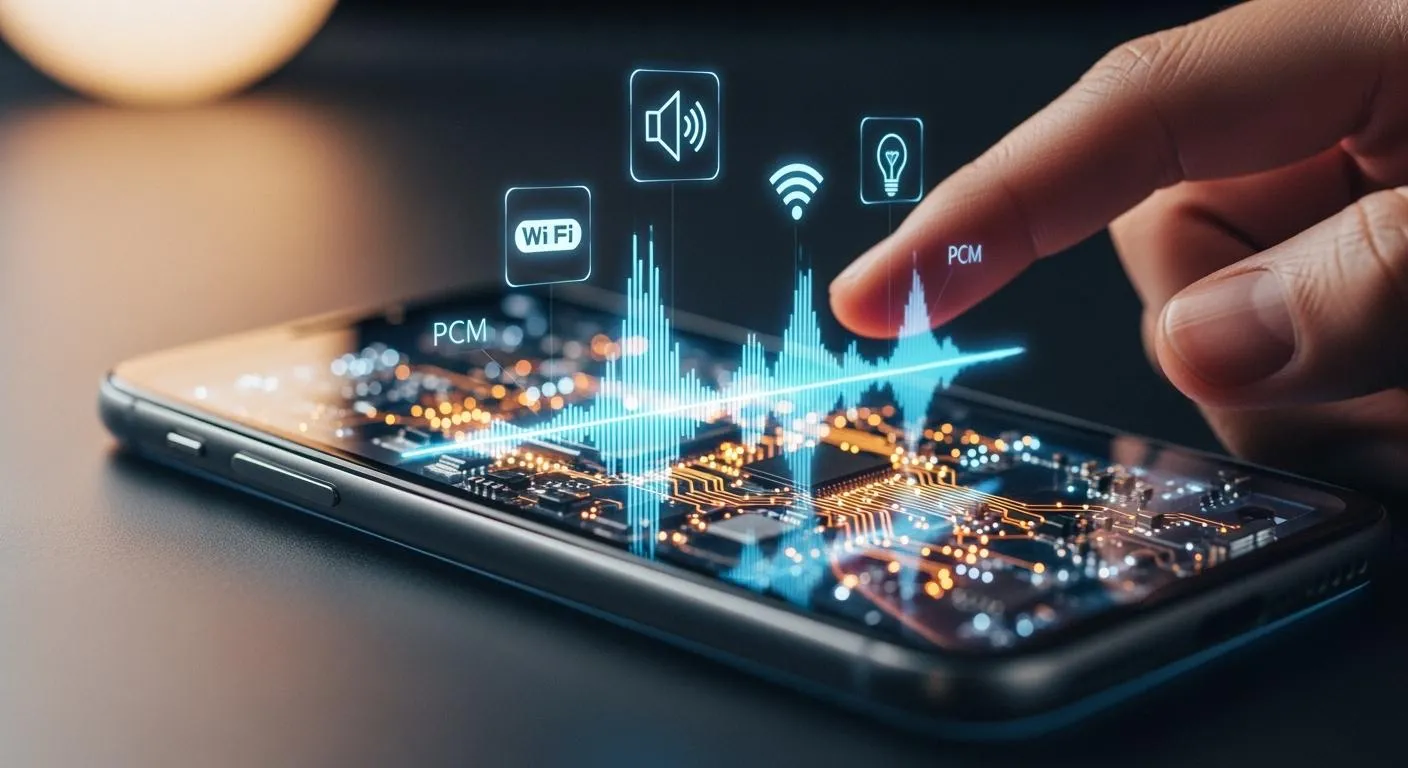
You experience the best sound in electronic devices because of audio pcm. This technology lets you hear audio with high quality and no loss from compression. Audio pcm stands as the foundation for both consumer and industrial electronics. Devices use it because it gives you reliable and clear sound. Many brands choose audio pcm for its wide compatibility and strong market growth. You often need to balance audio quality with storage or bandwidth, and audio pcm helps you keep that balance.
Key Takeaways
- PCM audio delivers high-quality sound by preserving the original audio signal without compression.
- This technology is widely compatible, allowing seamless audio playback across various devices like smartphones, TVs, and computers.
- Using PCM audio helps balance audio quality with storage needs, making it suitable for both consumer and industrial applications.
- Advancements in PCM technology enhance audio experiences, including multi-channel processing and improved security for data integrity.
- Future-proofing devices with modern interfaces ensures they can handle new audio formats and higher data rates.
Audio PCM: Core Role in 2026
PCM Audio Fundamentals
You rely on pcm audio every time you listen to music, watch a movie, or use a smart device. This technology forms the foundation of digital audio in modern electronics. You can understand how pcm works by looking at its basic process:
- Pcm audio converts analog sound into digital data through three main steps: sampling, quantization, and encoding.
- The system captures sound waves by measuring their loudness at specific intervals. These measurements are called samples.
- Each sample receives a numerical value. The device encodes these values into binary format for storage and playback.
- This method preserves the original sound without compression. You get accurate and clear audio every time.
Pcm acts as a codec during the analog-to-digital conversion process. When you speak into a microphone, it captures your voice as an analog signal. The adc, or analog-to-digital converter, samples the waveform at precise sampling rates. It then transforms the signal into raw digital data using pcm format. This process ensures that your audio remains true to the source.
You see pcm technology used in many devices because it delivers high-quality sound. The uncompressed nature of pcm audio means you do not lose detail or clarity. You can trust that what you hear matches the original recording. This is one of the main advantages of pcm audio.
Why PCM Matters for Devices
You find pcm audio in almost every modern electronic device. Its uncompressed format gives you higher quality sound reproduction. This clarity is important for music players, smartphones, televisions, and even industrial systems. Pcm audio also works with many media players and platforms. You can move audio files between devices without worrying about compatibility issues.
Pcm technology supports a wide range of sampling rates. This flexibility lets you choose the right balance between audio quality and file size. Devices can use lower sampling rates for voice calls or higher rates for music and movies. You get the best experience for each application.
The advantages of pcm audio go beyond just sound quality. Pcm provides a standard format for digital audio. This standardization helps manufacturers design devices that work together. You can connect your headphones, speakers, or other audio equipment with confidence.
In the world of integrated circuits and chip-level solutions, companies like Nova Technology Company (HK) Limited play a key role. Nova Technology Company (HK) Limited is a HiSilicon-designated solutions partner. The company specializes in system integration and advanced semiconductor applications. You see their expertise in audio processing, digital signal conversion, and industrial automation. Their solutions help bring reliable pcm audio to a wide range of electronic devices.
Pcm audio also supports the digital revolution in both consumer and industrial markets. You benefit from seamless audio transmission, precise control, and reliable performance. As technology advances, pcm remains a trusted choice for delivering high-fidelity sound.
You can see why pcm audio stands as the backbone of digital audio. Its clarity, compatibility, and reliability make it essential for today’s devices. You can expect pcm to continue shaping the future of audio technology.
Audio PCM in Consumer Electronics

Enhanced Audio Quality
You notice the difference when you listen to music or watch movies on modern devices. PCM audio gives you high sound quality because it keeps the original signal clear and accurate. You hear every detail in the consumer digital format, which is important for the recorded music industry. PCM audio does not compress the signal, so you experience no quality loss during editing. Devices use DAC chips to convert digital audio back to analog, making sure you get high-definition PCM sound. You enjoy high-end digital audio in headphones, speakers, and home theater systems. PCM audio lets you hear music as it was recorded, giving you a true listening experience.
Tip: PCM audio supports a wide range of sampling rates and bit depths. You can choose the best settings for your device and your needs.
PCM and Device Compatibility
You benefit from PCM audio because it works with many consumer devices. Manufacturers use PCM as a standard digital audio format. You can play PCM audio files on smartphones, tablets, TVs, and computers. DAC chips help these devices process PCM signals and deliver quality sound. You move audio files between devices without worrying about compatibility. PCM audio supports both simple and advanced playback systems. You find PCM in the recorded music industry, where it helps keep audio quality high. Consumer electronics rely on PCM for reliable performance and easy integration.
- PCM audio lets you connect headphones, speakers, and other devices with confidence.
- You enjoy consistent audio quality across different platforms.
- Consumer devices use PCM to support high-definition audio and advanced features.
Streaming and Smart Devices
You use streaming platforms and smart devices every day. PCM audio integration has evolved to meet your needs. Originally designed for telecommunications, PCM now supports high-resolution audio formats. Smart devices use optimized PCM processing to balance audio fidelity and computational efficiency. DAC chips play a key role in converting digital signals for wireless audio devices. You expect high-quality audio from streaming services, and PCM helps deliver that experience. Consumer electronics adapt to diverse playback devices and user expectations.
| Device Type | PCM Audio Role | Quality Benefit |
|---|---|---|
| Smart Speakers | Digital signal conversion | Clear voice playback |
| Streaming Platforms | High-resolution audio | High sound quality |
| Wireless Headphones | DAC integration | No quality loss |
You see market growth in PCM-enabled consumer audio devices. The global high-resolution audio market reached $2.1 billion in 2024. Experts expect it to grow to $3.8 billion by 2033, with a compound annual growth rate of 6.8%. PCM audio drives this growth by offering high-quality digital audio and supporting new consumer applications.
PCM Audio Quality in Industry

Precision and Control
You depend on pcm audio for precise measurement and control in the industry. When you use digital systems for automation, you need accurate sound data. Pcm converts analog signals into digital information without losing detail. This process helps you monitor machines, control production lines, and ensure safety. You can trust pcm to deliver consistent audio quality, which is critical for professional production standard environments. Pcm supports high-resolution audio, so you get clear feedback from sensors and devices. You use dac chips to turn digital signals back into analog for alarms or communication systems. This level of control improves your production efficiency and reduces errors.
Industrial IoT Integration
You see pcm audio playing a key role in industrial IoT systems. Many factories and smart facilities use digital audio for real-time monitoring and remote control. Pcm makes it easy to connect different devices and platforms. You benefit from standardized pcm protocols, which lower costs and speed up market adoption. The industry values interoperability, so you can link sensors, controllers, and audio devices without problems.
Here is how pcm audio integration benefits industrial IoT:
| Benefit | Description |
|---|---|
| Cost Reduction | Standardized pcm protocols lower development and maintenance costs. |
| Accelerated Adoption | Common testing and metrics help you bring new solutions to market faster. |
| Interoperability | Shared interface specifications let you connect more devices and pcm solutions easily. |
- The audio industry now moves toward high-resolution audio.
- IoT integration supports streaming and advanced services.
- High-performance audio platforms are essential for modern industry applications.
Nova Technology Company (HK) Limited stands out as a HiSilicon-designated solutions partner. You find their expertise in chip-level solutions, system integration, and industrial automation. They design advanced ICs for digital audio processing, dac integration, and reliable pcm deployment in harsh environments.
Reliability in Harsh Environments
You need pcm audio for reliable operation in tough industrial settings. Many factories face noise, vibration, and temperature changes. Pcm ensures your digital audio signals stay clear and accurate. You use dac chips to maintain quality even when conditions change. Pcm supports scalable solutions, so you can expand your system as your production grows. Automotive and heavy industry sectors rely on pcm for safety alerts, machine diagnostics, and communication. You trust pcm to deliver high audio quality and stable performance, no matter the environment.
Future of PCM Audio Technology
You will see pcm audio continue to evolve as new technology shapes the way you experience sound. The future of pcm audio technology brings exciting changes that help you enjoy better audio, stronger security, and more efficient devices. You can expect pcm to remain a key part of both consumer and industrial electronics as standards and protocols adapt to modern needs.
Compression and Processing Advances
You benefit from recent advances in pcm audio compression and processing. Multi-channel pcm audio processing now gives you improved spatial sound, making your listening experience more immersive. Techniques like channel separation and surround sound encoding help you hear audio from different directions. Noise reduction technologies remove unwanted sounds, so you get clearer audio in every environment.
- Digital audio compression methods now make storage and transmission more efficient.
- Hardware improvements increase power efficiency and processing speed.
- New signal processing methods let you use pcm audio for more applications, from music to industrial monitoring.
You also see lossless and lossy compression algorithms that optimize how pcm audio is stored and sent. Psychoacoustic models and adaptive bit allocation help balance compression and quality. These advances support high resolution support and let you choose the best sampling rates for your needs.
Security and Data Integrity
You need to trust that your pcm audio stays safe and accurate. Error detection and correction coding, such as parity checking, CRC, and FEC codes, protect your data during transmission and storage. Checksum and cryptographic hash functions verify that your pcm audio has not changed. Redundant storage systems and backup mechanisms keep multiple copies of your pcm files, so you do not lose important data if something goes wrong.
Energy Efficiency and Miniaturization
You want devices that last longer and use less power. Hardware developments in pcm technology now focus on energy efficiency and miniaturization. Smaller chips and advanced system integration let you use pcm audio in compact devices without losing quality. These improvements help you bring pcm audio to wearables, smart sensors, and portable production tools.
Note: Evolving standards play a big role in the future of pcm audio technology. Interoperability standards make it easier for devices from different brands to work together. New protocols address network congestion and security, which are important for both home and industrial applications. You can expect pcm to keep growing as technology and production needs change.
| Trend | Impact on PCM Audio |
|---|---|
| Multi-channel processing | Better spatial sound |
| Advanced compression | Efficient storage & sharing |
| Miniaturized hardware | Smaller, smarter devices |
| Stronger security protocols | Safer, reliable audio |
You will see pcm audio adapt to new challenges and opportunities. The future of pcm audio technology promises even more innovation, making sure you always get the best sound experience.
PCM Challenges and Considerations
Bandwidth and Storage Needs
You face important trade-offs when you use PCM audio in modern devices. PCM audio keeps the original sound uncompressed, which means you get the highest quality. However, this also leads to large file sizes and high bandwidth needs. For example, if you use 5.1 surround sound at CD quality (44.1 kHz/16-bit), you need about 60 MB of storage for just one minute of audio. If you choose high-resolution settings like 96 kHz/24-bit or 192 kHz/24-bit, the storage jumps to over 200 MB per minute.
| Configuration | Sample Rate/Bit Depth | Storage Requirement (per minute) |
|---|---|---|
| 5.1 Surround (CD Quality) | 44.1 kHz/16-bit | ~60 MB |
| 5.1 Surround (High Res) | 96 kHz/24-bit | >200 MB |
| 5.1 Surround (Ultra High Res) | 192 kHz/24-bit | >200 MB |
You see that PCM audio is perfect for recording, mastering, and archiving because it preserves every detail. However, these high storage and bandwidth needs make PCM less practical for streaming or broadcasting, especially for consumer devices. Manufacturers often use PCM for debugging, prototyping, and high-quality recording, where storage is less of a concern. New codecs, like the Stem-Native Codec, help reduce file size while keeping high audio quality, making PCM more accessible for consumer use.
Interoperability Issues
You want your devices to work together without problems. PCM audio uses standard protocols, but you still face challenges with compatibility across different brands and platforms. Automated validation tools, such as Soliton’s PCM, TDM & I2S Validation Suite, help you check if your devices meet timing and electrical standards. These tools use advanced platforms to speed up testing, reducing validation time from weeks to days. You can connect devices using custom boards and connectors, which makes it easier to ensure your consumer electronics deliver consistent audio quality.
Tip: Using validation suites helps you avoid costly errors and ensures your devices meet industry standards.
Future-Proofing Devices
You need to prepare your devices for new audio standards and higher consumer expectations. Modern interfaces, such as USB Audio Class 2.0, HDMI ARC/eARC, and wireless high-resolution protocols, give you the bandwidth needed for ultra-high-quality PCM audio. These technologies support advanced formats and make it easier to deliver high-resolution sound to consumer devices.
| Technology Type | Description | Bandwidth Capability |
|---|---|---|
| SPDIF | Universal compatibility, reliable for standard formats | Limited for ultra-high-res |
| USB Audio Class 2.0 | Supports ultra-high-res formats, up to 32-bit PCM | High |
| Network Audio Streaming | Delivers high-res content over networks | Variable, often high |
| HDMI ARC/eARC | Advanced audio return for high-res audio | High |
| Wireless High-Res Protocols | Transmits high-res audio without cables | High |
You see that future-proofing means choosing interfaces and protocols that can handle new formats and higher data rates. This approach ensures your consumer devices stay relevant as audio technology evolves.
You see PCM audio technology remain essential for both consumer and industrial electronics.
- PCM stands as a well-established algorithm for encoding analog audio, ensuring compatibility and versatility across devices.
- High-speed capabilities and energy efficiency make PCM ideal for smartphones and tablets.
- Ongoing advancements in materials science and semiconductor technology drive performance improvements.
| Benefits | Challenges |
|---|---|
| Higher bit depths improve performance | Increased storage and processing demands |
| Compatibility with audio infrastructure | Quantization noise and signal degradation |
You can expect PCM to adapt and support future audio innovations, keeping your devices ready for new demands.
FAQ
What is PCM audio?
PCM stands for Pulse Code Modulation. You use it to convert analog sound into digital signals. This method keeps audio clear and accurate. Most modern devices rely on PCM for high-quality sound.
Why do electronic devices use PCM instead of compressed formats?
You get uncompressed, original sound with PCM. Devices use PCM when you need the best audio quality, such as in music production or high-end playback. Compressed formats save space but may lose detail.
Can you use PCM audio with wireless headphones?
Yes, you can. Many wireless headphones support PCM audio. They use built-in DAC chips to convert digital PCM signals into analog sound. This process gives you clear and detailed audio.
Does PCM audio work with all devices?
Most modern devices support PCM audio. You can play PCM files on computers, smartphones, TVs, and audio players. Always check your device’s specifications for supported formats.
How does PCM affect storage and bandwidth?
PCM files are large because they do not compress audio. You need more storage space and higher bandwidth for PCM audio. For streaming or portable devices, you may choose compressed formats to save space.