A Buying Guide for Engineers: Finding the Best Electronic Components Online
Buying Guide for Engineers: Finding the Best Electronic Components Online Introduction In today's fast-paced world of electronics engineering, sourcing high-quality components quick
Introduction
In today's fast-paced world of electronics engineering, sourcing high-quality components quickly is crucial for maintaining project timelines and ensuring the reliability of your designs. The global semiconductor market, with a projected revenue of $595.2 billion by 2026, underscores the importance of selecting the right components from a vast array of options. With the rise of online distributors, engineers now have unprecedented access to a wide range of electronic components, each with detailed specifications and application notes. This guide aims to provide engineers with the insights needed to navigate the complex world of online component sourcing, focusing on understanding component specifications, datasheets, and application circuits.
Technical Overview
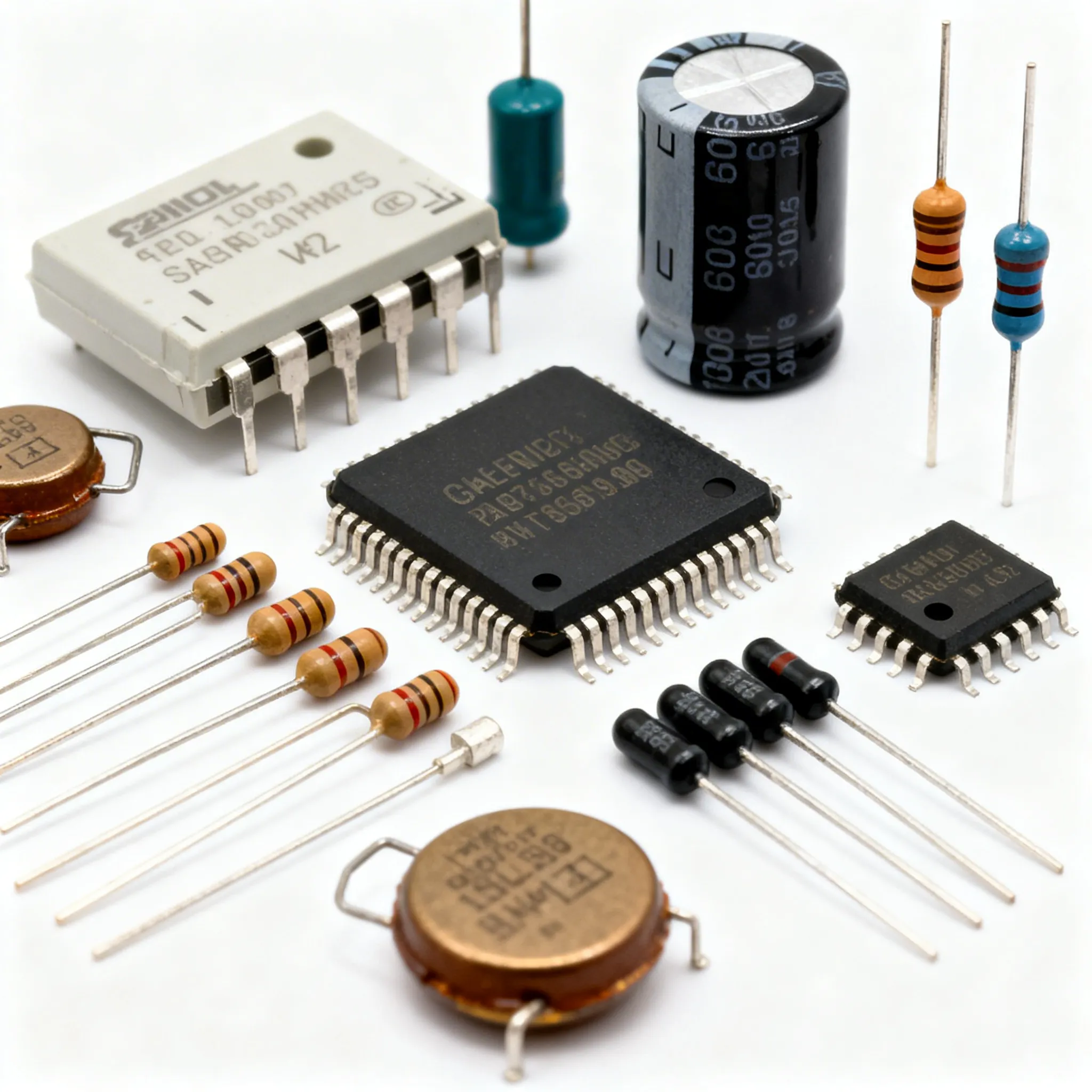
Electronic components are the building blocks of any electronic system. They come in various types, such as resistors, capacitors, diodes, transistors, and integrated circuits (ICs). Understanding the core concepts of these components is essential for selecting the right parts for your project. Key specifications to consider include electrical properties like voltage, current, and power ratings, as well as thermal and mechanical characteristics. Datasheets provide detailed information on these specifications and are indispensable resources for engineers. They also include application circuits that illustrate how the component can be used in a real-world scenario. By leveraging these resources, engineers can make informed decisions and optimize their designs for performance and reliability.
Detailed Specifications
When selecting electronic components, it's essential to carefully review their specifications to ensure compatibility with your project requirements. Below are detailed tables that outline the electrical, thermal, and mechanical specifications, as well as application comparisons for various components.
| Parameter | Value | Units | Notes |
|---|---|---|---|
| Operating Voltage | 3.3 - 5.0 | V | Common range for microcontrollers |
| Current Rating | 10 | A | Peak current for power MOSFETs |
| Power Dissipation | 500 | mW | Maximum allowed for small signal transistors |
| Input Capacitance | 10 | pF | Low capacitance for RF applications |
| Switching Speed | 1 | ns | Fast switching for digital ICs |
| Frequency Range | 1 - 2.4 | GHz | Common for wireless communication |
| Noise Figure | 0.5 | dB | Low noise amplifiers |
| Output Power | 20 | dBm | Typical for RF power amplifiers |
| Gain | 20 | dB | Common for operational amplifiers |
| Impedance | 50 | Ohms | Standard for RF components |
Thermal & Mechanical Specs
| Parameter | Value | Units | Notes |
|---|---|---|---|
| Operating Temperature | -40 to 85 | °C | Industrial standard range |
| Storage Temperature | -65 to 150 | °C | Safe storage range |
| Thermal Resistance | 10 | °C/W | For heat dissipation in power devices |
| Package Type | SOT-23 | - | Common for small signal components |
| Lead Count | 3 | - | Typical for transistors |
| Mounting Type | Surface Mount | - | Preferred for automated assembly |
| Weight | 0.1 | g | Lightweight for compact designs |
| Dimension | 2.9 x 1.3 x 1.0 | mm | Package size |
Application Comparison
| Application | Component | Benefits | Notes |
|---|---|---|---|
| Power Supply | LM7805 | Stable output voltage | Common linear regulator |
| RF Amplifier | BFR93A | High gain and low noise | Used in RF amplification |
| Microcontroller | ATtiny85 | Low power consumption | Ideal for small projects |
| Switching Regulator | LM2596 | Efficient power conversion | Step-down switching regulator |
| Sensor Interface | ADS1115 | High resolution ADC | Used for precise measurements |
The electrical specifications table provides insight into the operational limits and performance characteristics of components. The thermal and mechanical specs are crucial for understanding the environmental resilience and physical constraints of components. The application comparison table helps identify the best component for specific use cases, highlighting the benefits and typical applications.
Design Considerations
Designing an electronic system involves several critical considerations that ensure the functionality and reliability of the final product. One of the primary factors is the power supply requirements. It's crucial to choose components that can operate within the available power budget while providing the necessary performance. For instance, selecting a voltage regulator like the LM7805 for a stable output voltage is essential for powering sensitive circuits.
Another key consideration is the thermal management of the system. Components such as power transistors and voltage regulators can generate significant heat during operation. Ensuring adequate heat dissipation through heat sinks, thermal pads, or even active cooling mechanisms can prevent thermal runaway and improve component longevity. The thermal resistance parameter, as shown in the thermal specifications table, is a critical factor in evaluating a component's ability to dissipate heat.
Signal integrity is also a vital consideration, especially in high-frequency applications. Components like the BFR93A RF amplifier are selected for their low noise and high gain characteristics, making them suitable for maintaining signal quality in RF applications. The noise figure in the electrical specifications table provides a measure of the component's impact on signal noise levels.
Additionally, mechanical considerations such as component size, package type, and mounting method influence the overall design and manufacturability of the system. Surface mount technology (SMT) is often preferred for its compatibility with automated assembly processes and compact designs. The mechanical specifications table provides insights into these aspects, helping engineers choose components that fit their design constraints.
Step-by-Step Guide
Sourcing electronic components online can be streamlined by following a structured approach. Here's a step-by-step guide to help you navigate the process:
- Define Your Requirements: Begin by outlining the key specifications and performance criteria for your project. Consider factors like voltage, current, power, frequency, and environmental conditions.
- Search for Components: Use online databases like DigiKey Electronics or IC Online to search for components that meet your requirements. Utilize parametric search tools to filter results based on specific parameters.
- Review Datasheets: Once you've identified potential components, review their datasheets thoroughly. Pay attention to electrical, thermal, and mechanical specifications, as well as application notes and circuit diagrams.
- Evaluate Alternatives: Compare multiple components to find the best fit for your project. Consider factors such as cost, availability, and lead time. The application comparison table can help in evaluating the suitability of components for specific use cases.
- Check for Compatibility: Ensure that the selected components are compatible with other parts of your design. Verify pin configurations, communication protocols, and power supply requirements.
- Place an Order: Once you've finalized your selection, place an order with a reputable distributor. Consider factors like shipping time, return policies, and customer support when choosing a supplier.
- Prototype and Test: After receiving the components, build a prototype and conduct thorough testing to validate the design. Pay attention to performance metrics and identify any potential issues.
- Iterate and Refine: Use the test results to refine your design, making necessary adjustments to improve performance and reliability. Repeat the testing process until the design meets all requirements.
Common Issues & Solutions
Even with careful planning, engineers may encounter various issues during the component selection and design process. Here are some common problems and their solutions:
- Component Obsolescence: Sometimes, a selected component may become obsolete before the project is completed. To mitigate this risk, identify alternative components during the initial selection process and maintain a list of potential substitutes.
- Thermal Overload: Inadequate thermal management can lead to component failure. Use thermal simulation tools to assess heat dissipation and consider adding heat sinks or fans to manage temperature effectively.
- Signal Integrity Issues: High-frequency designs may suffer from signal integrity problems. Use proper PCB layout techniques, such as controlled impedance traces and ground planes, to minimize signal degradation.
- Supply Chain Disruptions: Unexpected supply chain disruptions can delay component delivery. Build relationships with multiple suppliers and maintain an inventory of critical components to reduce dependency on a single source.
- Incorrect Component Ratings: Using components with incorrect ratings can lead to malfunction or damage. Double-check all specifications and consult with component manufacturers if necessary to ensure compatibility.
Applications & Use Cases
Electronic components find applications across various industries, each with unique requirements and challenges. In the automotive sector, components like the LM2596 switching regulator are used in power management systems to provide efficient voltage conversion. In consumer electronics, microcontrollers such as the ATtiny85 are popular for their compact size and low power consumption, making them ideal for wearable devices and IoT applications.
In the telecommunications industry, RF amplifiers like the BFR93A are critical for enhancing signal strength and maintaining communication quality. The healthcare sector also relies heavily on precision components like the ADS1115 ADC for accurate sensor data acquisition in medical devices.
Selection & Sourcing Guide
Selecting and sourcing electronic components online requires careful consideration of various factors, including specifications, cost, and availability. By leveraging online resources like IC Online, engineers can access a vast catalog of components, compare options, and make informed decisions to meet their design needs.
FAQ
- What are the key factors to consider when selecting electronic components? Key factors include electrical specifications, thermal management, mechanical constraints, cost, and availability.
- How can I ensure component compatibility with my design? Review datasheets, check pin configurations, and verify communication protocols to ensure compatibility.
- What resources are available for sourcing components online? Online distributors like DigiKey Electronics and IC Online offer comprehensive databases and parametric search tools to help find components.
- How do I address component obsolescence? Identify alternative components and maintain a list of substitutes to mitigate the risk of obsolescence.
- What are the benefits of using surface mount components? Surface mount components offer compact designs, compatibility with automated assembly, and improved performance characteristics.
- How can I manage thermal issues in my design? Use thermal simulation tools, heat sinks, and fans to manage heat dissipation effectively.
- What is the importance of signal integrity in high-frequency designs? Signal integrity is crucial for maintaining communication quality and preventing data loss in high-frequency applications.
- Why is it important to review datasheets? Datasheets provide detailed specifications, application notes, and circuit diagrams essential for informed component selection.
- How can I mitigate supply chain disruptions? Build relationships with multiple suppliers and maintain an inventory of critical components to reduce dependency on a single source.
Conclusion
Sourcing the best electronic components online requires a comprehensive understanding of specifications, datasheets, and application circuits. By following a structured approach and leveraging online resources, engineers can make informed decisions, optimize their designs, and ensure the reliability and performance of their projects. As the electronics industry continues to evolve, staying informed and adapting to new trends will be key to successful component selection and sourcing.