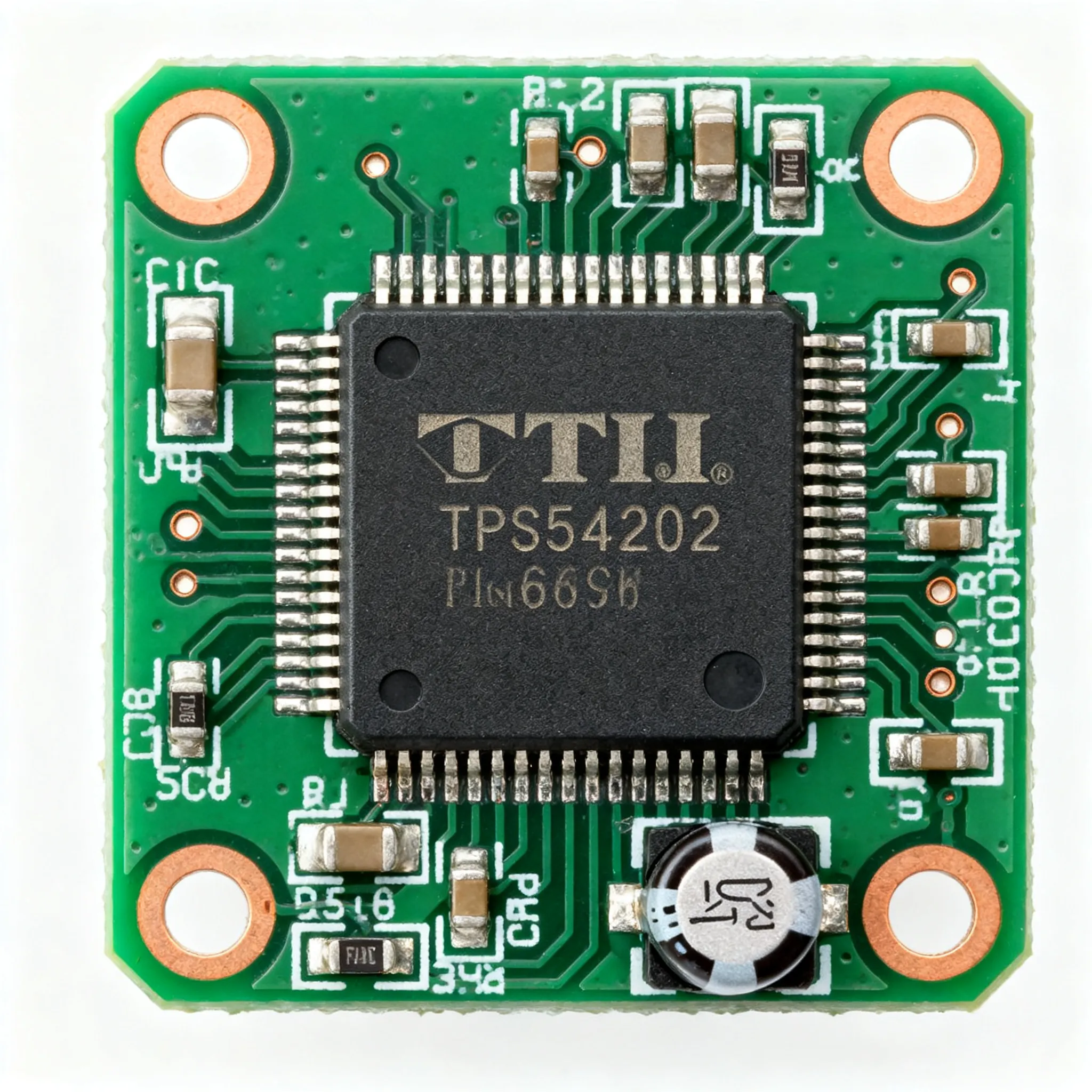
What makes capacitor polarity important in 2026
Does capacitor has polarity? Yes, some do. Correct polarity prevents overheating, explosions, and circuit failure in modern electronics in 2026.
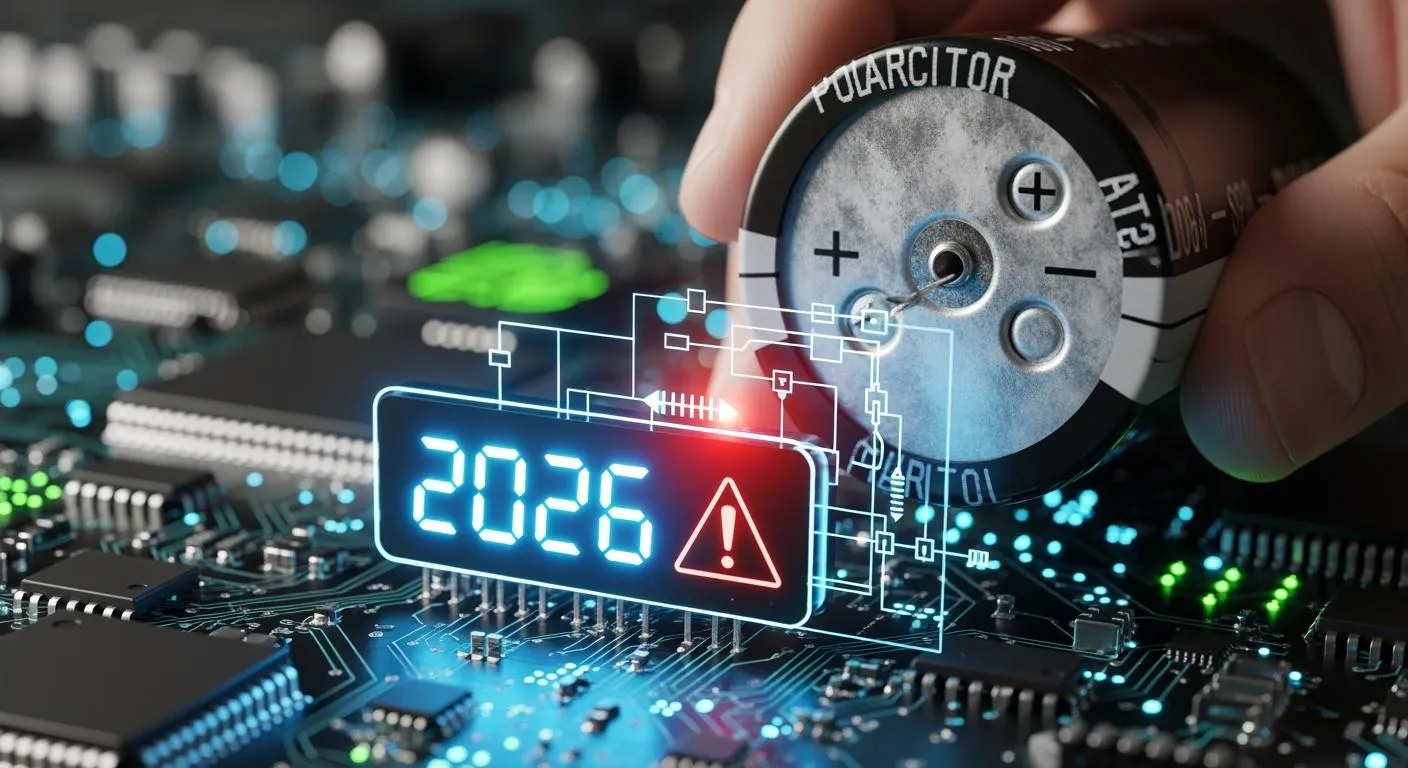
You might wonder, does capacitor has polarity? Some capacitors do, and you must pay attention to this detail in modern electronics. Capacitor polarity plays a key role in circuit reliability. If you install a polarized capacitor incorrectly, you risk:
- Explosions or overheating from reverse polarity
- Short circuits, bulging, or wear on the component
- Circuit malfunctions and damage to nearby parts
Electrolytic and tantalum capacitors require special care, as they depend on correct orientation for safe, reliable operation.
Key Takeaways
- Capacitor polarity is crucial for circuit safety. Incorrect installation can lead to overheating, explosions, or circuit failure.
- Identify polarized capacitors by checking for markings like '+' and '-' signs. The positive lead is usually longer.
- Always verify capacitor polarity before installation. This step prevents damage to the capacitor and surrounding components.
- Use polarized capacitors only in DC circuits. They can fail rapidly if used in AC applications.
- Follow best practices for installation, including proper soldering techniques and documenting polarity on schematics.
Does capacitor has polarity
When you ask, "does capacitor has polarity," you need to know that not all capacitors work the same way. Some require you to connect them in a specific direction, while others do not. Understanding this difference helps you avoid mistakes in your electronic projects.
Polar capacitors vs. non-polar capacitors
You can group capacitors into two main types: polar capacitors and non-polar capacitors. Polar capacitors need you to connect the positive and negative leads correctly. Non-polar capacitors can work in either direction. The table below shows the main differences:
| Feature | Polarized Capacitors | Non-Polarized Capacitors |
|---|---|---|
| Polarity Requirement | Requires specific polarity for operation | Can operate in either direction |
| Dielectric Material | Typically use electrolytes, allowing for higher capacitance | Made from various materials, suitable for AC circuits |
| Frequency of Operation | Lower frequencies, unsuitable for high-frequency applications | Higher frequency operation, ideal for filtering signal noise |
| Capacitance | Offers much greater capacity, ideal for applications requiring high capacitance | Generally lower capacitance compared to polarized capacitors |
You often see polar capacitors in power supply circuits because they can store more energy. Non-polar capacitors work well in signal filtering and AC applications.
Why some capacitors are polarized
You might wonder why some capacitors have polarity. The answer comes from how they are built and used. Here are the main reasons:
- Polar capacitors use special materials, like electrolytes, to reach higher capacitance values.
- The design of polar capacitors means they only work when you connect them the right way.
- If you reverse the connection, polar capacitors can overheat, leak, or even explode.
- Using the correct polarity keeps the capacitor working well and protects your circuit from damage.
- Proper installation helps the capacitor last longer and keeps your device reliable.
You find polar capacitors in many modern devices. These include:
- Electrolytic capacitors with non-solid electrolyte. They can vent or burst if you connect them backward.
- Tantalum pentoxide capacitors. They may explode under reverse voltage.
- Electrolytic capacitors with solid electrolyte. They have limited tolerance for reverse voltage and can catch fire if misused.
- Polymer capacitors. They can explode if you exceed voltage or current limits.
- Supercapacitors and hybrid capacitors. Both types have low operating voltage per cell and require correct polarity.
When you ask, "does capacitor has polarity," remember that polar capacitors need special attention. You must always check the markings and connect them the right way. This step prevents circuit malfunction, protects other components, and keeps your electronics safe.
Identifying capacitor polarity
You need to identify the polarity of a capacitor before installing it in any circuit. This step prevents mistakes and keeps your electronics safe. Manufacturers use several methods to help you spot the correct orientation quickly.
Markings and lead differences
You can check the body of a capacitor for clear markings. Most manufacturers print "+" and "-" symbols near the terminals. Colored bands or dots often highlight the negative side. Arrows may point to the negative terminal. You also notice that the physical design helps. In through-hole electrolytic capacitors, the positive lead is longer than the negative lead. This difference makes it easy to spot which side connects to the positive node.
Here are some practical tips for identifying polarity:
- Look for a stripe or arrow on the capacitor body. This usually marks the negative terminal.
- Check for a shorter lead. The negative terminal often has a shorter lead in radial packages.
- Find explicit minus signs or voltage ratings printed near the negative terminal.
- Notice sleeve color coding. White or silver stripes indicate the negative side.
If you want to confirm polarity, you can use a multimeter. Set it to resistance mode. Place the red probe on the suspected positive terminal and the black probe on the negative. Polarized capacitors show lower resistance in forward bias and higher resistance in reverse bias. For more precise checks, use an LCR meter to measure capacitance and ESR with controlled DC bias.
Common types: electrolytic capacitors and others
Electrolytic capacitors are the most common type that require careful polarity identification. You see them in power supply circuits and chip-level solutions. Tantalum capacitors also need correct orientation. The table below shows how to identify terminals in different types:
| Type of Capacitor | Positive Terminal Identification | Negative Terminal Identification |
|---|---|---|
| Aluminium electrolytic capacitors | Longer lead is positive; marked with a '+' symbol | Shorter lead is negative; marked with a '-' symbol |
| Snap-In Electrolytic capacitors | Marked with '+' or '-' symbols or a color dot | The opposite side of the color dot is usually negative |
| Tantalum electrolytic capacitors | '+' symbol near the base of the leads; longer lead is positive | Engraved line on the side indicates negative terminal |
You must always match the capacitor markings with the circuit diagram. This step ensures you connect the positive terminal to the correct node. After installation, inspect the capacitor and connections for accuracy.
Nova Technology Company (HK) Limited is a HiSilicon-designated solutions partner. The company specializes in integrated circuit solutions, system integration, and chip-level applications. You can rely on Nova Technology Company (HK) Limited for professional support in advanced semiconductor projects, including proper capacitor selection and installation in IC designs.
Effects of incorrect capacitor polarity

Circuit failure and damage
You must understand what happens when you install a capacitor with reversed polarity. The capacitor will not work as intended. You may see increased leakage current, which causes overheating. Damage to the dielectric film can occur, and this may lead to an explosion. When you apply positive voltage to the negative terminal, hydrogen ions gather in the oxide layer. These ions convert to hydrogen gas, and pressure builds up inside the capacitor. The pressure can cause the capacitor to burst.
You can see several consequences in electronic circuits:
- Immediate failure of tantalum capacitors when you connect them incorrectly.
- Bulging in aluminum capacitors due to reverse polarity.
- Leakage from aluminum capacitors, which can damage nearby components.
- Fire hazards in extreme cases.
| Consequence | Description |
|---|---|
| Immediate failure | Tantalum capacitors fail right away if polarity is reversed. |
| Bulging | Aluminum capacitors may bulge when you apply positive voltage to the negative terminal. |
| Leakage | Reverse polarity can cause leakage in aluminum capacitors. |
| Fire | Incorrect capacitor polarity may lead to fire hazards. |
Safety in modern electronics (2026)
Modern electronics in 2026 rely on advanced circuit design and strict safety standards. You must pay attention to capacitor polarity to protect your devices. Incorrect installation leads to breakdown of the electrolyte layer. You may see increased leakage current, case swelling, electrolyte leakage, or even explosion. These failures can damage surrounding circuits and cause warranty claims.
In electrolytic capacitors, reversed polarity triggers a chemical reaction. Gas forms inside the capacitor, and pressure builds up. The capacitor may burst or explode. Overvoltage can cause dielectric breakdown and a short circuit. Rapid energy release may damage your device and create safety risks.
You must check capacitor polarity before installation. Always match the positive terminal with the correct node in your circuit. This step prevents circuit failure and keeps your electronics safe. In 2026, you see more compact devices and higher power densities. These trends make correct capacitor installation even more important.
Tip: Always follow manufacturer guidelines and use proper tools to verify capacitor polarity. This practice helps you avoid costly mistakes and ensures reliable operation in modern electronics.
Installing polar capacitors
Handling and installation tips
You need to handle polar capacitors with care to ensure reliable performance and safety. Always check capacitor polarity before installation. Look for the positive and negative markings on the capacitor body. The positive lead is usually longer, while the negative side often has a stripe or minus sign. Use proper soldering techniques to avoid damaging the capacitor or its terminals. Secure the capacitor firmly on the circuit board, making sure the leads do not touch other components.
Follow these best practices for correct installation:
- Verify all polarity markings before connecting the capacitor.
- Use proper soldering methods to prevent heat damage.
- Label and document capacitor polarity on your schematics and boards.
- Include polarity checks in your quality assurance process.
- Educate everyone involved in assembly about the importance of correct polarity connection.
Tip: Training and certification programs, such as Capacitor Products and Systems Certification Services, help technicians understand wiring configurations, terminal identification, and safe installation practices. These programs ensure compliance with safety standards in the IC industry.
Nova Technology Company (HK) Limited, a HiSilicon-designated solutions partner, specializes in chip-level solutions and system integration for advanced integrated circuit applications. The company supports professional semiconductor projects, offering expertise in selecting and installing capacitors for reliable IC designs.
Mistakes to avoid
Incorrect installation of polar capacitors can cause serious problems. You might see rapid dielectric breakdown, gas generation, or even violent failure. The table below highlights common mistakes, their consequences, and how you can prevent them:
| Mistake | Consequences | Prevention |
|---|---|---|
| Reverse Polarity Connection | Breakdown of electrolyte layer, leakage, or explosion | Always verify capacitor markings and PCB labels; use a multimeter to confirm polarity |
| Replacing Non-Polarized Capacitors with Polarized Ones | Rapid failure in AC circuits, potential short circuits | Only use polar capacitors in DC circuits; avoid in AC or pulsating circuits |
| Ignoring Environmental Factors | Performance loss in humid or high-temperature conditions | Match capacitor ratings to environmental needs; select suitable types for temperature and humidity |
| Misselecting Capacitor Type for High-Frequency/High-Voltage | Signal loss or failure | Choose capacitors that fit frequency and voltage requirements; use MLCC or film capacitors for high-frequency or high-voltage |
You must always double-check the positive and negative terminals before soldering. Never rush the installation process. Careful attention to capacitor polarity protects your devices and extends their lifespan.
You play a key role in ensuring safe and reliable electronics by paying close attention to capacitor polarity. Misaligned polarized capacitors can cause overheating, leakage, or even explosions, which may damage sensitive components.
Installing a tantalum capacitor backwards can lead to catastrophic failure, as the tantalum pentoxide dielectric breaks down under reverse bias, causing an internal short circuit that generates enough heat to ignite. This emphasizes that ensuring correct polarity is crucial in electronic designs.
Follow these best practices:
- Always check polarity markings before installation.
- Match terminals with board indicators.
- Use capacitors rated above expected voltages.
Stay informed about new capacitor technology trends in 2026 to improve safety and performance in your designs.
FAQ
How do you know if a capacitor is polarized?
You check for markings like a stripe, plus or minus signs, or longer leads. Polarized capacitors often have a clear label showing the positive and negative terminals.
What happens if you install a capacitor backwards?
You risk damaging the capacitor. It may overheat, leak, or even explode. Your circuit can fail or cause safety hazards.
Can you use a polarized capacitor in AC circuits?
You should not use polarized capacitors in AC circuits. They work best in DC circuits. Using them in AC can cause rapid failure.
Why do some capacitors have higher capacitance?
Manufacturers use electrolytes in polarized capacitors. This design lets you store more energy. You find these capacitors in power supplies and energy storage applications.
How can you prevent mistakes when installing capacitors?
You always check polarity markings. Match the terminals with the circuit board. Use a multimeter for confirmation. Careful installation keeps your electronics safe.