Step-by-Step Guide to Selecting the Right MOSFET for Your Application
Expert guide on Step-by-Step Guide to Selecting the Right MOSFET for Your Application. Technical specs, applications, sourcing tips for engineers and buyers.
Introduction
In today's rapidly evolving electronics industry, selecting the right components for your application is more critical than ever. With the global semiconductor market projected to reach $595.2 billion by 2026, making informed choices about components such as MOSFETs can significantly impact the performance, efficiency, and reliability of your designs. MOSFETs are integral in a wide array of applications, from power supplies to motor controls. Understanding how to choose the right MOSFET can be the difference between a successful project and one fraught with challenges.
Technical Overview
Metal-Oxide-Semiconductor Field-Effect Transistors (MOSFETs) are a type of transistor used for amplifying or switching electronic signals. They are fundamental components in the design of electronic circuits, offering high efficiency and fast switching speeds. MOSFETs operate by varying the width of a channel along which charge carriers (electrons or holes) flow. The channel width is modulated by the voltage applied to the gate terminal, which is insulated from the channel by a thin layer of oxide. This structure allows MOSFETs to control large amounts of current with minimal power consumption, making them ideal for a variety of applications, including power management, audio amplifiers, and digital circuits.
Detailed Specifications
| Parameter | Value | Units | Notes |
|---|---|---|---|
| Drain-Source Voltage (VDS) | 100 | V | Maximum voltage across drain and source |
| Gate-Source Voltage (VGS) | ±20 | V | Maximum voltage between gate and source |
| Continuous Drain Current (ID) | 30 | A | Maximum current through the drain |
| Pulse Drain Current (IDM) | 120 | A | Maximum pulsed current |
| Gate Threshold Voltage (VGS(th)) | 2.5 | V | Minimum gate voltage to turn on the MOSFET |
| On-Resistance (RDS(on)) | 0.02 | Ω | Resistance when the MOSFET is on |
| Input Capacitance (Ciss) | 1200 | pF | Capacitance between gate and source |
| Output Capacitance (Coss) | 150 | pF | Capacitance between drain and source |
| Reverse Transfer Capacitance (Crss) | 50 | pF | Capacitance between gate and drain |
| Turn-On Delay Time (td(on)) | 10 | ns | Time to turn on the MOSFET |
| Turn-Off Delay Time (td(off)) | 30 | ns | Time to turn off the MOSFET |
| Parameter | Value | Units | Notes |
|---|---|---|---|
| Junction-to-Ambient Thermal Resistance (RθJA) | 62.5 | °C/W | Without heatsink |
| Junction-to-Case Thermal Resistance (RθJC) | 1.2 | °C/W | With heatsink |
| Maximum Operating Junction Temperature (TJ) | 150 | °C | Maximum temperature for operation |
| Storage Temperature Range (Tstg) | -55 to 150 | °C | Safe storage temperature range |
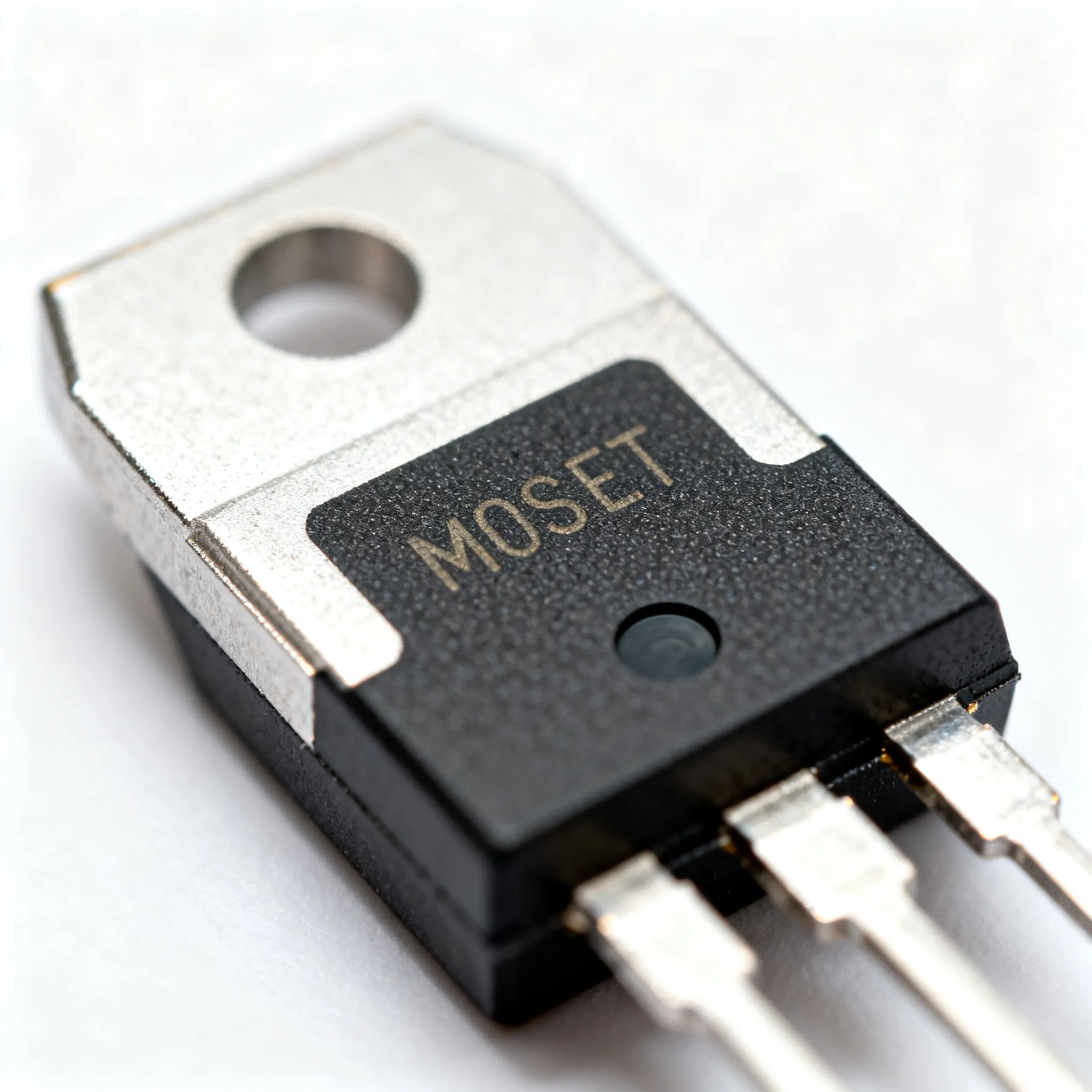
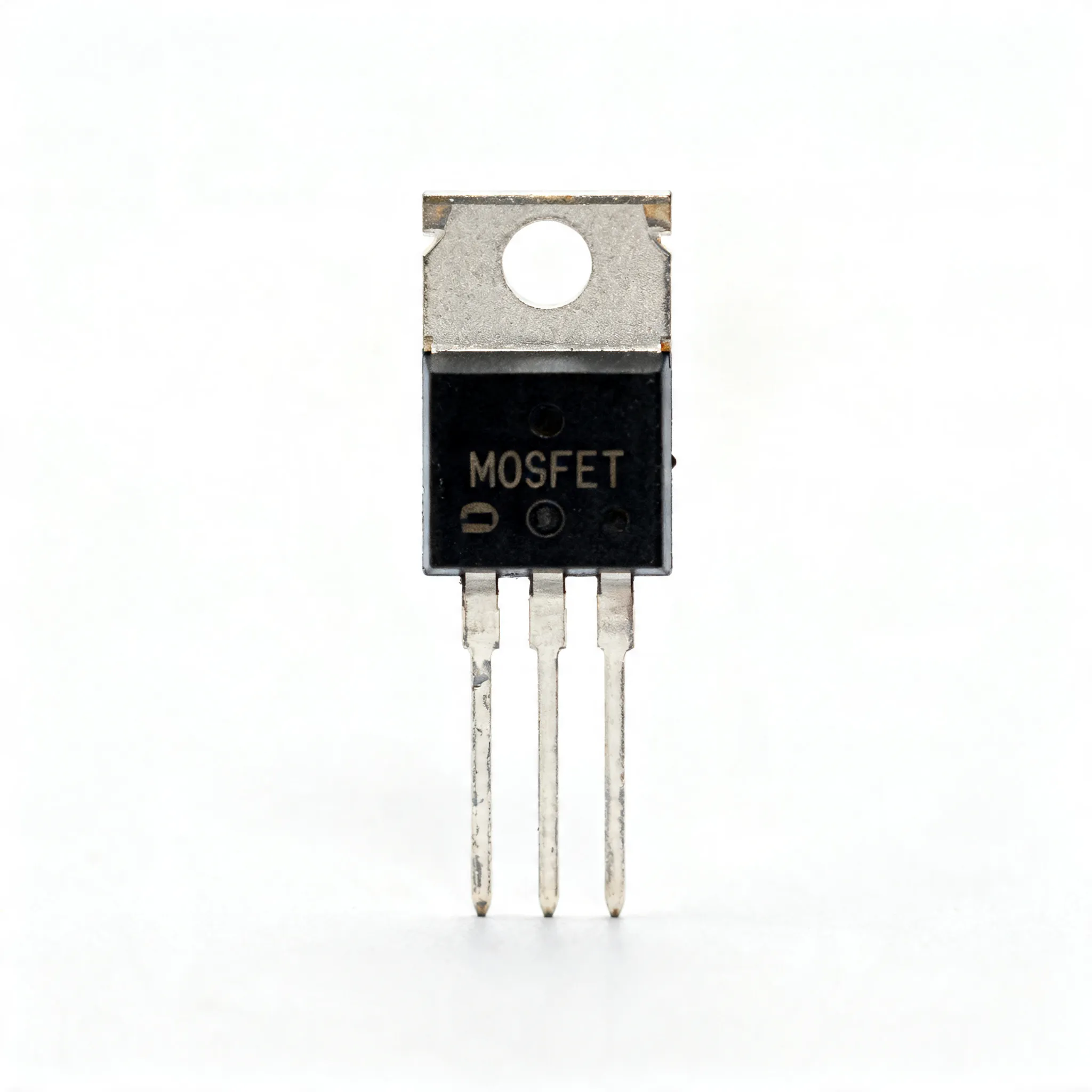
| Package Type | TO-220 | - | Standard package |
| Mounting Type | Through Hole | - | Mounting style |
| Lead Finish | Matte Tin | - | Lead finish material |
| Weight | 1.5 | g | Typical weight of the package |
| Application | Part Number | Key Feature | Notes |
|---|---|---|---|
| Switching Power Supply | IRF3205 | High current | Low on-resistance |
| Motor Control | IRFZ44N | Fast switching | High efficiency |
| Audio Amplifier | IRFP250N | Low distortion | High power handling |
| DC-DC Converter | IRLB3034 | Low gate charge | Improved efficiency |
| Inverter | IRFP460 | High voltage | Robust design |
Design Considerations
When designing with MOSFETs, several key considerations should be taken into account to ensure optimal performance. First, understanding the electrical characteristics is crucial. Parameters such as Drain-Source Voltage (VDS), Gate-Source Voltage (VGS), and Continuous Drain Current (ID) define the operating limits of the MOSFET. For instance, if your application involves high voltage, selecting a MOSFET with a higher VDS rating is essential to prevent breakdown.
Thermal management is another critical aspect. MOSFETs can generate significant heat during operation, so it's important to consider the Junction-to-Ambient (RθJA) and Junction-to-Case (RθJC) thermal resistances. Adequate heatsinking and proper layout can help dissipate heat effectively, ensuring the device operates within safe temperature limits.
Additionally, the switching characteristics, including Turn-On Delay Time (td(on)) and Turn-Off Delay Time (td(off)), affect the efficiency and speed of your circuit. Faster switching times are generally desirable in high-frequency applications but may require careful gate drive design to prevent excessive ringing and electromagnetic interference (EMI).
Lastly, consider the packaging and mounting style. Through-hole packages like TO-220 are easier to handle and provide better thermal performance, but surface-mount options may be preferable for compact designs. Ensuring compatibility with your design's footprint and assembly process is vital for successful integration.
Step-by-Step Guide
- Define Application Requirements: Start by determining the specific needs of your application. Consider factors such as voltage, current, switching speed, and efficiency.
- Review Datasheets: Use resources like DigiKey Electronics to access datasheets. Pay attention to key parameters like VDS, ID, and RDS(on).
- Consider Thermal Management: Evaluate the thermal specifications and decide on cooling methods. Use heatsinks or fans if necessary to maintain safe operating temperatures.
- Evaluate Switching Characteristics: Analyze the switching times and gate charge to ensure they meet your application's speed requirements.
- Check Availability and Cost: Use distributors like IC Online to check the availability and pricing of selected MOSFETs.
- Prototype and Test: Build a prototype circuit and test the MOSFET under real-world conditions. Measure performance metrics and verify they meet your expectations.
- Optimize for Efficiency: Fine-tune your design to maximize efficiency. This may involve adjusting gate drive circuitry or selecting alternative components.
- Finalize Design: Once satisfied with the performance, finalize your design for production. Ensure all components are sourced and documented for manufacturing.
Common Issues & Solutions
- Overheating: Ensure proper heatsinking and airflow. Consider using MOSFETs with lower RDS(on) to reduce power dissipation.
- Gate Drive Problems: Use appropriate gate resistors and drivers to prevent slow switching and excessive EMI.
- Parasitic Oscillations: Add snubber circuits or ferrite beads to dampen high-frequency oscillations.
- Voltage Spikes: Use TVS diodes or MOVs to clamp voltage spikes and protect the MOSFET.
- Inadequate Current Rating: Select MOSFETs with a higher current rating or use multiple devices in parallel.
- Incorrect Package Selection: Double-check package dimensions and compatibility with your PCB layout.
Applications & Use Cases
MOSFETs are versatile components used in a wide range of applications. In switching power supplies, MOSFETs like IRF3205 are essential for efficient power conversion, providing fast switching and low on-resistance. For motor control applications, devices such as IRFZ44N offer high current capability and efficiency, making them ideal for driving motors in robotics and industrial automation.
In audio amplifiers, MOSFETs like IRFP250N are prized for their low distortion and high power handling, delivering clear and powerful sound. DC-DC converters benefit from MOSFETs like IRLB3034, which provide low gate charge and improved efficiency, crucial for portable and battery-powered devices. Lastly, inverters use MOSFETs like IRFP460 for their high voltage and robust design, enabling efficient energy conversion in renewable energy systems.
Selection & Sourcing Guide
Selecting the right MOSFET involves understanding your application's specific needs and thoroughly reviewing datasheets. Resources like DigiKey Electronics and IC Online provide extensive databases of components, allowing you to compare specifications and prices. Ensure you verify the availability and lead times to avoid supply chain disruptions.
FAQ
- What is a MOSFET? A MOSFET is a type of transistor used for amplifying or switching electronic signals.
- Why are MOSFETs important? They offer high efficiency and fast switching, making them essential in power management and signal amplification applications.
- How do I choose the right MOSFET? Consider application requirements, electrical specifications, thermal management, and switching characteristics.
- What is VDS? The Drain-Source Voltage, which is the maximum voltage that can be applied across the drain and source terminals.
- Why is RDS(on) important? It determines the on-state resistance of the MOSFET, affecting power loss and efficiency.
- What are common MOSFET packages? Common packages include TO-220, TO-247, and SO-8, each offering different thermal and mounting characteristics.
- How can I reduce MOSFET heating? Use heatsinks, fans, or select MOSFETs with lower on-resistance.
- What is gate charge? The total charge required to turn the MOSFET on and off, influencing switching speed and efficiency.
- Can I use multiple MOSFETs in parallel? Yes, to increase current handling, but ensure balanced current sharing and adequate gate drive.
- Where can I find MOSFET datasheets? Datasheets are available from component distributors like DigiKey Electronics.
Conclusion
Selecting the right MOSFET for your application is crucial for achieving optimal performance and reliability. By understanding the key specifications and design considerations, you can make informed decisions that enhance your project's success. Utilize available resources and tools to compare and source components effectively, ensuring your designs are both efficient and cost-effective.