AI Camera BOM with HiSilicon SoCs A Practical Costing Guide for 2025
The estimated production cost for a mid-range AI camera in 2025 ranges from $45.00 to $75.00 per unit for a 10,000-unit vol
The estimated production cost for a mid-range AI camera in 2025 ranges from $45.00 to $75.00 per unit for a 10,000-unit volume.
These devices merge traditional image processing with modern AI learning for autonomous functions. The global market for AI cameras is expanding rapidly, with some projections showing a market size exceeding $28 billion by 2030. The final production cost depends heavily on three core components: the main processor, the image sensor, and the memory configuration.
| Category | Estimated Cost % (of Total BOM) |
|---|---|
| ⚙️ Core Processing (SoC) | 25% - 40% |
| 📷 Imaging System | 20% - 30% |
| 💾 Memory (RAM/Flash) | 10% - 15% |
| 🌐 Connectivity | 8% - 12% |
| ⚡ Power, PCB, & Other | 10% - 15% |
HiSilicon AI SoCs provide the necessary computing power for AI processing. These specialized components enable powerful edge computing. This on-device computing makes autonomous devices smarter and faster, driving the need for efficient cost management in their design and manufacturing. This advanced computing capability is essential for real-time, autonomous edge computing applications.
Key Takeaways
- An AI camera's cost depends on its main parts. These include the processor, image sensor, and memory.
- HiSilicon SoCs are important for AI cameras. They combine many functions into one chip. This helps the camera process information quickly.
- Choosing the right SoC affects the total cost. A more powerful SoC costs more. It also needs more expensive supporting parts.
- Memory prices will increase in 2025. This will make AI cameras more expensive to build. Designers must plan for this change.
- Automotive cameras cost more than regular cameras. They need special parts. These parts work in tough conditions for safety.
ANALYZING HISILICON AI SOCS
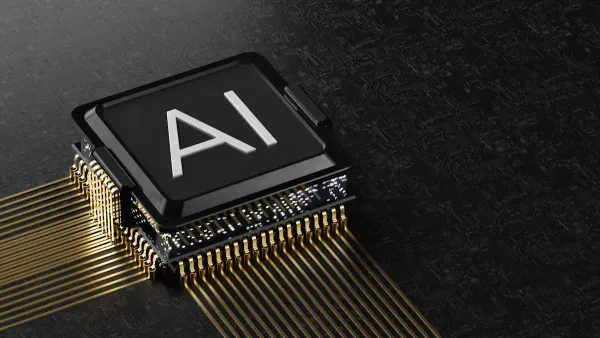
The System-on-Chip (SoC) is the brain of an AI camera. It dictates the device's computing power and overall performance. HiSilicon AI SoCs are popular choices in the industry. They integrate CPU, GPU, NPU (Neural Processing Unit), and ISP (Image Signal Processor) into a single chip. This integration is crucial for real-time processing and efficient edge computing. Selecting the right SoC is the most significant decision in the camera's design and manufacturing process.
SOC OPTIONS AND PRICE POINTS
HiSilicon offers a range of SoCs to fit different performance and cost targets. Entry-level chips are ideal for simple AI tasks. High-performance chips enable complex deep learning models. The NPU's TOPS (Trillions of Operations Per Second) rating is a key metric for AI performance. Higher TOPS allow for more sophisticated AI data processing. The production cost of these chips decreases significantly with volume.
| Model Series | NPU Performance | Max. Encoding | Key Interfaces | Est. 2025 Price (10k units) |
|---|---|---|---|---|
| Entry (Hi3516DVxxx) | 0.5 - 1.0 TOPS | 4MP H.265 | MIPI, Ethernet | $12.00 - $18.00 |
| Mid (Hi3516AVxxx) | 1.5 - 2.5 TOPS | 8MP H.265 | MIPI, Ethernet, USB 3.0 | $20.00 - $28.00 |
| High (Hi3519AVxxx) | 3.0 - 4.0 TOPS | 8MP+ H.265 | Multi-MIPI, PCIe, USB 3.0 | $30.00 - $45.00 |
IMPACT OF SOC CHOICE ON TOTAL BOM
Choosing an SoC directly influences the total BOM cost. A high-performance SoC has a higher unit price. It also creates a ripple effect on other components.
- Direct Cost: A 4.0 TOPS SoC can cost over twice as much as a 1.0 TOPS SoC. This single choice can shift the total BOM by 15-20%.
- Indirect Cost: Powerful HiSilicon AI SoCs require more supporting infrastructure. This includes faster, larger DDR4 memory, a more complex 6-layer PCB for signal integrity, and a robust power management system. This advanced computing capability for deep learning and edge computing demands careful design.
Note: A higher-spec SoC often requires a heat sink or other thermal management solutions. This adds to the material and assembly cost during production. The goal is to balance AI computing performance with the overall product cost to achieve low latency for data processing without overspending. This balance is key for successful edge computing applications that rely on machine learning.
IMAGING SYSTEM COST BREAKDOWN
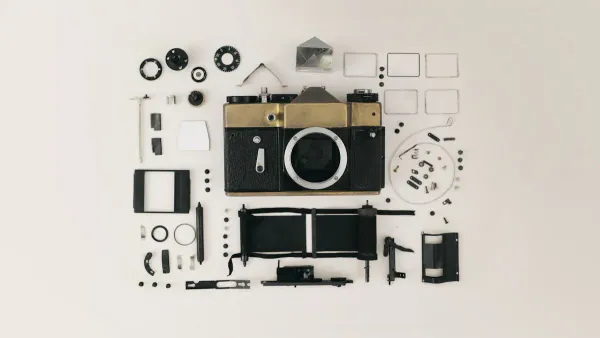
The imaging system captures visual data for the SoC to analyze. Its quality directly impacts the AI model's effectiveness. These components are critical for reliable performance in any AI camera. The total cost of this system depends on the sensor, lens, and filter choices.
IMAGE SENSOR COST FACTORS
The image sensor is the heart of the imaging system. Its primary cost drivers are resolution, sensor size, and special features.
- Resolution and Size: A 4K sensor costs more than a 1080p sensor. Larger sensors (e.g., 1/1.8") capture more light and produce higher quality data, but increase the production cost.
- Low-Light Performance: Sensors with excellent low-light sensitivity require advanced manufacturing processes, which adds to their price.
- High Dynamic Range (HDR): HDR technology helps the camera capture clear data in scenes with both bright and dark areas. Modern advancements allow manufacturers to add HDR capabilities to existing CMOS designs. This improves image quality without a major increase in system cost, making better performance accessible for consumer-level production.
This approach to sensor design supports enhanced data processing for edge computing applications. The goal is to balance image quality with the overall budget.
LENS AND IR-CUT FILTER MODULES
The lens and filter module works with the sensor to deliver clean, focused image data for AI processing. The cost of these components varies based on their complexity and quality.
Pro Tip: A high-resolution sensor paired with a low-quality lens will produce poor results. The lens must be able to resolve the detail that the sensor can capture. This ensures high-quality data for the AI computing tasks.
A basic plastic lens is inexpensive. A multi-element glass lens with a wide aperture (e.g., f/1.6) for better low-light performance is more expensive. The IR-cut filter is a mechanical component that moves a filter in front of the sensor. It enables the camera to see in both day (color) and night (infrared) conditions. The reliability of this mechanism is key for long-term performance. The choice of these components is a trade-off between optical quality and final unit cost, impacting the device's edge computing capabilities. This careful selection is vital in the manufacturing of any ai camera.
MEMORY AND STORAGE COSTS
Memory and storage are essential components for any AI camera. They work directly with the SoC to manage data and run software. DDR SDRAM (RAM) provides the high-speed workspace for active data processing. NAND Flash (storage) holds the operating system, firmware, and the AI models themselves. The cost of these components depends on capacity, speed, and market supply, directly impacting the final production cost.
DDR SDRAM PRICING
The SoC requires DDR SDRAM for its real-time computing operations. More powerful SoCs need larger and faster memory to handle complex data streams without bottlenecks. This ensures smooth performance during intensive processing. However, the memory market is facing significant changes. Major manufacturers are shifting production to newer technologies like DDR5. This strategic move is creating shortages of older components common in embedded systems.
Market Alert: This supply shift is expected to drive sharp price increases in 2025. Product designers must account for this volatility in their cost planning.
| Memory Type | Projected Price Increase (Q3 2025) |
|---|---|
| DDR3 | 40-45% |
| LPDDR4X | 23-28% |
This trend will raise the overall cost of manufacturing and requires careful component selection to balance budget with the demands of edge computing.
NAND AND EMMC FLASH PRICING
Flash memory provides the non-volatile storage for the camera. The choice between eMMC and raw NAND flash affects both cost and design complexity. eMMC includes a built-in controller, simplifying the design process. Raw NAND is cheaper but requires an external controller and more engineering effort. The primary cost driver is capacity, with 8GB or 16GB being common for mid-range AI devices. The quality of the flash memory is also critical. It ensures the device boots reliably and that all system data remains intact. Using high-quality components is fundamental for stable edge computing and delivering a dependable product. This careful selection supports the device's long-term data integrity and computing functions.
CONNECTIVITY AND PERIPHERAL COSTS
Connectivity components enable an AI camera to transmit its valuable data and insights. These parts form the critical link between on-device processing and the wider network. The choice between wired and wireless solutions directly influences the final production cost and user experience. Effective edge computing requires a reliable way to offload results or receive updates.
ETHERNET AND POE COMPONENTS
Ethernet provides a stable, high-speed wired connection for data transfer. Key components include the Ethernet PHY (physical layer) transceiver and the magnetics module. Many designs also incorporate Power over Ethernet (PoE). This technology sends power and data over one cable, simplifying installation. Adding PoE functionality requires a dedicated controller IC, which increases the material cost but offers significant practical benefits. This integrated approach is essential for robust computing performance.
WI-FI AND BLUETOOTH MODULES
Wireless connectivity offers flexibility for camera placement. Engineers often choose pre-certified Wi-Fi and Bluetooth modules for their designs.
Design Insight: Using a pre-certified module adds a few dollars to the unit cost compared to a chip-down design. However, it dramatically reduces NRE costs and speeds up the regulatory certification (FCC/CE) process, simplifying the overall manufacturing timeline.
These modules contain the necessary chipsets and antennas in one package. This ensures reliable wireless performance for the ai camera. Bluetooth is typically used for simple device setup and configuration, complementing the high-throughput data connection provided by Wi-Fi for ai applications.
CONNECTORS AND PASSIVE COMPONENTS
The final cost of a product includes numerous small but essential parts. These components include RJ45 jacks, power connectors, and high-density board-to-board connectors for the sensor module. While each part costs pennies, their cumulative cost is significant in high-volume production. The quality of these items is paramount. Low-quality connectors can lead to field failures, damaging brand reputation. Selecting durable components ensures the device can handle the demands of continuous data processing and edge computing. This focus on quality is vital for any ai device.
POWER, PCB, AND THERMAL COST
The foundation of any electronic device lies in its power delivery system, circuit board, and thermal management. These elements ensure the high-performance components can operate reliably. Their combined cost is a significant part of the final production budget. A robust design in these areas prevents field failures and guarantees consistent device operation.
POWER MANAGEMENT ICS
A stable power supply is the lifeblood of an AI camera. The Power Management IC (PMIC) and its supporting DC/DC converters regulate voltage for the entire system. These components deliver precise power rails to the SoC, sensor, and memory. A clean power design is essential for error-free data processing and computing. The complexity of the power system increases the material cost. More powerful SoCs require more voltage rails, which adds to the number of components and the overall design challenge.
PRINTED CIRCUIT BOARD ESTIMATION
The Printed Circuit Board (PCB) is the physical platform connecting all electronic components. Its cost depends on several key factors:
- Layer Count: A standard 4-layer PCB is cost-effective for simpler devices. High-performance SoCs often require a 6-layer PCB to manage high-speed data signals and power integrity, which increases the manufacturing cost.
- Dimensions: Larger boards use more material and naturally cost more.
- Volume: The per-unit PCB cost decreases significantly with higher production volumes.
The quality of the PCB directly impacts the reliability of the final product. A well-engineered board is crucial for stable edge computing.
THERMAL MANAGEMENT COMPONENTS
High-performance computing generates heat. The SoC in an ai camera can get hot during intensive processing tasks. Effective thermal management is necessary to maintain performance and device longevity.
🌡️ Engineering Note: Without proper cooling, an SoC will throttle its computing speed to prevent damage. This directly degrades the ai device's capabilities and the quality of its data output.
The thermal solution adds to the final cost. Simple designs might only need a Thermal Interface Material (TIM) to transfer heat to the enclosure. More powerful ai systems require a dedicated aluminum heat sink. This component adds a few dollars to the production cost but is essential for sustained edge computing.
EMERGING APPLICATIONS: AUTOMOTIVE AND BEYOND
The principles of AI camera design extend into demanding new markets. The automotive industry is a primary example. It pushes the boundaries of performance and reliability for autonomous systems. The technology used in these advanced vehicles is transforming the future of transportation.
COST FACTORS FOR AUTOMOTIVE CAMERAS
The automotive sector imposes strict requirements that increase production cost. Unlike consumer electronics, automotive components must meet higher standards for safety and durability. This directly impacts the final unit cost.
Automotive Grade Explained: Components must often be AEC-Q100 qualified. This certification ensures they can operate reliably in extreme temperatures and high-vibration environments found in vehicles. This level of quality is non-negotiable for automotive applications.
This rigorous standard applies to every part, from the sensor to the processor. The need for functional safety (ISO 26262) adds another layer of complexity and cost to the design and production process. An ai automotive system must be exceptionally robust. This ensures the ai automotive camera functions correctly for the life of the vehicles. The ai automotive industry demands this level of performance for all autonomous vehicles.
CAMERAS FOR AUTONOMOUS VEHICLES
Cameras are the primary sensors for autonomous vehicles. These advanced vehicles rely on a suite of cameras to achieve 360-degree perception. This enables critical ai self-driving functions. The massive amount of visual data requires powerful computing solutions. These autonomous vehicles use sophisticated ai for real-time object detection and scene understanding. This autonomous capability is central to safe navigation.
The development of autonomous vehicles drives innovation in edge computing. Each camera system performs complex data processing. This supports the vehicle's deep learning models. The goal for autonomous vehicles is to make driving safer through autonomous technology. This requires powerful ai computing for machine learning. The ai automotive processor technology enables this autonomous function in modern vehicles. The future of ai self-driving depends on the continuous improvement of this autonomous computing. All autonomous vehicles need this technology. The learning from this data makes autonomous vehicles smarter.
TOTAL AI CAMERA BOM COST EXAMPLE
This section provides a concrete breakdown of a mid-range AI camera. The example illustrates how individual component costs contribute to the final production unit price. The specifications reflect a common configuration for a smart security camera designed for commercial use in 2025. This model balances performance with a target manufacturing cost.
BOM ITEMIZATION AND SPECIFICATIONS
The Bill of Materials (BOM) below details the major components for our example AI camera. The costs are estimated for a production volume of 10,000 units. The selection of these parts directly impacts the device's computing power and data handling capabilities.
| Category | Component | Specification | Est. Unit Cost (10k vol) |
|---|---|---|---|
| Core Processing | SoC | HiSilicon Hi3516AVxxx Series | $24.50 |
| 2.0 TOPS AI Performance | |||
| Imaging System | Image Sensor | 4MP Sony STARVIS (IMX-series) | $9.00 |
| Lens Module | M12 Glass Lens, f/1.6 Aperture | $3.50 | |
| IR-Cut Filter | Mechanical Filter Module | $1.20 | |
| Memory | DDR SDRAM | 1GB (8Gbit) LPDDR4X | $6.00 |
| Flash Storage | 8GB eMMC NAND Flash | $3.80 | |
| Connectivity | Ethernet PHY | 10/100 Mbps Transceiver | $1.50 |
| PoE Controller | 802.3at PoE PD Controller | $4.00 | |
| Wi-Fi/BT Module | Pre-certified 802.11ac Module | $3.50 | |
| Power & PCB | PMIC | Multi-rail Power IC | $2.20 |
| DC/DC & LDOs | Supporting Power Components | $1.30 | |
| PCB | 6-Layer, 80mm x 60mm | $3.00 | |
| Other | Thermal | Aluminum Heat Sink + TIM | $1.50 |
| Connectors | RJ45, Power, Board-to-Board | $1.00 | |
| Passives | Resistors, Capacitors, Inductors | $0.75 |
FINAL ESTIMATED UNIT COST
Summing the individual component costs provides a clear picture of the total material expense. This final number is the primary metric for hardware cost planning before factoring in assembly and other expenses. The right balance of components is key to achieving powerful edge computing without exceeding the budget.
- Core Processing Sub-Total: $24.50
- Imaging System Sub-Total: $13.70
- Memory Sub-Total: $9.80
- Connectivity Sub-Total: $9.00
- Power, PCB, & Other Sub-Total: $9.75
🎯 Total Estimated BOM Cost: $66.75
This final cost of $66.75 places our example camera firmly in the mid-range category. The Hisilicon AI SoCs choice is the largest single expense, defining the device's core AI computing capabilities. The imaging system follows, as high-quality data capture is essential for effective AI processing. This example demonstrates how every part contributes to the final production cost for an advanced edge computing device. The goal of this AI camera design is to deliver powerful on-device computing for real-time AI applications.
This guide establishes a BOM cost between $45.00 and $75.00 for a 2025 mid-range ai camera. Teams can achieve cost-effective production by balancing SoC computing performance with application needs. Evaluating sensor tiers also helps manage expenses. This ensures the final product delivers high-quality data for ai computing.
Beyond the BOM: The total production cost extends past hardware. Teams must budget for "hidden" expenses. These include ai model licensing, which involves significant data processing and computing costs. Regulatory quality assurance is also crucial. FCC certification for a wireless device can cost between $9,000 and $12,000, a necessary step in the manufacturing process.
FAQ
How can teams reduce AI camera BOM costs?
Teams can optimize costs by selecting an SoC that matches the application's needs. Choosing a lower-resolution sensor and using raw NAND flash also reduces expenses. This approach supports cost-effective autonomous ai functions.
Why are automotive cameras more expensive?
Automotive cameras for autonomous vehicles require AEC-Q100 qualified components. These parts ensure reliability in extreme conditions. This standard increases the cost for all autonomous vehicles. The ai systems in these vehicles demand robust hardware for deep learning tasks.
Does a higher TOPS rating always mean a better camera?
Not necessarily. A higher TOPS rating enables more complex ai learning models. However, it increases cost. The best choice balances performance with the specific requirements of the autonomous application. Many autonomous vehicles use specialized processors for machine learning.
What is the future of autonomous vehicles and their cameras?
Future autonomous vehicles will use more cameras for better perception. These autonomous systems will rely on advanced machine learning. The cameras in these vehicles will need powerful processors for real-time deep learning. This makes all autonomous vehicles safer.