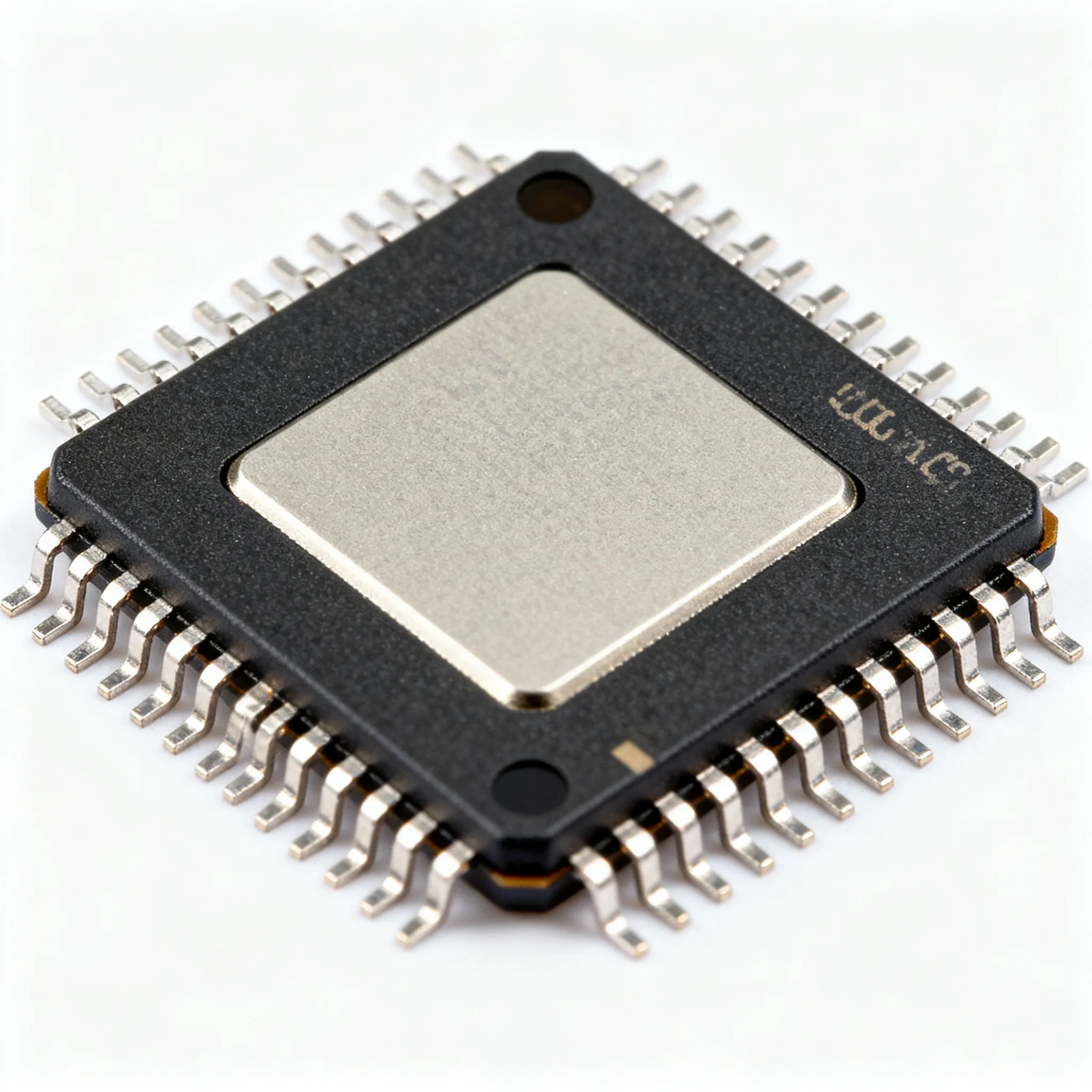
What is HiSilicon? The Brains Behind Your Smart Camera
HiSilicon designs the "brain" for many smart devices. It is a fabless semiconductor company and a subsidiary of Hu
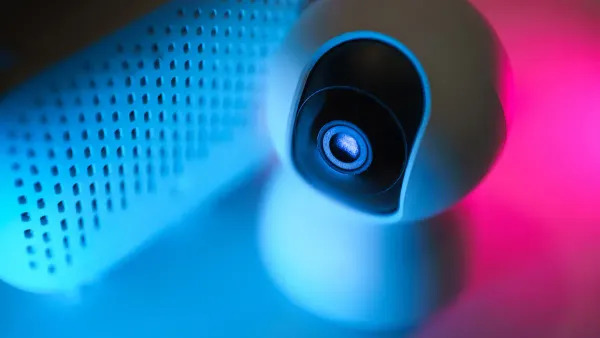
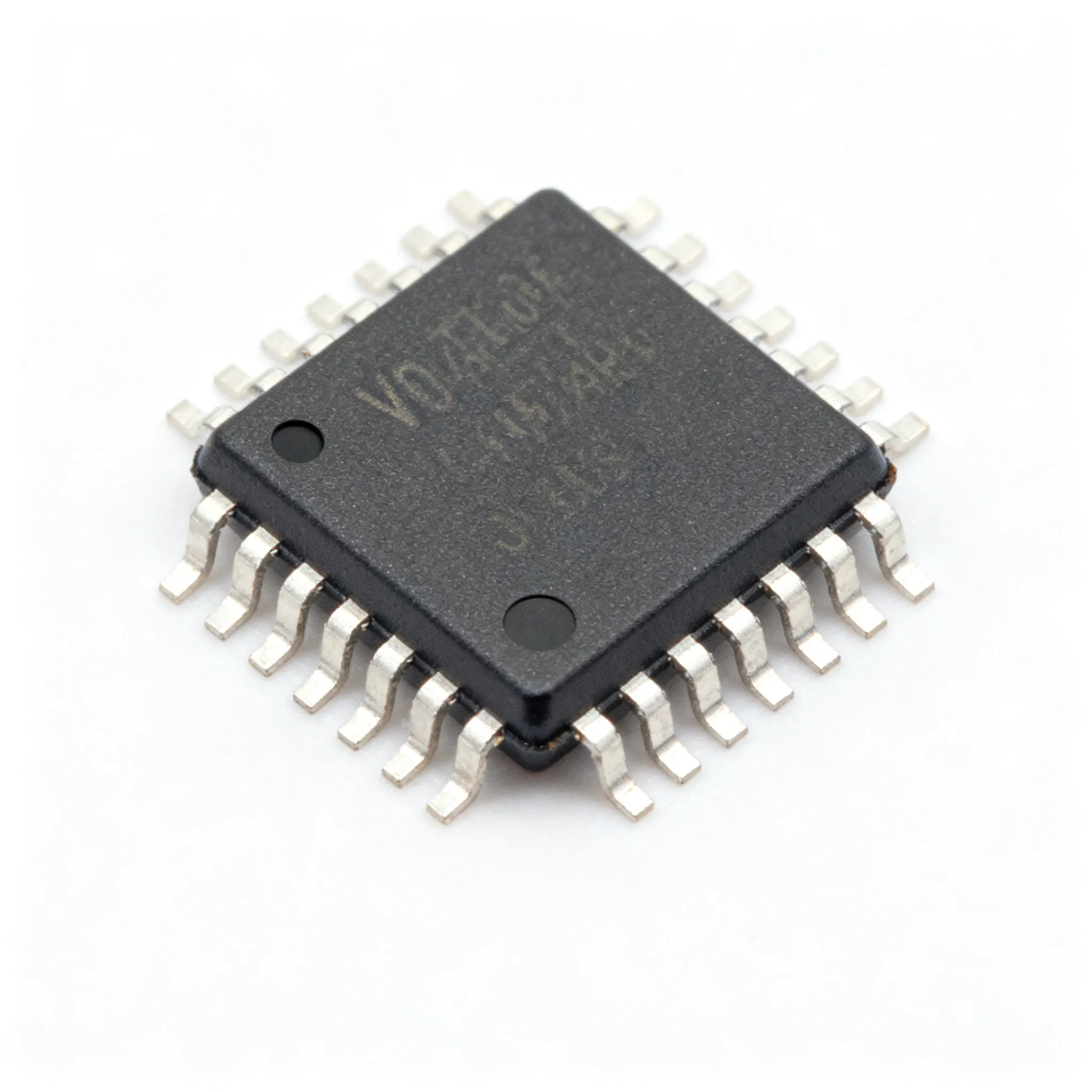
HiSilicon designs the "brain" for many smart devices. It is a fabless semiconductor company and a subsidiary of Huawei. The company's powerful System-on-Chip (SoC) is a key technology for the smart camera industry. This AI SoC enables advanced features and high-quality video processing directly on the camera.
💡 Did You Know? HiSilicon holds a 60% global market share for video surveillance chips. It has shipped over 500 million units, powering tens of millions of smart cameras and IoT devices worldwide.
This single SoC integrates processing, imaging, and AI inference. It makes smart cameras more powerful and intelligent.
Key Takeaways
- HiSilicon makes special chips called SoCs. These chips are like the 'brain' for smart cameras and other devices.
- A HiSilicon chip has three main parts: a CPU for control, an ISP for clear pictures, and an NPU for AI tasks.
- The NPU lets cameras do smart things. It can find people, cars, and even recognize faces right on the camera.
- HiSilicon chips help cameras make better videos. They can fix shaky video and improve picture quality.
- These chips make smart devices possible. They are used in smart homes, stores, and cities.
HOW A HISILICON SOC WORKS
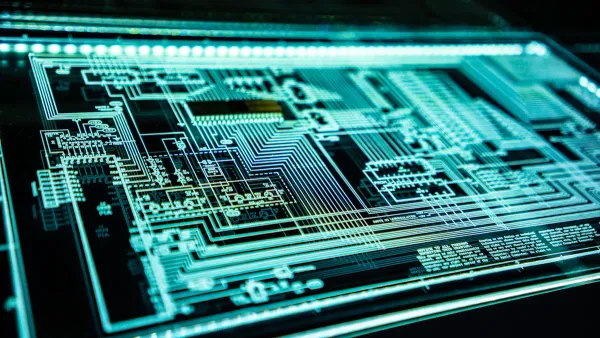
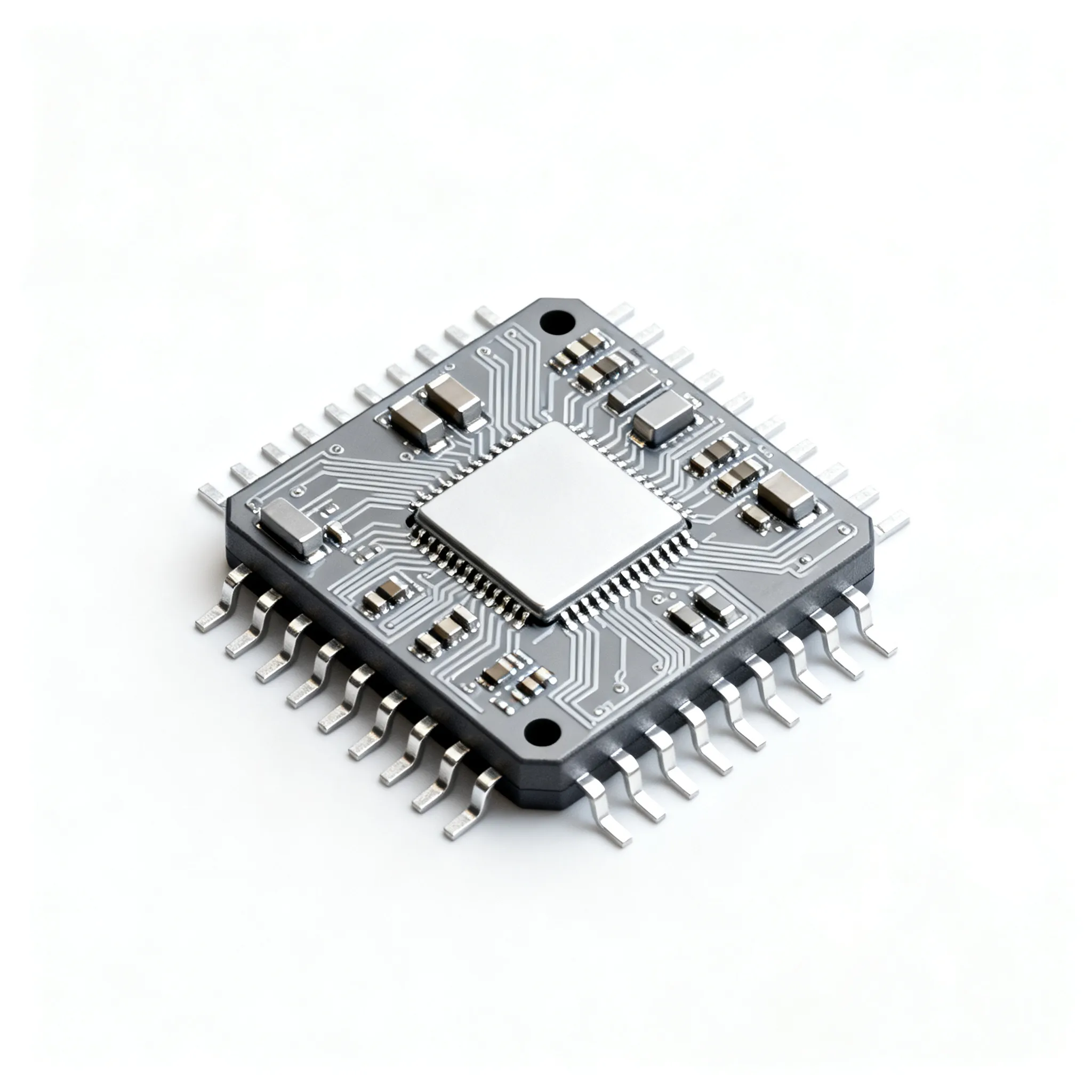
A HiSilicon System-on-Chip (SoC) is not a single part; it is a complete system on one chip. This tiny powerhouse integrates several specialized processors. The main components are the Central Processing Unit (CPU), the Image Signal Processor (ISP), and the Neural Processing Unit (NPU). Each part of the SoC has a specific job, and they work together to make your camera smart.
THE CPU: THE CORE COMMANDER
The CPU acts as the main manager for the entire SoC. It runs the camera's operating system and coordinates all the different tasks. For example, a typical ARM CPU subsystem on the chip handles general operations and ensures all components communicate correctly. The CPU gives the commands, but specialized units do the heavy lifting for video and AI.
THE ISP: THE IMAGE MAGICIAN
The ISP turns raw data from the camera's sensor into a beautiful, clear picture. It is like a digital darkroom that works instantly. The ISP performs many complex tasks to improve image quality. These include:
- Noise Reduction: It uses advanced algorithms like 3D Noise Reduction (3DNR) to remove graininess from low-light video.
- Dynamic Range: It applies Wide Dynamic Range (WDR) technology to balance very bright and dark areas in the same scene.
- Image Correction: It fixes lens distortion and stabilizes shaky video using 6-DoF Digital Image Stabilization (DIS).
This powerful processing allows the latest chips to support video resolutions as high as 8K at 30 frames per second.
THE NPU: ON-DEVICE INFERENCE
The NPU, or neural processing unit, is the dedicated AI brain of the mobile SoC. This specialized ai core is designed for one primary task: running deep neural networks efficiently.
While AI training happens on powerful servers, the NPU performs on-device AI inference. This means the camera can make smart decisions by itself without needing the cloud. The NPU is optimized for machine learning tasks with very low-power usage, which is critical for reducing overall power consumption. This machine learning inference enables features like recognizing faces or objects in real-time. The HiSilicon AI SoC uses its own neural network acceleration engine and development kits, creating a complete platform for intelligent applications. This focus on efficient inference makes the NPU the key to the camera's intelligence. The training for these neural networks is done beforehand, allowing the NPU to focus solely on inference.
KEY HISILICON AI FEATURES
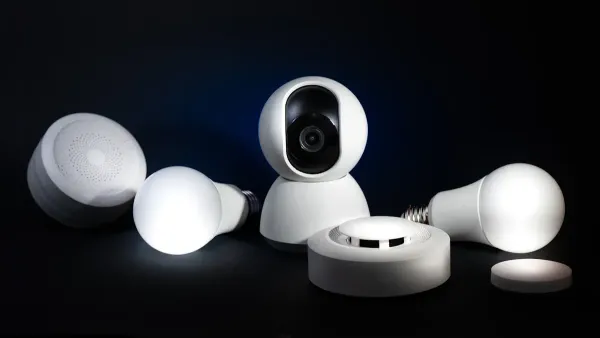
The dedicated Neural Processing Unit (NPU) inside a HiSilicon SoC unlocks powerful AI features. This specialized core runs complex neural network models very efficiently. The NPU performs on-device inference, allowing the camera to analyze video and make intelligent decisions instantly without relying on the cloud. These AI technologies transform a standard camera into a smart device.
INTELLIGENT DETECTION
A camera with a HiSilicon chip can understand what it sees. The NPU enables advanced detection features that go far beyond simple motion alerts. These AI-powered capabilities are more accurate than traditional video analytics.
- Human and Vehicle Detection: The system can distinguish people and cars from other moving objects like pets or swaying trees. This significantly reduces false alarms.
- Facial Recognition: The powerful NPU can identify specific individuals in real-time. The neural processing unit compares faces against a stored database, enabling secure access control or personalized alerts. Some systems can handle large databases and fast recognition speeds.
Recognition Power:
- Database Capacity: Up to 50,000 faces
- Recognition Speed: As fast as 80 milliseconds
- AI Tracking: Once an object is detected, the camera can automatically follow its movement. This feature is useful for monitoring a person or vehicle as it moves through a scene. The fast inference capability of the NPU makes this smooth tracking possible.
ENHANCED VIDEO QUALITY
AI algorithms running on the NPU also work to improve image quality. The neural network models assist the Image Signal Processor (ISP) in creating clearer, more stable video, especially in difficult conditions. This partnership between the NPU and ISP pushes the boundaries of what cameras can capture.
The most advanced SoC platforms support incredible detail. For example, the Hi3559A V100 SoC can process 8K Ultra HD video. Achieving this requires a complete system of powerful components.
What an 8K System Needs:
- Processor: A multi-core Arm CPU for general tasks.
- AI Engine: A dedicated neural network accelerator for AI inference.
- Video Engine: Hardware that supports H.265 encoding and decoding at 8K resolution.
- Sensor: A high-resolution camera sensor capable of capturing 8K images.
These components work together to deliver stunning video clarity. The system also uses AI to perform 6-DoF Digital Image Stabilization (DIS). This neural network-based feature corrects shaky video from six different directions, producing a smooth and professional-looking result.
SMART APPLICATIONS
The combination of high-quality imaging and on-device AI opens up a world of smart applications. These uses extend far beyond typical home security cameras. The powerful SoC makes intelligent machine vision possible across many industries.
- Smart Retail: Stores use cameras for more than just security. They can analyze customer traffic patterns, identify popular areas, and manage checkout lines. This data helps businesses improve store layout and enhance the customer experience.
- Industrial Automation: In factories, 'Smart Vision' solutions power automated quality control. Cameras can spot defects on a production line with incredible speed and accuracy. They also improve safety by monitoring restricted areas and ensuring workers follow safety protocols.
- Smart Cities: HiSilicon-powered cameras are essential tools for managing modern cities. For example, the Smartgiant Horus camera uses a HiSilicon processor for traffic management. These systems monitor traffic flow, detect accidents, and help keep public spaces safe.
HISILICON'S ROLE IN AI CHIPS TECHNOLOGY TRENDS
HiSilicon plays a significant role in shaping current ai chips technology trends. The company focuses on creating powerful, efficient, and accessible platforms. This strategy influences the entire smart vision industry.
HIGH-PERFORMANCE, COST-EFFECTIVE SOLUTIONS
HiSilicon provides cost-effective solutions without sacrificing performance. This approach helps it compete with other major players like NVIDIA and Ambarella. The company's mobile soc integrates a powerful NPU designed for high inference throughput and very low-power operation. This focus on efficiency reduces overall power consumption, a critical factor for ai edge devices.
💡 Market Insight While NVIDIA leads with high-performance platforms,
hisiliconhas captured a large market share in Asia. It offers competitivelow-power inference chipsfor smart city projects. Thismobile ai chipstrategy makes advancedinferencemore affordable.
The NPU is a specialized neural network accelerator. It allows the mobile soc to perform complex tasks with minimal energy.
COMPLETE ALL-IN-ONE PLATFORMS
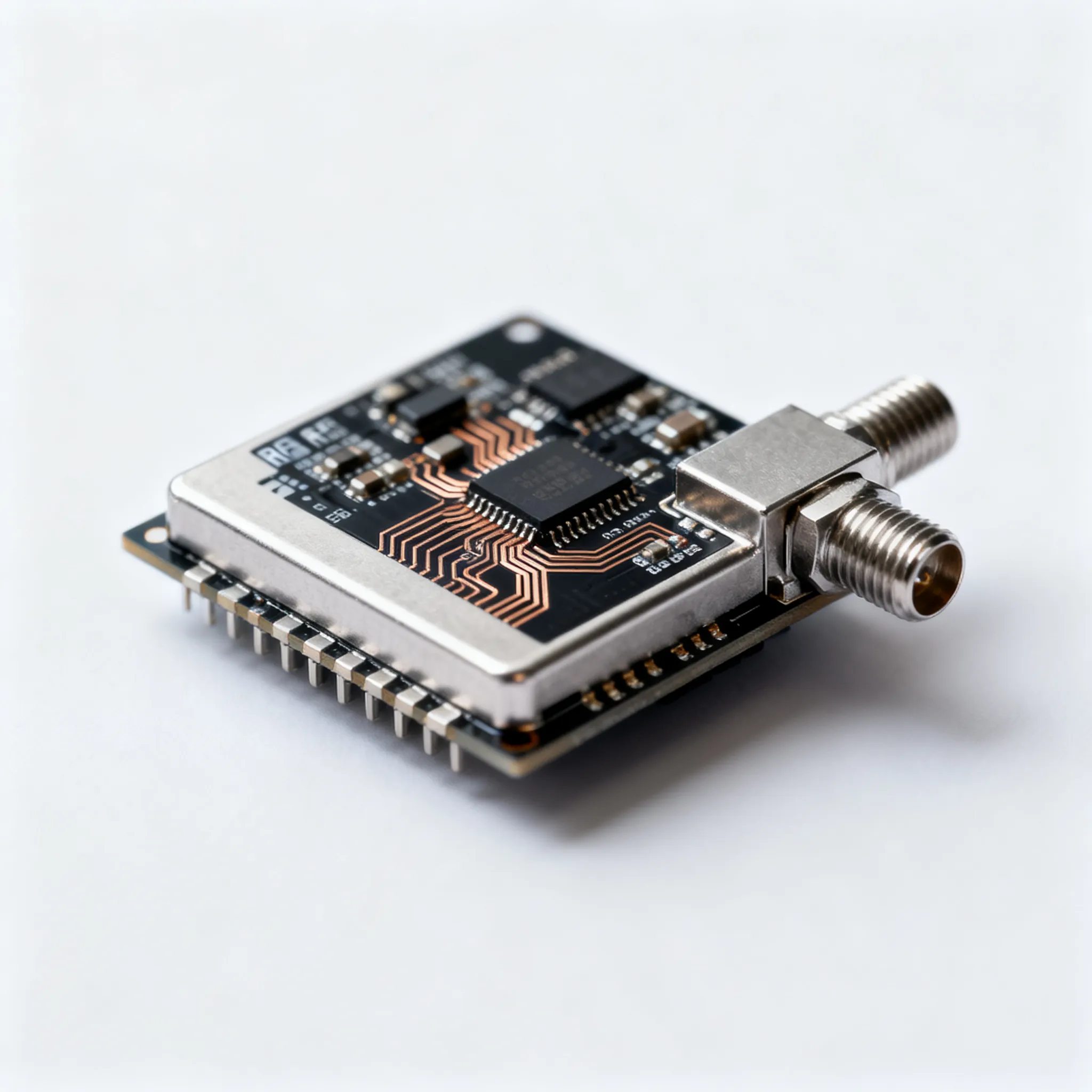
The company offers more than just a chip; it delivers complete platforms. A HiSilicon SoC is the core of a larger ecosystem. The company provides developers with tools like the HiSpark development kit. This kit includes a software development kit (SDK) and reference designs to speed up product creation.
This all-in-one approach is strengthened by key partnerships.
- ARM: Licenses its Mali graphics processors for the
SoC. - InvenSense: Provides sensor software to improve navigation and positioning.
These collaborations help manufacturers build sophisticated ai systems more easily. The platform supports the entire machine learning workflow, from training a model to deploying it for on-device inference.
DRIVING INDUSTRY INNOVATION
HiSilicon actively drives innovation in the AI chip market. Global trade challenges have pushed the company to increase its domestic research and development. This has accelerated the creation of advanced neural network technologies. The company's neural processing unit is a result of this focused innovation. The NPU is a dedicated neural engine that excels at running machine learning models after their initial training. This powerful NPU enables complex neural network applications while maintaining low-power consumption. This commitment to developing its own technology helps secure its position as a key player, especially as the Asia Pacific region leads the global AI chips market.
HiSilicon designs the powerful ai soc, the "brain" inside many modern smart devices. This single soc combines processing, imaging, and AI inference. The soc makes each camera smarter by enabling fast on-device inference.
This integrated approach solidifies its role in shaping the future of smart vision, making intelligent technology more powerful and accessible.
FAQ
What is a fabless semiconductor company?
A fabless company designs semiconductor chips but does not manufacture them. It creates the chip blueprints. Another company, known as a foundry, handles the physical production. This model lets HiSilicon focus entirely on chip design and innovation.
Is HiSilicon the same as Huawei?
HiSilicon is a subsidiary of Huawei. It operates as a separate entity focused on designing chips. While Huawei is its parent company and a major customer, many other manufacturers also use HiSilicon's chips in their products worldwide.
Why is on-device AI important for cameras? 💡
On-device AI allows a camera to process information directly. This makes decisions faster because data does not travel to the cloud. It also improves privacy. Your personal video data stays on your device instead of being sent to a server.