How AND Gate Integrated Circuits Enable Logical Decision Making in Electronic Systems
You use AND Gate integrated circuits when devices need to decide using more than one rule. These circuits give a high output only if all inputs are high. This means something happens only when every rule is true.

You use AND Gate integrated circuits when devices need to decide using more than one rule. These circuits give a high output only if all inputs are high. This means something happens only when every rule is true. In smart homes, for example, the system turns on lights only if you walk in and it is dark. Researchers have checked how AND Gate circuits react to different signals. They found these devices work fast and correctly, even in hard systems.
Key Takeaways
-
AND Gate integrated circuits give a high output only if all inputs are high. This helps devices decide what to do when there are many conditions.
-
These circuits are used in smart homes, security systems, and digital devices. They make sure actions happen only when all rules are true.
-
AND Gate ICs help save energy and make things safer. They also help systems work faster and more reliably by checking all input signals first.
-
When you mix AND Gates with other logic gates, you get smart circuits. These circuits can handle hard decisions and help devices work better.
-
In the future, new materials and technology will make AND Gate integrated circuits even faster and better. This will help make electronics smarter.
AND Gate Basics
Function
You use an AND Gate to check if all conditions are true before something happens. This gate takes two or more inputs. It gives a high output only when every input is high. For example, you might want a fan to turn on only if the room is hot and someone is present. The AND Gate makes this possible by checking both signals at the same time.
Researchers have tested AND Gate integrated circuits in many ways. In one experiment, scientists used soft, conductive materials to build digital logic gates. They found that the AND Gate output matched the expected results. When both mechanical inputs turned in the right way, the output turned on. If only one or neither input was correct, the output stayed off. LED lights and videos showed these changes clearly. This proves that AND Gate circuits work as expected in real systems.
Note: You can find AND Gates not only in electronics but also in biology. Scientists have built genetic AND Gates that control how cells behave. These gates only turn on certain genes when all the right signals are present.
Symbol and Truth Table
You can recognize an AND Gate by its unique symbol. The symbol looks like a flat-edged D with two or more input lines on the left and one output line on the right. This simple shape helps you spot AND Gates in circuit diagrams.
The truth table shows how the AND Gate works. It lists all possible input combinations and the output for each one. Here is a typical truth table for a two-input AND Gate:
|
Input A |
Input B |
Output Y (A AND B) |
|---|---|---|
|
0 |
0 |
0 |
|
0 |
1 |
0 |
|
1 |
0 |
0 |
|
1 |
1 |
1 |
This table proves that the AND Gate only gives a high output when both inputs are high. You can trust this logic to make decisions in digital systems.
Integrated Circuits
AND Gate in Circuits
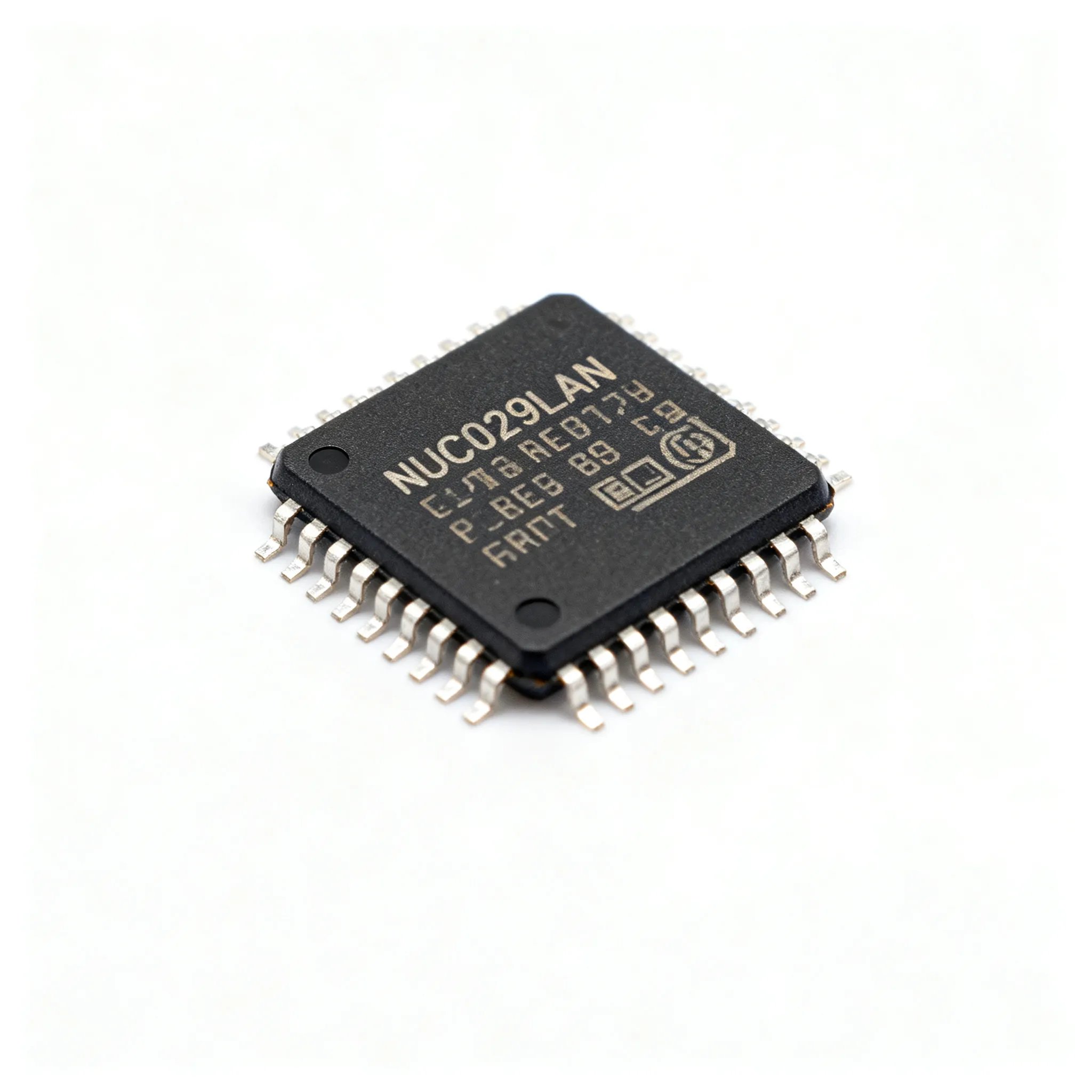
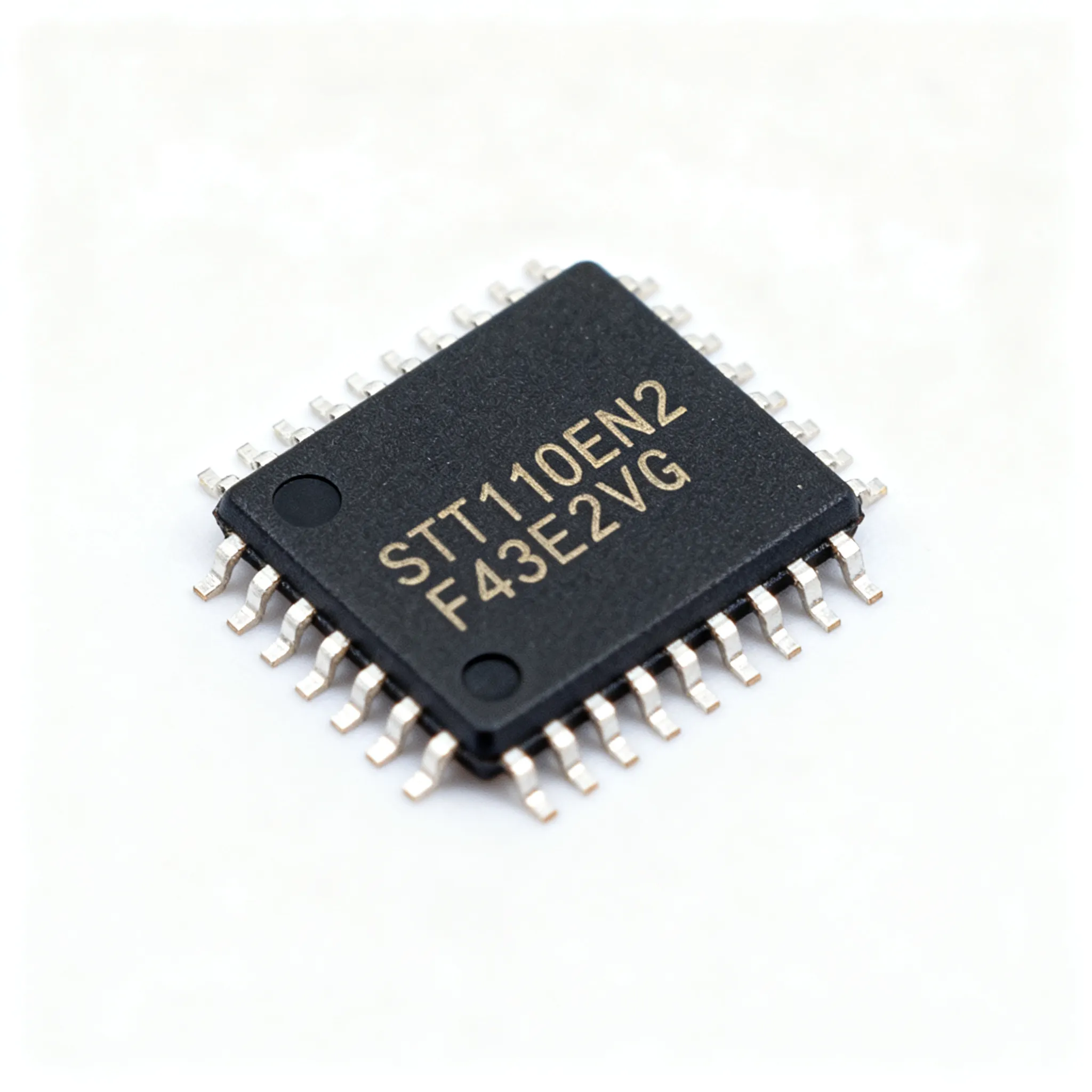
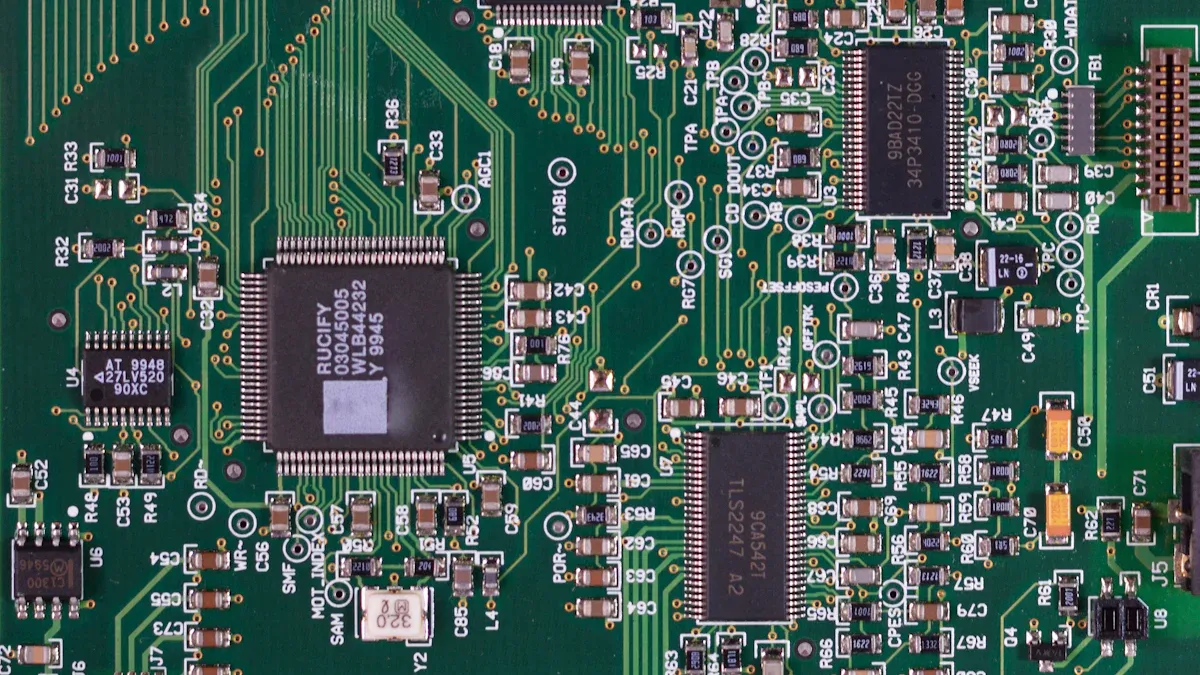
You often find AND Gate integrated circuits inside many digital devices. These small chips contain several AND Gates in one package. You can use them to build circuits that make decisions based on more than one input. For example, you might connect sensors to an AND Gate IC. The circuit will only send a signal if all sensors detect the right conditions.
When you design a circuit, you can use a standard AND Gate IC, such as the 7408 chip. This chip has four separate AND Gates inside. You can connect each gate to different parts of your system. This setup helps you control many actions at once. Here is a simple way to use an AND Gate IC:
-
Connect the power supply to the chip.
-
Attach your input signals to the input pins.
-
Link the output pin to the device you want to control, like a light or a motor.
Tip: Always check the datasheet for your AND Gate IC. The datasheet shows you the correct way to connect the pins and helps you avoid mistakes.
Signal Processing
You use AND Gate integrated circuits to process signals in electronic systems. These circuits check if all input signals are high before sending an output. This process helps you filter out unwanted signals and make sure only the right conditions trigger an action.
For example, in a security system, you might want an alarm to sound only if two doors open at the same time. The AND Gate checks both signals. If both doors open, the output goes high and the alarm sounds. If only one door opens, nothing happens.
You can also use AND Gate circuits to combine signals from different sensors. This method helps you create smart systems that respond to more than one event. Here is a table that shows how an AND Gate processes two input signals:
|
Sensor 1 |
Sensor 2 |
Output (Alarm) |
|---|---|---|
|
0 |
0 |
0 |
|
0 |
1 |
0 |
|
1 |
0 |
0 |
|
1 |
1 |
1 |
This table shows that the alarm only sounds when both sensors detect a problem. You can trust AND Gate integrated circuits to make these decisions quickly and reliably.
Applications

Automation
Automation is used in many places, like homes and factories. In a smart home, lights turn on only if someone enters and it is dark. Sensors check both things. If both sensors send a high signal, the AND Gate integrated circuit lets the lights turn on. This helps save energy and keeps your home comfy.
Factories use automation to keep people safe and machines working well. For example, a conveyor belt moves only if the safety cover is closed and the start button is pressed. The AND Gate checks both signals before the belt runs. This stops accidents and saves power.
You also find these circuits in things like automatic doors. The door opens only if a motion sensor sees someone and the security system says yes. This double check keeps buildings safe.
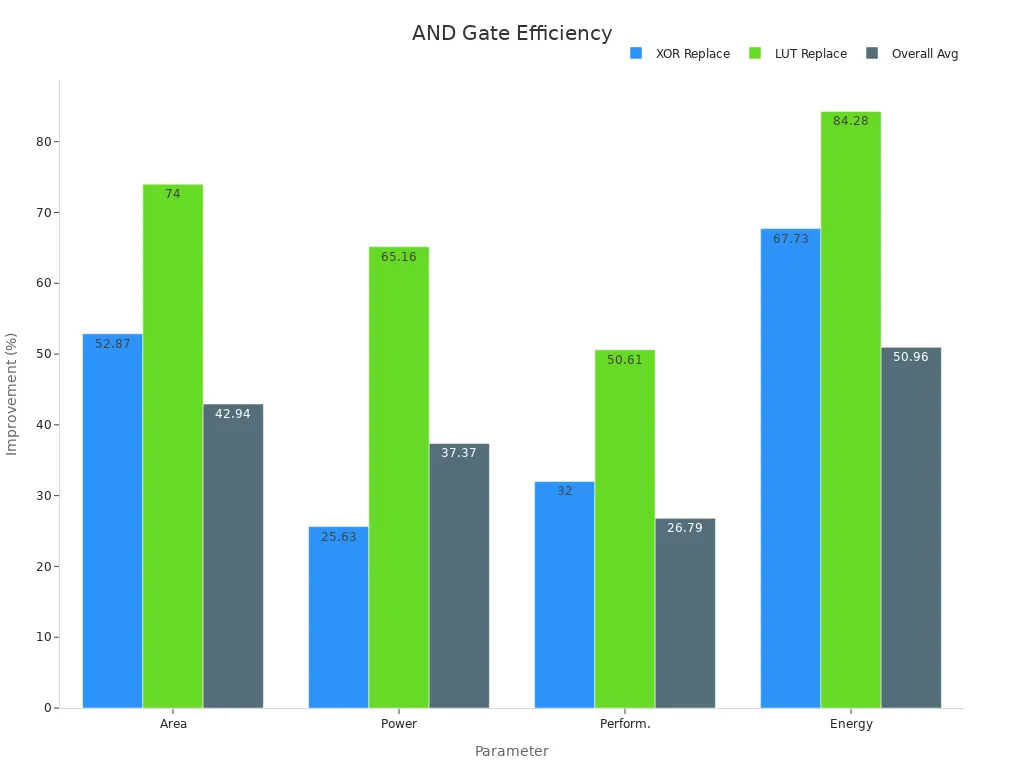
Here is a table that compares using AND Gate integrated circuits in automation with other designs:
|
Comparison Case |
Parameter |
Proposed AND Gate vs Standard CMOS Unencrypted |
Proposed AND Gate vs XOR-based Encrypted Gate |
Proposed AND Gate vs LUT-based Encrypted Gate |
Proposed AND Gate vs Key-based Encrypted Gate |
|---|---|---|---|---|---|
|
Case 1 |
Area |
25% reduction |
N/A |
N/A |
N/A |
|
Case 1 |
Power Consumption |
1.92% reduction |
N/A |
N/A |
N/A |
|
Case 1 |
Performance |
4.44% improvement |
N/A |
N/A |
N/A |
|
Case 2 |
Area Overhead |
N/A |
55.14% overhead |
76.2% overhead |
0% change (same transistor count) |
|
Case 2 |
Power Consumption |
N/A |
49.92% overhead |
65.83% overhead |
N/A |
|
Case 2 |
Performance |
N/A |
31.81% degradation |
55% degradation |
N/A |
|
Case 2 |
Energy Consumption |
N/A |
65.86% overhead |
84.62% overhead |
N/A |
You can see that AND Gate ICs often use less area, power, and energy. They also make things work better.
Digital Devices
You use digital devices every day. Phones, computers, and tablets all need logical decisions. AND Gate integrated circuits help these devices work smarter. For example, your phone unlocks only if you press the power button and your fingerprint matches. The AND Gate checks both signals before letting you in.
In some systems, like medical monitors, an alarm sounds only if two sensors find a problem at the same time. This stops false alarms and keeps you safe.
Tip: When you design digital devices, using AND Gate ICs helps make sure actions happen only when all the right things are true.
Combinational Logic
Logic Gate Combinations
You can make smart circuits by joining different logic gates. When you put together AND, OR, and NOT gates, you get combinational logic. This lets you check many things at the same time. For example, a device might turn on if two sensors see motion and another sensor says it is daytime. You use a mix of gates to do this.
Simulation tests show these combinations help circuits work better. Scientists use Monte Carlo simulation and other ways to check how well circuits work. These tests look at how often the circuit is right and how fast it works. The results show that using good gate mixes makes circuits smaller, faster, and cheaper.
|
Metric |
IGDI-QCA Block Performance |
Existing Designs (e.g., Sadeghi et al., 2020) |
|---|---|---|
|
Cell Count |
Higher cell count |
|
|
Area |
34% reduction |
Larger area |
|
Delay |
50% reduction |
Increased delay |
|
Cost |
67% reduction |
Higher cost |
You can see that using smart gate mixes saves space, energy, and money.
Complex Decisions
You need more than simple gates to make hard choices in digital systems. By linking gates, you can build circuits that follow many rules at once. Microprocessors use layers of gates to handle data and make choices every second.
Scientists found that combining gates makes something called synergy. This means the whole circuit does more than each gate alone. Tests with neural networks show that if you take away parts that mix information, the system cannot solve hard problems. In protein design, scientists made AND, OR, and NOT gates from proteins. They joined these gates to make circuits that only turn on when all the right signals are there. This shows that mixing gates lets you build circuits that handle many inputs and make smart choices.
-
Neural networks need synergy to mix information from different places.
-
Taking away synergy parts makes the system worse at hard jobs.
-
Some gates, like XOR, need all inputs to work together for the right answer.
-
Synergy helps systems learn and use many kinds of information.
You use these ideas in microprocessors and data work. By joining gates, you help devices make fast and good choices every day.
You use AND gate integrated circuits to make sure devices only work when all the right things happen. These circuits are very important for digital logic, automation, and new technology. In the future, you will see some cool changes in this area:
-
The world market for ICs might be worth $1.9 trillion by 2032.
-
New materials and 3D stacking help chips go faster and use less power.
-
AND gates now work super fast, with delays less than 1 nanosecond.
-
AI, IoT, and 5G all need better and smarter logic gates.
You can look forward to AND gate ICs making every electronic system even better.
FAQ
What does an AND gate do in a circuit?
An AND gate checks if all its inputs are high. You get a high output only when every input is high. This helps your device make decisions based on more than one rule.
Where do you use AND gate integrated circuits?
You use AND gate ICs in smart homes, alarms, computers, and robots. These circuits help your devices act only when all the right signals are present.
Can you connect more than two inputs to an AND gate?
Yes, you can use AND gates with two, three, or even more inputs. Each extra input adds another rule your device must check before it acts.
Why do smart systems need AND gates?
Smart systems need AND gates to make sure actions happen only when all conditions are true. This keeps your devices safe, saves energy, and avoids mistakes.
How do you test if an AND gate works?
You can use a simple table to test. Try all input combinations. If the output is high only when every input is high, your AND gate works as expected.
|
Input A |
Input B |
Output |
|---|---|---|
|
0 |
0 |
0 |
|
0 |
1 |
0 |
|
1 |
0 |
0 |
|
1 |
1 |
1 |