Memory Chips: A Practical Guide to Choosing the Right Type for Your Project
Expert guide on Memory Chips: A Practical Guide to Choosing the Right Type for Your Project. Technical specs, applications, sourcing tips for engineers and buyers.
Introduction
In the rapidly evolving world of electronics, choosing the right memory chip for your project can make a significant difference in performance, power efficiency, and cost-effectiveness. With the global semiconductor market projected to reach $595.2 billion by 2026, understanding the nuances of memory chip selection is crucial for engineers and developers. This article delves into the core aspects of memory chip specifications, datasheets, and application circuits, providing a comprehensive guide to making informed decisions.
Technical Overview
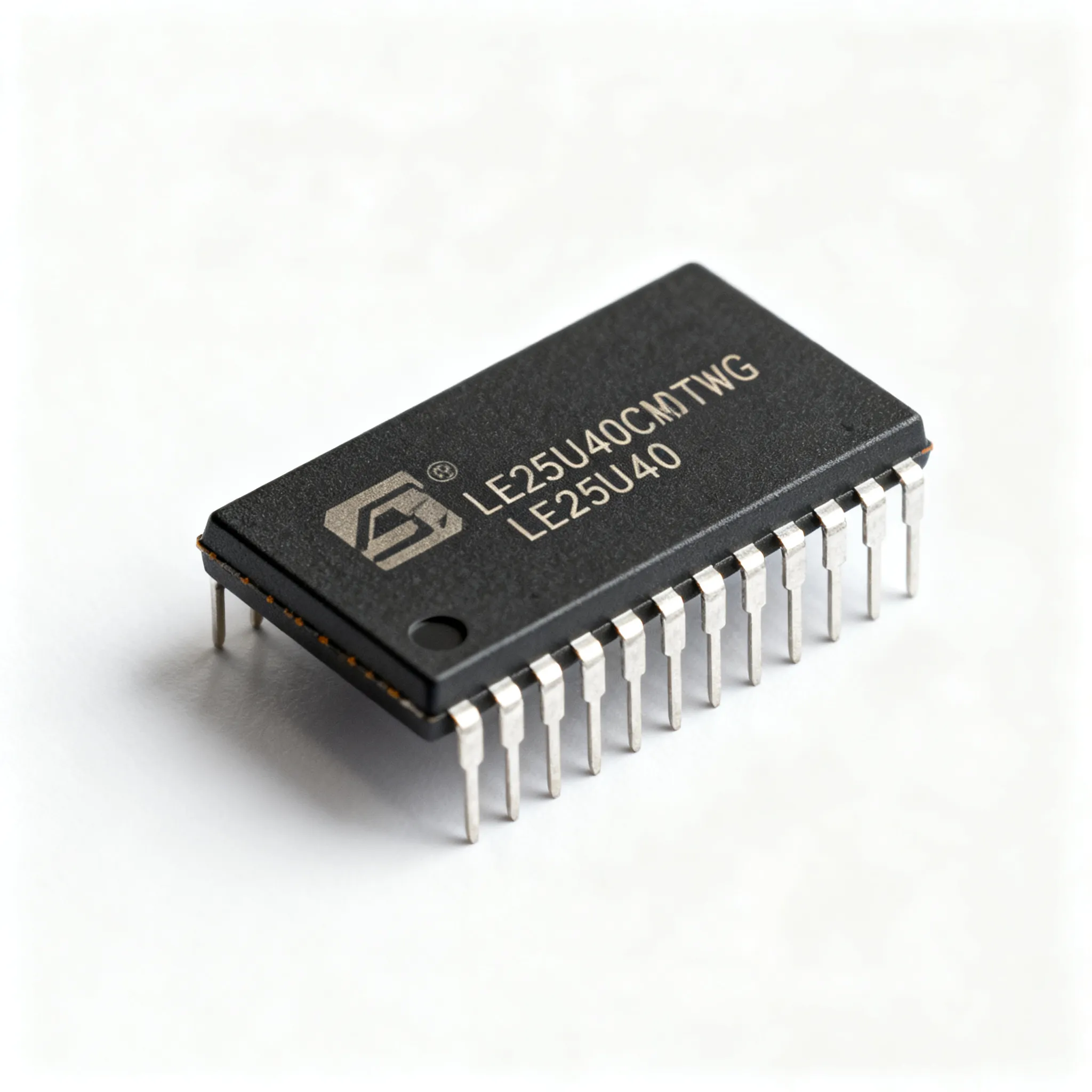
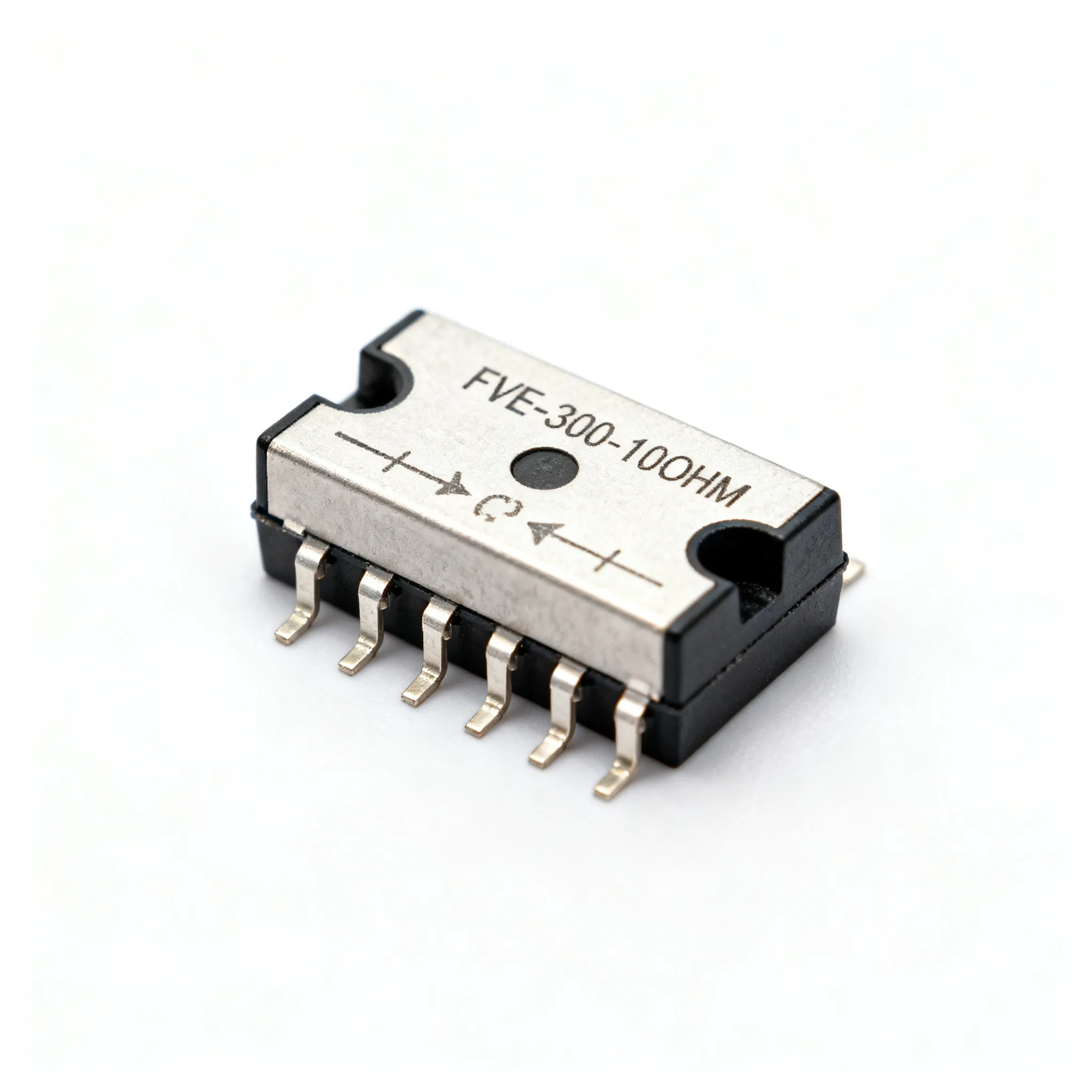
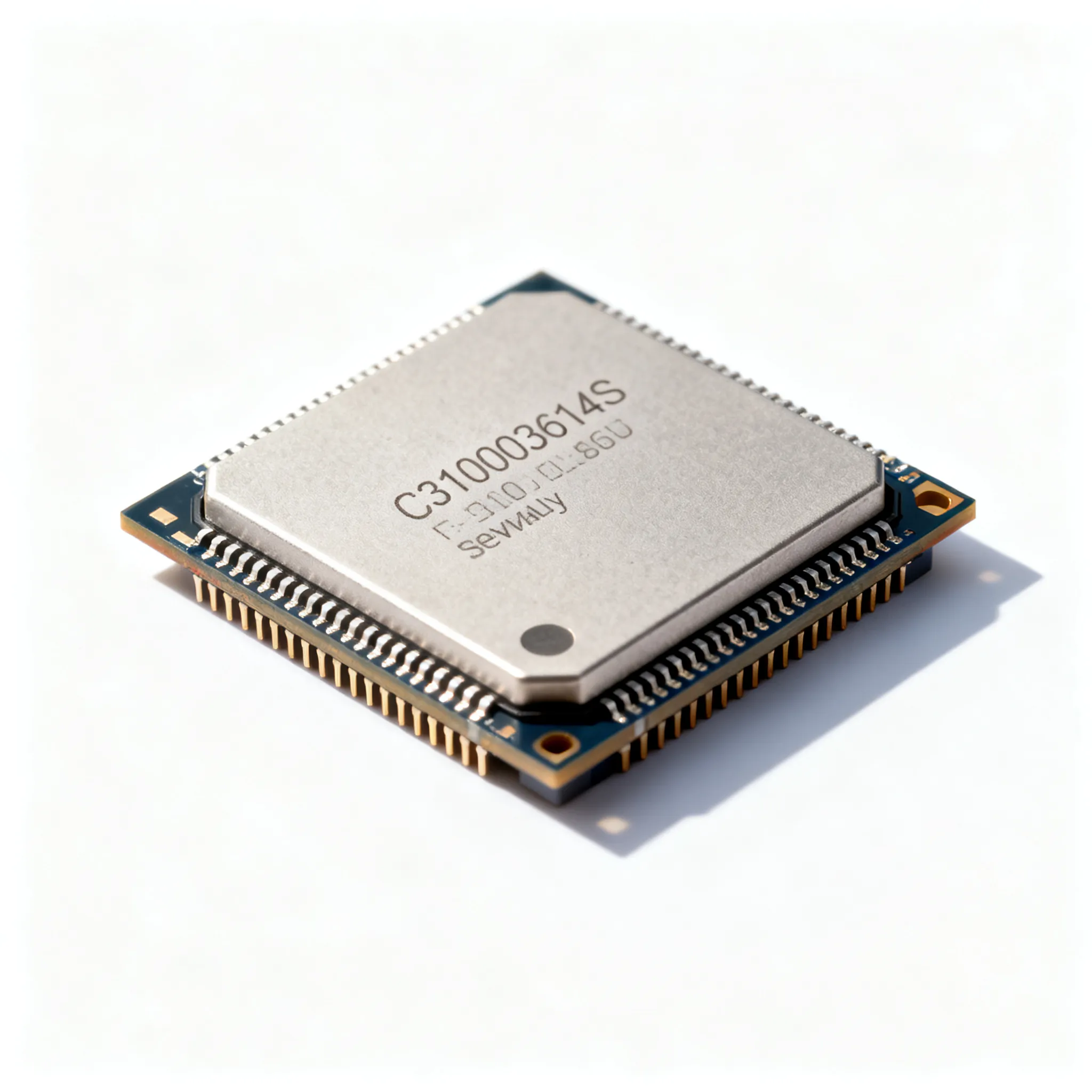
Memory chips are integral components in electronic devices, responsible for storing data and code. They come in various types, including SRAM, DRAM, Flash, and EEPROM, each with unique characteristics and applications. SRAM offers fast access times and is used in caches, while DRAM is suitable for main memory due to its higher density and lower cost. Flash memory is non-volatile and ideal for storage applications, whereas EEPROM allows byte-level erasing and rewriting, making it suitable for storing small amounts of data that require occasional updates.
Key parameters to consider when selecting memory chips include capacity, speed, power consumption, and interface type. The choice of memory also depends on the specific requirements of the application, such as operating temperature range, endurance, and data retention. Understanding these parameters and interpreting datasheets are essential skills for any electronics engineer.
Detailed Specifications
Table 1: Electrical Specifications
| Parameter | Value | Units | Notes |
|---|---|---|---|
| Operating Voltage | 1.8 - 3.3 | V | Common range for low-power applications |
| Access Time | 10 - 45 | ns | Varies by memory type and speed grade |
| Standby Current | 5 - 50 | µA | Important for battery-operated devices |
| Read Current | 15 - 30 | mA | Depends on memory type and speed |
| Write Current | 20 - 40 | mA | Typically higher than read current |
| Data Retention | 10 - 20 | years | For non-volatile memory types |
| Endurance | 10,000 - 100,000 | cycles | Number of erase/write cycles |
| Refresh Rate | 64 - 128 | ms | For DRAM only |
| Interface Type | I2C, SPI, Parallel | - | Varies by application |
| Package Type | SOIC, TSSOP, BGA | - | Depends on form factor requirements |
Table 2: Thermal & Mechanical Specs
| Parameter | Value | Units | Notes |
|---|---|---|---|
| Operating Temperature | -40 to 85 | °C | Industrial temperature range |
| Storage Temperature | -55 to 125 | °C | Safe for long-term storage |
| Thermal Resistance | 20 - 50 | °C/W | Package dependent |
| Junction Temperature | 125 | °C | Maximum operating temperature |
| Weight | 0.5 - 1.5 | g | Depends on package type |
| Package Dimensions | 5x5x1 to 15x15x2 | mm | Varies by form factor |
| Lead Finish | Sn, NiPdAu | - | Lead-free options available |
| Moisture Sensitivity Level | 1 - 3 | - | Depends on package type |
Table 3: Application Comparison
| Application | Memory Type | Advantages | Drawbacks |
|---|---|---|---|
| Embedded Systems | SRAM | Fast access, low power | Higher cost per bit |
| PC Main Memory | DRAM | High density, low cost | Requires refresh cycles |
| Data Storage | Flash | Non-volatile, high capacity | Limited write cycles |
| IoT Devices | EEPROM | Byte-level updates | Slower write speeds |
| Graphics Cards | GDDR | High bandwidth | Higher power consumption |
These tables provide a detailed look at the electrical, thermal, mechanical, and application-specific specifications of memory chips. Each parameter is critical in determining the suitability of a memory type for a particular application. For example, operating voltage and access time are crucial for performance, while thermal resistance and operating temperature are vital for reliability in harsh environments.
Design Considerations
When designing a system that incorporates memory chips, several factors must be considered to ensure optimal performance and reliability. First, the memory type should be chosen based on the application's data storage and retrieval needs. For instance, SRAM is ideal for applications requiring fast data access, while Flash memory is better suited for non-volatile storage.
Power consumption is another critical factor, especially in battery-powered devices. Engineers should select memory types with low standby and operational currents to extend battery life. Additionally, the memory's interface type (e.g., I2C, SPI, or parallel) should match the system's architecture to simplify integration and reduce design complexity.
Thermal management is essential to prevent overheating and ensure longevity. This involves selecting memory chips with appropriate thermal resistance and junction temperature ratings. The physical dimensions and package type should also be considered to ensure compatibility with the PCB layout and form factor constraints.
Finally, engineers must account for the memory's endurance and data retention capabilities, particularly for applications involving frequent data writes. Selecting a memory chip with sufficient write cycles and long data retention periods is crucial for maintaining data integrity over the device's lifetime.
Step-by-Step Guide
- Define Application Requirements: Identify the specific data storage needs, speed requirements, and environmental conditions of your project.
- Select Memory Type: Choose between SRAM, DRAM, Flash, and EEPROM based on the application requirements. Consider factors such as volatility, access speed, and cost.
- Review Datasheets: Analyze datasheets for electrical specifications, including operating voltage, access time, and current consumption. Pay attention to compatibility with your system's power supply and clock speed.
- Evaluate Thermal Specs: Check thermal resistance, junction temperature, and operating temperature range to ensure the memory chip can withstand the application's thermal conditions.
- Consider Interface Compatibility: Ensure the memory chip's interface is compatible with your system's architecture. This may involve selecting between I2C, SPI, or parallel interfaces.
- Assess Package Options: Choose a package type that fits your PCB layout and form factor requirements. Consider factors such as size, lead finish, and moisture sensitivity level.
- Prototype and Test: Integrate the selected memory chip into a prototype and conduct thorough testing to validate performance, power consumption, and thermal management.
- Optimize and Finalize Design: Based on test results, make any necessary adjustments to optimize the design for reliability, efficiency, and cost-effectiveness.
Common Issues & Solutions
- Issue: Overheating due to inadequate thermal management.
Solution: Incorporate heat sinks or thermal pads to dissipate heat effectively. Select memory chips with lower thermal resistance. - Issue: Incompatibility with system voltage levels.
Solution: Use voltage level translators or select memory chips with a compatible voltage range. - Issue: Limited write cycles in Flash memory.
Solution: Implement wear leveling algorithms to distribute write cycles evenly across the memory cells. - Issue: Data corruption due to power loss.
Solution: Use non-volatile memory types or incorporate power-fail protection circuits to ensure data integrity. - Issue: Interface timing issues causing communication errors.
Solution: Verify timing requirements and adjust clock speeds or use buffers to ensure reliable data transfer. - Issue: Insufficient data retention for long-term storage.
Solution: Select memory chips with extended data retention periods or incorporate periodic data refresh mechanisms.
Applications & Use Cases
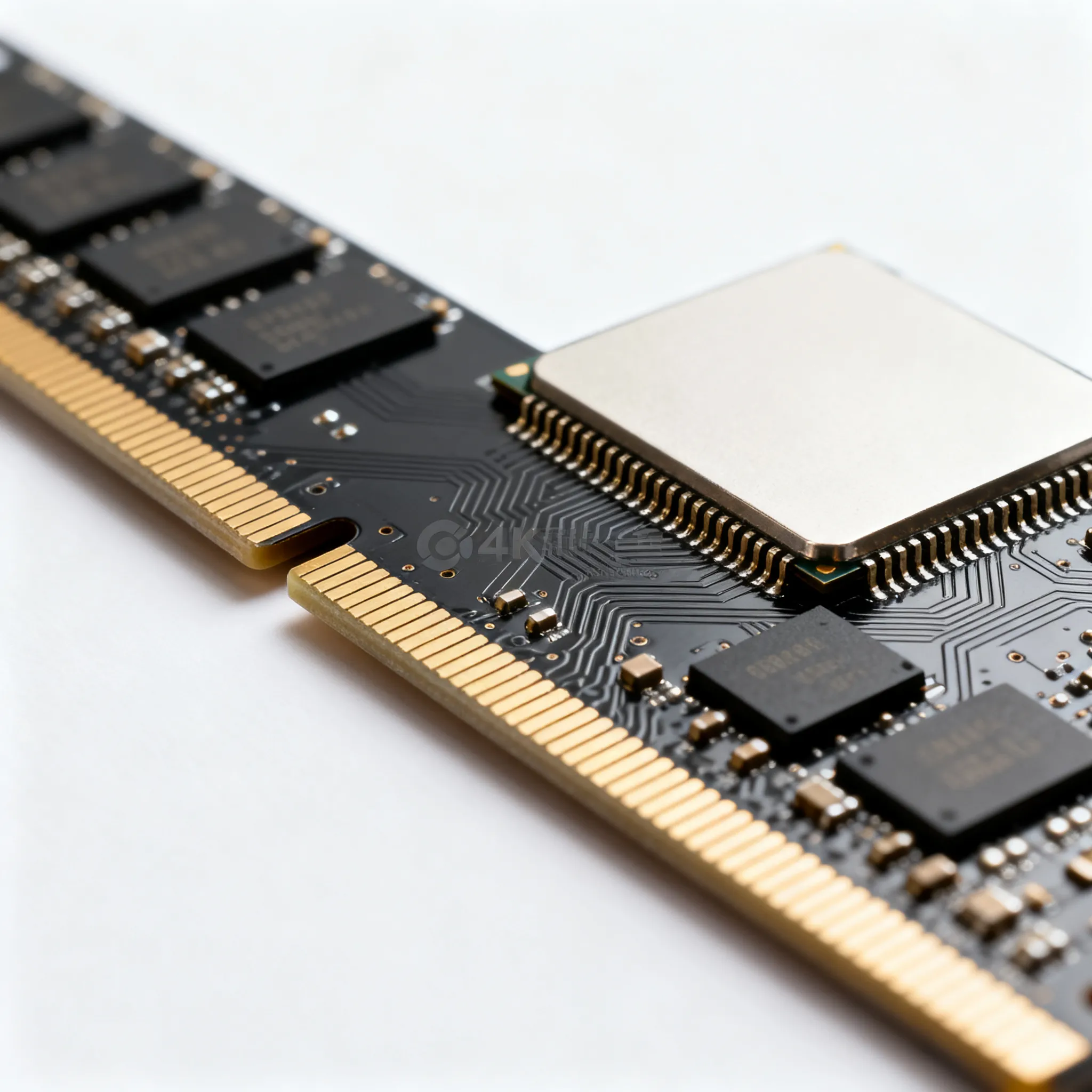
Memory chips are used in a wide range of applications, each with unique requirements. In embedded systems, SRAM is often used for its fast access times and low power consumption, making it ideal for real-time processing tasks. In contrast, DRAM is commonly employed in personal computers and servers due to its high density and cost-effectiveness for main memory applications.
Flash memory is a popular choice for data storage in smartphones, tablets, and solid-state drives (SSDs) due to its non-volatile nature and high capacity. EEPROM is frequently used in IoT devices and automotive applications for storing configuration data and firmware updates, thanks to its ability to perform byte-level updates.
Graphics cards utilize GDDR memory to achieve high bandwidth, enabling smooth rendering of complex graphics and video processing tasks. Each application demands specific memory characteristics, highlighting the importance of selecting the right memory type for optimal performance.
Selection & Sourcing Guide
When sourcing memory chips, it's essential to work with authorized distributors to ensure product authenticity and availability. IC Online offers a wide range of memory chips from leading manufacturers, providing detailed datasheets and competitive pricing. Utilize their parametric search tools to filter options based on your specific requirements, such as capacity, speed, and interface type.
FAQ
- Q: What is the difference between volatile and non-volatile memory?
A: Volatile memory, such as SRAM and DRAM, requires power to retain data, while non-volatile memory, like Flash and EEPROM, retains data even when powered off. - Q: How do I determine the appropriate memory capacity for my project?
A: Consider the total amount of data your application needs to store and retrieve, including code, variables, and user data, to select an adequate memory capacity. - Q: What factors affect the endurance of a memory chip?
A: Endurance is influenced by the memory type, manufacturing process, and the number of erase/write cycles it can support. - Q: Can I use multiple memory types in a single project?
A: Yes, many projects use a combination of memory types to balance speed, capacity, and cost, such as SRAM for fast access and Flash for data storage. - Q: What role does the memory interface play in system design?
A: The memory interface determines how data is transferred between the memory chip and the microcontroller or processor, affecting speed and complexity. - Q: How do I ensure compatibility with my microcontroller?
A: Check the microcontroller's datasheet for supported memory interfaces and voltage levels, and select memory chips that match these specifications. - Q: What is wear leveling, and why is it important?
A: Wear leveling is a technique used to distribute write cycles evenly across memory cells, extending the lifespan of Flash memory by preventing premature wear of specific cells. - Q: How do I interpret a memory chip's datasheet?
A: Focus on key parameters such as operating voltage, access time, current consumption, and interface type. Compare these with your project's requirements to ensure compatibility. - Q: What are the benefits of using GDDR memory in graphics cards?
A: GDDR memory offers high bandwidth, enabling rapid data transfer rates necessary for rendering complex graphics and video processing. - Q: How does temperature affect memory performance?
A: Extreme temperatures can impact memory reliability and data retention. Select memory chips with appropriate thermal ratings for your application's operating environment.
Conclusion
Choosing the right memory chip for your project is a critical decision that impacts performance, reliability, and cost. By understanding the key specifications and design considerations, you can select memory components that meet your application's unique requirements. Utilize authorized distributors like IC Online to source high-quality memory chips and ensure successful integration into your designs.