Prototype PCB Assembly Services and How They Accelerate Your Product Development Cycle
Prototype PCB Assembly gives you a powerful advantage by enabling rapid iteration, quick-turn delivery, and early testing.
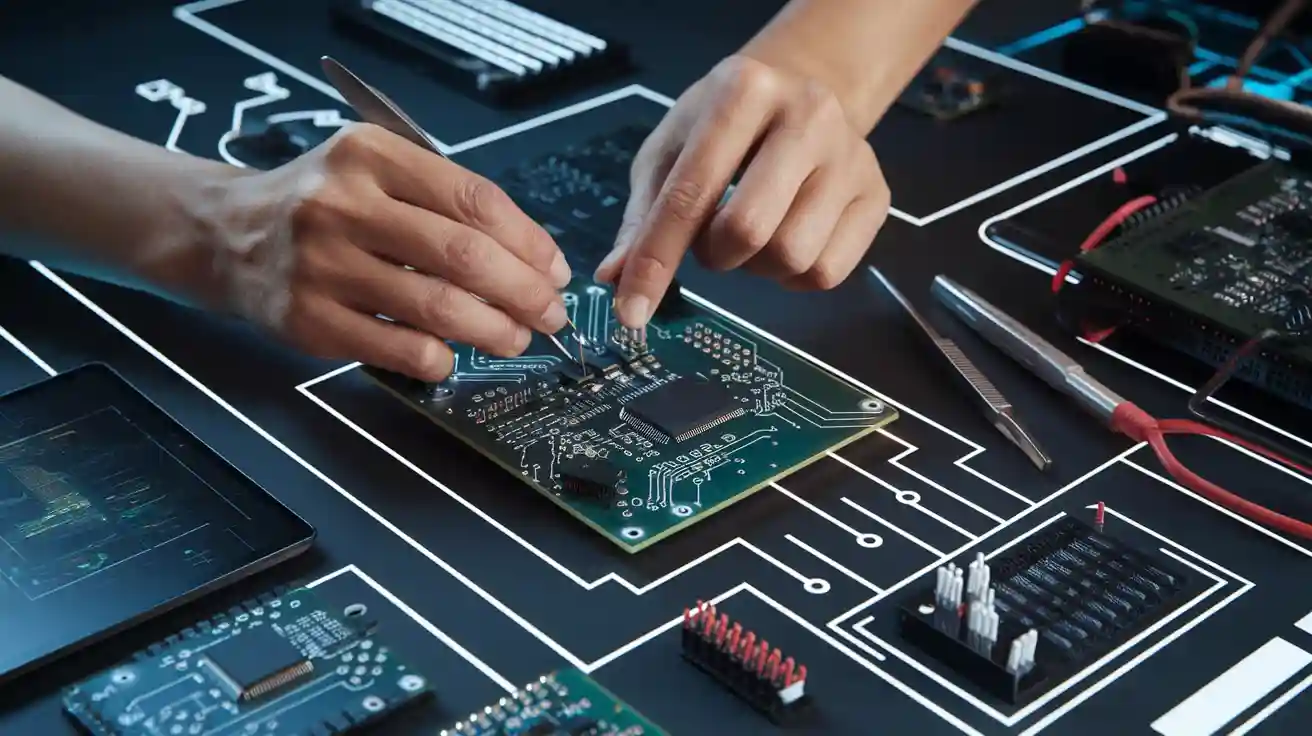
Prototype PCB Assembly gives you a powerful advantage by enabling rapid iteration, quick-turn delivery, and early testing. You can reduce your product’s turnaround time from weeks to as little as one day, as shown below:
|
Metric |
Quick Turn PCB |
Traditional PCB |
|---|---|---|
|
Turnaround Time |
1-6 weeks |
|
|
Time-to-Market Reduction |
Up to 40% faster |
N/A |
With this approach, you gain speed and flexibility. Rapid prototyping lets you test ideas early, adapt quickly, and lower the risk of costly late-stage changes.
Key Takeaways
-
Prototype PCB Assembly speeds up product development by delivering boards in as little as one day, helping you test and improve designs quickly.
-
This process offers great design flexibility, letting you try new ideas, swap parts, and make changes without waiting for full production.
-
Early testing with prototypes helps catch errors and reduce costly mistakes, saving time and money in the long run.
-
Choosing the right assembly provider and following design best practices ensures high quality and smooth project progress.
-
Clear communication and using modern workflow tools improve teamwork and help you bring better products to market faster.
What Is Prototype PCB Assembly?
Definition
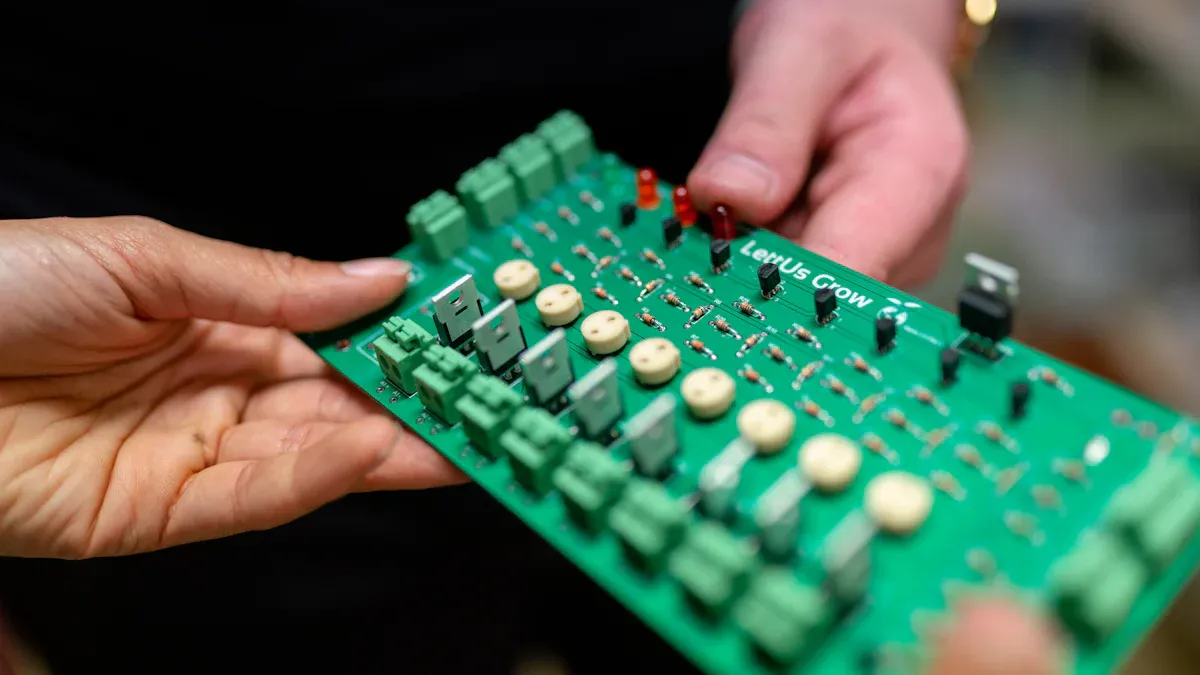
Prototype PCB Assembly refers to the process where you assemble printed circuit boards in small quantities for early-stage product development. This process gives you flexibility and personal attention. You can have almost any part placed on any board, often within just 24 hours. Unlike traditional production, you do not need to rely on large amounts of statistical data or extensive setup. Each order is unique, and you can change it easily if you need to repeat it.
You will notice several differences between prototype and traditional PCB assembly:
-
Prototype PCBs are made in small batches, while production PCBs use large volumes.
-
The process for prototypes focuses on speed and flexibility.
-
Production methods aim for efficiency and consistency, which leads to longer lead times.
-
You can make rapid design changes and test new ideas with prototypes.
-
Production PCBs have fixed designs and less room for change.
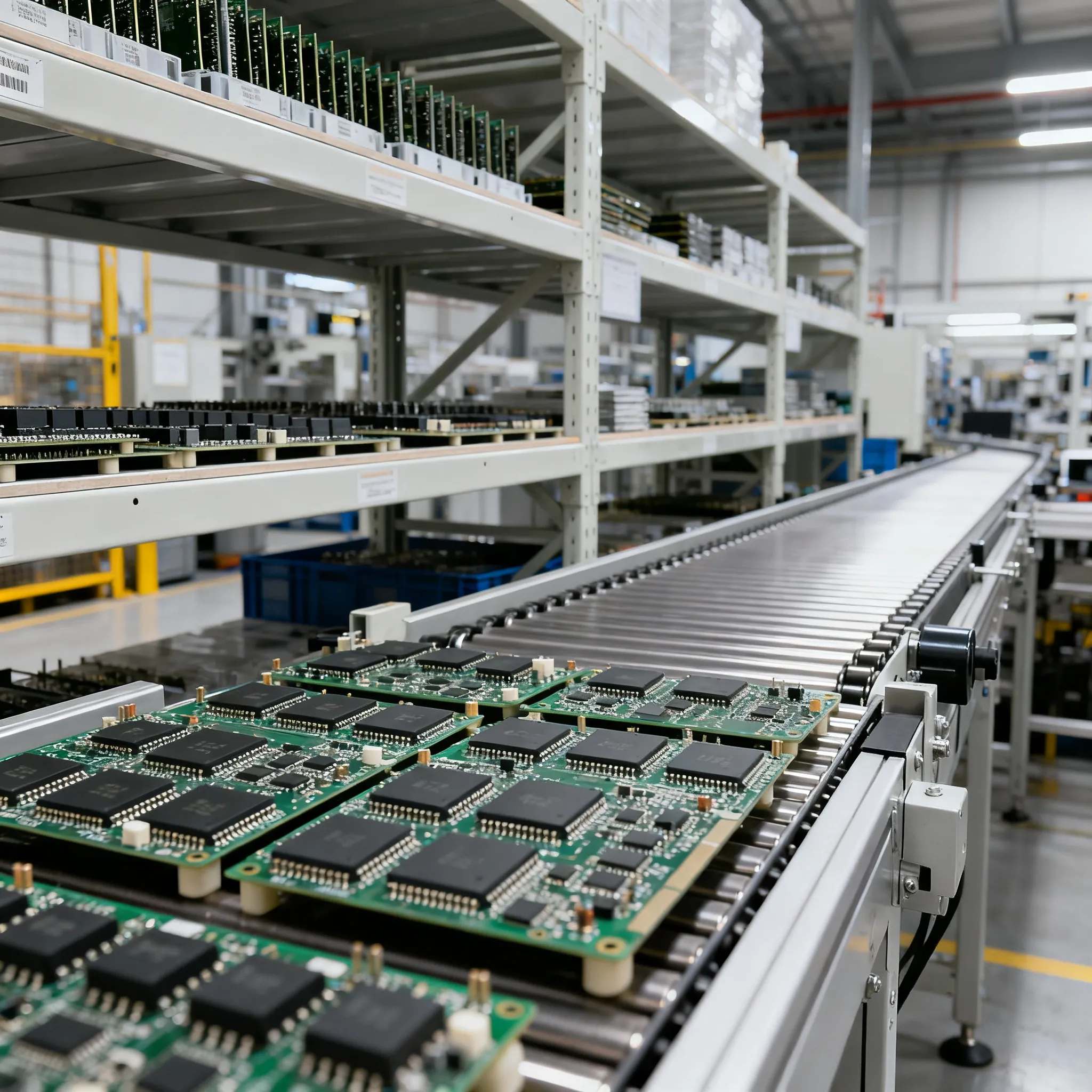
Specialized prototype assembly lines help you get boards quickly. These lines use flexible tooling and on-demand manufacturing. Automated order processing and reserved capacity ensure your project moves fast. Quick-turn material stocking keeps common parts ready, so you do not wait for supplies.
Purpose
You use Prototype PCB Assembly to test and validate your designs before full-scale production. This step helps you catch errors early and make improvements without high costs.
-
You can build functional models to see how your circuit works in real life.
-
Early testing lets you find and fix bugs before they become expensive problems.
-
You can try different components and check their performance in your actual circuit.
-
Rapid build-test cycles help you refine your design quickly.
-
You save time and money by avoiding late-stage redesigns and delays.
-
Prototypes give you something real to show investors or partners, helping you secure support.
For example, a startup developing a wearable device used Prototype PCB Assembly to test power use, durability, and user feedback. This approach helped them launch faster. An industrial company used prototypes to upgrade control systems, test for signal issues, and refine layouts, which reduced the risk of failures in the field.
PCB Assembly Process
Design for Assembly
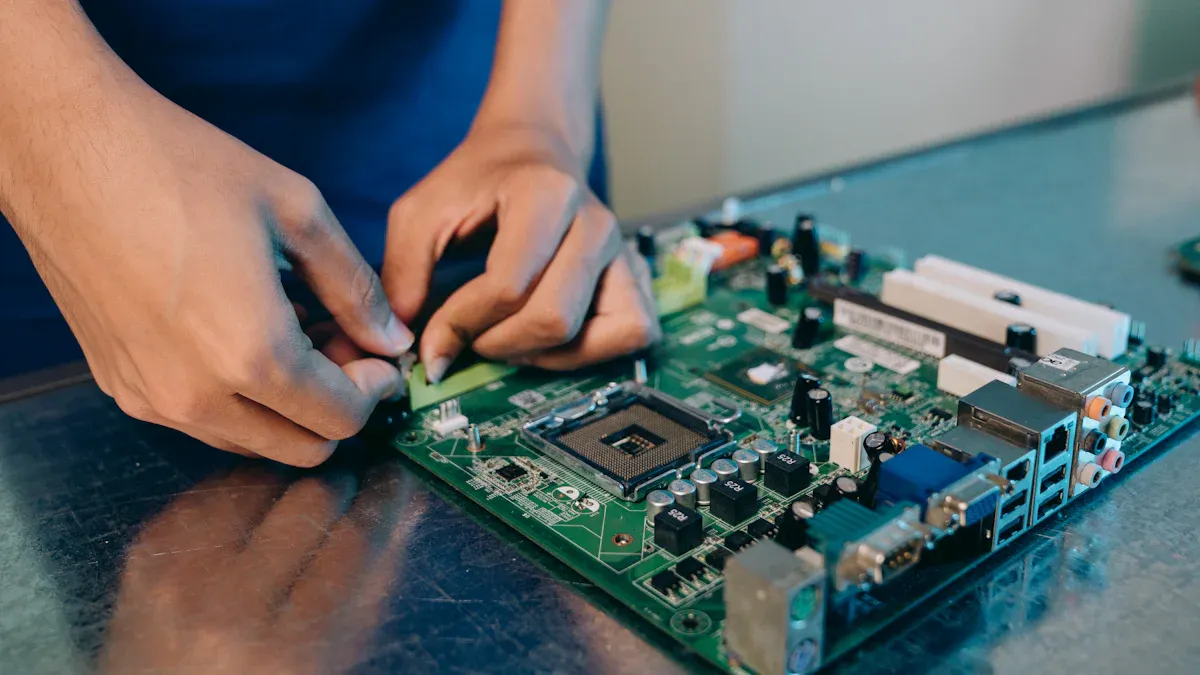
You start with Design for Assembly (DFA). This step shapes your entire project. You simplify your design by reducing the number of parts and making each part easy to place. You standardize components and use off-the-shelf parts when possible. You select materials that balance cost, performance, and manufacturability. You also add features that help with inspection and error-proofing, such as alignment pins or clear markings. Early collaboration between design, manufacturing, and quality teams helps you catch problems before they reach the assembly line. By focusing on DFA, you lower assembly time, reduce errors, and make your prototype easier to build and test.
Solder Paste and SMD Assembly
Next, you apply solder paste to the board. This step is critical because most surface mount defects come from solder paste printing. You use automated machines to place components quickly and accurately. The right solder paste and process settings, like squeegee pressure and table speed, help you avoid defects and improve reliability. For example, companies have improved efficiency by optimizing solder paste formulas and printing methods. After placing the components, you use reflow soldering to attach them. This method supports fast, flexible assembly and lets you make changes between prototype runs.
Testing and Inspection
You must test and inspect every prototype. Automated Optical Inspection (AOI) and X-ray machines check for solder joint quality, missing parts, and hidden defects. You also run electrical tests, such as continuity and in-circuit testing, to verify that your board works as intended. The table below shows common tests and what they check:
|
Test Type |
What It Checks |
Criteria |
|---|---|---|
|
AOI/X-ray |
Solder joints, hidden defects |
Pass/Fail |
|
Continuity Test |
Opens and shorts |
Pass/Fail |
|
In-Circuit Test |
Voltage, current at test points |
Pass/Fail/Values |
|
Peel Test |
Laminate strength |
Force Value |
These steps help you catch errors early, saving time and money.
Iteration
You repeat the process as needed. Each cycle lets you test changes, gather feedback, and improve your design. This approach helps you adapt quickly to new requirements or fix issues before full production. Many successful products, like popular apps and websites, use this iterative method to refine their features and performance. By iterating, you reduce risk, improve quality, and speed up your path to market.
Benefits of Prototype PCB Assembly
Faster Time-to-Market
You can bring your product to market much faster when you use Prototype PCB Assembly. This approach lets you test, iterate, and refine your electronic designs quickly. You can spot design flaws, optimize layouts, and check if components work together before you move to full production. Manufacturers can deliver prototype PCBs in just a few days, so you move from concept to testing without long waits. This speed helps you meet tight deadlines and respond to market changes.
When you catch issues early, you avoid expensive mistakes during mass production. You also make sure new features work as planned before scaling up.
Many companies have used quick-turn PCB services to get ahead.
-
A technology startup used rapid prototyping to develop a wearable health monitor. They made fast design changes and launched their product before competitors.
-
A telecommunications company used quick-turn manufacturing to build an advanced RF device. They adjusted and tested their design quickly, which led to a successful launch.
These examples show how Prototype PCB Assembly helps you move faster and stay competitive.
Design Flexibility
Prototype PCB Assembly gives you unmatched design flexibility. You can try new ideas, swap components, and change layouts without waiting for a full production run. This process supports a modular design approach, so you can upgrade or replace parts easily. You can also choose future-ready components to keep your design up to date and reduce the risk of parts becoming obsolete.
-
Modular designs let you extend the life of your PCB and support new technology.
-
You can use advanced features like high-density interconnects (HDI) and flexible PCBs for innovative products.
-
Manufacturing processes adapt to your needs, making it easy to move from prototype to full production.
You can also add test points, debug headers, and use panelization to support multiple prototypes. New materials and techniques, such as flexible and stretchable PCBs, make it easier to design for wearables and IoT devices. Automation and advanced simulation tools help you keep your design flexible and ready for future changes.
Cost and Risk Reduction
You save money and lower risks when you use Prototype PCB Assembly early in your project. You can choose cost-effective materials and simplify your design to cut manufacturing costs. For example, switching to a less expensive substrate can save up to 15% on materials. Reducing the number of PCB layers and simplifying routing can lower manufacturing costs by about 20%. You can also negotiate with suppliers for better prices and use contract manufacturers to take advantage of economies of scale.
-
Material selection can reduce costs without hurting performance.
-
Design for manufacturability makes your board easier and cheaper to build.
-
Early error detection, such as finding a footprint mismatch during a design check, prevents costly rework and delays.
-
Adding test points and following testing rules helps you catch defects early, reducing the risk of failures.
Lean design and early-stage checks help you avoid expensive mistakes and keep your project on track.
Improved Quality
You can improve the quality of your product by using Prototype PCB Assembly. You test and inspect each prototype, so you catch problems before they reach customers. Many industries use quality metrics to track and improve their processes.
|
Description |
|
|---|---|
|
First Pass Yield (FPY) |
Percentage of boards passing tests on the first try. |
|
Defect Rate |
Percentage of boards failing inspection. |
|
Return Rate |
Percentage of products returned by customers. |
|
Failure Rate |
Frequency of failures during use. |
|
Reliability Metrics (MTBF, MTTR) |
Mean Time Between Failures and Mean Time To Repair. |
|
Cost of Quality (COQ) |
Total costs related to quality, including prevention and failure costs. |
|
Process Capability Index (Cp/Cpk) |
Measures how well the process meets specifications. |
You can use methods like root cause analysis, lean manufacturing, and continuous improvement to boost quality. Statistical process control helps you spot problems early. Design reviews and customer feedback also play a big role in making sure your product meets high standards.
By focusing on quality from the start, you build reliable products and earn customer trust.
Best Practices
Provider Selection
Choosing the right provider for Prototype PCB Assembly shapes your project's success. You want a partner with strong reliability metrics and proven quality. Look for these key factors:
-
Low defects per million opportunities (DPMO) and high yield rates.
-
Certifications like IPC-A-610 for soldering and assembly quality.
-
Quality assurance practices such as process audits and corrective action reviews.
-
Advanced testing methods, including automated optical inspection (AOI) and in-circuit testing (ICT).
-
On-time delivery and responsive customer service.
-
Experience with iterative prototyping and transitioning to mass production.
A provider with these strengths helps you avoid delays and ensures your prototypes meet high standards.
Design Optimization
You can reduce errors and speed up assembly by following industry design guidelines. The table below shows how to optimize your design at each stage:
|
Product Lifecycle Stage |
Relevant Design Principles |
Purpose/Focus |
|---|---|---|
|
Concept & Design |
Fewer parts, modular design, standard components |
Simplify assembly, reduce complexity |
|
Prototype & Testing |
Easy fabrication, material choice, testability |
Improve reliability, enable testing |
|
Production |
Compliance, minimal handling, improvement |
Maintain quality, meet standards |
|
Post-Production |
Reliability, modularity, standardization |
Support maintenance, durability |
Use modular designs and standard parts to make assembly easier. Involve manufacturing engineers early to catch issues before they become costly.
Communication
Clear communication keeps your project on track. Share design files, test results, and feedback with your provider and team. Use regular updates and meetings to solve problems quickly. Involve cross-functional teams, including engineers and quality experts, to spot risks and suggest improvements. Good communication helps you adapt to changes and avoid misunderstandings.
Workflow Integration
Modern workflow tools can streamline your Prototype PCB Assembly process. Real-time collaboration platforms, version control, and integrated BOM management help you reduce errors and speed up development. The chart below shows how workflow management tools improve key outcomes:
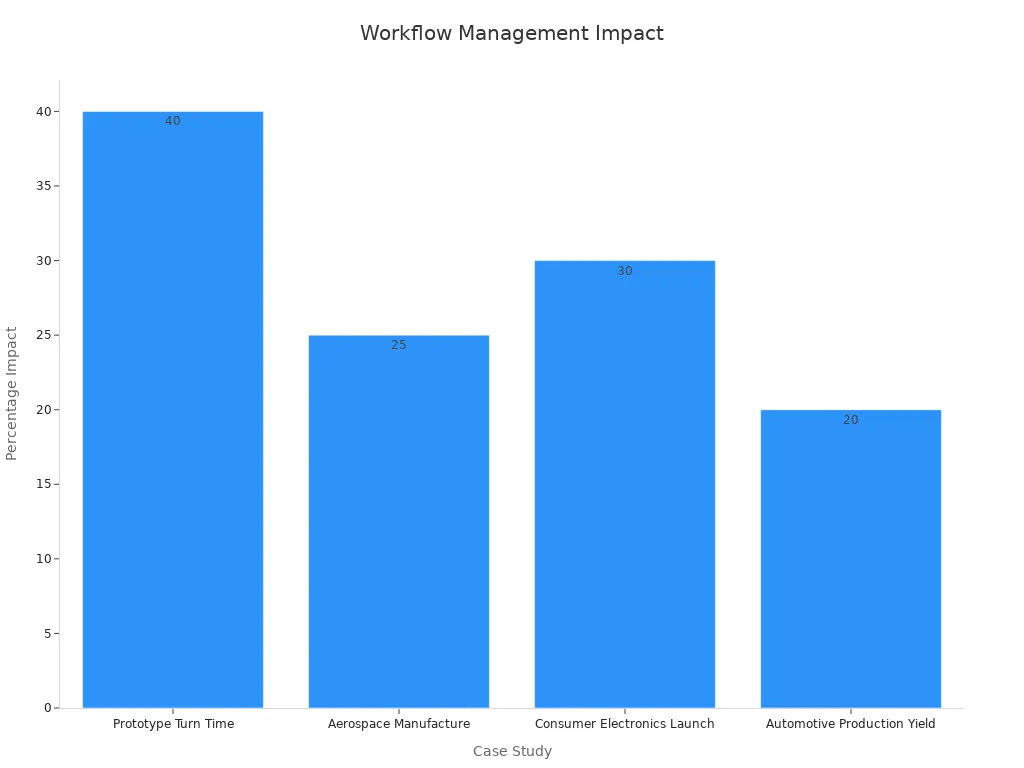
You can connect design, engineering, and manufacturing teams for faster feedback and fewer mistakes. These tools also protect your data and support compliance with industry standards.
Prototype PCB Assembly helps you speed up product development and improve quality. You can test ideas early, reduce risks, and adapt quickly. To get the most from rapid prototyping, follow these expert steps:
-
Simplify your PCB design and reuse proven layout blocks.
-
Work with experienced vendors for fast assembly.
-
Focus on functional testing to catch major issues early.
-
Plan for several prototype revisions and use automated testing tools.
-
Build a strong team and use agile methods for faster results.
Adopting these practices lets you bring better products to market, faster.
FAQ
What is the typical turnaround time for prototype PCB assembly?
You can expect most providers to deliver prototype PCBs within 1 to 5 days. Some offer same-day or next-day service for urgent projects. Always confirm lead times before placing your order.
How many prototype boards should you order?
You should order 5 to 10 boards for most projects. This quantity lets you test for defects and verify performance. If your design is complex, consider ordering a few extra boards for backup.
Can you use the same design files for both prototype and production runs?
Yes, you can use the same design files. However, you should review and optimize your files for mass production. Providers may suggest changes to improve manufacturability and reduce costs.
What files do you need to provide for assembly?
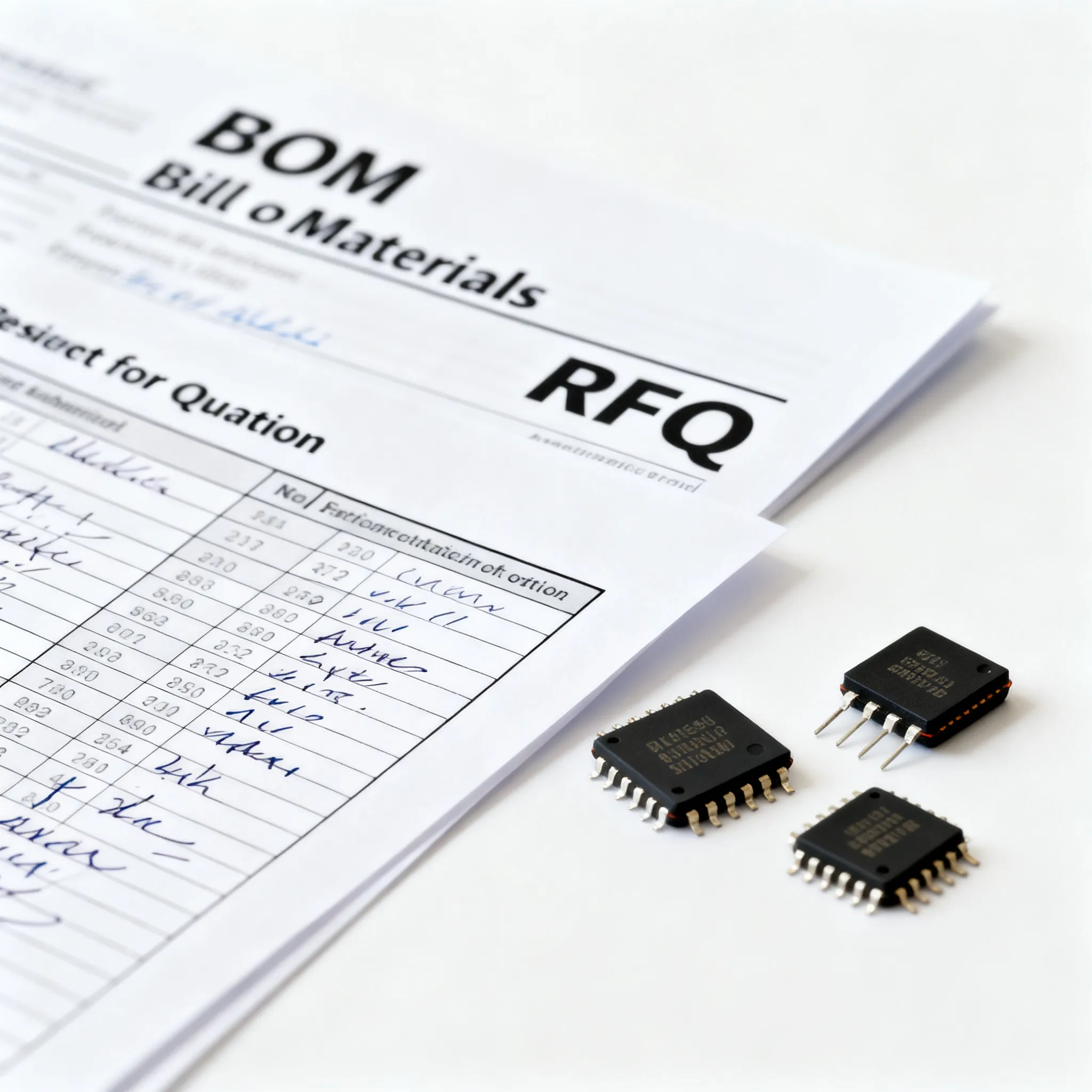
You need to send Gerber files, a Bill of Materials (BOM), and a pick-and-place file. Some providers may also request an assembly drawing or 3D model for reference.
How do you choose the right assembly provider?
Look for providers with strong quality certifications, fast turnaround, and responsive support. Check reviews and ask about their experience with prototypes. Reliable partners help you avoid delays and costly mistakes.