Resistor Surface Mount Sizes in Electronics: What You Need to Know
You encounter resistor surface mount sizes every time you work with electronic circuit design. These small components play a
You encounter resistor surface mount sizes every time you work with electronic circuit design. These small components play a big role in how your device performs. When you select a resistor, you must understand its size because it affects power rating, mechanical stability, and how much space it takes up on the board. For example, larger resistor surface mount sizes handle heat better and offer more mechanical strength, while smaller ones save space but can overheat and break more easily. Look at the table below to see these differences:
| Resistor Size | Heat Dissipation | Impact on Reliability |
|---|---|---|
| Larger | Higher | Prevents overheating |
| Smaller | Lower | More prone to thermal issues |
Choosing the right resistor surface mount sizes in electronic circuit design lowers failure rates and keeps your projects running smoothly. Both hobbyists and professionals must pay attention to these details to avoid common problems like cracking or corrosion in resistors.
Key Takeaways
- Choose the right SMD resistor size to improve your circuit's performance and reliability. Larger resistors handle heat better, while smaller ones save space.
- Understand SMD size codes like 0603 and 1206. These codes indicate the dimensions of the resistors, helping you select the right one for your project.
- Pay attention to power ratings. Match the resistor's power rating to your circuit's needs to avoid overheating and potential failure.
- Consider mechanical stability. Larger SMD resistors are more resistant to physical stress, making them better for circuits that may experience vibration.
- Inspect your soldering work carefully. Use a magnifying glass to check for common issues like tombstoning or cold joints to ensure strong connections.
Resistor Surface Mount Sizes
What Are SMD Resistors
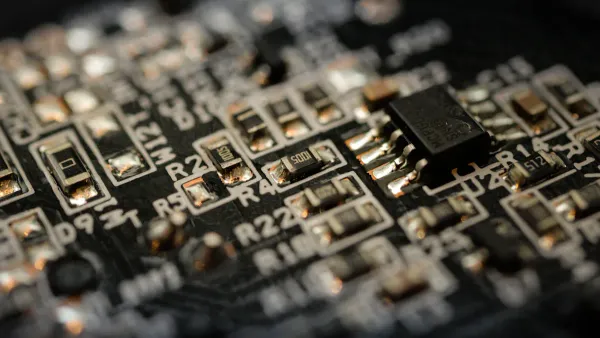
You see smd resistors in almost every modern electronic device. These resistors sit directly on the surface of a printed circuit board (PCB) instead of having long leads that go through holes. Smd resistor sizes come in many forms, and each size affects how the resistor works in your circuit. When you choose a smd resistor, you need to think about its size because it changes how much power it can handle and how stable it is on the board.
Smaller smd resistor sizes help you build compact devices. They work well in high-frequency circuits because they have less unwanted inductance and capacitance. This means your signals stay cleaner and your device runs better. On the other hand, larger smd resistors can handle more heat. They are better for circuits that need to move more power or stay cool during long use. You must balance the need for small size with the need for power and stability.
Tip: If you want your device to last longer and avoid overheating, pick a larger smd resistor for high-power parts of your circuit.
The trend in electronics pushes for smaller and smaller smd resistor sizes. People want lighter and more compact gadgets, so manufacturers use common smd sizes like 0603 and 0402. These tiny resistors save space and let you fit more parts on your PCB. However, as you use smaller smd resistor sizes, you may face new challenges. Soldering becomes harder, and the resistors can break more easily if you are not careful.
SMD vs. Through-Hole
When you compare smd resistors to through-hole resistors, you notice some big differences. Through-hole resistors have long leads that go through the PCB. Smd resistors have flat contacts that sit right on the surface. This change in design affects how you build and repair your circuits.
- Through-hole resistors block layers underneath the PCB because their legs stick through the board.
- Smd resistors let you place more parts on both sides of the PCB since they do not have leads that get in the way.
- Smd resistors usually have lower power ratings than through-hole types.
- Through-hole resistors can handle higher voltage and wattage, making them better for high-power jobs.
Here is a table to help you see the differences:
| Feature | Through-Hole Resistors | SMD Resistors |
|---|---|---|
| Mechanical Stability | Strong physical connection due to leads inserted through PCB | Less mechanical stability due to surface mounting |
| Susceptibility to Stress | More resistant to mechanical stresses like vibration and impacts | More susceptible to mechanical stresses |
| Placement Flexibility | Cannot place components underneath due to leads blocking layers | Can place components underneath due to flat design |
You should know that smd resistors make your designs more flexible. You can use both sides of the PCB and fit more circuits in a small space. This is why common smd resistor sizes are so popular in modern electronics. However, you need to handle them with care because they are more likely to break if the board bends or shakes.
As you work with smd resistor sizes, you join a trend that shapes the future of electronics. Smaller smd resistors help you build high-density PCBs and keep up with the demand for tiny, powerful devices. Still, you must always balance size, power, and reliability to get the best results in your projects.
SMD Resistor Size Codes

Standard Codes (0402, 0603, 0805, 1206)
When you look at smd resistor sizes, you often see codes like 0402, 0603, 0805, and 1206. These codes help you quickly identify the surface mount dimensions of each smd resistor. Each smd size code tells you the length and width of the resistor in inches. For example, a 0603 smd resistor has surface mount dimensions of 0.060 inches by 0.030 inches. You will also find metric units used in modern PCB design, but the codes usually follow the English system.
- 0402: 0.040" x 0.020" (1.0mm x 0.5mm)
- 0603: 0.060" x 0.030" (1.6mm x 0.8mm)
- 0805: 0.080" x 0.050" (2.0mm x 1.25mm)
- 1206: 0.120" x 0.060" (3.2mm x 1.6mm)
Smaller smd resistor sizes like 0603 save space on your PCB, but they may not handle as much power. Larger smd resistors such as 1206 work better for circuits that need higher wattage.
Dimensions and Naming
You need to understand how smd size codes match up with actual dimensions. The smd size code uses four digits. The first two digits show the length, and the last two show the width, both in hundredths of an inch. This system helps you pick the right smd resistor for your project.
- Smd resistor sizes like 0603 mean 0.060" long and 0.030" wide.
- The most common surface mount dimensions include 0603, 0805, and 2512.
- You will see both metric and English units, but the naming stays the same.
Manufacturers keep the dimensions of smd resistors consistent by following JEDEC standards. This table shows how they do it:
| Evidence | Explanation |
|---|---|
| Standardized specifications | Manufacturers follow JEDEC standards to ensure uniform dimensions across different production batches. |
Reading SMD Codes
Reading smd resistor codes can be tricky, especially when you work with small components. You may face some common challenges:
- Illegible markings make it hard to read the smd size code after some time.
- Confusing codes can happen when you mix up 3-digit and 4-digit codes. Always check the size and the circuit.
- Tolerance misunderstandings may cause errors. If you see no marking, you should assume a 5% tolerance.
Tip: Use a magnifying glass to check the smd resistor codes and confirm the surface mount dimensions before soldering.
You will find that knowing how to read smd size codes helps you avoid mistakes and keeps your electronic projects running smoothly.
SMD Resistor Performance Factors
Power Rating
When you select an smd resistor, you must check its power rating. The power rating tells you how much energy the resistor can handle before it gets too hot or fails. Each smd resistor size has a different power rating. Smaller smd resistor sizes, like 0201, can only handle low power. Larger sizes, such as 2512, support higher smd resistor wattage and current. You can see the difference in the table below:
| Resistor Size | Power Rating | Current Capacity |
|---|---|---|
| 0201 | Low | Low |
| 0402 | Moderate | Moderate |
| 2512 | High | High |
If you use a resistor with a low power rating in a high-power circuit, it may overheat or break. Always match the smd resistor wattage to your circuit’s needs.
Heat Dissipation
Heat dissipation is another key factor for smd resistors. When current flows through a resistor, it produces heat. The size of the smd resistor affects how well it can release this heat. Larger smd resistors have more surface area, so they cool down faster. Smaller smd resistors can get hot quickly, which may cause damage. You should place smd resistors with enough space around them to help with cooling. If you notice your circuit gets warm, check if the smd resistor size is too small for the job.
Tip: Use larger smd resistor sizes for parts of your circuit that carry more current or need better cooling.
Mechanical Stability
Mechanical stability means how well the smd resistor stays attached to the board. Larger smd resistors usually have stronger bonds and resist physical stress better. Smaller smd resistors can break loose if the board bends or shakes. If your device will face vibration or movement, choose a bigger smd resistor. This helps prevent cracks and keeps your circuit working longer. Always consider the size and placement of each smd resistor to improve reliability.
SMD Resistor Selection Guide
Application Criteria
You need to match the SMD resistor to your application. Start by thinking about the power your circuit needs. If you work with high-frequency applications, you must pay attention to power, layout, and frequency. SMD resistor selection guide helps you avoid problems with overheating or signal loss.
- Power matters. Choose a resistor that can handle the current and voltage in your circuit.
- Applications like smartphones or tablets need small SMD resistors to save space.
- High-frequency applications require SMD resistors with short pin lengths. This reduces electromagnetic interference and keeps signals clean.
- SMD resistor applications in sensitive circuits benefit from compact designs. Shorter signal paths improve performance and reliability.
You should always check the datasheet for each SMD resistor. Look for the power rating and recommended usage. If you design for high-speed or high-frequency circuits, select SMD resistors with low inductance and capacitance. This keeps your signals strong and stable.
Tip: For practical applications, use larger SMD resistors in power circuits and smaller ones in space-constrained designs. This guide helps you balance power and space.
Size Trade-Offs
Choosing the right size for your SMD resistor affects your whole design. Smaller SMD resistors save space but may cause problems with heat and reliability. Larger resistors handle more power but take up more room on your PCB. The SMD resistor selection guide shows you how to balance these trade-offs.
| Evidence Type | Description |
|---|---|
| Assembly Precision | Smaller components challenge assembly precision, especially with older equipment. |
| Thermal Stability | Larger packages improve thermal stability, with 0805 parts withstanding higher temperatures than 0402. |
| Manufacturing Costs | Component size selection impacts 22% of manufacturing costs through yield rates and inspection time. |
You must think about how your choice affects assembly and manufacturing. Smaller SMD resistors can make soldering harder and increase the risk of defects. Larger SMD resistors are easier to place but may waste space.
"The sweet spot lies where technical requirements meet production practicality."
Here are some important points to consider when making your selection:
- Oversized parts waste space, while undersized ones risk field failures.
- Clients using systematic evaluation methods report 29% fewer redesign cycles.
- Voiding rates increase 18% when using sub-0402 packages.
If you want to optimize your design, follow these best practices:
| Best Practice | Solution |
|---|---|
| Perform electromagnetic compatibility (EMC) testing to identify and mitigate parasitic effects during the design phase. | Design with shorter and wider traces to reduce inductance and use appropriate grounding techniques. Carefully select resistor placement to minimize coupling effects. |
| Conduct thermal simulations during the design phase to identify potential hotspots and optimize the thermal management strategy. | Design PCBs with adequate thermal reliefs and use materials with high thermal conductivity. Employ thermal vias and copper pours to enhance heat dissipation. |
| Implement inspection techniques such as X-ray and automated optical inspection (AOI) to detect solder joint defects. | Select high-quality solder paste and optimize the reflow soldering process. Use appropriate pad designs to ensure robust solder joints. |
| Use fiducial markers on PCBs to guide placement machines and enhance accuracy. | Utilize high-precision pick-and-place machines and ensure proper calibration. Implement quality control checks to verify correct component orientation and placement. |
You must balance space-saving needs with power handling and stability. For example, smaller SMD resistors work well in compact devices, but they may have lower power ratings and be harder to solder. Larger SMD resistors are easier to handle and offer better thermal stability, but they take up more space.
- Selecting SMD resistor sizes involves balancing power handling, reliability, and space efficiency.
- Smaller sizes like 0603 are space-saving but may not support high power applications.
- Larger sizes like 1206 are preferable for applications requiring higher wattage.
The compact design of SMD packaging is crucial for reducing electromagnetic interference (EMI) on circuit boards. Shorter signal transmission paths help maintain signal integrity, especially in high-frequency applications.
If you follow this guide, you can improve your PCB layout, increase reliability, and reduce manufacturing costs. Always consider the practical applications and the needs of your circuit before making your final selection.
SMD Placement and Design Challenges
Soldering Issues
When you work with smd resistor components, you face unique soldering challenges. The small size makes manual placement difficult. You need steady hands and good tools. If you use too much solder, you risk creating bridges between pads. Too little solder can cause weak joints. Automated machines help, but you must check for misalignment. Here are some common problems:
- Tombstoning: One end lifts off the pad during soldering.
- Cold joints: Solder does not melt fully, causing poor connections.
- Solder bridges: Excess solder connects two pads.
Tip: Use a magnifying glass to inspect each smd resistor after soldering. This helps you catch problems early.
Thermal Management
Heat can damage your smd resistor if you do not plan well. You must think about how heat moves away from the resistor. Larger pads help spread heat. Good airflow keeps the temperature down. If you place many resistors close together, heat builds up. You should space them out when possible. Thermal vias and copper pours also help move heat away. Here is a simple table to show thermal management options:
| Method | Benefit |
|---|---|
| Larger pads | Better heat spreading |
| Thermal vias | Moves heat to other layers |
| Copper pours | Lowers temperature |
Note: Always check the datasheet for the maximum temperature your smd resistor can handle.
Quality Concerns
You want your circuit to last. Quality matters when you choose and place each smd resistor. Poor soldering leads to cracks or corrosion. If you use the wrong size, you risk early failure. You should test your board after assembly. Automated optical inspection (AOI) finds missing or misaligned resistors. X-ray inspection checks for hidden solder problems. You can use these methods to improve reliability:
- Visual inspection for obvious defects.
- AOI for fast, accurate checks.
- X-ray for hidden issues.
Remember: Careful placement and inspection help you avoid costly repairs and keep your electronics working longer.
Understanding resistor surface mount sizes helps you design better electronic circuits. When you choose the right SMD resistor, you improve performance, reliability, and manufacturability. You avoid common problems like overheating or weak connections.
Stay updated on SMD standards and always check datasheets.
Keep learning about electronic components. Your knowledge will help you build stronger and more efficient devices. 🚀
FAQ
What does the SMD resistor size code mean?
You see codes like 0603 or 0805 on SMD resistors. These numbers show the length and width in hundredths of an inch. For example, 0603 means 0.06 inches long and 0.03 inches wide.
Can I replace a larger SMD resistor with a smaller one?
You should not swap a larger resistor for a smaller one without checking the power rating. Smaller resistors handle less heat and current. Using the wrong size can cause overheating or failure.
Why do SMD resistors matter in integrated circuits?
SMD resistors help control current and voltage in integrated circuits. They keep signals stable and protect sensitive parts. Choosing the right size improves performance and reliability in your electronic devices.
How do I read the value on a tiny SMD resistor?
You can use a magnifying glass to see the numbers. The code often uses three or four digits. The first numbers show the value, and the last digit tells you how many zeros to add.
What problems can happen if I pick the wrong SMD resistor size?
If you choose the wrong size, you may see overheating, weak solder joints, or even circuit failure. Always match the resistor size to your circuit’s needs for best results.