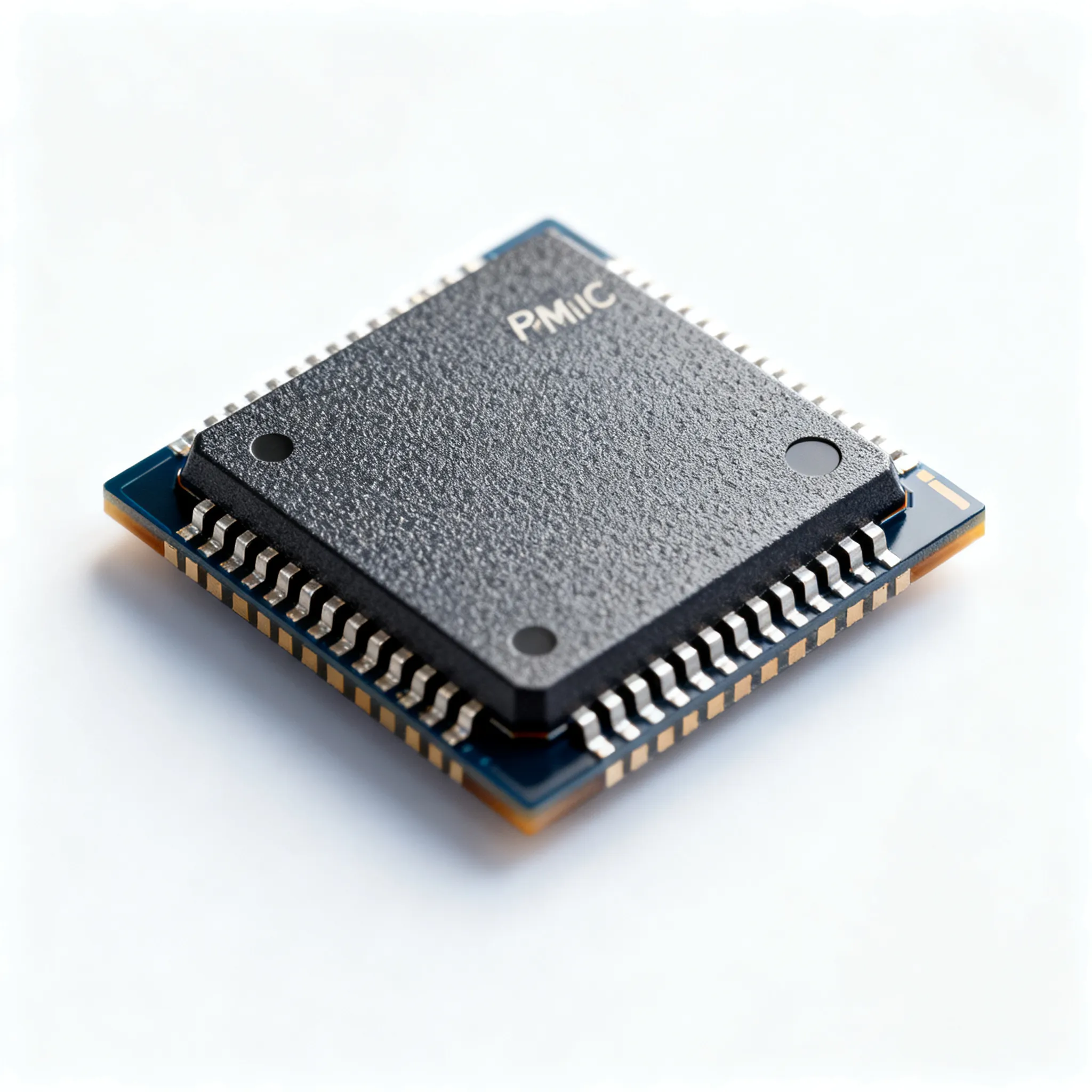
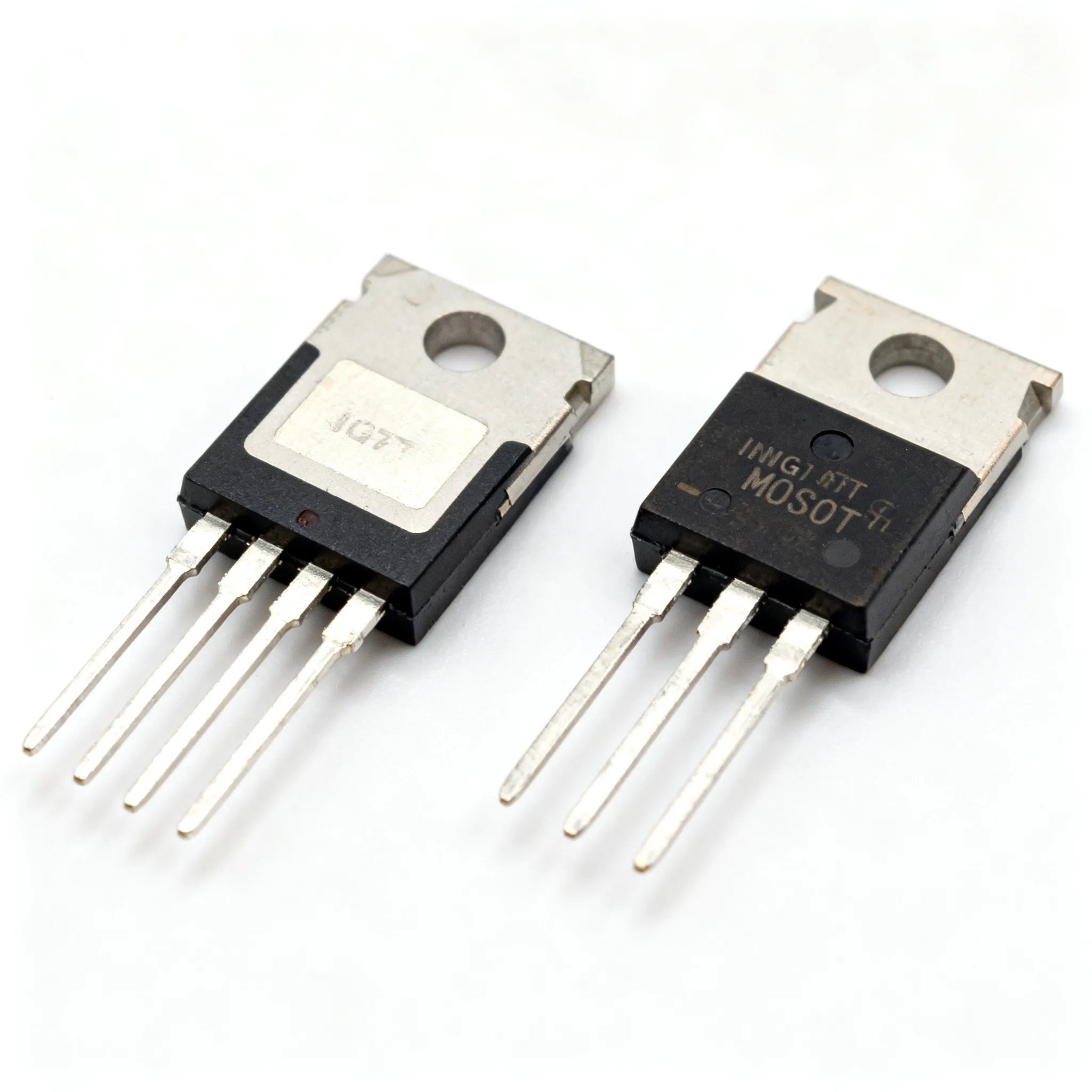
Supply Chain Inspection Keeps Your Electronics Authentic
Supply chain inspection is the main way to stop fake and bad electronic parts. In 2019, experts found that about 67% of parts reported to the ERAI were fake.

Supply chain inspection is the main way to stop fake and bad electronic parts. In 2019, experts found that about 67% of parts reported to the ERAI were fake. This shows why strict inspection is needed. Industries that need high reliability use inspection to make sure parts are real and good. Advanced tools and outside testing find bad parts before they are used. Regular checks help people trust the process. These steps keep both makers and users safe. They help make sure every shipment has real and reliable parts.
Key Takeaways
-
Supply chain inspection helps stop fake electronic parts. It keeps devices safe and working well. Visual checks, X-rays, and electrical tests help find fake or broken parts early. Traceability tools like barcodes and blockchain track parts. This helps stop fraud and recalls. Following quality standards and certifications keeps products safe. It also builds trust. Picking a skilled, certified inspection partner protects your supply chain. It also keeps your brand safe.
Authenticity and Quality
Counterfeit Risks
Fake electronic parts can hurt the quality of devices in many fields. The US Department of Commerce Bureau of Industry and Security saw more fake parts from 2005 to 2008. People who make fake parts use tricks like sanding, re-marking, blacktopping, device substitution, die salvaging, and using rejected parts. These tricks make old or bad parts look new and high-quality.
-
Integrated circuits like microcontrollers and memory chips are often taken from scrap boards or given new labels.
-
Transistors and diodes are easy to put in new packages and hard to check without special tests.
-
Capacitors and resistors are often changed or fixed up.
-
Connectors and relays can be copied with cheap materials.
-
Power modules and MOSFETs sometimes get fake labels that say they are better than they are.
Semiconductors and capacitors are the main targets for people making fake parts, especially when there are shortages. Making and packaging these parts is hard, so there are many ways for fake parts to get in. These problems can cause things to break early, create safety dangers, lead to recalls, and break rules. The consumer electronics industry loses over $100 billion each year because of fake products. This hurts companies, governments, and the world market.
Impact on Reliability
Fake parts make electronic systems less safe and less reliable. Machines with fake parts can break suddenly and cause problems. Sensors with fake parts might not read things right, which can cause crashes and damage. Building systems can stop working, which can mess up heating, security, and doors, putting people in danger.
In aerospace, more than one million fake electronic parts were found in military planes, including used memory chips. This showed how dangerous fake parts are. It put avionics systems at risk and proved that strong checks are needed.
Fake parts use poor materials, so they do not last long and break more often. They can get too hot, cause electric problems, fires, explosions, or rust. Important areas like the military, aerospace, factories, and safety systems are at the most risk. If these parts fail, it can cause big problems, failed missions, more repairs, and legal trouble. Fake parts put the quality, safety, and trust of every device in danger.
Supply Chain Inspection Services
Modern supply chain inspection services help keep electronics safe. These services use special tools, expert workers, and strict rules. They work hard to stop fake and bad parts from getting in. Regular and careful checks help companies keep high standards. This also helps customers trust the products they buy. The next parts will show the main ways to make sure only real parts get to users.
Visual Inspection
Visual inspection is the first step to find fake parts. Inspectors look at parts and compare them to real ones. They check for changes in color, size, texture, and weight. They also look at part numbers, package types, and date codes. Inspectors search for blacktopping, which hides old markings. Strong chemicals can remove this layer and show if someone tried to change it.
Inspectors look at leads for damage, new tin, rust, or wrong direction. They measure the size and check for reballing on Ball Grid Arrays. They also look at packaging and reel markings closely. Loose or changed packaging can mean trouble. By doing these steps, visual checks can find many fake parts before more tests are needed.
Tip: Looking at labels, fonts, and datasheets with real samples helps find tricky fakes.
High-Resolution Imaging
High-resolution imaging helps inspectors see more details. X-ray imaging lets them look inside parts without breaking them. This shows things like wires and die structures inside. Real-time X-ray makes the process faster and more correct. Automated systems use software to find problems quickly.
Scanning electron microscopy and visual microscopes help find odd surfaces or signs of changes. These tools give a close look at both the inside and outside of parts. High-resolution imaging helps confirm if parts are real and finds bad parts that visual checks might miss.
-
High-resolution X-ray shows hidden problems.
-
SEM finds small surface and inside issues.
-
Automated systems make checks faster and better.
-
Non-destructive ways keep parts safe for more tests.
Decapsulation and Die Inspection
Decapsulation and die inspection are the best ways to check if a part is real. This process takes off the outside layers to show the die and wires inside. Inspectors compare the die to real samples or datasheet pictures. Labs with special approval do these tests using strict rules like AS6171 and AS6081.
Decapsulation breaks the part, but it finds hidden changes or new dies that other checks miss. This is very important for aerospace, defense, and healthcare, where every part must be real. Reports from these checks give proof and help follow rules.
-
Decapsulation lets inspectors see the die directly.
-
Die inspection checks inside parts against real ones.
-
Approved labs make sure results can be trusted.
Traceability Checks
Traceability checks help keep the supply chain safe by tracking each part. Barcodes, QR codes, or RFID tags give every part its own ID. Blockchain makes records that cannot be changed for each part’s trip. These records help meet rules like ISO 9001 and IATF 16949.
AI and machine learning look at data to find problems and guess fake risks. IoT devices watch where parts are and how they are doing. They send alerts if something is wrong or moved without permission. Getting parts only from real makers or trusted sellers keeps the chain clear. Good paperwork, certificates, and return rules help remove bad parts.
Note: Traceability stops fake parts and helps with recalls and customer trust.
Key Features of Comprehensive Inspection Services
|
Description |
|
|---|---|
|
Industry Standards |
Follows rules like IPC-6012, IPC-6013, IPC-A-600, IPC-A-630, ANSI/ESD STM12.1, IEC 61508, MIL-STD-883, etc. |
|
Inspection & Testing Procedures |
Checks include visual, size, electrical, environmental, reliability, compliance, working, mechanical, burn-in, ESD |
|
Defect Detection & Risk Mitigation |
Finds common problems, stops bad products, gives risk reports |
|
Factory Audits & Vendor Assessments |
Checks factories, vendor trust, ISO 9001, ISO 13485, RoHS, REACH, ITAR audits |
|
Technical Expertise |
Inspectors know about equipment, how things are made, and SPC |
|
Documentation & Reporting |
Gives detailed reports and papers for rules |
|
Counterfeit Detection Methods |
Uses decapsulation, X-ray, XRF, scanning microscopes, acetone/solvent tests |
|
Supply Chain Support |
Helps importers and makers keep products safe and working well |
|
Product Coverage |
Checks raw materials, in-process, and finished products like PCBs, ICs, resistors, capacitors, sensors, etc. |
Regular and careful inspection services, plus anti-counterfeiting tricks like DNA tags and zero-trust plans, keep the supply chain safe. These ways make sure only real parts go to important uses, helping things last longer and stay safe.
Electronic Component Testing Methods
Electrical Testing
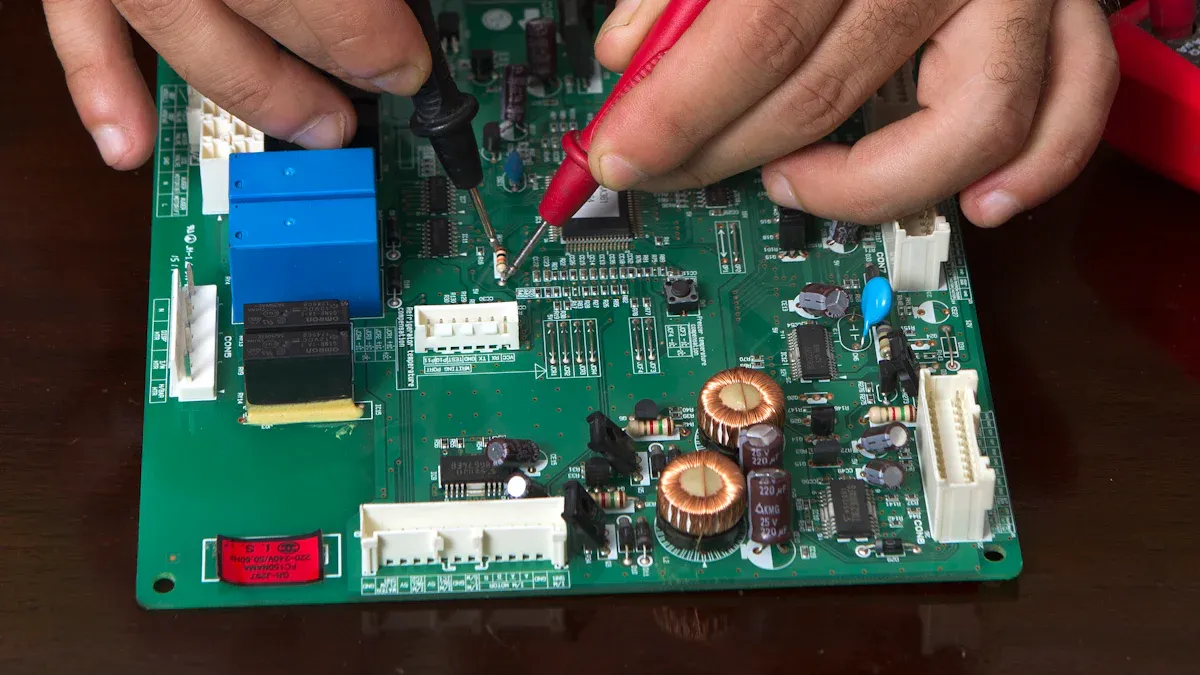
Electrical testing is a main part of checking electronic parts. Technicians use it to see if parts work as they should. They do tests to see if the parts work and measure things like voltage, current, and resistance. For example, memory devices are tested by reading and writing data. Resistors and capacitors are checked for their exact values. Labs like Advanced Component Testing (ACT) use these tests for aerospace and defense. They follow strict rules like AS6171 to make sure parts are made right. Electrical testing can find problems that looking at the parts cannot. One time, a group of bridge rectifiers looked fine but half failed when tested with electricity. This shows why electrical testing is very important for parts that must always work.
X-Ray Analysis
X-ray analysis lets inspectors see inside parts without opening them. This way, they can find hidden problems and signs of fake parts. Inspectors can see cracks, missing or broken die, and check wire bonds. High-resolution systems let them look through the package and compare the inside to real parts. Automated x-ray systems help find changes in lead frames, die size, and wire bonds. This process is like checking a part’s DNA. It helps catch fake or broken parts before they cause trouble.
-
X-ray analysis finds:
-
Cracks in epoxy
-
Broken or missing die
-
Problems with wire bonds
-
Different inside markings
-
Third-Party Lab Verification
Third-party lab verification gives extra trust to testing. These labs are not part of the company making the parts. They use special tests to check for quality, safety, and rules. They help makers meet standards like UL, FCC, and IEEE. These labs use machines for thermal and reliability tests and look for hidden problems. Their fair reports help customers and rule makers trust the parts. Third-party labs also use tools for decapsulation, surface checks, and pin tests. With certificates like ISO 17025, these labs make sure tests meet world rules. Their work helps keep the supply chain clear and stops fake parts from being sold.
Quality Assurance Steps
Certification and Standards
Electronic component suppliers use worldwide certifications and standards to keep quality high. These certifications give clear rules for how companies must work. The most important standards cover quality, the environment, ESD protection, and stopping counterfeit parts. Suppliers who follow these rules show they care about safety and quality.
|
Certification/Standard |
Description |
Importance for Electronic Component Quality Assurance |
|---|---|---|
|
ISO 9001:2015 |
International standard for quality management systems ensuring consistent product and service quality. |
Foundation for robust quality management; ensures suppliers meet customer and regulatory requirements. |
|
ISO 14001:2015 |
Environmental management system standard promoting sustainability and environmental responsibility. |
Supports sustainable manufacturing and environmental compliance in component production. |
|
ANSI/ESD-S20.20-2021 |
Standard for Electrostatic Discharge (ESD) control programs to protect sensitive electronic parts. |
Prevents damage to components from electrostatic discharge, maintaining component integrity. |
|
AS6081:2012 |
SAE Aerospace Standard for counterfeit electronic parts avoidance, detection, and mitigation. |
Critical for identifying and preventing counterfeit components, especially in high-reliability industries. |
Tip: Companies with these certifications can better protect their supply chain and give customers reliable products.
ISO 9001 and Accreditations
ISO 9001 accreditation is the main way to keep quality in supply chain inspection. Accreditation groups check that inspection companies follow strict rules and have trained workers. This helps buyers trust that inspections will be good every time. ISO 9001 uses data to help companies find and fix problems fast. Providers with this accreditation care about making customers happy, managing risks, and getting better. These steps help people trust inspections and make them more reliable.
Quality Management Systems
A strong quality management system (QMS) helps suppliers keep their promises to customers. The QMS has many important parts:
-
Use standard ways to do things so quality stays high.
-
Look at data to make smart choices and handle risks.
-
Always try to get better by using feedback and learning from mistakes.
-
Train workers often so they know what to do.
Suppliers also pick and check partners to make sure they meet quality rules. They watch how partners do, fix problems quickly, and use quality checks to stop defects. These actions help keep fake parts out and make sure only good components reach the market.
Inspection Process
Sourcing to Delivery
A good inspection process starts with careful sourcing and ends with safe delivery. Companies use many steps to keep electronic parts real and lower the risk of fake ones. Each step helps make sure only real parts get to the user.
-
Teams pick suppliers by checking their quality, trust, and delivery times. Sourcing experts choose partners who follow strict rules.
-
They talk about prices and delivery times to get the best parts.
-
Orders are sent to trusted suppliers after careful checks.
-
When parts arrive, workers check them with the order and delivery papers.
-
Inspection teams look at the quality, condition, and if the parts follow rules. They use visual checks, electrical tests, and special tools.
-
They look closely at packaging and labels to find tampering or fake signs.
-
All results are written down, including any problems found.
-
Teams fix problems by talking to suppliers or taking action.
-
After checks, companies pay and keep records for tracking and safety.
This way, every part meets tough rules from start to finish.
Issue Detection and Resolution
Modern supply chains use data to find and fix problems fast. IoT devices show where parts are and how they are doing right now. Teams use tools to find slow spots and fix them before they get worse. Artificial intelligence helps guess problems and manage risks early.
When a problem is found, teams act quickly. They use tests and supplier data to find out why it happened. Predictive tools help plan for disasters or market changes. By watching for defect patterns and checking supplier scores, companies get better and fix issues faster. This way, the supply chain stays strong and fake parts are less likely to get in.
Benefits
Reduced Risk
Supply chain inspection services help electronics makers lower risks. They stop fake and broken parts from getting in. Companies check suppliers carefully and use strong tests. They also do regular checks to keep out fake parts. Serial numbers, barcodes, and certificates are checked to make sure parts are real. Automated tools find problems early. This stops expensive recalls and keeps the brand safe. By using these services, companies can:
-
Make more good products by losing less in production.
-
Use machines to check parts and fix worker shortages.
Finding problems early and having strong rules help companies stop issues before products go to customers.
Compliance
Electronics makers must follow many rules to keep their supply chains safe. They meet standards like ISO 9001, AS9100, and ITAR for quality and safety. Companies also follow laws like RoHS and REACH for the environment. These rules need careful checks, training, and good records. Services that help with rules let companies:
-
Control technical data and get export papers if needed.
-
Keep important information safe with cybersecurity steps.
-
Watch and report on green and fair practices.
A table below shows some main rule areas:
|
Compliance Area |
Example Requirement |
|---|---|
|
Quality Management |
ISO 9001, AS9100 |
|
Export Control |
|
|
Environmental |
|
|
Cybersecurity |
CMMC, Supplier Screening |
Following these rules lowers the chance of fines and keeps products in world markets.
Customer Trust
Customers want electronics that are safe and work well. Inspection services check products from start to finish. This stops bad parts and makes sure only good ones go to buyers. Watching in real time and using data helps fix problems fast. When customers get products that work and last, they trust the brand more.
A company in North Carolina used inspection services to lower defects, stop recalls, and make customers happier.
Good inspection makes customers loyal and keeps them coming back.
Choosing a Partner
What to Look For
Picking the right supply chain inspection partner is very important. It helps companies get good electronic parts. Companies should use a simple plan to check possible partners. These steps make sure they choose well:
-
Check if the partner has good quality management systems and gives steady product quality.
-
Make sure the partner is financially strong and can last a long time.
-
Look at how well the partner delivers and if they are on time.
-
See if the partner follows rules like RoHS, REACH, and ITAR.
-
Use set questions to gather facts about how the partner works.
-
Visit the partner’s site to learn more about their sourcing.
-
Watch how the supplier does on things like defect rates and on-time delivery.
-
Use technology and data to spot risks quickly.
-
Set up clear ways to talk and write down all sourcing choices.
-
Keep checking and reviewing the partner often.
Tip: Companies should always look for partners who care about sustainability and ask for detailed certificates of compliance.
Questions to Ask
Before picking a partner, companies should ask smart questions to check if they are good and trustworthy. Some important questions are:
-
Does the provider have certifications like ISO 9001?
-
How long has the provider worked in electronics sourcing?
-
Is the provider known for being reliable and knowing the market?
-
How does the provider keep quality high and stop bad parts?
-
What technical help and knowledge does the provider give for products and options?
-
How does the provider handle shelf life and storage for sensitive parts?
-
Can the provider work with both big and small orders?
-
What does the provider do to protect intellectual property?
-
Does the provider test parts in-house and fix problems fast?
-
How much responsibility does the provider take after shipping?
A table can help sort these questions:
|
Key Question |
Why It Matters |
|---|---|
|
Certification and Experience |
Makes sure they know what to do |
|
Quality Assurance Practices |
Lowers the chance of bad parts |
|
Technical Support Availability |
Helps solve sourcing problems |
|
Storage and Shelf Life Management |
Keeps parts in good shape |
|
Liability and IP Protection |
Protects your business |
Common Pitfalls
Many companies make mistakes when picking an inspection partner for electronics. Some common mistakes are:
-
Picking providers who do not know the industry well.
-
Choosing partners who are not close to suppliers.
-
Working with agencies that are slow or give late reports.
-
Using partners who do not have clear, tech-based systems.
-
Trusting providers who do not offer custom checklists or clear records.
-
Going with the cheapest provider instead of one with real skill and approval.
Note: Staying away from these mistakes helps companies keep good sourcing and makes sure only real, high-quality parts get into the supply chain.
Supply chain inspection is very important for keeping electronic parts real and good. Top companies use strong checks and tests at every step. This helps them find problems early and stop recalls. It also makes their products work better. Certified inspection partners give:
-
ISO 9001 checks and quick reports to fix problems fast
-
Real-time checks at sites and vendor reviews to keep the brand safe
-
Strong anti-counterfeiting tests and tracking for each part
Doing quality checks before problems happen helps people trust the brand. It lets companies charge more and be special in busy markets. Good inspection steps help makers and buyers do well for a long time.
FAQ
What is supply chain inspection in electronics?
Supply chain inspection means checking parts at every step. Inspectors look for fake or broken parts. They use special tools and follow strict rules. This helps companies give safe and real products to people.
How do companies detect counterfeit electronic parts?
Companies use visual checks, X-ray imaging, and electrical tests. They compare parts with real ones. Inspectors also check labels and papers. These steps help find fake parts before they are sold.
Why is traceability important in the supply chain?
Traceability follows each part from maker to user. It uses barcodes, RFID tags, or blockchain records. This helps companies find problems fast and remove bad parts quickly.
What certifications should inspection partners have?
Companies should look for ISO 9001, AS6081, and ANSI/ESD-S20.20 certifications. These show the partner follows world quality and safety rules.
Can inspection services help prevent product recalls?
Yes. Inspection services find problems early. They stop fake or broken parts from reaching people. This lowers the chance of recalls and keeps the company’s good name.