Surface Mount PCB Assembly: A Comprehensive Guide to SMT Manufacturing Processes
Surface mount PCB assembly is key to making modern electronics. It lets parts stick directly onto printed circuit boards (PCBs).
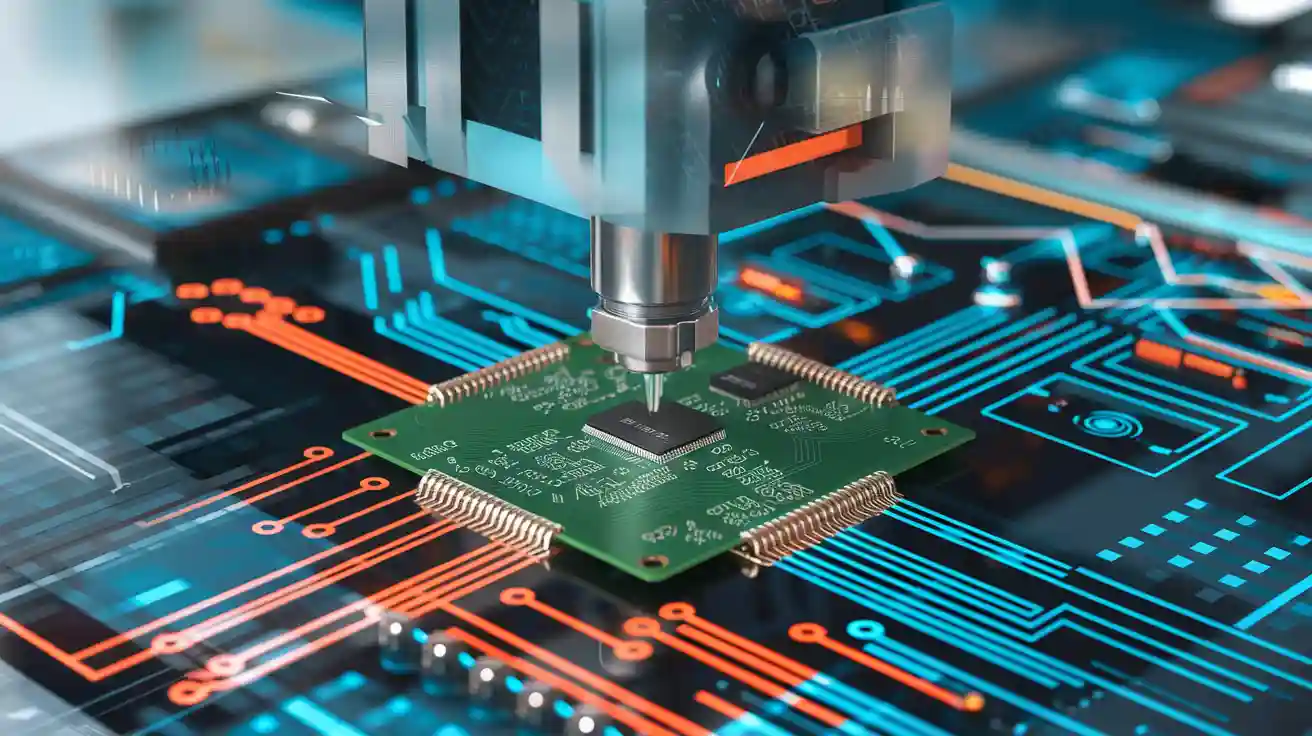
Surface mount PCB assembly is key to making modern electronics. It lets parts stick directly onto printed circuit boards (PCBs). This makes designs smaller and more efficient. Using both sides of the board saves space. SMT has changed industries by shrinking devices like phones and tablets. In 2023, consumer electronics made up 35.88% of the SMT market. This was worth USD 2,081.46 million. SMT also helps improve cars, planes, and medical tools.
Key Takeaways
-
Surface Mount Technology (SMT) makes electronics smaller and lighter. It places parts directly on the PCB surface, so no holes are needed.
-
SMT assembly is quicker and cheaper than older methods. It helps companies make good PCBs faster.
-
Important tools in SMT are solder paste, pick-and-place machines, and reflow ovens. These tools make assembly accurate and dependable.
-
Checking quality is very important in SMT. Regular checks and tools like Automated Optical Inspection (AOI) find problems early to keep products reliable.
-
Picking the right SMT partner matters a lot. Choose one with experience, good tools, and strong quality checks for the best results.
Understanding Surface Mount Technology (SMT)
What is Surface Mount Technology?
Surface mount technology (SMT) is a way to build electronic circuits. It places parts directly on a printed circuit board (PCB). Unlike older methods, SMT skips drilling holes into the board. This makes designs smaller, lighter, and more efficient, which is perfect for modern gadgets.
SMT has improved a lot over time. It now uses advanced tools like Ball Grid Arrays (BGAs) and fine-pitch technology. These help fit many parts onto small PCBs, making devices even tinier. SMT also uses steps like reflow soldering, applying adhesives, and cleaning flux to ensure everything works well. With fast automation, SMT is key in industries like electronics, cars, and airplanes.
Did you know? SMT became popular because people wanted smaller, lighter devices. The global SMT market might grow from USD 5.7 billion in 2023 to USD 11.93 billion by 2033, thanks to better automation and high-density interconnect (HDI) PCBs.
Key Components in SMT Assembly
Several important parts and materials are needed for SMT PCB assembly:
-
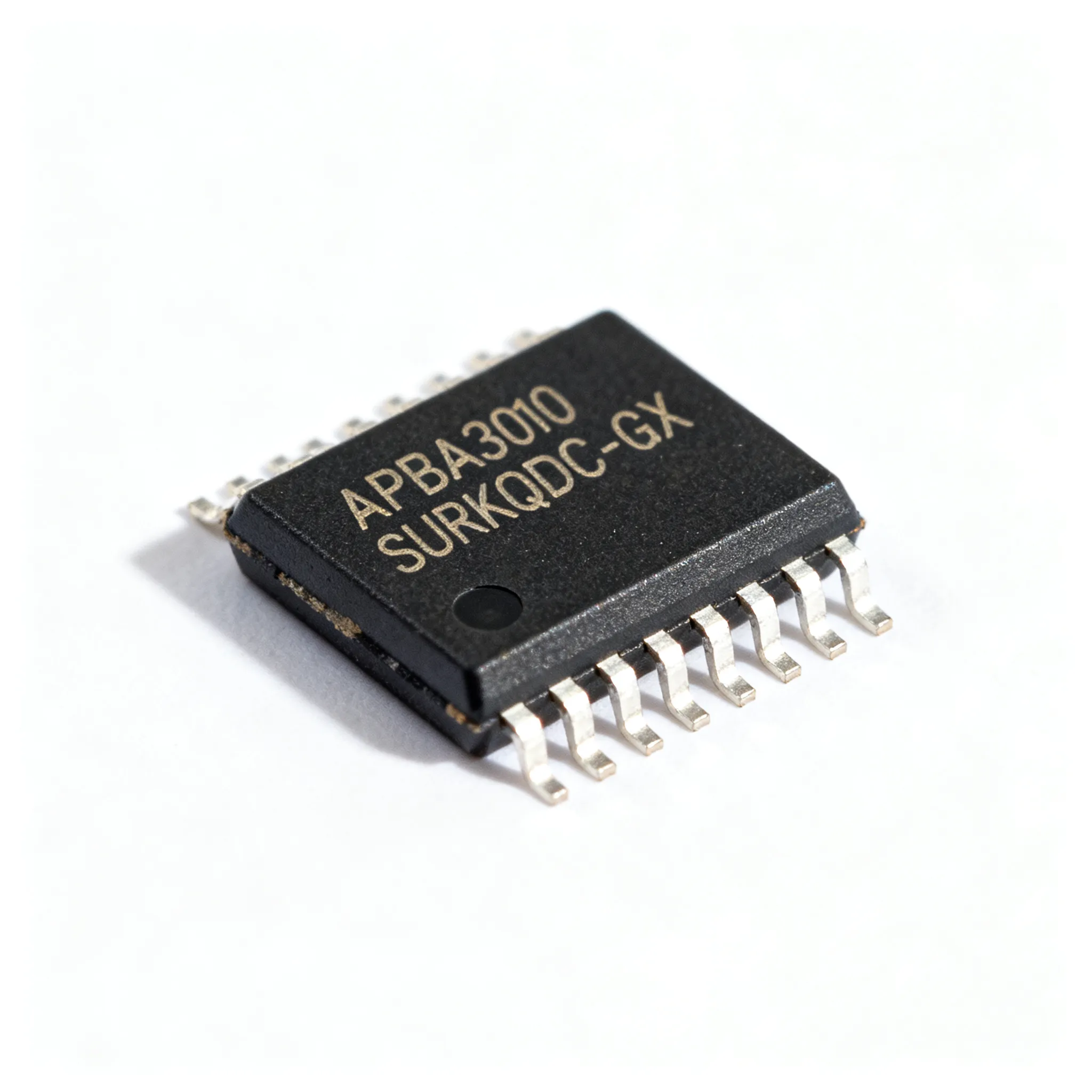
SMD Components: These are small parts like resistors, capacitors, and chips. They go directly on the PCB surface and save space.
-
Solder Paste: This sticky paste connects SMD components to the PCB. It’s made of powdered solder and flux.
-
Pick-and-Place Machines: These machines quickly and accurately put SMD components on the PCB.
-
Reflow Ovens: After placing parts, the PCB goes through a hot oven. The heat melts the solder paste, locking parts in place.
-
Adhesives: Sometimes, glue is used to hold parts before soldering.
These tools and materials make SMT assembly fast and reliable. Using small parts and machines saves time and lowers labor costs.
How SMT Differs from Traditional PCB Assembly Methods
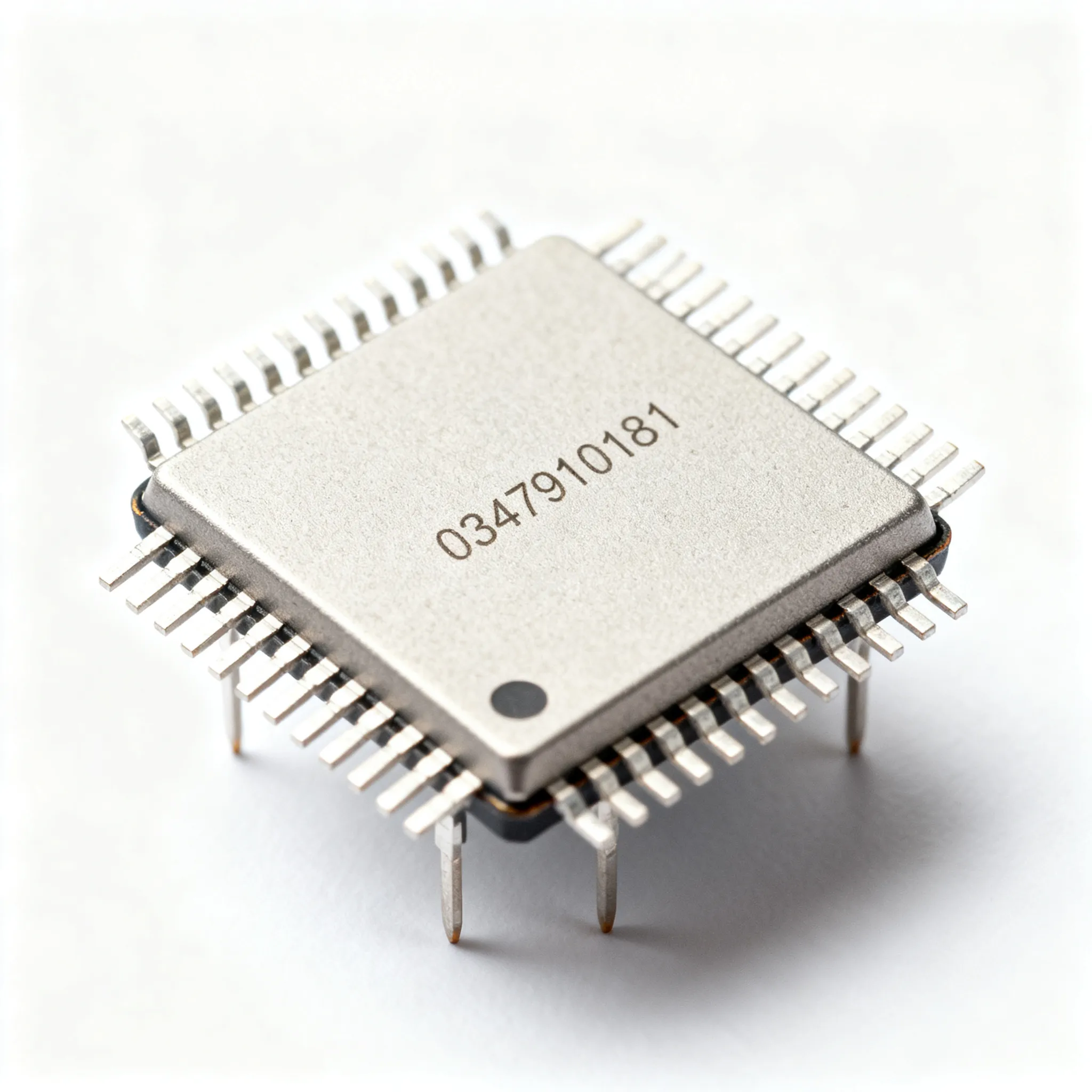
SMT is very different from through-hole technology (THT), the older way of building PCBs. In THT, parts have wires that go through holes in the PCB and are soldered on the back. SMT skips this and places parts directly on the PCB surface. This difference gives SMT several advantages:
-
Higher Component Density: SMT fits more parts in a small space, great for tiny designs.
-
Faster Assembly: Machines in SMT work faster than the manual work in THT.
-
Improved Design Flexibility: SMT supports many part types and sizes, allowing creative designs.
|
Feature |
SMT (Surface Mount Technology) |
THT (Through-Hole Technology) |
|---|---|---|
|
Component Density |
Fits more parts, good for small designs |
Fewer parts, needs more space |
|
Assembly Speed |
Faster with machines |
Slower with manual work |
|
Mechanical Strength |
Less strong, best for low-power devices |
Stronger, good for high-power devices |
|
Design Flexibility |
Very flexible, works with many part types |
Less flexible, fits specific parts |
While SMT has many benefits, THT is still useful for strong or high-power needs. For example, power supplies and connectors often use THT for durability.
Knowing these differences helps you choose the right method for your project.
Step-by-Step SMT PCB Assembly Process
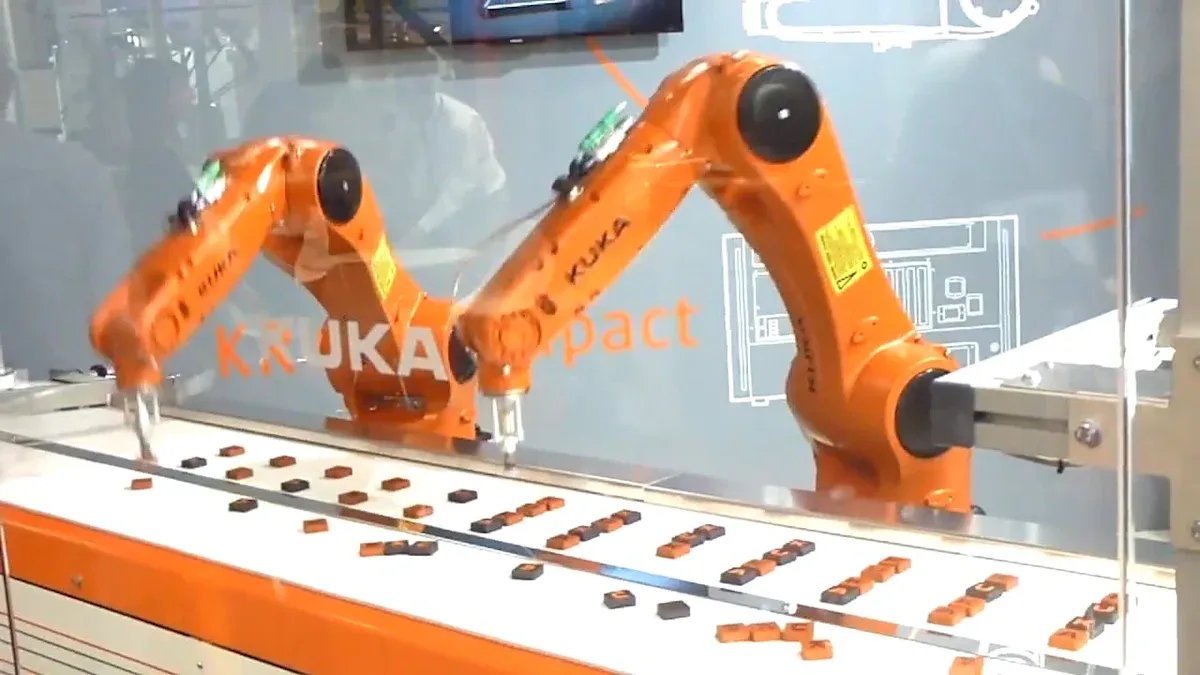
Solder Paste Application
The first step is adding solder paste to the PCB. This paste helps parts stick and makes electrical connections. It must be placed only on specific spots using a stencil. This ensures the paste goes where it’s needed.
To get good results, you must check some key factors. These include how thick the paste is, how hard the squeegee presses, and if the stencil lines up correctly. The table below shows the best values for these factors:
|
Parameter |
Recommended Value |
Importance |
|---|---|---|
|
Viscosity |
Ideal range for printing |
Affects flow through stencil; too high or low can cause defects. |
|
Particle Size Distribution |
2 - 12μm |
Ensures consistent deposition of solder paste. |
|
Squeegee Pressure |
7 kgf |
Ensures proper paste transfer during printing. |
|
Print Speed |
20 mm/s |
Affects the quality of solder paste application. |
|
Solder Paste Volume |
±30% tolerance from nominal |
Ensures proper solder joint formation; too little or too much can cause issues. |
|
Area Coverage |
80-100% |
Ensures sufficient coverage for electrical and mechanical connections. |
|
Height Tolerance |
±50% from nominal |
Ensures uniform solder joints across the board. |
|
Alignment Tolerance |
±50% of pad width or 50 μm |
Ensures correct placement of components. |
Keeping these factors in check ensures the paste is applied properly. Mistakes can cause problems like parts touching or weak connections.
Tip: Use a microscope to check the paste for mistakes before moving on.
Component Placement
After the paste is added, parts are placed on the PCB. Machines called pick-and-place machines do this job. They are fast and very accurate, making sure parts go in the right spots.
These machines are judged by how well they perform. Important things to check include:
-
CPH (Components Per Hour): How many parts the machine places in an hour.
-
Placement Accuracy: Ensures parts are lined up with the solder pads.
-
Feeding System Efficiency: Checks how smoothly parts are fed into the machine.
For example, some machines can place up to 100,000 parts per hour. This is great for big projects. But for small, detailed boards, accuracy is more important than speed.
Note: Regularly adjust your machine to keep it working well and placing parts correctly.
Reflow Soldering Process
Next, the PCB goes into a reflow oven. This heats the solder paste so it melts and connects the parts to the board.
The oven follows a set temperature plan to work properly. The table below explains the steps:
|
Stage |
Description |
Temperature Range |
Duration |
|---|---|---|---|
|
Ramp to Soak Zone |
Slowly heats the board to get it ready. |
1-5°C/second |
N/A |
|
Thermal Soak Zone |
Keeps the board warm to remove moisture and spread heat evenly. |
150-160°C |
1-3 minutes |
|
Reflow Zone |
Main stage where solder melts and connects parts. |
180-200°C (liquidus) |
15-60 seconds |
|
Cooling |
Slowly cools the board to avoid damage. |
N/A |
N/A |
In the reflow zone, the solder melts and flows to make strong connections. Cooling is just as important to avoid breaking parts or the board.
Did you know? Some ovens use nitrogen gas to stop oxidation, which makes the solder joints stronger.
By carefully following these steps, you can build high-quality PCBs with fewer mistakes and better reliability.
Inspection and Quality Control
Checking and controlling quality are very important in SMT assembly. These steps make sure the PCBs work well and last long. Finding problems early saves money and ensures the product works as planned.
Key Inspection Stages and Metrics
Quality checks happen at different points in the SMT PCB process. Each step looks for specific problems to fix them early. The table below shows the main inspection stages and why they matter:
|
Stage |
What to Check |
Why It’s Important |
|---|---|---|
|
Component Storage & Handling |
Moisture levels, ESD safety |
Stops damage that could cause parts to fail later. |
|
Stencil Printing |
Paste placement and amount using SPI |
Ensures even solder paste for strong connections. |
|
Pick and Place |
Correct part placement, direction, and alignment |
Prevents shorts, open circuits, or broken boards. |
|
Pre-Reflow Inspection |
Visual or machine check of paste and placement |
Catches visible mistakes before soldering. |
|
Reflow Soldering |
Temperature control and profiles |
Makes sure solder joints are strong and meet standards. |
|
Post-Reflow Inspection |
Use AOI and X-ray if needed |
Finds hidden issues like bridging or bad solder joints. |
|
Functional Testing |
Tests how the board works in real conditions |
Confirms the board works before final assembly. |
Tools and Techniques for Quality Control
To keep quality high, use advanced tools and methods during inspections. Here are some helpful tools:
-
SPI (Solder Paste Inspection): Checks paste amount and placement after printing. Even paste is key for good connections.
-
AOI (Automated Optical Inspection): Cameras scan the board for misplaced parts or solder problems.
-
X-ray Inspection: Looks at hidden solder joints in parts like BGAs.
-
ICT (In-Circuit Testing): Tests how each part on the board works.
-
FCT (Functional Testing): Checks if the whole board works in real-world conditions.
Tip: Calibrate your tools often to get accurate results and track quality.
Quality Control Benchmarks
You can measure how well your quality checks work by tracking these benchmarks:
-
First Pass Yield (FPY): Shows how many boards pass all checks the first time.
-
Defects Per Million Opportunities (DPMO): Counts defects compared to total inspection points.
-
Cost of Quality (CoQ): Measures how much quality control costs.
-
Mean Time Between Failures (MTBF): Tracks how long boards last without breaking.
Using these benchmarks helps improve your SMT PCB process and deliver better products.
Comparing SMT and Through-Hole Technology (THT)
Key Differences Between SMT and THT
SMT and THT are two ways to attach parts to a PCB. SMT places parts directly on the board's surface. THT needs holes drilled for part leads. These methods differ in speed, cost, and design options.
-
Assembly Speed: SMT uses machines, making it much faster. THT is slower because it needs manual or semi-automatic work.
-
Part Size: SMT parts are tiny, about 75% smaller than THT parts. This allows more parts to fit on a board. THT parts are bigger and take up more space.
-
Cost: SMT is cheaper because machines do most of the work. THT costs more due to higher labor needs.
-
Strength: THT is stronger, so it’s better for tough conditions. SMT works well for most uses but isn’t as strong in extreme situations.
Advantages of SMT Over THT
SMT has many benefits, making it the top choice for modern electronics. Its small parts and fast assembly have changed how PCBs are made.
-
More Parts Fit: SMT lets you add more parts to one board. This helps create smaller and more advanced designs.
-
Quicker Assembly: Machines for SMT can place parts 10 times faster than THT.
-
Lower Costs: SMT saves money by using less labor and more automation.
-
Flexible Designs: SMT supports many part sizes and shapes, giving more design options.
-
Lightweight Devices: SMT parts are small and light, perfect for gadgets like phones and tablets.
Tip: Use SMT if you need small, light designs and fast production.
When to Choose THT Over SMT
Even though SMT is common, THT is still useful in some cases. THT is better when strength and durability are very important.
-
Tough Conditions: THT is great for machines or planes where parts face stress.
-
Powerful Parts: THT works well for big parts like transformers and connectors.
-
Testing Designs: THT is easier to change during testing, making it good for experiments.
-
Easy Repairs: THT parts are simpler to fix or replace, helpful for projects needing maintenance.
|
SMT (Surface Mount) |
THT (Through-Hole) |
|
|---|---|---|
|
Part Size |
Smaller |
Bigger |
|
Assembly Speed |
Faster |
Slower |
|
Cost |
Cheaper |
More expensive |
|
Strength |
Good for most uses |
Best for tough conditions |
Knowing the pros and cons of each method helps you pick the best one for your project.
Advantages and Disadvantages of SMT Assembly
Benefits of Surface Mount PCB Assembly
Surface mount assembly has many benefits for modern electronics. It uses machines to work faster, making more products in less time. SMT also makes strong connections, lowering the chance of parts failing. Plus, it saves money by using fewer materials and less labor.
Here’s why SMT is helpful:
-
Smaller boards can hold more parts for complex designs.
-
Machines run nonstop, improving speed and efficiency.
-
No need to drill holes, which cuts starting costs.
|
Benefit |
Description |
|---|---|
|
Machines make assembly faster and more efficient. |
|
|
Reliability |
Strong connections reduce the risk of part failures. |
|
Cost-Effectiveness |
Saves money by using fewer materials and less labor. |
SMT also allows for smaller, lighter designs, perfect for gadgets like phones and tablets. It works with many types of parts, giving designers more options.
Tip: Choose SMT if you want faster production and strong connections for your projects.
Limitations and Challenges of SMT Assembly
Even with its benefits, SMT has some downsides. The small parts are harder to handle and place correctly. Parts can move during placement, causing alignment and soldering problems. Research has helped find ways to fix these issues.
Picking the right glue is another challenge. Good glue keeps parts in place during soldering. Studies show how glue properties affect connection strength. Also, getting the right heat settings during soldering is tricky. Advanced tools like smart controllers can help solve this.
Other problems include:
-
Lead-free solder joints may not last under temperature changes.
-
Hidden solder joints, like in BGAs, are hard to inspect.
-
Special SMT equipment can cost more than traditional tools.
SMT works well for most uses but struggles in tough conditions or high-power setups. For stronger needs, through-hole technology might be better.
Note: Regularly check your tools and pick good materials to avoid problems and improve SMT reliability.
Applications of SMT in Modern Industries
Consumer Electronics and Gadgets
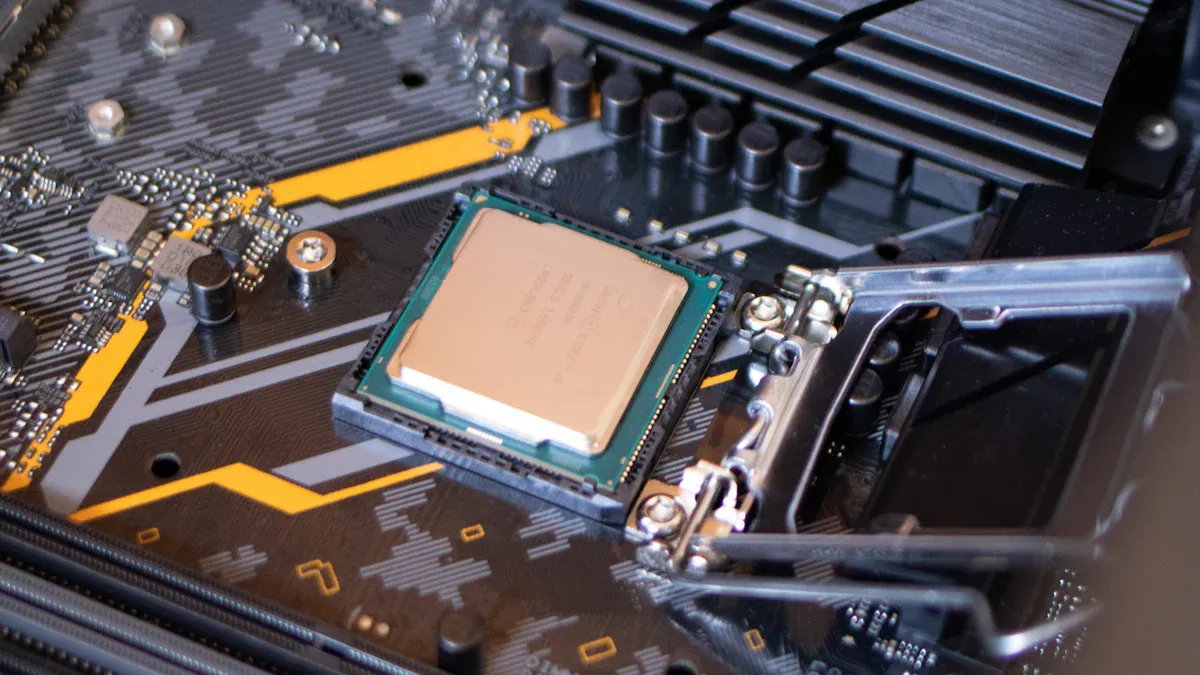
You use SMT technology every day in gadgets like phones, tablets, and smartwatches. SMT helps make these devices smaller, lighter, and more powerful by attaching parts directly to PCBs. This method allows more features to fit into tiny spaces, keeping up with the trend of making electronics compact.
The SMT market is expected to grow by 3.3% each year from 2025 to 2033. This growth shows how much people want advanced gadgets and high-tech circuit boards. Whether it’s a smartwatch tracking steps or a tablet for work, SMT makes these devices possible.
Automotive Electronics
Modern cars depend on SMT for their advanced systems. By placing parts directly on PCBs, SMT makes circuits smaller and more efficient. This helps create features like GPS, entertainment systems, and safety tools such as crash detection.
-
SMT boosts car performance with smarter electronics.
-
It lowers costs by speeding up production.
-
Smaller designs make cars lighter and save fuel.
From electric cars to self-driving systems, SMT ensures car electronics are innovative and reliable.
Medical Devices and Equipment
In healthcare, SMT helps build accurate and dependable medical devices. It allows for small designs like pacemakers, hearing aids, and testing tools. SMT also supports special features, like stents with coatings that dissolve in the body to improve health.
|
Evidence Type |
What SMT Does |
Why It Matters |
|---|---|---|
|
Biodegradable Polymer Coating |
Adds special layers to stents for better results. |
Improves device quality and patient care. |
|
Global Presence |
Shows SMT’s worldwide importance. |
|
|
Recognition |
Praised by India’s government for heart health. |
Proves SMT’s value in healthcare. |
With its precision and flexibility, SMT helps medical devices meet strict standards, making it essential in today’s healthcare industry.
Aerospace and Defense Systems
SMT is very important for aerospace and defense systems. These systems need to work well, be reliable, and handle tough conditions. SMT helps by making designs smaller, improving performance, and lowering costs.
Why SMT Matters in Aerospace and Defense
SMT lets engineers add more parts in small spaces. This makes devices like radars and navigation tools work better. Shorter leads in SMT improve signal speed and reduce interference. These features are key for fast and accurate systems.
Tip: Smaller designs with SMT save space and last longer in tough conditions.
How SMT Performs in Aerospace
The table below shows why SMT is great for aerospace and defense:
|
Metric |
Benefit |
|---|---|
|
Fits more parts in small spaces for better function. |
|
|
Improved Electrical Performance |
Shorter leads mean faster signals and less interference. |
|
Lower Manufacturing Costs |
Saves money while keeping high quality. |
|
Extreme Environment Reliability |
Works well in tough conditions like heat and vibration. |
Real-Life Uses
SMT is used in satellites, military drones, and airplane systems. These need to handle heat, shaking, and radiation. SMT makes sure they work well for a long time.
Did you know? SMT parts can handle temperatures from -55°C to 125°C, perfect for space missions.
With SMT, aerospace and defense get better designs, stronger systems, and lower costs. This technology keeps these industries reliable and advanced.
Key Considerations for Successful SMT PCB Assembly
Making Designs Easy to Manufacture (DFM)
Designing for easy manufacturing (DFM) helps your SMT PCB assembly go smoothly. By planning for production limits early, you can avoid mistakes and delays. For example, placing parts smartly on the PCB reduces errors and speeds up assembly.
Follow rules like IPC-A-610, which groups electronic builds into three levels based on how reliable they need to be. Using tracking systems helps monitor materials and steps, cutting down on mistakes. Tools like Automated Optical Inspection (AOI) and X-ray machines also catch problems early, improving quality.
Tip: Work with your manufacturer during design to match their abilities.
Picking the Best Materials and Parts
Choosing the right materials and parts is key for good SMT assemblies. Think about cost, environmental effects, and what the product needs to do. The table below shows important things to consider:
|
Criteria |
What to Think About |
|---|---|
|
Cost |
PCB costs depend on design and material type. |
|
Manufacturing Process |
Materials must fit the method, like SMT or through-hole. |
|
Environmental Concerns |
Look at impact, like toxicity and resource use. |
|
Application Requirements |
Match materials to needs like temperature or voltage. |
|
Performance Verification |
Test materials to ensure they work as expected. |
Using reliable parts is just as important. Good-quality parts lower failure risks and make products work better.
Keeping Quality High in SMT Assembly
Quality checks are crucial for reliable SMT PCB assembly. Inspect at every step. For example, Solder Paste Inspection (SPI) checks paste placement, and AOI finds misplaced parts. The table below lists key quality checks:
|
Key Element |
What It Ensures |
|---|---|
|
Solder Paste Printing Quality |
Even paste for strong connections. |
|
Reflow Quality |
Proper soldering of parts. |
|
Component Placement |
Accurate placement to avoid issues. |
|
Stencil Thickness Calculation |
Controls paste amount for consistent soldering. |
|
Equipment and Instrumentation |
Updated tools keep quality high. |
Track metrics like First Pass Yield (FPY) and Mean Time Between Failures (MTBF) to measure success. Following ISO 9001-certified methods ensures steady quality throughout production.
Note: Check your tools often and store solder paste properly to avoid problems like oxidation.
Picking a Trustworthy SMT Assembly Partner
Choosing the right SMT assembly partner is very important. A good partner ensures quality work, fewer mistakes, and meets your needs. To find the best one, check a few key things.
First, look at their technology. Modern tools help them handle tricky designs and parts. Next, check their experience. A skilled company with similar projects can solve problems better and give great results.
Certifications are also important. Look for partners with certifications like ISO 9001. These show they care about quality. Also, review their quality checks. Strong checks mean fewer errors and reliable boards.
Flexibility is another thing to consider. A good partner can handle big or small orders and adjust to changes. This keeps your project running smoothly, even if plans shift.
The table below shows what to look for:
|
Performance Criteria |
Description |
|---|---|
|
Technological Capabilities |
Check if they have tools to handle special parts. |
|
Experience and Expertise |
Ask about their past work on similar projects. |
|
Certifications and Compliance |
Look for certifications that prove they focus on quality. |
|
Quality Control Measures |
See if they have strong checks to avoid mistakes. |
|
Production Flexibility |
Make sure they can handle different order sizes and changes. |
Lastly, good communication is key. A partner who listens and gives updates builds trust. By checking these things, you can pick a partner who helps your project succeed.
Surface mount PCB assembly has changed how electronics are made. It allows faster production, fits more parts on boards, and saves money. This method is used in many industries, like electronics, cars, and airplanes, showing how useful it is. Experts predict global electronics production will grow 8% yearly from 2024 to 2028. Surface mount assembly will stay important, making up 70% of PCB production. The need for smaller, high-tech devices makes it even more valuable. Using surface mount PCB assembly helps create reliable, efficient, and scalable designs for your projects.
FAQ
1. What makes SMT better than THT?
SMT lets you add more parts to smaller boards. This helps create compact and efficient designs, great for gadgets like phones and tablets. It also uses machines to work faster, saving time and cutting costs.
2. Can SMT handle devices needing high power?
SMT is good for most electronics but not for high-power needs. For things like transformers or connectors, THT is better because it’s stronger and lasts longer.
3. How can you keep quality high in SMT assembly?
Use tools like AOI (Automated Optical Inspection) and SPI (Solder Paste Inspection). These tools find mistakes early, making sure connections are strong. Tracking things like FPY (First Pass Yield) also helps improve quality.
Tip: Check and adjust your tools often to keep inspections accurate.
4. Is SMT good for aerospace systems?
Yes, SMT works well in aerospace. It allows small, dense designs, speeds up signals, and handles tough conditions like heat and shaking. This makes it great for satellites, drones, and navigation systems.
5. What materials should you pick for SMT assembly?
Choose materials that fit your product’s needs. Think about cost, environmental impact, and how the product will be used. For example, use lead-free solder for eco-friendly designs or heat-resistant PCBs for tough environments.
Note: Always test materials to make sure they meet your project’s needs.