Through-Hole PCB Assembly vs. SMT: When to Choose Traditional Assembly Methods
When your project needs parts that handle tough conditions, Through-Hole PCB Assembly is a great choice. It has strong connections that resist damage from the environment. This makes it very reliable for aerospace and military use. These fields need sturdy electronics that work in harsh conditions, and this method works well.
When your project needs parts that handle tough conditions, Through-Hole PCB Assembly is a great choice. It has strong connections that resist damage from the environment. This makes it very reliable for aerospace and military use. These fields need sturdy electronics that work in harsh conditions, and this method works well.
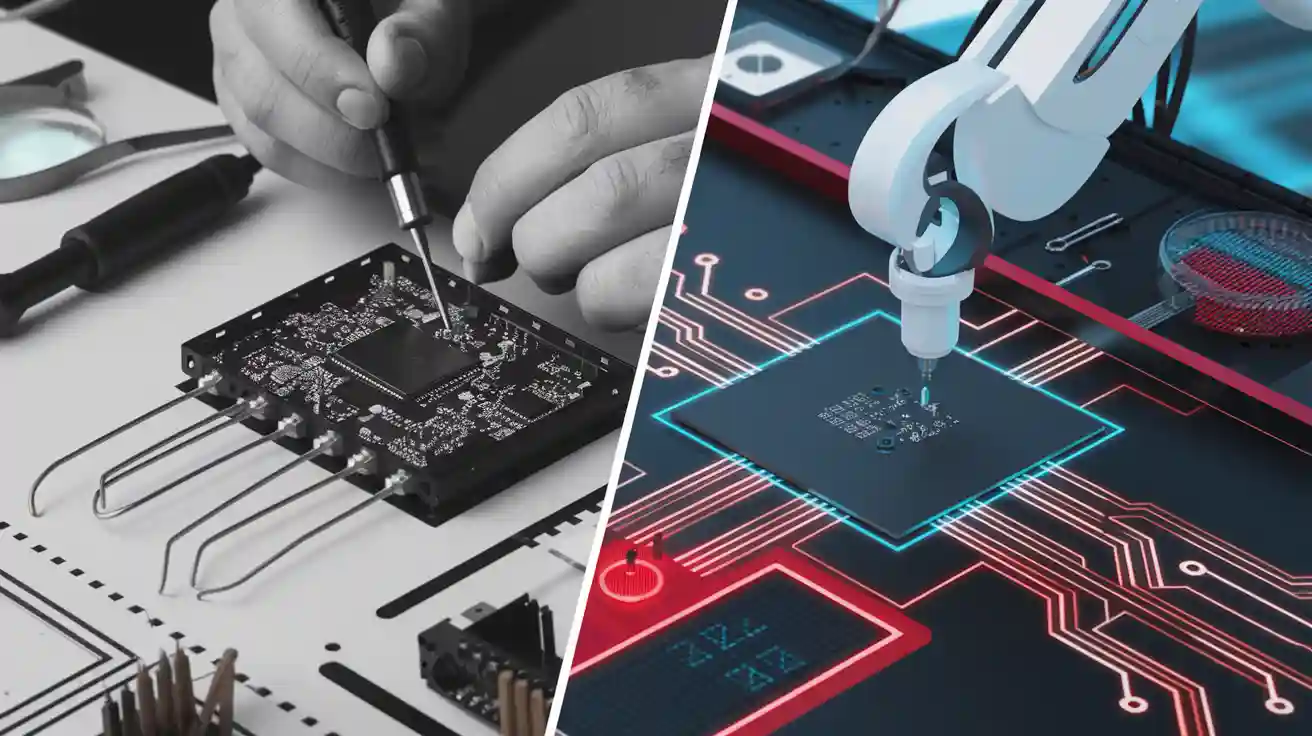
On the other hand, Surface Mount Technology (SMT) is best for making many products quickly. New machines have made SMT faster by about 60% and reduced mistakes by over 30%. If you want small, modern gadgets built efficiently, SMT is usually better.
In the end, your decision depends on what your project needs.
Key Takeaways
-
Through-Hole PCB Assembly works well for strong, tough connections. It is great for hard environments like military and aerospace.
-
Surface Mount Technology (SMT) is faster and makes smaller designs. It is perfect for modern devices like smartphones.
-
Use Through-Hole for testing and prototyping. It is easier to work with and swap parts during testing.
-
SMT costs less for big production runs because it uses machines. Through-Hole can be cheaper for small projects.
-
Think about your project’s needs, like strength or size, to pick Through-Hole or SMT.
Understanding Through-Hole PCB Assembly
Key Features
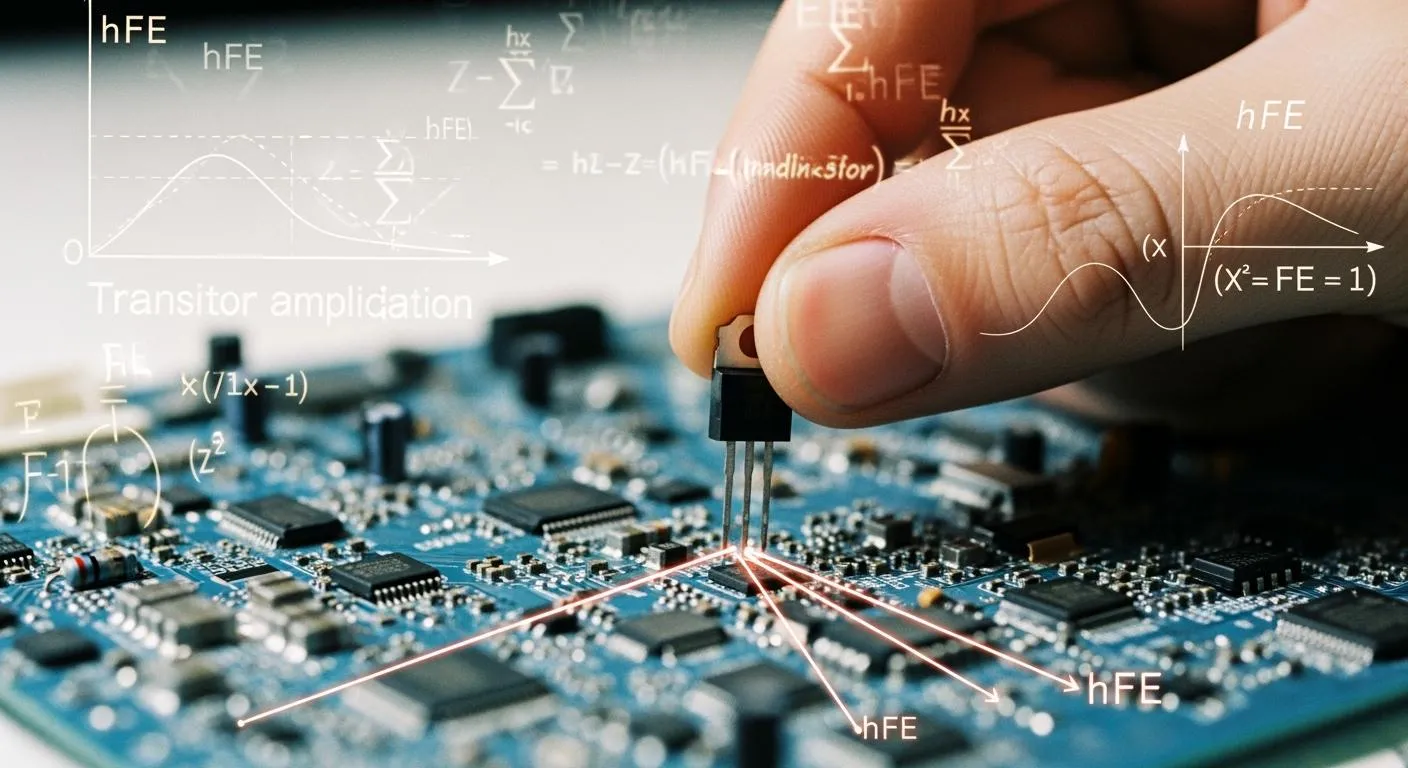
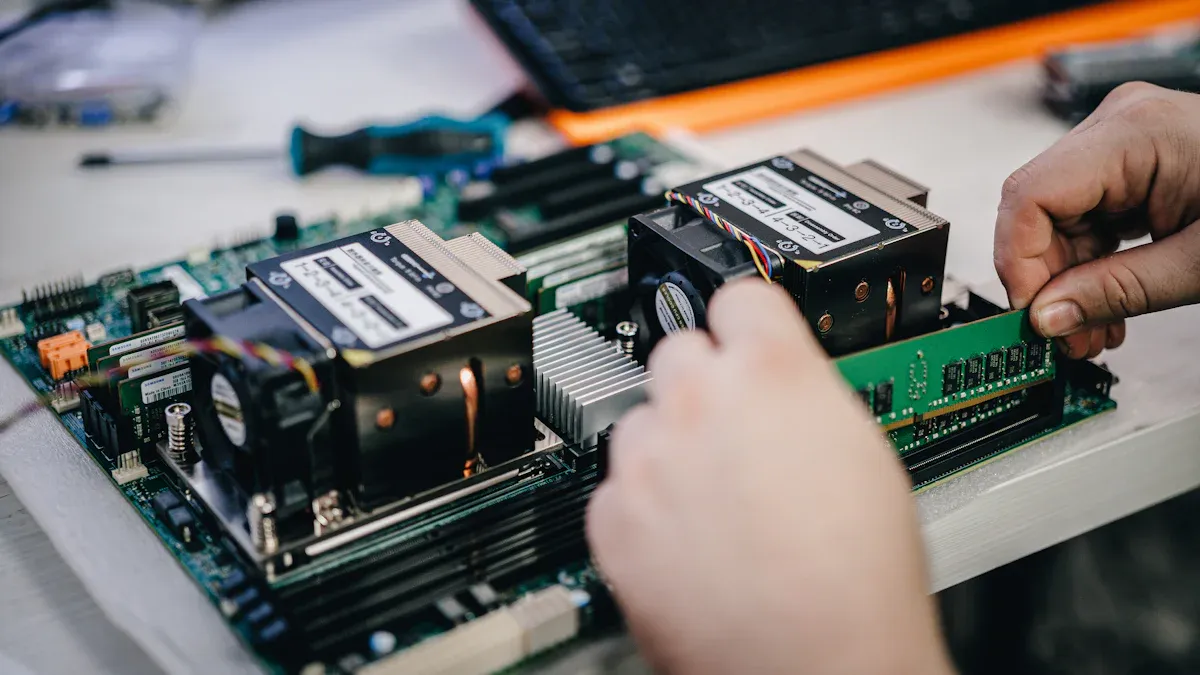
Through-Hole PCB Assembly is known for being strong and reliable. Parts are placed into drilled holes on the board and soldered. This creates tough connections that stay secure during vibrations or shocks. It’s perfect for aerospace and military use where durability is key.
The bigger size of Through-Hole parts makes them easier to handle. You can quickly change or replace parts, which helps during testing. This process lets you fix circuits fast without wasting time.
|
Key Feature |
Description |
|---|---|
|
Durability |
Strong connections that hold up under vibrations and shocks. |
|
Reliability |
Keeps connections secure in tough conditions, great for aerospace. |
|
Ease of Use |
Bigger parts are easier to handle, good for testing and learning. |
|
Assembly Process |
Easy to adjust, helping with quick fixes and circuit testing. |
Typical Applications
Through-Hole PCB Assembly is important for industries needing strong and lasting electronics. Military and aerospace fields use it for devices that survive harsh conditions. Industrial electronics also benefit because it works well for high-power systems.
In healthcare, this method ensures safe connections in devices like monitors and life-support machines. It’s also popular for testing and prototyping, where changes are often needed.
|
Industry Application |
Key Features of Through-Hole Technology |
|---|---|
|
Industrial Electronics |
Strong design for high-power systems, controls, and sensors. |
|
Medical Electronics |
Reliable for critical devices like monitors and life-support machines. |
|
Military and Aerospace |
Built to handle extreme conditions, perfect for high-stress uses. |
Through-Hole PCB Assembly has improved since the 1960s with better materials like resins. Moving from single-layer to multi-layer boards has saved space and added flexibility. This has made it even more useful in many industries.
Exploring Surface Mount Technology (SMT)
Key Features
Surface Mount Technology (SMT) has changed how electronics are made. It allows smaller designs and faster production. Unlike Through-Hole PCB Assembly, SMT places parts directly on the board's surface. This removes the need for drilled holes. It also fits more parts into a smaller space, perfect for modern gadgets.
Key features of SMT include:
-
Compact Design: Smaller, lighter parts make slim and portable devices.
-
High-Speed Assembly: Machines quickly place parts, saving time.
-
Two-Sided Assembly: Parts can go on both sides of the board.
-
Increased Circuit Density: More parts fit in less space for powerful devices.
|
Feature |
|
|---|---|
|
Assembly Configuration |
Often uses 2-sided assembly |
|
Lead Spacing |
0.0157” spacing (0.0197” common) |
|
Assembly Method |
Done with machines |
|
Soldering |
Usually automated |
|
Stencil Requirement |
Needed unless for small, simple boards |
|
Component and Circuit Density |
Higher density for more parts |
|
PCB Footprint |
Very small |
These features make SMT great for industries needing fast, high-volume production.
Common Use Cases
SMT is key to making today’s electronic devices. It’s used in things like phones, tablets, and smartwatches. These need to be small and light, which SMT makes possible. For example, phone companies use SMT to make millions of phones each year. This meets demand while keeping quality high.
SMT is also used in cars, medical tools, and factory machines. It helps make devices smaller and lighter without losing performance. Reports show SMT is popular because it’s flexible and efficient. It’s a must-have for modern manufacturing.
SMT combines small designs with strong performance. It’s essential for making everything from smartwatches to factory systems. SMT gives you the precision and flexibility you need.
Comparing Through-Hole PCB Assembly and SMT

Cost and Efficiency
The costs of Through-Hole PCB Assembly and SMT are quite different. Through-hole assembly needs more handwork, which raises costs. SMT uses machines, cutting down on labor expenses. But, SMT’s machines can be expensive to buy at first.
Here are some cost factors:
-
Labor Costs: Through-hole needs manual soldering; SMT uses machines, saving money.
-
Process Complexity: SMT’s machines cost more to set up than through-hole.
-
Component Sourcing: SMT parts are smaller and cheaper; through-hole parts cost more.
-
Assembly Volume: SMT is cheaper for big batches; small runs cost more for both.
-
Board Complexity: Complex boards cost more, but SMT handles dense layouts better.
For small parts or large batches, SMT saves money. For simple designs or testing, through-hole might be cheaper even with higher labor costs.
Reliability and Durability
Durability is key when choosing between these methods. Through-hole assembly makes stronger connections, great for tough jobs. SMT works well but may fail under heavy stress or impact.
|
Assembly Method |
Durability Features |
|
|---|---|---|
|
SMT |
Can fail in tough conditions or heavy stress |
Less resistant to shocks and vibrations |
|
Through-Hole |
Handles stress and temperature changes better |
Best for aerospace and defense projects |
Through-hole is better for harsh places like military or space use. Its parts handle shocks, vibrations, and heat changes better than SMT. If you need something long-lasting, through-hole is the safer pick.
Automation and Production Speed
SMT is faster because it uses machines to place parts. It can also put parts on both sides of the board, saving time. Through-hole relies on handwork, which takes longer.
SMT machines make fewer mistakes and keep things consistent. They can make thousands of items quickly, perfect for big orders. Through-hole is slower but good for testing and small projects. If speed and mass production matter, SMT is the way to go. For small jobs or manual tweaks, through-hole is still useful.
Component Size and Design Flexibility
When making a PCB, the size of parts and design options matter. Through-Hole PCB Assembly and SMT are very different in these areas. Knowing these differences helps you pick the right method.
Through-Hole PCB Assembly uses bigger parts placed in drilled holes. These parts are easy to handle, so they’re great for hand assembly or testing. But their size means fewer parts fit on one board. This method is best for simple designs or when space isn’t an issue.
On the other hand, SMT uses tiny parts placed directly on the board’s surface. This allows for smaller, lighter designs. For example:
-
Miniaturization: Tiny parts make devices smaller and lighter.
-
High Circuit Density: More parts fit in less space, perfect for gadgets like phones.
-
Flexibility in Design: Parts can go on both sides of the board, saving space.
If your project needs flexible circuits, SMT is better. Small parts handle bending well and resist damage. This makes SMT great for portable or detailed designs.
Tip: Use Through-Hole PCB Assembly for strong, easy-to-handle designs. Choose SMT for compact, high-density layouts.
Performance in Harsh Environments
Electronics in tough places need the right assembly method. Through-Hole PCB Assembly is best for strength and reliability in extreme conditions. Its soldered connections are strong, resisting shocks, vibrations, and heat changes. That’s why industries like aerospace and military trust it.
SMT is efficient and compact but less durable in harsh conditions. Its small solder joints can break under stress or heat. Still, SMT can work in tough places if protected with coatings or stronger soldering.
Here’s how each method performs in different industries:
|
Key Features for Performance |
Environmental Challenges |
|
|---|---|---|
|
Military & Aerospace |
Strong, reliable, handles shocks well |
Extreme heat, high vibration |
|
Automotive |
Safe, stable connections for systems like airbags |
Vibration, heat, physical stress |
|
Industrial Machinery |
Durable for heavy-duty tasks |
Tough factory conditions |
|
Medical Devices |
Precise, long-lasting, meets strict safety rules |
Sterilization, constant stress |
Through-Hole PCB Assembly is the top choice for extreme conditions. SMT works better in controlled settings where size and speed matter more.
Note: For projects facing high heat or vibrations, pick Through-Hole PCB Assembly for its toughness.
Pros and Cons of Through-Hole PCB Assembly
Advantages
Through-Hole PCB Assembly has many benefits for certain uses. It works well with bigger parts, making it great for high-power systems. This is why it’s often used in industrial and military electronics. The strong connections it creates can handle vibrations and shocks, which is important for tough environments.
Another benefit is how easy it is to fix or change parts. During testing, you can quickly swap out components, saving time. This makes it a good choice for projects that need frequent updates. Also, through-hole assembly handles heat better, which helps in high-temperature situations.
|
Description |
|
|---|---|
|
Mechanical Robustness |
Strong connections resist vibrations and shocks. |
|
Ease of Repair |
Components are easy to replace or modify during testing. |
|
Heat Dissipation |
Handles high temperatures better than SMT. |
|
Compatibility with Large Components |
Suitable for high-power systems and industrial applications. |
Disadvantages
Even with its strengths, Through-Hole PCB Assembly has some downsides. Placing parts by hand takes time and needs careful work, which can slow things down. Using machines for through-hole assembly is harder because the parts must go through holes, which can cause mistakes.
Another issue is that fewer parts fit on the board compared to SMT. This makes it less useful for small devices like phones or smartwatches. Also, the slower process and extra manual work can make it more expensive for big projects.
-
Challenges in Automation: Machines have a harder time placing through-hole parts.
-
Inspection Requirements: Checking placement often needs to be done by hand.
-
Lower Component Density: Fewer parts fit, limiting compact designs.
-
Longer Assembly Times: Slower process increases time for large orders.
Tip: Choose Through-Hole PCB Assembly when durability and easy repairs matter more than size or speed.
Pros and Cons of SMT
Advantages
Surface Mount Technology (SMT) has many benefits for making modern electronics. It helps create smaller and lighter devices, which is great for gadgets like smartphones and smartwatches. SMT also allows more parts to fit on one board, making devices more powerful and efficient.
Another big plus is that SMT saves money. Machines do most of the work, cutting down on labor costs. These machines place parts accurately, which speeds up production and reduces mistakes. Special tools, like SMT counters, help ensure everything is placed correctly, making the process even faster.
SMT also makes devices more reliable. Parts are soldered directly to the board, so they stay in place better. Studies show that picking the right supplier can lower costs while keeping quality high. This makes SMT a smart choice for many projects.
|
Description |
|
|---|---|
|
Miniaturization |
Makes devices smaller and lighter. |
|
Increased Density |
Fits more parts on one board. |
|
Enhanced Electrical Performance |
Boosts how well devices work. |
|
Cost-Effectiveness |
Saves money with automated processes. |
|
Improved Reliability |
Keeps parts securely attached. |
Disadvantages
Even with its benefits, SMT has some downsides to think about. Small parts can get hot, and managing this heat needs careful planning. Machines are precise, but mistakes can happen if solder paste isn’t applied correctly.
Checking SMT boards for errors can be tricky and costly. Special tools are often needed to inspect them. Also, the small parts and advanced materials can raise costs. Common problems include solder paste issues, uneven heating, and defects like parts lifting off the board or misaligned solder balls. These problems usually happen when temperature control isn’t handled properly.
|
Description |
|
|---|---|
|
Solder Paste Issues |
Problems like incomplete soldering from incorrect paste thickness. |
|
Reflow Soldering Problems |
Defects caused by poor temperature control during heating. |
|
Tombstoning |
Parts lifting due to uneven heating. |
|
BGA Balling |
Misaligned solder balls from weak flux or poor fixing. |
Tip: To avoid these problems, use good solder paste and control temperatures carefully during assembly.
When to Choose Through-Hole PCB Assembly
High-Reliability Applications
Pick Through-Hole PCB Assembly for projects needing strong and reliable parts. This method works well in tough conditions like heat, vibrations, or shocks. Industries such as aerospace, military, and automotive use it for its sturdy connections and good heat handling.
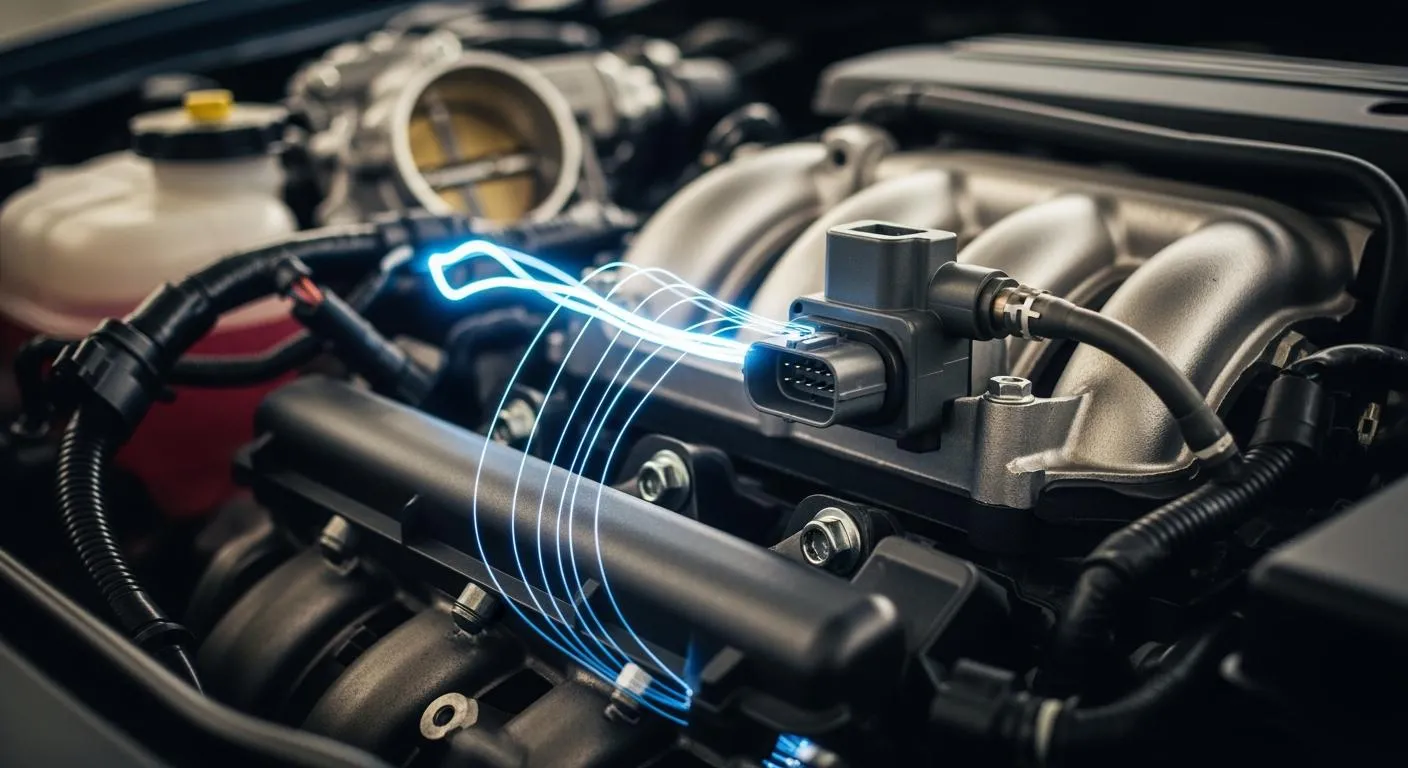
For example, cars often use Through-Hole PCB Assembly for high-power systems. Electric and hybrid vehicles need strong parts to handle high currents and last long. It’s also easy to fix, making it great for jobs where downtime is expensive.
-
Why Use Through-Hole PCB Assembly for Reliable Projects?
-
Strong connections resist vibrations and shocks.
-
Handles heat better for powerful systems.
-
Easy to repair, saving time and money.
-
|
Through-Hole Technology (THT) |
Surface Mount Technology (SMT) |
|
|---|---|---|
|
Thermal Performance |
Handles heat better with larger parts |
Smaller parts are more heat-sensitive |
|
Vibration and Shock Resistance |
Stronger connections resist damage from vibrations |
Weaker against shocks and vibrations |
|
Assembly Time |
Slower due to manual work |
Faster with automated machines |
|
Assembly Cost |
Costs more because of manual processes |
Cheaper with automated assembly |
Tip: Use Through-Hole PCB Assembly for projects in tough places like aerospace or automotive systems.
Prototyping and Testing
Through-Hole PCB Assembly is great for testing and prototypes. Bigger parts are easier to handle, making it simple to swap or change them. This helps you test different setups without wasting time.
Car prototypes often use through-hole parts for connectors or high-power systems. These parts stay strong during testing and handle stress well. Manual assembly also makes it easier to spot and fix problems before mass production starts.
-
Why Choose Through-Hole PCB Assembly for Prototypes?
-
Easy to replace parts during testing.
-
Strong connections for reliable experiments.
-
Perfect for high-power systems.
-
Testing with Through-Hole PCB Assembly ensures your design is ready for real-world use.
High-Durability Requirements
For projects needing tough parts, Through-Hole PCB Assembly is the best choice. Its soldered connections are strong, making it perfect for harsh environments. Industries like aerospace, cars, and factory machines use it for its ability to handle stress and temperature changes.
For example, factory machines use through-hole parts for heavy-duty tasks. These parts survive tough conditions and last a long time. Aerospace projects also benefit from the strong support of through-hole mounting, especially for bigger parts.
|
Evidence Type |
Description |
|---|---|
|
Through-hole mounting is key for big parts needing strong support, ideal for reliable industries. |
|
|
Rising Demand for Repairability |
Through-hole parts are easy to replace, cutting downtime and costs in fields like aerospace and cars. |
Note: For durable projects like factory machines or aerospace systems, Through-Hole PCB Assembly is the most reliable option.
Manual Assembly Preferences
If you like building things by hand, Through-Hole PCB Assembly is a great option. It works well for projects needing strong parts, easy handling, and simple testing. This method gives you the reliability and flexibility to work manually.
One big advantage of using Through-Hole PCB Assembly is how easy it is to handle larger parts. These parts are simple to place and solder, making them perfect for prototypes or projects that need changes. You can quickly replace parts during testing, saving time and ensuring your design works as planned.
Tip: For custom builds or prototypes, Through-Hole PCB Assembly lets you make changes without fancy tools.
This method is also great for tough jobs. The strong connections it creates can handle vibrations, shocks, and other stresses. That’s why industries like aerospace, cars, and factories often use it. Plus, the visible solder joints make it easy to check for problems. You can spot and fix issues quickly, ensuring your product is reliable.
Here’s why manual assembly works well with Through-Hole PCB Assembly:
-
Strong Mechanical Connections: Soldered joints stay strong in tough conditions.
-
Ease of Prototyping and Adjustments: Bigger parts are simple to move or change.
-
Better Heat Tolerance: Parts can handle high temperatures without damage.
-
Easier Testing and Inspection: Visible joints make quality checks faster and easier.
If you want control and simplicity in your assembly process, manual assembly with Through-Hole PCB Assembly is a smart choice. It’s easy to use and tough enough for reliable results.
Picking between Through-Hole PCB Assembly and SMT depends on your project. Through-hole is strong and reliable, great for tough conditions. SMT is faster, smaller, and better for making many products quickly.
|
Feature |
Through-Hole PCB Assembly (THM) |
Surface Mount Technology (SMT) |
|---|---|---|
|
Higher due to hand assembly |
Lower with machine assembly |
|
|
Assembly Speed |
Slower, needs manual work |
Faster, uses machines |
|
Component Size |
Bigger, less compact |
Smaller, fits tiny designs |
|
Application Suitability |
Best for harsh environments |
Great for lightweight gadgets |
|
Replacement |
Easy to swap parts |
Harder to replace parts |
|
Production Volume |
Limited by hand processes |
High volume with automation |
Each method has pros and cons. Think about your project’s needs. Whether you need strength or speed, both methods are important in electronics today.
FAQ
What is the main difference between Through-Hole PCB Assembly and SMT?
Through-Hole PCB Assembly secures parts in drilled holes. This makes it strong and durable. SMT places parts on the board's surface. It allows smaller designs and faster production. Pick based on strength or size needs.
Can I combine Through-Hole PCB Assembly and SMT in one project?
Yes, both methods can be used together. Through-Hole works for strong, high-power parts. SMT is great for small, dense components. Mixing them gives you both strength and efficiency.
Which method is better for prototyping?
Through-Hole PCB Assembly is best for prototypes. Bigger parts are easier to handle and test. You can quickly swap parts to fix or improve designs.
Is SMT always cheaper than Through-Hole PCB Assembly?
Not always. SMT saves money for big production runs. But its machines cost a lot to set up. For small projects, Through-Hole can be cheaper.
How do I decide which method to use for my project?
Think about your project’s needs. Use Through-Hole for tough conditions or high-power systems. Choose SMT for small, fast-made devices. Compare cost, reliability, and speed to decide.
Tip: Match your method to your project’s environment and size.