Key Supply Chain Services for Electronics Component Makers This Year
Supply chain services are now the heart of electronics making. Problems like tariffs, material shortages, or high costs can mess up production. This is why smarter supply chain management is a must, not an option.
Supply chain services are now the heart of electronics making. Problems like tariffs, material shortages, or high costs can mess up production. This is why smarter supply chain management is a must, not an option.
Here’s the deal: being strong and prepared is important. Companies are moving factories closer to home to depend less on faraway suppliers. New tech, like chiplet designs, is helping create better products. But to stay ahead, businesses must also focus on being eco-friendly and safe from cyber threats. By working with top supply chain experts, you can solve these problems, work faster, and stay ahead in the online shopping world.
Key Takeaways
-
Good supply chain management helps electronics makers handle problems like tariffs and lack of materials.
-
Use tools like AI and IoT to track inventory better and make quick decisions.
-
Working well with suppliers can boost results and lower risks.
-
Being eco-friendly isn’t just popular; it’s required and builds customer trust.
-
Checking systems often and using tech experts can fix issues and make supply chains work better.
Challenges in Supply Chain Management for Electronics Makers
How global problems affect supply chains
Big world events have made supply chains harder to manage. Things like political fights or natural disasters can mess up plans. These problems slow down production and make getting materials tricky. For example:
-
Political issues make it hard to get raw materials.
-
Higher material costs mean you need new pricing ideas.
-
Fewer workers push companies to use more machines and tech.
|
Problem |
What It Means |
|---|---|
|
Political Issues |
Trouble getting materials due to global tensions. |
|
Higher Costs |
Expensive materials require smarter buying plans. |
|
Worker Shortages |
Fewer workers mean more need for robots and tech tools. |
To handle these problems, you need a strong supply chain. Working with experts can help you stay on track.
Need for speed and flexibility
Today, being fast and flexible is super important. People want their stuff quickly, and online shopping makes this even harder. To keep up, you should use smart tools like AI and data analysis. These tools help you manage stock and improve how things run.
|
Trend or Tool |
What It Does |
|---|---|
|
Flexibility and Speed |
Helps businesses stay strong during tough times. |
|
Data Analysis |
Uses past info to plan better and save money. |
|
Smart Warehouses |
Makes storage and shipping faster and easier. |
By focusing on speed, you can make customers happy and stay ahead in the game.
Going green in supply chains
Being eco-friendly isn’t just a trend—it’s a must. Rules and customer demands are pushing companies to go green. Clear and honest supply chains help meet environmental goals.
Fun Fact: 61% of tech leaders think cyber threats are a big risk to supply chains.
|
Insight |
What It Means |
|---|---|
|
Pressure from Others |
Better eco-plans improve business and relationships. |
|
Green Process Management |
Links green supply chains to better performance. |
|
Real-World Tips |
Companies should focus on eco-friendly plans when under pressure. |
By going green, you follow the rules and earn customer trust. Eco-friendly supply chains are the way forward, so start now!
Managing inventory during unpredictable demand.
Handling inventory when demand changes can be tricky. Sometimes, you need more stock fast. Other times, you have too much, which costs money. Let’s make it simple.
Too much inventory can hurt profits. You’ll pay for storage and insurance. In electronics, unsold items lose value quickly. This happens more during shortages when better parts come out. But having too little inventory means missed sales and unhappy buyers.
Here are some common problems:
|
Problem |
What Happens |
|---|---|
|
Too much stock raises storage and insurance expenses. |
|
|
Losing Value |
Unsold items lose worth fast, especially during shortages. |
|
Slower Work |
Managing extra stock slows down operations and wastes resources. |
|
Price Drops |
Holding too much inventory can lower its market value. |
How can you fix this? Use tools to predict demand. These tools check past sales and market trends to plan better. Also, track inventory in real time to avoid overstocking or running out.
Pro Tip: Build strong supplier connections. Good suppliers help restock quickly when demand rises.
By planning ahead and using smart tools, you can turn challenges into wins. Managing inventory well saves money and keeps customers happy.
Essential Supply Chain Services for Electronics Manufacturers
Advanced logistics and transportation solutions
Moving products quickly and smoothly is very important. Advanced logistics help save money, speed up deliveries, and make customers happy. Modern tools can plan better routes, combine shipments, and track deliveries live.
For example, smart transport systems lower shipping costs by improving processes. They also give clear updates, showing the whole supply chain. This means fewer problems and better control of stock.
|
Metric |
Description |
|---|---|
|
Cost Reduction |
Smart transport cuts shipping costs by planning better routes. |
|
Enhanced Transparency |
New software shows live updates, helping manage stock better. |
|
Faster Response Times |
Linked systems react quickly to changes in demand or market. |
|
Improved Customer Satisfaction |
On-time deliveries and fewer mistakes make customers happier. |
|
Risk Mitigation |
Live data spots problems early, so businesses can adjust fast. |
The Supplier Deliveries Index dropped from 72.8 in 2021 to 46 in 2023. This shows why strong supply chains are needed. Advanced logistics can help solve these issues.
Pro Tip: Work with top supply chain experts to use the best transport tools and stay ahead in online sales.
Inventory management and demand forecasting tools
Managing stock is hard when demand keeps changing. Too much stock wastes money, but too little hurts sales. Inventory tools and demand forecasting can help fix this.
These tools use smart tech like machine learning to guess demand better. For example, models like RF-XGBoost-LR save over 7% on yearly costs. By studying past sales and trends, you can avoid big mistakes.
Here’s how these tools help:
-
They cut storage costs by stopping overstocking.
-
They make demand guesses more accurate, so stock levels are right.
-
They track stock live, letting you react fast to changes.
Digital tools are key here. The right tech makes work easier and faster.
Note: NOVA has worked in electronics manufacturing since 2007, offering years of supply chain expertise.
Supplier collaboration and relationship management
Good supplier relationships keep supply chains strong. Working well with suppliers reduces problems and improves performance.
For example, TE Connectivity worked closely with suppliers to handle challenges. Companies with strong supplier ties often improve by 15–20%.
Why supplier teamwork matters:
-
It ensures raw materials arrive on time.
-
It builds trust and lowers risks.
-
It helps solve problems together, making supply chains flexible.
Sharing data is key to building trust with suppliers. By working together, you can improve processes and reach shared goals.
Pro Tip: Focus on eco-friendly supply chains to build better supplier relationships and meet green goals.
AI-driven supply chain solutions for analytics and decision-making.
Artificial intelligence (AI) is changing how supply chains work. Using AI and machine learning helps you make better choices. It boosts efficiency and keeps you ahead in manufacturing. These tools make every part of your supply chain smarter.
AI tools are great at studying large amounts of data. They find patterns people might not notice. This helps predict demand, manage stock, and avoid problems. For example:
-
Predictive tools show the best times to restock using past data.
-
AI connects separate data systems for a full view of operations.
-
Smart algorithms adjust plans to handle sudden market changes.
Pro Tip: Let AI reduce mistakes and improve how things run. It’s like having a superpower for your supply chain!
These tools also help teams and suppliers work better together. Sharing live updates keeps everyone informed. This teamwork makes your supply chain stronger and ready for surprises.
End-to-end visibility in supply chain management.
Imagine knowing where all your products are anytime. That’s what supply chain visibility does. It lets you track materials, shipments, and stock in real time. This clear view is a big win for manufacturers.
Visibility tools use tech like IoT sensors and cloud systems. They give live updates so you can fix problems fast. For example:
-
IoT devices track shipments to ensure they arrive on time.
-
Cloud dashboards show your entire supply chain at once.
-
Alerts warn you about delays or issues right away.
|
Benefit |
What It Means for You |
|---|---|
|
Faster Problem Solving |
Fix issues quickly before they cause trouble. |
|
Improved Efficiency |
Remove blind spots to make processes smoother. |
|
Better Customer Service |
Deliver products on time, every time. |
Visibility isn’t just about tracking shipments. It builds trust with customers and partners. A reliable supply chain makes your business stronger and more competitive.
Sustainable supply chain services and carbon tracking.
Being eco-friendly is now a must. Customers and rules demand less harm to the planet. Green supply chain services help meet these demands and save money too.
Carbon tracking tools are key to this change. They measure emissions from start to finish in your supply chain. By spotting problem areas, you can make eco-friendly changes. For example:
-
Use greener transport to lower emissions.
-
Plan better routes to save fuel.
-
Work with green suppliers to meet eco-goals.
Did You Know? Green supply chains often lead to loyal customers and lower costs.
Going green isn’t just good for Earth—it’s smart for business. Eco-friendly practices attract green-minded buyers and meet new rules. Plus, they make your supply chain ready for future challenges.
Risk management and contingency planning solutions.
Supply chains often face surprises like storms or cyberattacks. These problems can disrupt your work. That’s why having a backup plan is so important. Think of it as a safety net for your business.
First, figure out what risks you might face. These could be late suppliers, political issues, or sudden demand changes. After spotting the risks, make a plan to handle them. For example:
-
Find extra suppliers to avoid running out of materials.
-
Use smart tools to notice risks before they happen.
-
Train your team to act fast during emergencies.
Tip: Check and update your plans often. Supply chains change quickly, so staying ready helps you stay ahead.
Technology can help a lot here. Tools like AI can study data to predict problems. They also help you decide faster when something goes wrong. By using these tools, you can make your supply chain stronger and keep things running smoothly.
Regionalization strategies for supply chain optimization.
Global supply chains are tricky. Long distances and many stops can cause delays and cost more money. Regionalization is a smart fix. By moving factories and suppliers closer to customers, you can save time and reduce risks.
Here’s how regionalization helps your supply chain:
-
Shorter delivery times mean customers get products faster.
-
Lower shipping costs save money for your business.
-
Local suppliers reduce your need for faraway markets.
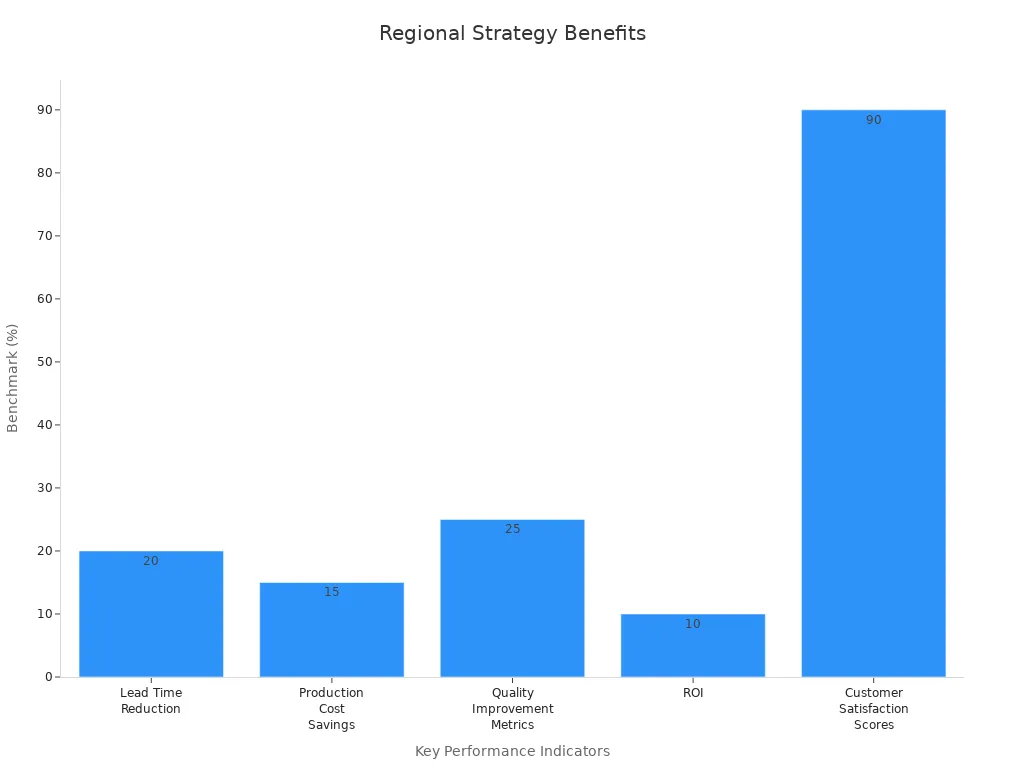
Check out these key benefits of regionalization:
|
KPI |
Benchmark |
Measurement Tool |
|---|---|---|
|
≥20% |
ERP Systems & Real-Time Dashboards |
|
|
Production Cost Savings |
≥15% |
Financial Modeling Tools |
|
Quality Improvement Metrics |
≥25% |
Quality Control Software |
|
ROI |
≥10% |
Investment Tracking Systems |
|
Customer Satisfaction Scores |
≥90% |
CRM & Feedback Systems |
Regionalization doesn’t just make things faster. It also makes your supply chain stronger by avoiding global problems. This approach is great for your business and your customers.
Reverse logistics and e-waste management services.
Electronics production creates a lot of waste. Old gadgets, broken parts, and packaging often end up in trash piles. Reverse logistics helps solve this problem. It saves money and supports eco-friendly goals.
Reverse logistics means sending products back through the supply chain. This includes collecting old electronics, fixing or recycling them, and reusing valuable materials. Here’s why it’s important:
-
Cost Savings: Reusing materials cuts the need for new ones.
-
Regulatory Compliance: Following rules like the WEEE Directive avoids fines and builds trust.
-
Sustainability: Recycling supports a greener planet and less waste.
|
Metric |
Description |
|---|---|
|
Cost Savings from Recovered Materials |
Companies can save costs by reusing valuable materials recovered from e-waste, reducing raw material sourcing expenses. |
|
Regulatory Compliance Benefits |
Compliance with regulations like the WEEE Directive enhances brand reputation and avoids legal issues. |
|
Support for Circular Economy Goals |
Reverse logistics promotes sustainable practices by extending product life cycles and minimizing waste. |
The United Nations University found $62.5 billion worth of materials in e-waste in 2021. Reverse logistics lets you use this value while helping the environment.
Reverse logistics isn’t just about recycling. It’s about building a system that helps your business and the planet. With good e-waste management, you can turn trash into treasure and create a greener future.
Blockchain-based supply chain solutions for transparency.
Blockchain is changing supply chains by making them safer and clearer. It helps you know where products come from and how they move. Blockchain creates a digital record of every step, so tracking is simple.
How does it work? Think of blockchain as a digital notebook. It stores data in blocks linked together like a chain. Once you add information, it can’t be changed. This makes it great for checking facts and building trust. For example, you can confirm materials are ethical or products meet quality rules.
Here’s why blockchain is so helpful:
-
Improved Traceability: Follow products from start to finish. Spot problems like delays fast.
-
Enhanced Security: Data stays safe from changes or hacking. This protects your supply chain.
-
Better Transparency: Everyone sees the same info. This builds trust and teamwork.
Fun Fact: Walmart uses blockchain to track food. They can trace a mango’s journey in just 2.2 seconds!
Blockchain also helps with following rules. Many industries have strict guidelines. Blockchain makes proving compliance easier. For example, electronics makers can show materials are conflict-free or eco-friendly.
Another cool feature is smart contracts. These are digital agreements that work automatically. For instance, payment can happen when a shipment arrives. This saves time and cuts down on paperwork.
Here’s how blockchain works in a supply chain:
-
A supplier adds raw material details to the blockchain.
-
The manufacturer updates it with production info.
-
The logistics team tracks shipments using blockchain.
-
Retailers and buyers check the blockchain for product details.
|
Benefit |
How It Helps You |
|---|---|
|
Traceability |
Tracks products at every step, fixing errors quickly. |
|
Security |
Keeps data safe from tampering or hacking. |
|
Transparency |
Shares real-time info to build trust. |
|
Efficiency |
Speeds up tasks like payments with smart contracts. |
Blockchain isn’t just a new tech idea. It’s a useful tool to make supply chains better and more reliable. By using blockchain, you can stay ahead and meet the need for clear, honest supply chains.
Pro Tip: Start small. Use blockchain for one part, like tracking shipments. Expand as you see its benefits.
Emerging Trends in Digital Supply Chain Solutions
Automation and robotics in supply chain operations
Automation and robotics are changing how supply chains work. These tools handle repetitive jobs, making tasks faster and more accurate. For example, robots in warehouses can quickly pick, pack, and sort items. This speeds up deliveries and reduces mistakes.
How does this help? Automation makes work easier and saves money. It also lets workers focus on harder tasks. For instance, automated systems can update inventory instantly, so you always know what’s available.
Here’s what automation can do:
-
Process orders and ship them faster.
-
Reduce mistakes in repetitive tasks.
-
Improve safety by taking over risky jobs.
Robotics also helps during busy times or when workers are few. Automated systems keep things running smoothly, even when demand is high. This ensures customers stay happy, no matter the challenges.
Tip: Start small. Automate one task, like tracking inventory. Add more as you see results.
Digital twins for supply chain modeling and optimization
Digital twins are like virtual copies of real systems. They let you test ideas without affecting actual operations. Think of it as a practice run to make better decisions.
For example, Siemens uses digital twins to improve production. This boosted productivity by 75% and nearly removed defects. Tesla also uses digital twins to make batteries faster, improving efficiency by 30%.
|
Example |
What Happened |
Result |
|---|---|---|
|
Siemens Amberg Electronics |
Used digital twins to improve production processes. |
75% more productivity, almost no defects |
|
Tesla’s Gigafactory |
Used digital twins to make battery production smoother. |
30% better production efficiency |
Digital twins also make supply chains clearer. They break down data barriers, showing the whole process. This helps find problems and improve workflows.
Pro Tip: Test new ideas with digital twins before using them. This lowers risks and boosts success.
IoT-enabled real-time tracking and monitoring
The Internet of Things (IoT) is changing supply chain management. IoT devices, like sensors, give live updates on shipments and stock. This helps you act fast and avoid problems.
Imagine always knowing where your products are. IoT makes this possible. For example, sensors can check the temperature of items during shipping to keep them safe.
Here’s how IoT helps:
-
Gives live updates for better visibility.
-
Improves decisions with accurate, real-time data.
-
Fixes problems quickly, like delays or broken equipment.
IoT also supports eco-friendly goals. It helps plan better routes and use less fuel, lowering emissions. This meets the demand for greener supply chains.
Did You Know? Companies using IoT report higher efficiency and happier customers.
Circular supply chains and closed-loop systems.
Ever think about where old electronics go after being thrown away? Many end up in landfills, wasting useful materials and hurting the planet. But there’s a better way—circular supply chains and closed-loop systems. These methods focus on reusing, recycling, and recovering materials to make processes greener and smarter.
Circular supply chains aim to stop waste. Instead of tossing old parts, you can fix, refurbish, or recycle them. This saves money and reduces the need for new materials. For example, recycling circuit boards recovers metals like gold and copper for reuse. Closed-loop systems go further by keeping all materials in the supply chain, creating a cycle of reuse.
Why is this important? Circular supply chains cut costs, reduce waste, and meet eco-friendly demands. They also create new ways to earn money, like selling refurbished products or offering repair services. Plus, they make businesses stronger by relying less on rare resources.
Here’s how circular supply chains help electronics makers:
|
Metric Description |
Value |
|---|---|
|
CE performance (overall) |
|
|
Scrap rate reduction |
0.71 |
|
Lower operational costs |
0.72 |
|
Profits from repair services |
0.74 |
|
Reduced material buying costs |
0.68 |
|
Less waste sent to landfills |
0.78 |
|
Better eco-friendly practices |
0.75 |
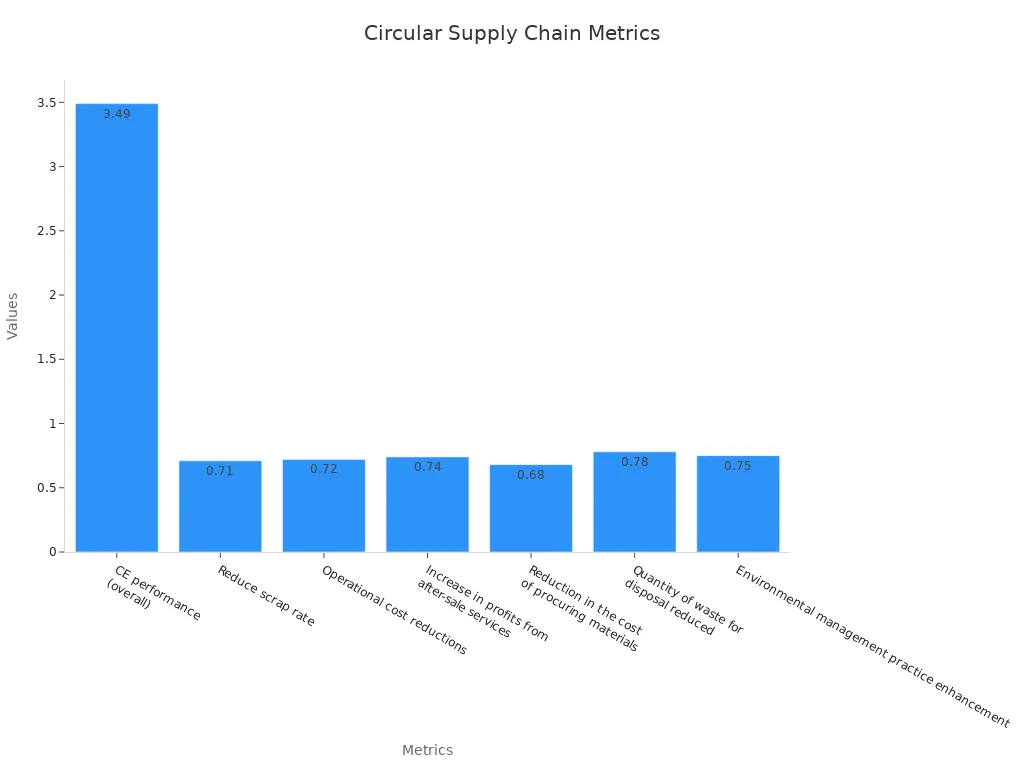
These stats show how useful circular supply chains are. For example, cutting waste disposal by 78% saves money and helps the planet. Improving eco-practices also builds trust with green-minded customers.
Digital tools make circular supply chains easier. They track materials, monitor waste, and improve recycling. For instance, digital platforms map where materials come from and where they go, ensuring nothing is wasted. They also help you work with suppliers who share your green goals.
Want to start? First, check your supply chain for wasteful areas. Next, use digital tools to manage materials better. Finally, team up with suppliers and recyclers to keep materials in use longer.
By using circular supply chains, you help the planet and strengthen your business. Customers and rules demand greener practices, so lead the way. You’ll save money, lower risks, and run a smoother operation. It’s a win-win for everyone!
Practical Steps for Implementing Supply Chain Solutions
Finding gaps through supply chain audits.
Audits are the first step to fixing supply chain problems. They help you find weak spots, risks, and areas to improve. A good audit uses facts, not guesses, to guide decisions. Follow these steps to get started:
|
Step/Practice |
What to Do |
|---|---|
|
Planning and Scoping |
Set clear goals and decide what the audit will cover. |
|
Team Selection |
Pick a team with the right skills and knowledge. |
|
Data Collection |
Gather important documents like policies and performance records. |
|
Onsite Assessments and Stakeholder Interviews |
Visit locations and talk to people for useful insights. |
|
Analysis and Reporting |
Study the data to find issues and write a report. |
|
Action Planning |
Create a plan to fix the problems you found. |
|
Constant Monitoring |
Keep checking to make sure the fixes are working. |
Focus on key numbers like delivery accuracy and return rates during audits. Use a vendor scorecard to grade suppliers. For example, a 95% delivery rate might get a B, while higher rates earn an A. This keeps suppliers accountable.
Tip: Use tools like AI to make audits faster and more accurate. These tools can find patterns you might miss.
Working with digital supply chain experts.
You don’t have to solve supply chain problems alone. Partnering with digital experts gives you access to smart tools and advice. Companies with strong supply chains often grow revenue by 79% and cut costs by 15%. That’s a big deal for manufacturers.
Digital experts offer tools like AI to improve how things work. They help with inventory, shipping, and tracking. Plus, they make sure you’re using the newest technology.
Did You Know? Strong partnerships with digital experts lead to better business results. Their help keeps you ahead of competitors.
Investing in tech and training your team.
Technology is key to modern supply chains, but tools alone aren’t enough. You need to invest in both tech and your team. Digital upgrades boost revenue, cut costs, and make operations smoother.
|
What It Means |
|
|---|---|
|
Revenue growth |
Tech helps businesses grow by improving operations and reaching more customers. |
|
Cost savings |
Digital tools lower costs in supply chain and IT processes. |
|
Return on Investment (ROI) |
Measures how much money you gain from spending on digital tools. |
|
Customer Acquisition Cost |
Tracks how much it costs to get new customers, which tech can help reduce. |
To get the most out of tech, link it to clear goals. For example, track how automation improves order accuracy or speeds up deliveries. Also, train your team to use the tools well and hire people with digital skills.
Pro Tip: Keep training your team. A learning culture helps them stay ready for future challenges.
Fostering innovation and continuous improvement.
Innovation is the key to staying ahead in supply chains. To make it happen, you need a space where ideas can grow. This doesn’t just happen—you have to work for it and invest wisely.
Start by asking your team for ideas. Questions like, “How can we improve this?” or “What’s slowing us down?” can spark creativity. Even small changes can make a big difference when everyone shares their thoughts.
Using technology is another way to innovate. Tools like AI, IoT, and digital twins are not just cool—they’re powerful. But you need to plan carefully and spend on what fits your goals. For example, if you want faster deliveries, try automation or better logistics tools.
Improvement is about making small changes all the time. Track your progress with numbers. Are deliveries quicker? Are costs going down? Celebrate even small wins to keep everyone motivated.
Learn from others too. See what top companies are doing. Join workshops or work with experts who can help. It might cost some money now, but the benefits will last a long time.
Pro Tip: Innovation doesn’t have to cost a lot. Great ideas often come from listening to your team or rethinking old ways.
By focusing on new ideas and steady improvements, your supply chain will be ready for the future.
Using modern supply chain services is key to staying ahead in 2025. These tools make work smoother, cut risks, and handle challenges better. New tech like AI and IoT makes managing supply chains quicker and smarter.
This is the moment to improve. Try new tools, work with experts, and update your plans. By making your supply chain better, you’ll keep customers happy and grow a greener, stronger business.
Takeaway: Smart supply chain solutions can improve your business and help you stand out.
FAQ
What is the most important supply chain service for electronics manufacturers?
It depends on your needs, but knowing where your products are all the time is super helpful. This is called end-to-end visibility. It helps you fix problems quickly and keeps customers happy. Using tools like AI or IoT makes it even better.
How can I make my supply chain more eco-friendly?
Start with small changes. Use tools to track carbon emissions. Work with suppliers who care about the environment. Plan better routes to save fuel. Recycling and sending old products back for reuse also cut waste. These steps make your supply chain greener and save money too.
Why should I invest in AI for my supply chain?
AI makes your supply chain smarter. It helps guess what customers will need, keeps track of stock, and finds problems early. This saves time and money while making things run smoother. It also helps you adjust quickly when the market changes, so you stay ahead of others.
What’s the benefit of regionalizing my supply chain?
Regionalization means working with suppliers closer to your customers. This makes deliveries faster and costs less. It also protects your supply chain from big global problems. Local suppliers help make your supply chain stronger and more efficient.
How do I start using blockchain in my supply chain?
Pick one area to start, like tracking shipments. Blockchain keeps a safe and unchangeable record of every step. It makes everything clearer and builds trust with customers and partners. Once you see how it works, you can use it in more areas.
Tip: Work with experts to make using blockchain easier and faster.