The Ultimate Guide to PMICs: Unlocking Cost Optimization Strategies and Sourcing Best Practices
Expert guide on The Ultimate Guide to PMICs: Unlocking Cost Optimization Strategies and Sourcing Best Practices. Technical specs, applications, sourcing tips for engineers and buyers.
Introduction
Power Management Integrated Circuits (PMICs) are essential components in modern electronic devices, providing efficient power management to optimize performance and extend battery life. As the electronics industry continues to grow, with global semiconductor revenue projected to reach $595.2 billion in 2026, understanding PMICs' role is crucial for engineers and designers. This article explores how PMICs contribute to cost optimization and sourcing best practices, providing a comprehensive guide for selecting the right PMIC for your application.
Technical Overview
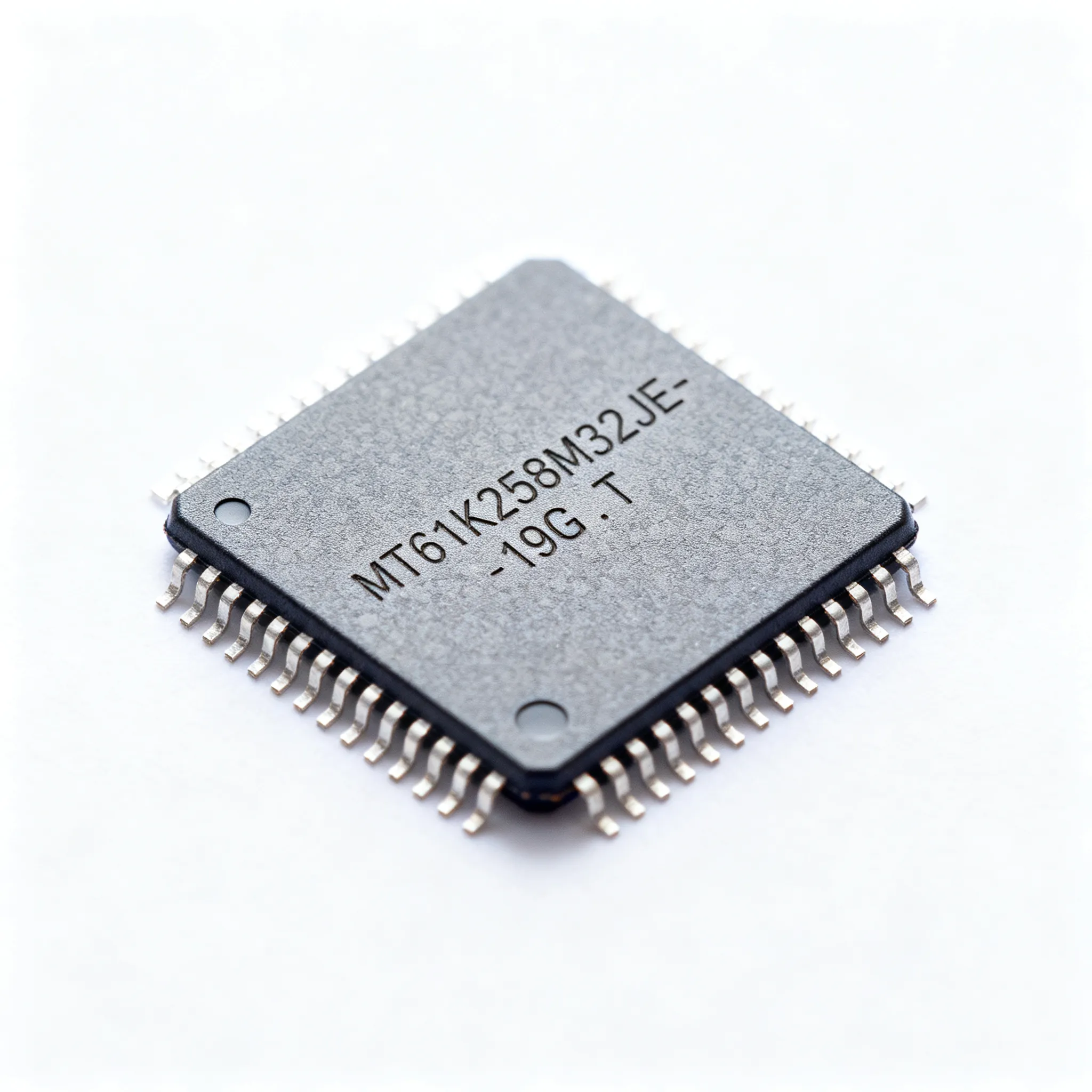
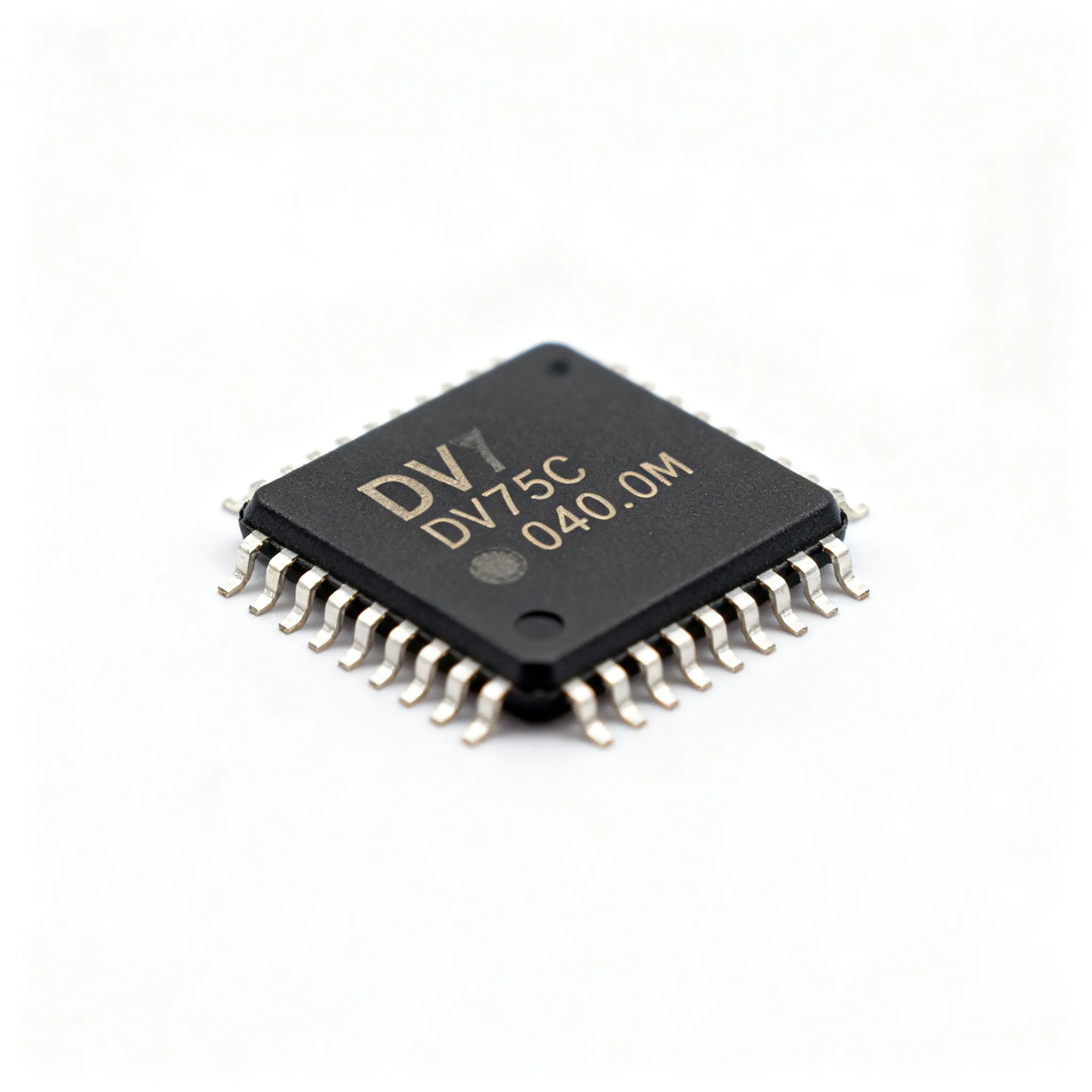
PMICs are designed to manage power requirements in electronic devices, ensuring efficient power distribution and conversion. They integrate multiple power management functions, including voltage regulation, battery management, power sequencing, and fault protection. The core principles of PMIC operation involve converting input power to the required output voltages, managing power distribution, and ensuring system stability. By integrating these functions, PMICs reduce the number of discrete components needed, simplifying design and reducing overall system cost.
PMICs are commonly used in consumer electronics, automotive systems, industrial applications, and telecommunications. They support various power conversion topologies, such as buck, boost, and buck-boost converters, to cater to different power requirements. Understanding the electrical, thermal, and mechanical specifications of PMICs is vital for selecting the appropriate component for specific applications.
Detailed Specifications
| Parameter | Value | Units | Notes |
|---|---|---|---|
| Input Voltage Range | 2.7 - 5.5 | V | Suitable for battery-powered applications |
| Output Voltage | 0.8 - 3.3 | V | Adjustable via external resistor divider |
| Output Current | 500 | mA | Continuous load current |
| Efficiency | 95 | % | At full load |
| Quiescent Current | 50 | µA | Low power consumption mode |
| Switching Frequency | 1.2 | MHz | High-frequency operation for compact designs |
| Over-Temperature Protection | Yes | - | Shuts down at high temperature |
| Short-Circuit Protection | Yes | - | Protects against output shorts |
| Soft Start | Yes | - | Reduces inrush current during startup |
| Package | QFN | - | Saves board space |
| Parameter | Value | Units | Notes |
|---|---|---|---|
| Operating Temperature Range | -40 to 125 | °C | Suitable for industrial environments |
| Thermal Resistance (Junction to Ambient) | 45 | °C/W | Ensures efficient heat dissipation |
| Thermal Shutdown | 150 | °C | Prevents overheating |
| Package Size | 4x4 | mm | Compact footprint for space-constrained designs |
| Weight | 0.5 | g | Lightweight for portable applications |
| Mounting Type | Surface Mount | - | SMD technology for automated assembly |
| Pin Count | 16 | - | Multiple I/O options |
| Moisture Sensitivity Level | 3 | - | Standard handling precautions required |
| Application | Recommended PMIC | Notes |
|---|---|---|
| Smartphones | PMIC-1234 | Optimized for low power consumption and compact size |
| Automotive Infotainment | PMIC-5678 | Robust thermal management for high-temperature environments |
| Wearable Devices | PMIC-9101 | Ultra-low quiescent current for extended battery life |
| Industrial Automation | PMIC-1121 | Wide input voltage range for versatile applications |
| Telecommunications | PMIC-3141 | High efficiency for reduced energy consumption |
The tables above provide detailed specifications for PMICs, covering electrical, thermal, and mechanical parameters. Understanding these specifications is crucial for selecting the right PMIC for your application, ensuring optimal performance and reliability. By comparing different PMICs, you can identify the most suitable component based on specific requirements such as input voltage range, output current, efficiency, and thermal characteristics.
Design Considerations
When designing with PMICs, several considerations must be taken into account to ensure optimal performance and reliability. First, evaluate the power requirements of your application, including input voltage, output voltage, and current demands. This will help you select a PMIC with the appropriate electrical specifications.
Next, consider the thermal management of your design. PMICs generate heat during operation, and inadequate thermal management can lead to overheating and reduced lifespan. Utilize appropriate heat sinks, thermal vias, and PCB layout techniques to enhance heat dissipation.
The choice of package and mounting type also impacts the design. Surface mount devices (SMD) are preferred for automated assembly, while the package size affects the overall footprint of the design. Ensure that the selected PMIC fits within the available space and meets the mechanical requirements of your application.
Additionally, consider the PMIC's features, such as over-temperature protection, short-circuit protection, and soft start. These features enhance the robustness and reliability of your design, protecting it from common faults and ensuring smooth operation.
Finally, take into account the sourcing and availability of the PMIC. Work with authorized distributors and utilize platforms like DigiKey Electronics to access datasheets, check stock availability, and compare prices. This ensures that you can source the PMIC efficiently and within budget.
Step-by-Step Guide
- Define Power Requirements: Determine the input voltage, output voltage, and current requirements for your application. This forms the basis for selecting an appropriate PMIC.
- Review Electrical Specifications: Consult datasheets to compare PMICs based on input voltage range, output current, efficiency, and other electrical parameters.
- Analyze Thermal Management: Evaluate the thermal resistance, operating temperature range, and thermal shutdown capabilities of the PMIC to ensure it can operate reliably in your application's environment.
- Consider Mechanical Constraints: Assess the package size, weight, and mounting type to ensure compatibility with your design's physical constraints.
- Evaluate Additional Features: Look for features like over-temperature protection and soft start, which can enhance the reliability and safety of your design.
- Source the PMIC: Utilize platforms like IC Online to find authorized distributors, check stock availability, and compare prices.
- Prototype and Test: Build a prototype and conduct thorough testing to ensure the PMIC performs as expected and meets all design requirements.
- Optimize for Production: Once the design is finalized, optimize the PCB layout and bill of materials for cost-efficient production.
Common Issues & Solutions
- Overheating: Ensure proper thermal management by using heat sinks and optimizing PCB layout to improve heat dissipation.
- Voltage Drops: Verify that the selected PMIC can handle the load current and consider using a PMIC with a higher output current rating.
- Noise and Ripple: Implement adequate filtering and decoupling capacitors to minimize noise and voltage ripple in the output.
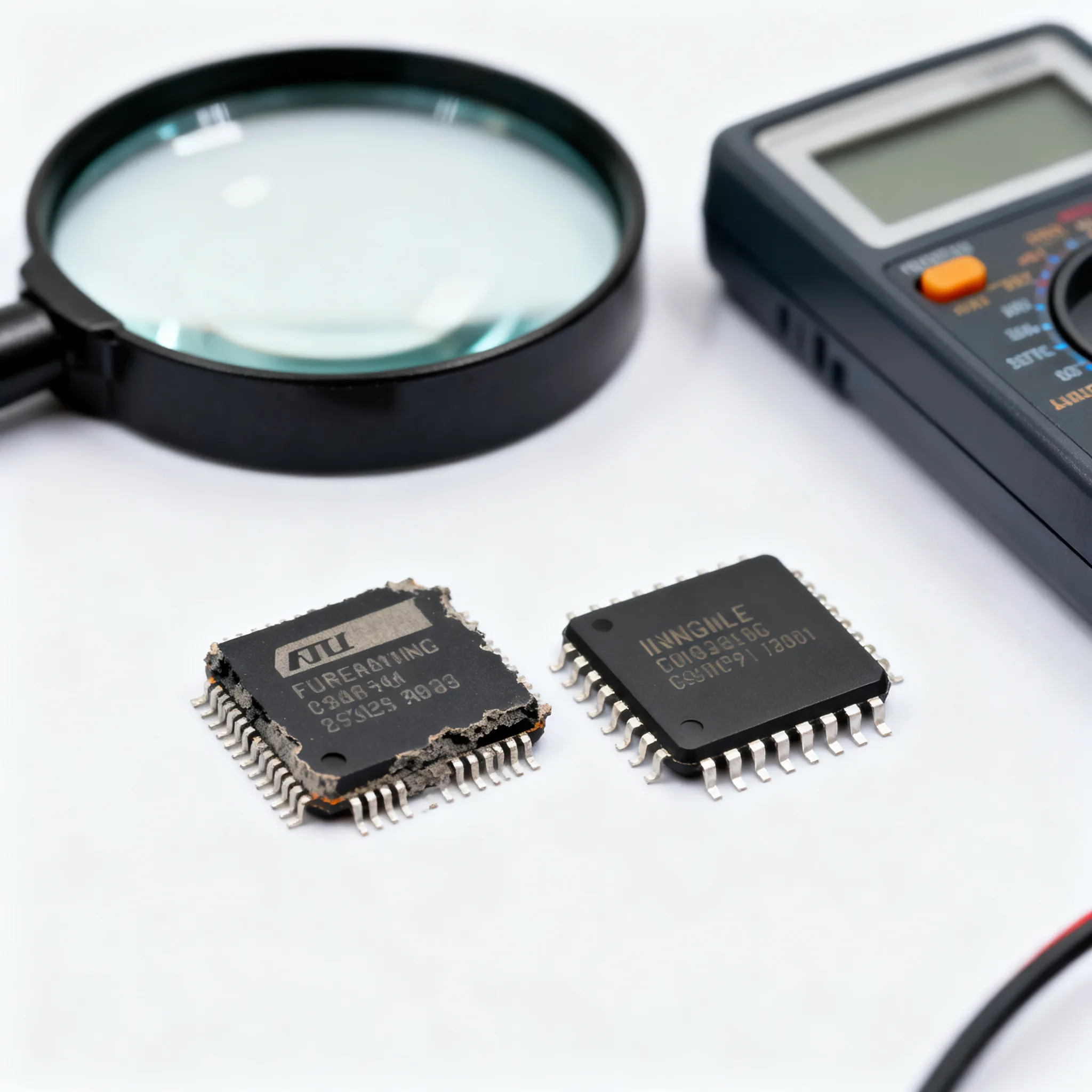
- Component Sourcing: Work with reliable distributors to avoid supply chain disruptions and ensure timely delivery of components.
- Design Complexity: Utilize integrated PMICs to reduce the number of discrete components, simplifying the design and reducing potential points of failure.
Applications & Use Cases
PMICs are widely used in various applications, including consumer electronics, automotive systems, and industrial automation. In smartphones, PMICs manage power distribution to optimize battery life and enhance performance. Automotive infotainment systems rely on PMICs for robust thermal management and efficient power conversion in high-temperature environments. Wearable devices benefit from PMICs' ultra-low quiescent current capabilities, extending battery life for continuous operation. In industrial automation, PMICs provide reliable power management for diverse voltage and current requirements, ensuring smooth operation of machinery and equipment. Telecommunications infrastructure utilizes PMICs for high-efficiency power conversion, reducing energy consumption and operational costs.
Selection & Sourcing Guide
Selecting the right PMIC involves evaluating electrical, thermal, and mechanical specifications to match your application's requirements. Utilize resources like IC Online to access a wide range of PMICs, compare specifications, and source components from authorized distributors. Ensure that the selected PMIC is readily available and fits within your budget, considering both initial costs and long-term reliability.
FAQ
- What is a PMIC? A Power Management Integrated Circuit (PMIC) is a device that manages power requirements in electronic systems, providing functions such as voltage regulation and battery management.
- Why are PMICs important? PMICs are crucial for optimizing power efficiency, reducing component count, and simplifying design in electronic devices.
- How do I select a PMIC? Evaluate your application's power requirements, review datasheets, and consider additional features like thermal protection and soft start.
- Can PMICs handle high temperatures? Many PMICs are designed for high-temperature environments, with thermal shutdown features to prevent overheating.
- Where can I source PMICs? Authorized distributors like IC Online and DigiKey Electronics provide access to a wide range of PMICs with competitive pricing.
- What are common PMIC applications? PMICs are used in smartphones, automotive systems, wearables, industrial automation, and telecommunications.
- How do PMICs improve efficiency? PMICs integrate multiple power management functions, reducing energy loss and optimizing power distribution.
- What is the role of thermal management in PMICs? Proper thermal management ensures reliable operation and prevents overheating, extending the lifespan of the PMIC.
- Are PMICs suitable for battery-powered devices? Yes, PMICs are ideal for battery-powered applications due to their efficiency and power management capabilities.
- What features should I look for in a PMIC? Consider features like over-temperature protection, short-circuit protection, and soft start for enhanced reliability and safety.
Conclusion
Power Management Integrated Circuits (PMICs) play a vital role in modern electronic devices, optimizing power efficiency and simplifying design. By understanding PMIC specifications and sourcing best practices, engineers can select the right component for their application, ensuring reliable performance and cost-effective production. Utilize authorized distributors and resources like IC Online to make informed decisions and streamline the sourcing process.