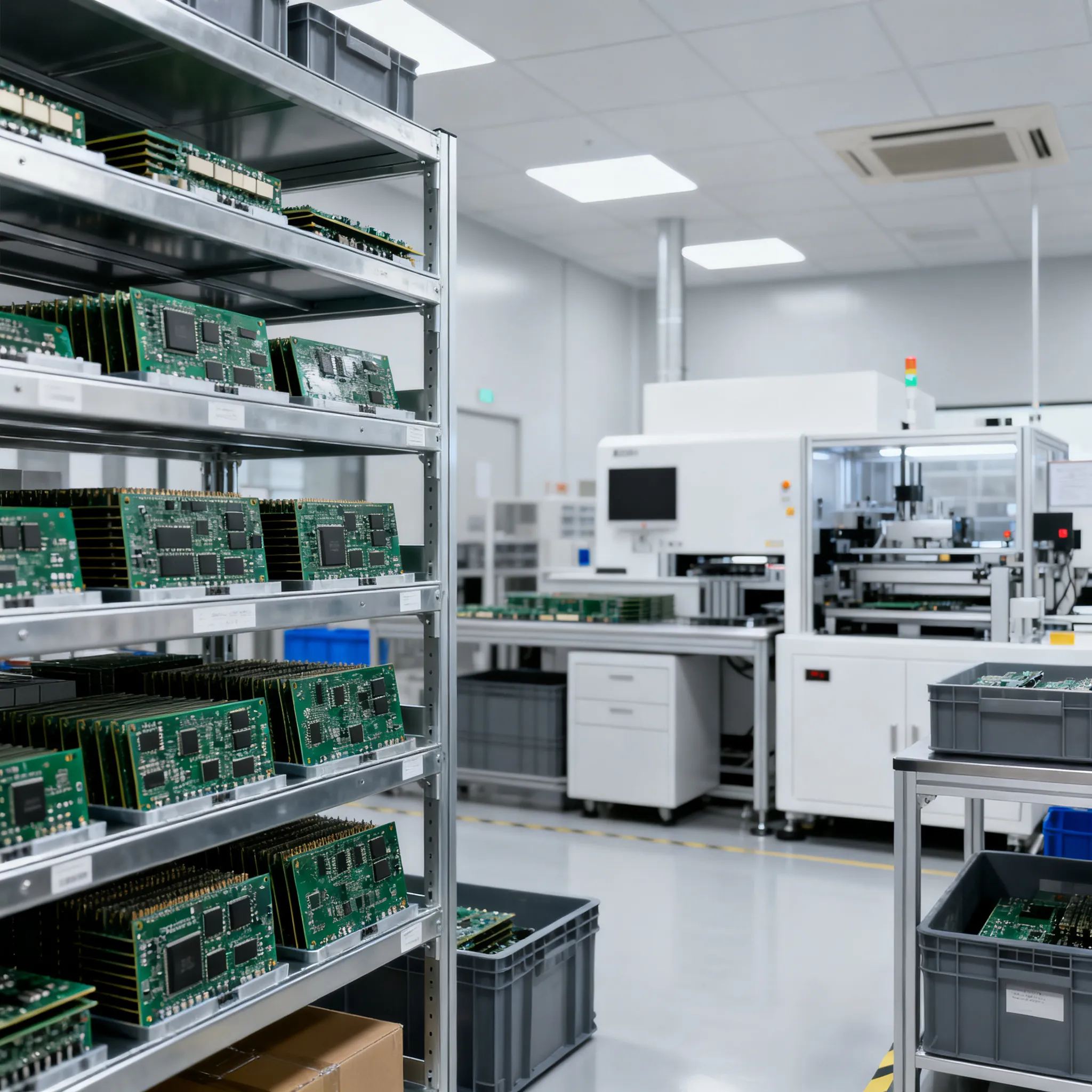
What to Look for in a Professional PCB Assembly Service: Quality Indicators and Industry Standards
When you choose professional PCB assembly services, you need to focus on quality, strict industry standards, and reliable quality control. The global printed circuit board market continues to grow, with a valuation of USD 4.2 billion in 2023 and rapid expansion in advanced PCB solutions.
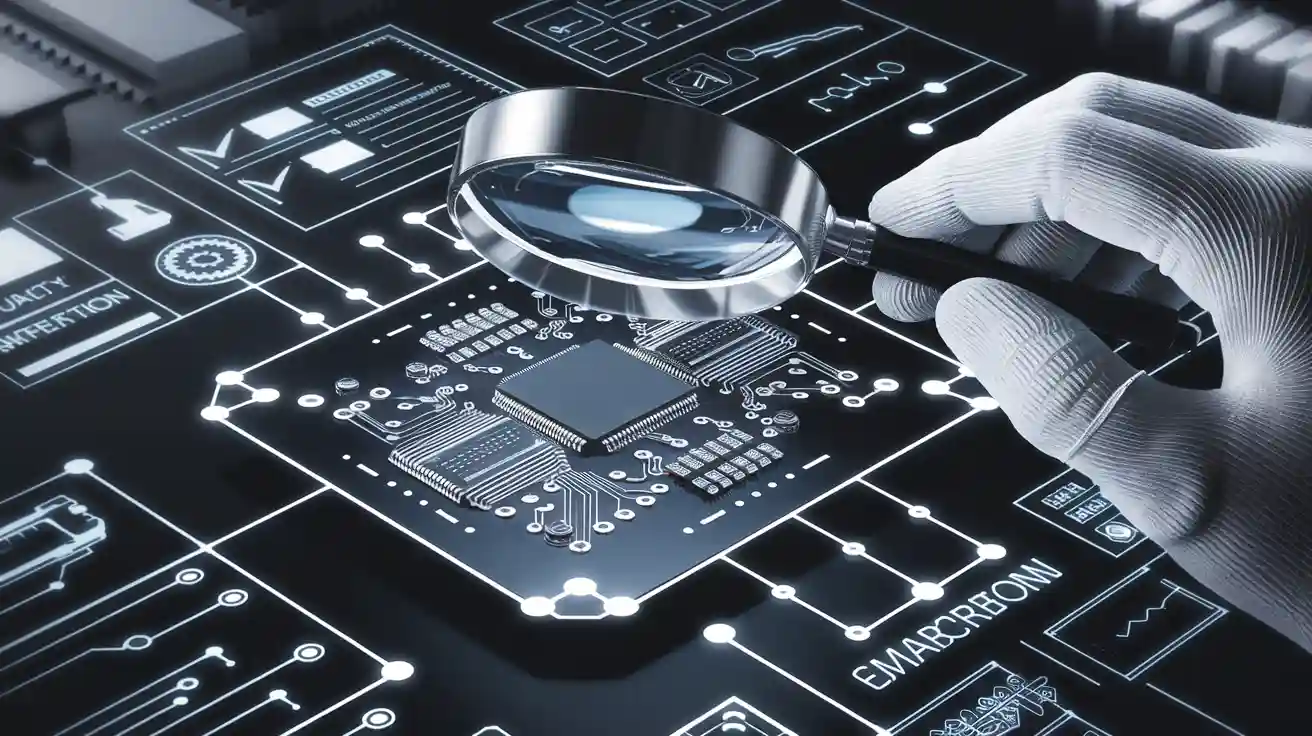
When you choose professional PCB assembly services, you need to focus on quality, strict industry standards, and reliable quality control. The global printed circuit board market continues to grow, with a valuation of USD 4.2 billion in 2023 and rapid expansion in advanced PCB solutions. This growth means you must expect high standards from any assembly provider. Look for certifications, advanced inspection methods, and supplier qualification to ensure each PCB meets the demands of modern electronics. Your products depend on precise assembly and defect-free results.
Key Takeaways
-
Choose PCB assembly providers who follow strict industry standards like IPC, ISO 9001, UL, and RoHS to ensure high quality and safety.
-
Look for advanced inspection methods such as Automated Optical Inspection (AOI), In-Circuit Testing (ICT), and Functional Testing (FCT) to catch defects early and improve reliability.
-
Strong customer support and clear communication help you track orders, solve problems quickly, and trust your PCB assembly partner.
-
Verify supplier quality through audits, documentation, and process validation to ensure consistent compliance and continuous improvement.
-
Embrace new trends like digital traceability, AI-driven testing, and updated standards to keep your PCB assemblies reliable, sustainable, and competitive.
Professional PCB Assembly
Key Qualities
When you evaluate professional pcb assembly, you want to see clear signs of quality at every step. High-quality pcb assembly services use advanced inspection systems and strict process controls. You should look for a provider that tracks defect rates, uses Statistical Process Control (SPC), and monitors first-pass yield. These methods help ensure that each pcb meets your standards for product quality and reliability.
-
SPC collects and analyzes data during printed circuit board assembly to spot trends and prevent defects.
-
Automated Optical Inspection (AOI) systems catch errors early, so fewer defective pcbs reach the market.
-
Tracking defect rates and first-pass yield helps you measure how well the assembly process works.
-
Quality data records, such as rejection rates and corrective actions, support continuous improvement.
You can also check quantitative metrics to compare providers. The table below shows some key indicators you should consider:
|
Metric |
Value |
Description/Significance |
|---|---|---|
|
Assembly Success Rate |
Percentage of successful pcb kit-box build assemblies |
|
|
Error Thresholds |
< 0.8 mm |
Most positional errors stay below this level |
|
Error Thresholds |
< 0.6 degrees |
Most angular errors stay below this rotation |
|
Assembly Quality Improvement |
Quality boost using digital twin models |
These metrics show how professional pcb assembly providers maintain high standards for every pcb and pcba.
Customer Support
Strong customer support sets apart the best professional pcb assembly services. You need a partner who answers your questions quickly and solves problems fast. Good support teams help you track your pcb orders and keep you updated on progress. They also provide clear reports on product quality and assembly results.
If you have issues with your printed circuit board, a reliable provider will help you find solutions. They will share quality data and explain how they improve their assembly process. This focus on communication and support helps you trust your pcb assembly partner and ensures your pcbs meet your needs every time.
PCB Assembly Quality Control
Inspection Methods
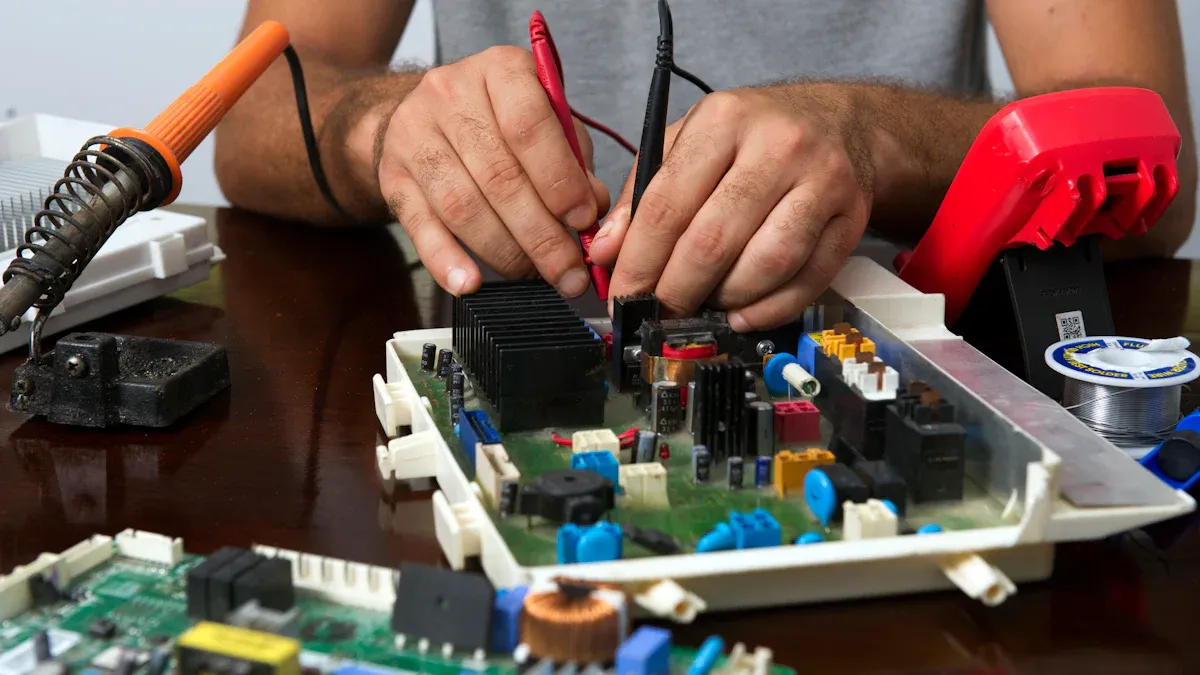
You need strong inspection methods to ensure high pcb assembly quality control. Modern assembly lines use a mix of visual and automated inspections to catch defects early. Automated optical inspection stands out as a key tool. It uses cameras and software to check solder joints, component placement, and solder paste printing. This method finds missing parts, wrong polarity, and solder bridges. You get faster feedback and fewer errors compared to manual checks.
In-circuit testing (ICT) adds another layer of pcb quality control. ICT measures electrical parameters like resistance and capacitance. It detects open circuits, shorts, and faulty components. You can use flying probe testers for high-density boards, which improves coverage without extra fixtures. Functional testing (FCT) simulates real-world conditions. It checks if the pcb works as designed by measuring output signals. Combining these automated inspection methods gives you measurable improvements in pcb quality.
Tip: Use a mix of AOI, ICT, and FCT to cover all possible defects and ensure reliable assembly results.
You also benefit from X-ray inspection for hidden solder joints and advanced 3D AOI for complex boards. These quality control methods help you maintain high standards and reduce the risk of faulty pcbs reaching your customers.
Testing Processes
Testing processes form the backbone of pcb assembly quality control. You need to run a series of tests to confirm that each pcb meets strict quality requirements. Start with continuity tests to find open or short circuits in bare boards. Hi-pot tests check electrical isolation at high voltages. In-circuit testing measures voltages and currents at specific points, catching faults before final assembly.
Functional testing plays a big role in pcb quality control. It verifies that the pcb performs its intended function under simulated operating conditions. You can use time domain reflectometry (TDR) to measure impedance and signal integrity. The resistivity of solvent extract (ROSE) test checks for solder flux residues, which can cause failures over time.
A strong quality control process includes stress tests like vibration, thermal shock, and burn-in. These tests show how your pcbs handle real-world conditions. You also need to follow industry standards such as IPC-A-610 and IPC-2221. Regular training and documentation help your team stay up to date with best practices. Certification programs linked to these standards validate your testing reliability.
Surface Quality
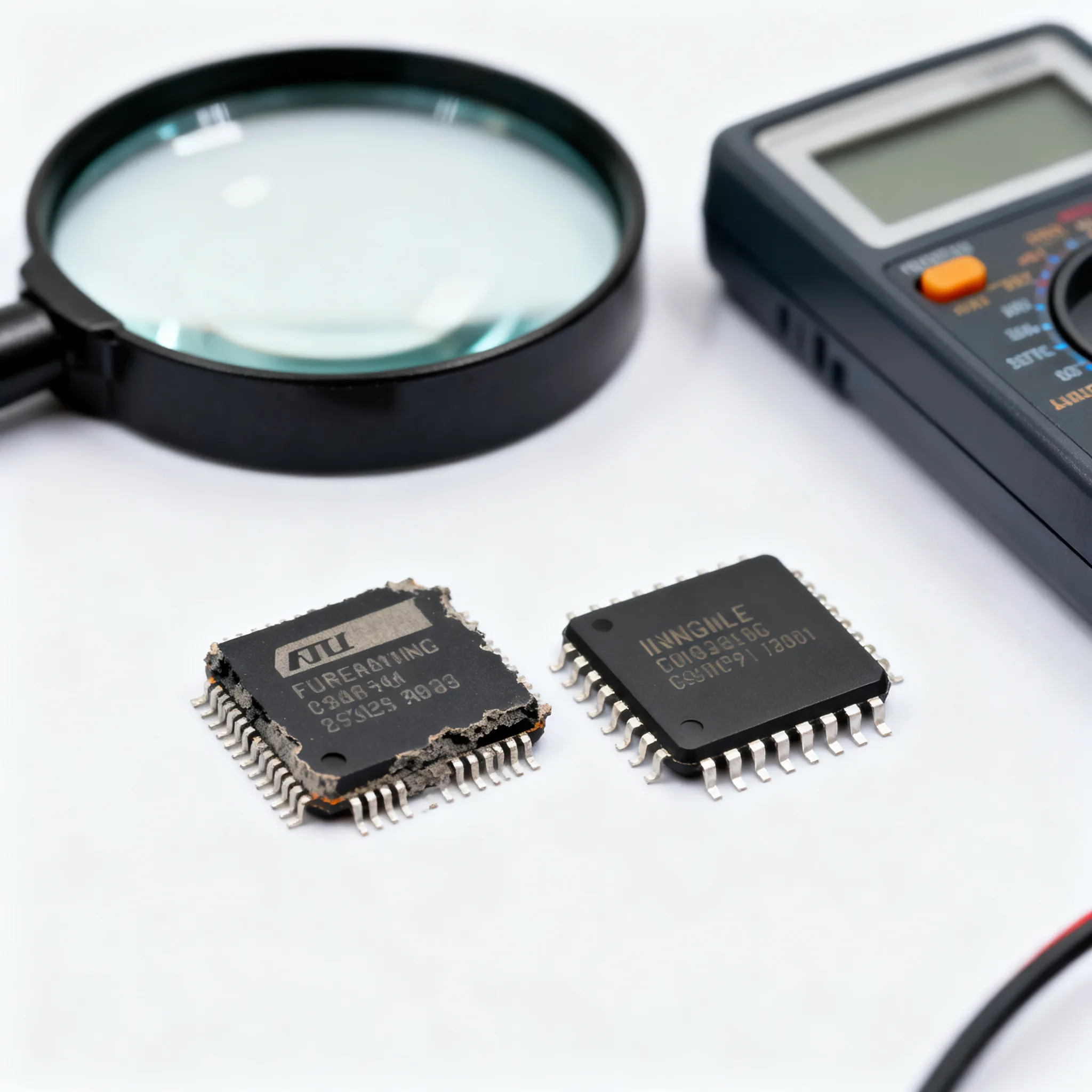
Surface quality is a critical part of pcb assembly quality control. You want defect-free surfaces and precise tolerances for every pcb. High-quality inspection catches issues like scratches, solder splashes, and uneven coatings. Automated optical inspection checks for surface defects and ensures that solder joints meet strict standards.
You should use high-precision magnifiers and 2D/3D cameras to inspect surface quality. These tools help you spot tiny flaws that could affect performance. Clean and smooth surfaces improve electrical testing results and reduce the risk of failures. Your quality control methods must include regular surface checks during and after assembly.
Note: Defect-free surfaces and tight tolerances are essential for reliable pcbs, especially in high-performance or safety-critical applications.
You also need to inspect materials before assembly. Material inspection ensures that you use only approved and high-quality components. This step supports the overall quality control in pcb design and manufacturing. By focusing on surface quality, you deliver pcbs that meet or exceed customer expectations.
Industry Standards for PCB
IPC Standards
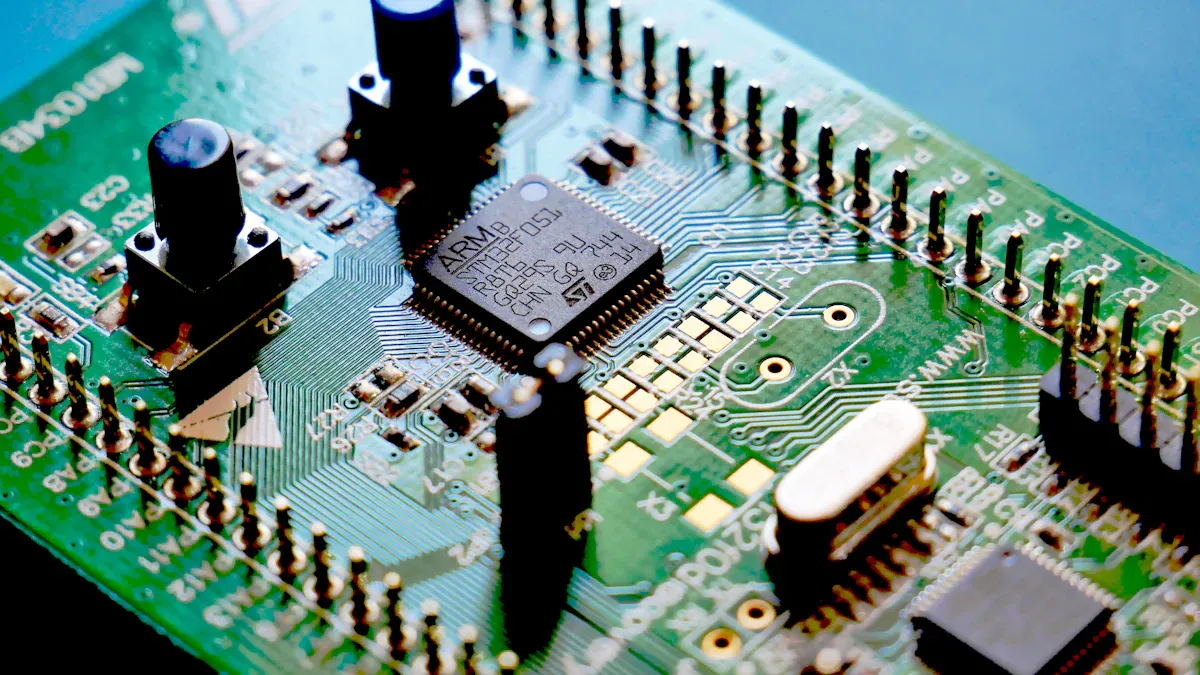
You need to follow IPC standards to achieve high-quality pcb assembly. IPC-A-610 sets the main acceptance criteria for printed circuit board assemblies. This standard covers component placement, soldering, cleaning, and labeling. Class 3 within IPC-A-610 applies to high-reliability products like medical, military, and aerospace devices. These products cannot fail during use. You get stricter inspection rules for solder joints, terminals, and connections.
|
IPC-A-610 Class 2 |
IPC-A-610 Class 3 |
|
|---|---|---|
|
Reliability |
Normal |
High |
|
Cost |
Normal |
High |
|
Industry |
Consumer electronics, laptops, controls |
Automotive, medical, military, avionics, life support |
|
Inspection Standard |
Lower standards for solder joints, material finish, terminals, connections, mechanical integrity |
Higher standards for solder joints, material finish, terminals, connections, mechanical integrity |
You also see other important pcb assembly standards, such as IPC-6012 for rigid boards and IPC-A-600 for visual acceptance. These standards help you control quality, reduce defects, and improve communication with suppliers. When you choose a provider who follows these pcb quality standards, you get reliable printed circuit boards that last longer and perform better.
ISO and UL
You should look for pcb assembly partners who meet ISO and UL standards. ISO 9001 focuses on quality management systems. This standard ensures your provider uses consistent processes and keeps records for every assembly step. You get better traceability and fewer errors. UL standards focus on safety. UL certification means your printed circuit board meets strict fire and electrical safety rules.
Tip: Ask your supplier for ISO 9001 and UL certificates. These show a strong commitment to quality and safety in every pcb assembly.
ISO and UL standards work together with IPC standards. This combination gives you a complete approach to pcb quality standards and assembly reliability.
RoHS Compliance
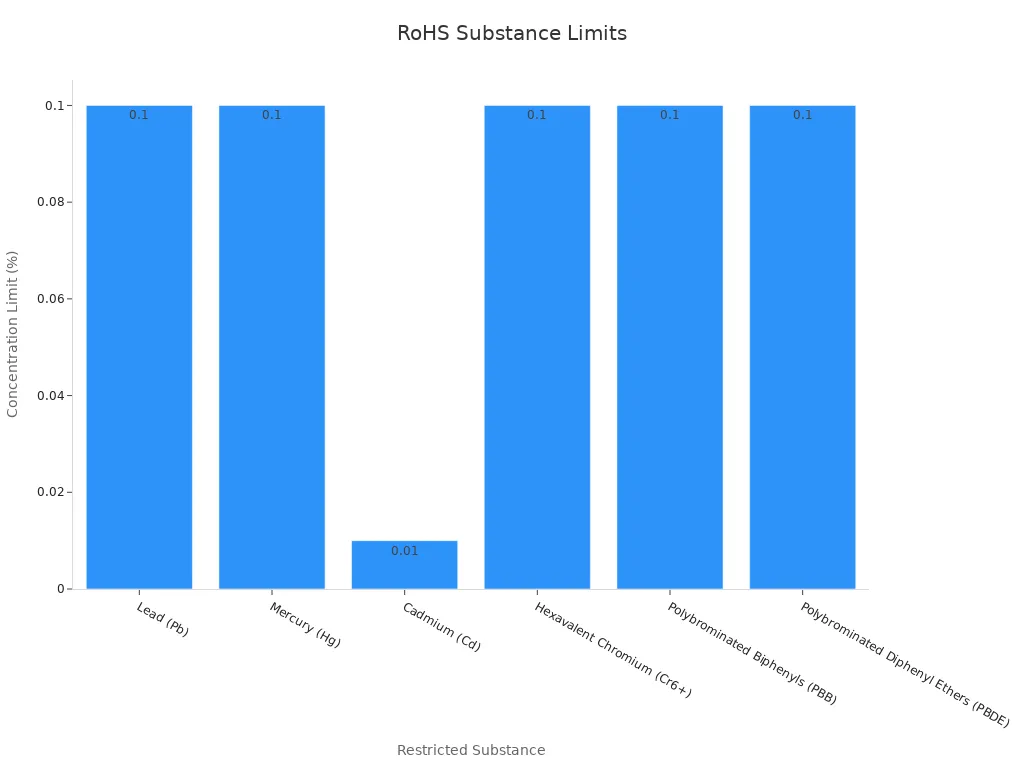
RoHS compliance is another key part of pcb assembly standards. RoHS stands for Restriction of Hazardous Substances. This standard limits the use of dangerous materials like lead, mercury, and cadmium in printed circuit boards. You protect users and the environment by choosing RoHS-compliant pcbs.
You should always check for RoHS labels and documentation. RoHS compliance supports global market access and meets legal requirements in many countries. When you combine RoHS with IPC, ISO, and UL, you get the highest level of pcb quality standards for your assembly projects.
Note: For military or aerospace applications, you may also need to follow MIL-Spec standards. These set even stricter rules for reliability and performance.
Verify Compliance
Supplier Audits
You must verify that your pcb assembly partner follows strict standards. Supplier audits give you a clear view of their quality and compliance. These audits check if the supplier meets pcb assembly standards, quality assurance guidelines, and regulatory requirements. You should select critical suppliers, gather their certifications, and define your audit goals. On-site audits let you review their quality management system, equipment calibration, and staff training. Third-party audits add trust and credibility. Regular audits help you spot gaps in quality and standards. They also support continuous improvement and risk reduction.
Key audit steps include:
-
Pre-audit preparation with supplier selection and document review.
-
On-site evaluation of quality systems, process controls, and compliance with pcb assembly standards.
-
Post-audit reporting and corrective actions to close any gaps.
Audits also track key performance indicators such as business performance, production capacity, technical capability, and quality management. These KPIs help you measure supplier performance and ensure they meet your assembly and quality needs.
Documentation
You need strong documentation to prove compliance with pcb assembly standards. Quality metrics like first pass yield, defect rate, and return rate show how well the assembly process works. You should also track failure rates and reliability metrics such as MTBF and MTTR. These numbers help you spot trends and improve quality. Documentation must include quality manuals, inspection targets, and records of corrective actions. You should use root cause analysis, lean manufacturing, and statistical process control to support continuous improvement. Customer feedback and design reviews also play a role in maintaining high standards.
|
Restricted Substance |
Maximum Concentration Limit |
|---|---|
|
Lead (Pb) |
0.1% (1000 ppm) |
|
Mercury (Hg) |
0.1% (1000 ppm) |
|
Cadmium (Cd) |
0.01% (100 ppm) |
|
Hexavalent Chromium (Cr6+) |
0.1% (1000 ppm) |
|
Polybrominated Biphenyls (PBB) |
0.1% (1000 ppm) |
|
Polybrominated Diphenyl Ethers (PBDE) |
0.1% (1000 ppm) |
RoHS compliance in pcb assembly standards reduces hazardous substances and supports safer, more reliable products.
Process Validation
Process validation ensures your pcb assembly meets all quality and standards requirements. You should request evidence of certifications and quality control measures from your supplier. Validation checks if each step in the assembly process follows pcb assembly standards and quality assurance guidelines. This includes material inspection, process monitoring, and final product testing. You must confirm that your supplier uses comprehensive quality assurance protocols. These steps help you avoid defects and maintain high quality in every pcb.
Tip: Always ask for up-to-date certifications and audit reports to verify compliance with pcb assembly standards and quality assurance.
Quality Control Measures
In-Process Controls
You need strong in-process controls to maintain high quality in every pcb assembly. These controls help you catch problems early and keep your production line running smoothly. Automated placement systems boost precision and consistency, which reduces defects and improves product reliability. You also benefit from continuous automated operation, which increases production speed and meets high demand.
-
Automated Optical Inspection (AOI) and Automated X-ray Inspection (AXI) detect defects early in the process.
-
In-Circuit Testing (ICT) checks component functionality, finding issues like short circuits before final assembly.
-
Standard Operating Procedures (SOPs) and regular training keep your team consistent and focused on quality.
You can use data analytics to track yield, optimize first-pass yield, and reduce downtime. Integration of AI, IoT, and robotics allows real-time monitoring and predictive maintenance. These technologies support continuous improvement and help you meet strict pcb assembly quality control standards.
Final Inspection
Final inspection acts as your last line of defense for pcb quality control. You use several inspection methods to ensure each pcb meets your requirements. AOI systems provide fast, accurate inspection data, which you store in traceable databases. This data helps you spot defect patterns and adjust your process in real time.
|
Purpose and Role in Quality Assurance |
|
|---|---|
|
Automated Optical Inspection |
Detects soldering defects and misaligned components. |
|
X-ray Inspection |
Examines hidden solder joints for reliability. |
|
In-Circuit Testing (ICT) |
Verifies electrical performance of assembled pcbs. |
|
Functional Testing |
Confirms the pcb assembly works as intended. |
|
Checks placement accuracy and component parameters early in production. |
|
|
Quality Control Inspection |
Final check before shipment, following IPC-610 standards. |
You gain early defect detection, process validation, and increased customer satisfaction through these quality control measures.
Continuous Improvement
Continuous improvement keeps your pcb assembly quality control strong over time. You review and update your documented processes regularly. Feedback loops from AOI and other inspection systems help you make real-time adjustments. Lean manufacturing and employee involvement can increase production efficiency by 20%. You also use digital twins and data analytics to find bottlenecks and optimize your process.
Tip: Always document changes, engineering orders, and equipment usage. This discipline supports repeatable, high-quality assembly and compliance with industry standards.
By focusing on continuous improvement, you ensure your pcb quality control measures stay effective and your products meet the highest quality standards.
Trends in PCB Quality
New Standards
You see new standards shaping the future of pcb assembly. Manufacturers now use advanced materials like biodegradable substrates, nanomaterials, and hybrid composites. These materials require you to adjust your processes and equipment. You must follow updated pcb assembly standards to handle new lamination and soldering techniques. Environmental rules and sustainability goals push you to use lifecycle assessment tools and eco-friendly materials. The market demands flexible, miniaturized, and durable electronics, especially in medical, automotive, and IoT sectors. This demand drives you to adopt new standards that support innovation and reliability.
Tip: Stay updated on global standards to keep your pcb assembly competitive and sustainable.
You also benefit from a global engineering culture. Cloud computing and cross-cultural training help you access the same design tools and share knowledge. This approach creates a unified quality mindset and supports consistent pcb quality worldwide.
Advanced Testing
Advanced testing methods now play a key role in pcb quality. You use automated optical inspection with AI to check solder joints and component placement. X-ray inspection helps you find hidden defects in multi-layer boards. In-circuit testing and functional testing confirm that your pcb works as designed. Flying probe testing gives you flexible and fast electrical checks without custom fixtures.
-
Automated optical inspection uses high-speed cameras to spot missing parts and misalignments.
-
X-ray inspection reveals defects you cannot see with your eyes.
-
In-circuit and functional testing verify electrical performance and reliability.
-
Boundary scan testing and thermal imaging help you catch complex issues early.
You also use AI and machine learning to improve defect detection and optimize manufacturing in real time. Automation and real-time monitoring reduce human error and keep your pcb assembly standards high.
Digital Traceability
Digital traceability has become essential for maintaining pcb quality. You track every step of the assembly process using digital records. This approach lets you trace materials, components, and process changes quickly. You can spot quality issues and fix them before they reach your customers.
|
Trend/Factor |
Description |
Impact on PCB Quality Standards |
|---|---|---|
|
Cloud Computing |
Engineers access shared design tools and data |
Ensures consistent standards and quality |
|
Global Supply Chains |
Materials and products move worldwide |
Supports uniform quality and delivery |
|
Remote Troubleshooting |
Use of AR and digital twins |
Maintains high quality across borders |
|
Ethical Manufacturing |
Focus on privacy and environment |
Promotes responsible pcb assembly standards |
You also use digital twins and remote troubleshooting to solve problems in real time. This technology helps you maintain consistent pcb quality, even when your team works from different locations. Digital traceability supports compliance with pcb assembly standards and helps you meet customer and regulatory requirements.
When you choose a pcb assembly partner, you need to focus on quality at every stage. Look for providers who follow strict industry standards and use digital traceability systems. These systems use real-time monitoring and data-driven insights to improve pcb quality and catch defects early. You should always check for certifications, strong process controls, and clear documentation.
|
Monitoring Feature |
Benefit for PCB Quality |
|---|---|
|
Real-time Monitoring |
Immediate feedback on defects |
|
Quality Metrics Tracking |
Detects trends and improves processes |
|
Component Traceability |
Finds defect sources quickly |
You can create a checklist to compare pcb suppliers. Ask for audit reports and quality records. This approach helps you ensure your pcb assemblies meet the highest quality standards.
FAQ
What certifications should you check for in a PCB assembly partner?
You should look for IPC, ISO 9001, and UL certifications. These show that the provider follows strict quality and safety standards. RoHS compliance is also important for environmental safety.
How do you know if a PCB assembly service uses strong quality control?
Ask for details about their inspection methods. Look for AOI, ICT, and FCT testing. You can also request quality reports and audit results.
Why does RoHS compliance matter for your project?
RoHS compliance keeps hazardous substances out of your products. This protects users and helps you meet legal requirements in many countries.
What is the difference between AOI and X-ray inspection?
|
Inspection Type |
What It Checks |
When to Use |
|---|---|---|
|
AOI |
Surface defects, solder joints |
Most PCB assemblies |
|
X-ray |
Hidden solder joints, BGA |
Complex/multi-layer |
Tip: Use both methods for the best defect detection.