Exploring the Functions of Key Integrated Circuit Components
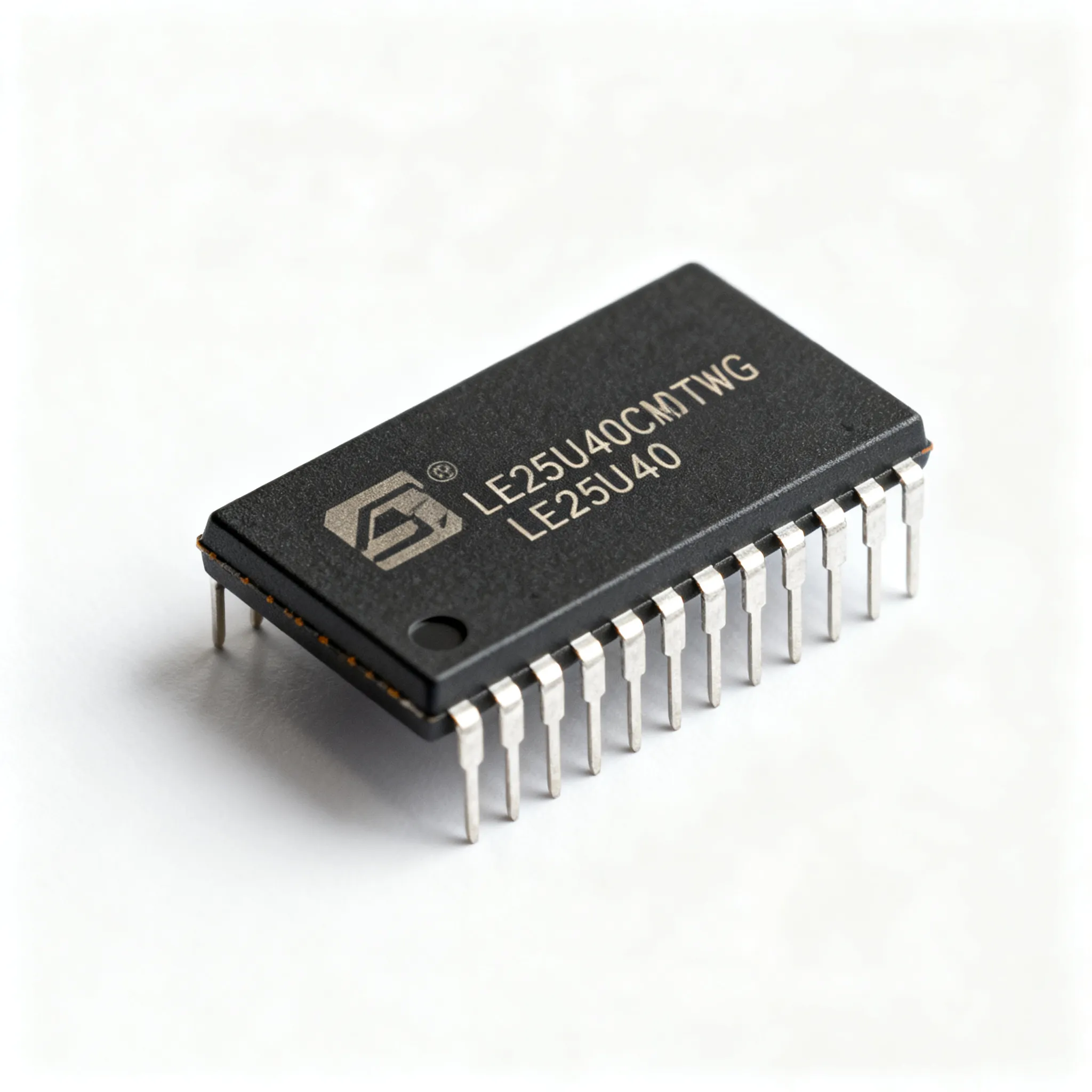
Integrated circuit components like transistors, capacitors, and resistors enable signal processing, power management, and logic operations in modern devices.
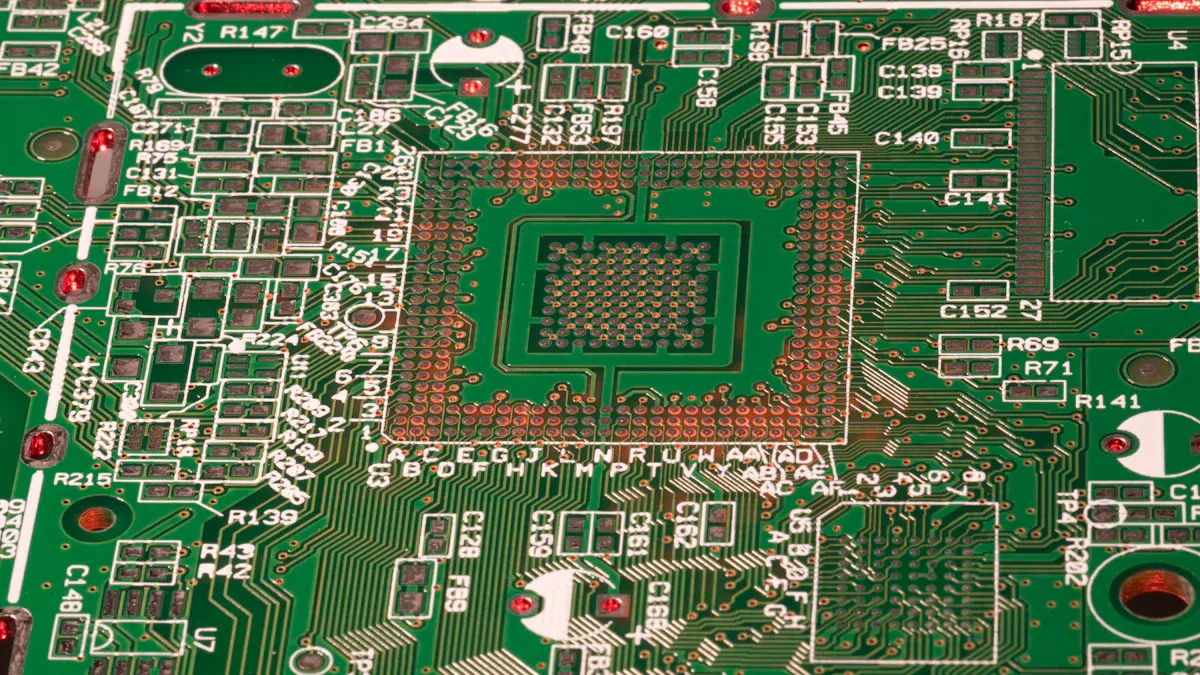
Integrated Circuit Components are the heart of modern electronics. They help devices work by processing, storing, and sharing information. These small but powerful Integrated Circuit Components have changed technology in big ways. For example, the number of transistors on a chip doubles about every two years, which is called Moore's law. Over time, transistors have gotten much smaller, going from tens of microns in the 1970s to just 10 nanometers today.
It’s important to understand these Integrated Circuit Components. Whether you’re making a simple gadget for fun or designing advanced systems for work, knowing how they work helps you use them better. Integrated circuits are now a huge part of the semiconductor industry, making up 82% of its revenue in 2016. They are found in everyday things like phones and medical tools, helping many industries grow.
Key Takeaways
-
Integrated circuits are important for today’s electronics. They make devices smaller, quicker, and better.
-
Active parts like transistors and diodes control electricity. Passive parts like resistors and capacitors handle power and signals.
-
Knowing how integrated circuits work helps you make better gadgets and improve technology.
-
Integrated circuits are used in many fields like healthcare, cars, and electronics. They make things work better and safer.
-
Learning about integrated circuits helps you invent new ideas. You can create technologies that improve lives.
Overview of Integrated Circuits
Definition and Purpose
Integrated circuits, or microchips, are tiny systems made of transistors, diodes, capacitors, and resistors. These parts are built on a small piece of silicon, a type of semiconductor. Think of them as small electronic systems that do big jobs while taking up little space. This idea started in 1958 when Jack Kilby and Robert Noyce found ways to shrink circuits. Their invention helped create the modern tech we use today, making devices smaller, quicker, and more powerful.
Making integrated circuits is complex and costly. Engineers work hard to make them smaller but more useful. Millions of parts can now fit into a tiny chip. This has changed electronics, making advanced tools available to people and businesses everywhere.
Role in Modern Electronics
Integrated circuits are key to today’s electronics. They handle simple tasks like keeping time in watches and tough jobs like running computers and phones. These chips help with communication, saving data, and managing power in everyday gadgets.
Over time, the materials used in integrated circuits have improved. Early chips used germanium and silicon for military and industrial tools. Now, materials like silicon carbide and gallium nitride power new tech like electric cars and 5G networks. This shows how integrated circuits keep improving to meet modern needs.
Types of Integrated Circuits
Integrated circuits come in different types, each with a special job. Here’s a quick look:
|
Component Type |
Description |
|---|---|
|
Active Devices |
Tiny parts like transistors and diodes. |
|
Passive Devices |
Parts like capacitors and resistors. |
|
Substrate |
Silicon base where parts are built. |
|
Size |
As small as a few square millimeters. |
Integrated circuits are grouped by what they do:
-
Analog ICs: Work with signals like sound and video.
-
Digital ICs: Use binary data for computers and phones.
-
Mixed-Signal ICs: Combine analog and digital tasks for communication tools.
These types help integrated circuits meet the needs of many industries, from home gadgets to cars.
Key Integrated Circuit Components
Integrated circuit parts are the core of modern electronics. Each type has a special job to help devices work well. Let’s look at three main types: active, passive, and specialized components.
Active Components
Active components are like the engines of electronic systems. These parts, such as transistors and diodes, control electricity and boost signals. Transistors act as switches or amplifiers, helping devices run apps and connect online. Without them, smartphones wouldn’t work.
How well active components perform affects the efficiency of circuits. Reports show the global market for integrated circuits is growing fast due to better active components. Here’s a quick overview:
|
Aspect |
Details |
|---|---|
|
Market Size |
The global integrated circuit market is growing quickly. |
|
Regional Shares |
Asia-Pacific leads, followed by North America and Europe. |
|
Competitors |
Top companies include Intel, Qualcomm, and Texas Instruments. |
|
Market Segments |
Active components dominate areas like microprocessors and memory chips. |
|
Trends and Opportunities |
New active components are driving trends like AI and IoT. |
Active components are key for processing signals, managing power, and running logic tasks. They amplify and control electricity, making them vital for modern gadgets.
Passive Components
Passive components don’t create or boost signals like active ones. Instead, they control and guide electricity. Common examples are resistors, capacitors, and inductors. Resistors limit current, capacitors store energy, and inductors handle magnetic fields. Together, they keep circuits running smoothly.
These components are important for filtering, tuning, and protecting circuits. Here are some highlights from studies:
-
Passive parts manage power, ground, and signal filtering in circuits.
-
In 2001, passive components made up 91% of all electronic parts.
-
Embedded passive parts in circuit boards save space and cut costs.
-
New materials are being tested to improve resistors, capacitors, and inductors.
Passive components help devices work faster and cost less. For instance, capacitors keep voltage steady so laptops and gaming consoles run well.
Specialized Components
Specialized components are made for specific tasks in advanced systems. Examples include sensors, microcontrollers, and ASICs (application-specific integrated circuits). These parts are designed for industries like cars, healthcare, and communication.
One example is a special chip from MIT Lincoln Laboratory. It was made to test cooling for stacked microelectronics, which is needed for powerful processors. Here’s more about it:
|
Evidence Description |
Details |
|---|---|
|
Specialized Chip |
Built to test cooling for stacked microelectronics. |
|
Purpose |
Checks cooling methods for high-performance processors. |
|
Functionality |
Acts like logic chips to track temperature changes in stacks. |
|
Application |
Helps design cooling for 3D electronic systems. |
|
Funding |
Supported by DARPA’s Minitherms3D program for thermal solutions. |
Specialized components push the limits of what circuits can do. They make things like self-driving cars, health trackers, and 5G networks possible.
By learning about active, passive, and specialized components, you can see how they work together to power the devices you use every day.
Functions of Electronic Components in Integrated Circuits
Signal Processing
Signal processing is a key job of electronic parts in circuits. It means changing and improving signals so they can be used. For example, when you play music on your phone, signal processing makes the sound clear and smooth.
Better integrated circuits have made digital signal processing (DSP) much faster. Over the last 30 years, smaller and stronger DSP hardware has been created. This has helped in areas like radar, earthquake studies, and picture editing. Special chips called ASICs make signal work even quicker. New ideas in parallel and shared signal processing keep improving what these systems can do.
Power Management
Power management helps devices use energy wisely and work better. Integrated circuits control how power is shared in gadgets like phones and laptops. Parts like capacitors and resistors help keep voltage steady and prevent overheating.
Knowing how power works is important for making devices last longer. Watching power use helps save energy, extend battery life, and cut costs. Capacitors store energy and release it when needed to keep voltage stable. Resistors slow down current to protect delicate parts. Together, these parts make devices more reliable and long-lasting.
Logic Operations
Logic operations are the base of digital devices. They let circuits do math, make choices, and follow commands. Transistors, which are active parts, are key to this. They act like tiny switches, turning on and off to show 1s and 0s. This system is how computers work.
Modern circuits have millions or billions of transistors. These work together to do hard tasks very quickly. In a microprocessor, transistors handle math, store data, and run programs. How well these parts work affects how fast and strong devices are, from calculators to supercomputers.
By learning about signal processing, power management, and logic operations, you can see how circuits power today’s technology. Parts like transistors, capacitors, and resistors make all this possible.
How Integrated Circuit Components Work Together
Interaction in Analog Circuits
In analog circuits, parts like transistors, capacitors, and resistors work together. They handle tasks like making sounds louder, reducing noise, or changing signals. For example, when you play music on a speaker, the circuit makes the sound louder so you can hear it better.
Transistors in these circuits boost weak signals to stronger ones. Capacitors store and release energy to keep voltage steady. Resistors slow down current to protect sensitive parts. These components work as a team to process signals smoothly and accurately.
Analog circuits often connect with digital systems to do more. For instance, a mixed-signal processor like the MSP430 microcontroller combines both analog and digital parts. This lets it handle tasks like changing signals and managing power efficiently. It uses little energy and works well, making it great for things like wireless devices and medical tools.
Interaction in Digital Circuits
Digital circuits use parts to handle binary data, shown as 1s and 0s. These circuits are the core of modern devices like phones, laptops, and gaming systems. Transistors act as tiny switches, turning on and off to show these binary states.
Capacitors and resistors also help digital circuits. Capacitors hold charge briefly to keep voltage steady during fast changes. Resistors control current to keep transistors safe. Together, these parts let digital circuits do math, store information, and follow commands.
Interestingly, studies show that small errors in circuits can sometimes improve performance. By allowing tiny mistakes, circuits can do certain tasks better. This idea is different from usual methods that try to remove all errors, offering new ways to improve technology.
Example: Microcontroller Circuit
Microcontroller circuits show how parts work together to do specific jobs. A microcontroller is like a tiny computer on a chip. It has a processor, memory, and input/output parts. It uses transistors for processing, capacitors to keep voltage steady, and resistors to control current.
You see microcontrollers in many everyday items:
-
Home Appliances: They control things like temperature in microwaves.
-
Cars: They manage cruise control to keep a steady speed.
-
Factories: They guide robotic arms based on sensor data.
-
Wearables: Smartwatches use them to track health and show alerts.
-
Smart Devices: Thermostats use them to adjust heating and cooling.
These circuits show how parts work together seamlessly. For example, in a smartwatch, the microcontroller reads sensor data, uses capacitors to keep power steady, and resistors to protect parts. This teamwork ensures the device works well in a small design.
By learning how transistors, capacitors, and resistors work together, you can see how amazing integrated circuits are. Whether in analog or digital systems, these parts are the base of today’s technology.
Practical Uses of Integrated Circuits
Everyday Electronics
Integrated circuits are key to the gadgets you use daily. They make devices smaller, faster, and work better. For example, smartphones use these circuits to run apps quickly and handle tasks smoothly. Special circuits, called ASICs, improve specific features like making camera pictures clearer. They also power AI tools, such as face unlock and voice assistants, by processing data directly on the phone.
Here’s how integrated circuits improve electronics:
-
They shrink parts, making gadgets easier to carry.
-
They save energy, helping batteries last longer in laptops and tablets.
-
They allow smart features, like AI that understands speech.
Without these circuits, modern gadgets wouldn’t be as fast or useful as they are today.
Factory Systems
In factories, integrated circuits help machines work accurately and safely. These circuits automate tasks, check equipment, and boost safety. Microcontrollers, a type of circuit, act like machine brains. They control actions based on sensor readings, like adjusting robotic arms or keeping factory temperatures steady.
Integrated circuits also help machines talk to each other. They read sensor signals and send commands to other parts, keeping everything running smoothly. This automation lowers mistakes and raises productivity. With these circuits, factories can work faster and make better-quality products.
Car Electronics
Integrated circuits have changed how cars work. They make vehicles safer, smarter, and more energy-efficient. Analog circuits turn real-world signals, like speed or heat, into digital data for car systems. Logic circuits help different car parts communicate and work together.
Microcontrollers manage important systems like anti-lock brakes (ABS) and engine control. They use sensor data to make quick decisions for better performance. Power circuits share energy efficiently, which is vital for electric cars. These circuits help batteries last longer and improve driving range.
Here’s how integrated circuits improve cars:
-
They make braking and steering systems safer.
-
They enable smart features like cruise control and lane-keeping.
-
They save energy, making electric cars more practical.
Integrated circuits are the heart of modern car technology, making vehicles safer and more efficient.
Medical Devices
Integrated circuits are key to today’s medical devices. They make devices smaller, faster, and more dependable. This helps people and doctors track and improve health. From fitness trackers to imaging machines, these circuits allow accurate measurements and quick data processing.
Medical tools use integrated circuits to improve patient care. For example, clinical decision support systems (CDSS) depend on these circuits. They help doctors and nurses make quicker and safer choices. Integrated circuits also simplify tasks by giving real-time updates. This lets healthcare workers focus more on patients instead of manual work.
Integrated circuits boost safety by enabling closed-loop communication. This means devices react fast and correctly to patient changes. For instance, insulin pumps use these circuits to check blood sugar and give the right insulin dose automatically.
Here’s how integrated circuits help medical devices:
|
Evidence Type |
Description |
|---|---|
|
Clinical Decision Support Systems |
Device data improves user interactions and ensures safe care. |
|
Workflow Optimization |
Real-time data helps clinicians work better and make decisions faster. |
|
Patient Safety |
Closed-loop systems ensure safe and quick responses to patient needs. |
Integrated circuits also power imaging tools like MRI and CT scanners. These circuits handle lots of data fast, creating clear images for accurate diagnoses. Wearable devices, like heart monitors, use them to track health and send updates to your phone.
By learning how integrated circuits work in medical tools, you can see their importance in healthcare. These small parts make life-saving devices more useful and effective, improving health for everyone.
Learning about integrated circuit parts helps explain modern technology. These small but strong pieces combine many jobs into one chip. This makes devices work better and easier to use. They cut costs, improve performance, and allow cool new uses in many fields.
|
Key Point |
Explanation |
|---|---|
|
Combining Functions |
Integrated circuits put many parts into one chip for better efficiency. |
|
Lowering Costs |
Smaller circuits cost less to make, making tech affordable for more people. |
|
Boosting Performance |
ICs save space and energy, helping devices do more advanced tasks. |
|
Found Everywhere |
ICs are used in many things, like phones and kitchen gadgets. |
|
Easier Designs |
They make complex systems simpler to plan and build. |
|
Changing History |
Ideas from inventors like Jack Kilby changed electronics forever. |
By understanding how these parts work together, you’ll value the tech around you more. Try using integrated circuits—you might invent something amazing!
FAQ
What is the main purpose of an integrated circuit?
Integrated circuits put many electronic parts into one chip. This saves space, lowers costs, and makes devices work better. They are used in almost all modern gadgets, like phones and medical tools.
How do transistors work in integrated circuits?
Transistors are like switches or amplifiers. They manage electricity flow and handle binary data (1s and 0s). This helps devices like computers and calculators do logic tasks.
Why are capacitors important in circuits?
Capacitors hold and release electrical energy. They keep voltage steady, reduce noise, and help devices run smoothly. For example, they let laptops stay powered during sudden energy changes.
Can integrated circuits fail?
Yes, they can fail from overheating, power surges, or defects. To avoid this, use cooling systems and voltage regulators in your designs.
What’s the difference between analog and digital ICs?
Analog ICs work with signals like sound or light. Digital ICs use binary data for things like math and storing information. Mixed-signal ICs do both, making them great for gadgets like smartphones.
Tip: Always read the datasheet to know how to use integrated circuits correctly.