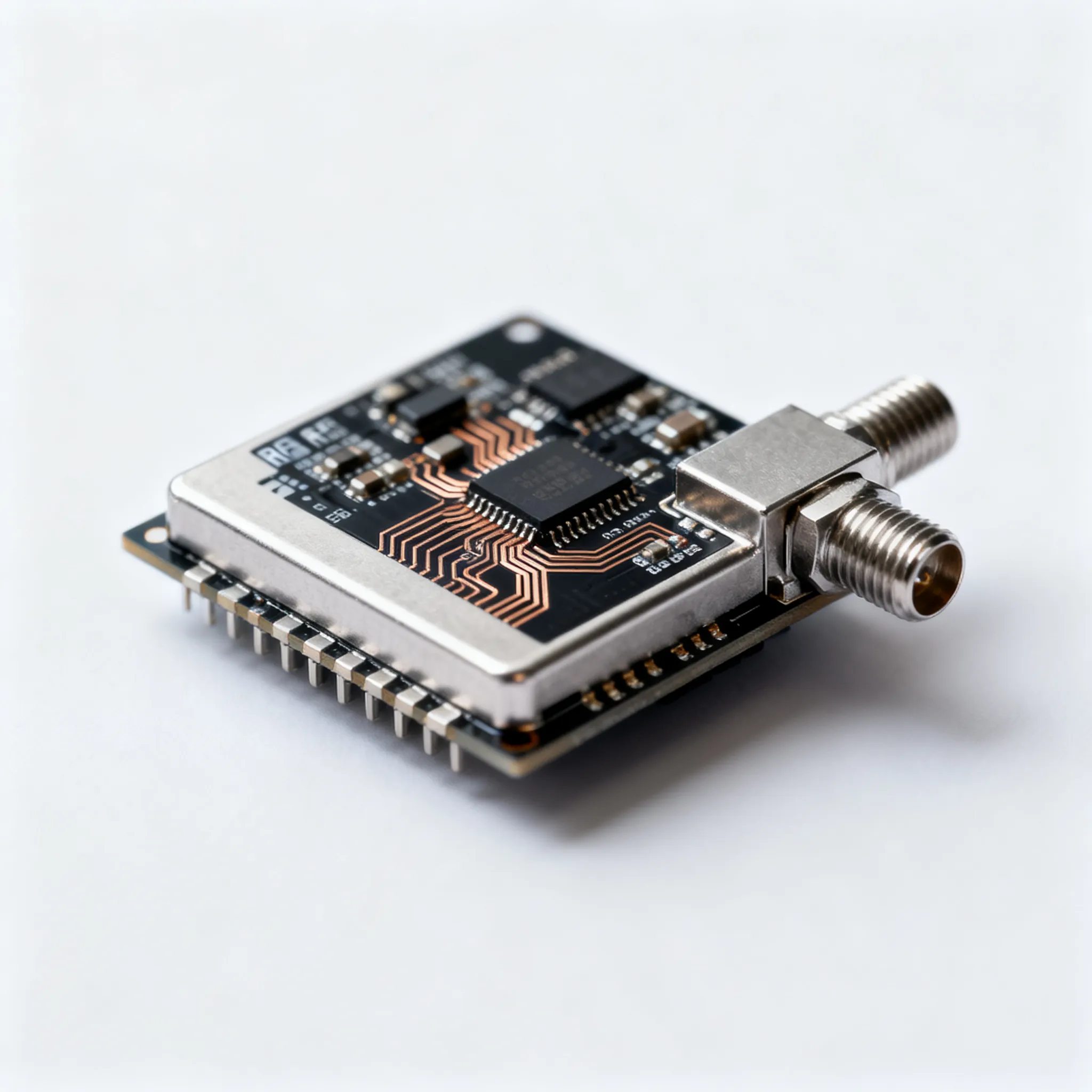
LED Driver Integrated Circuits: The Technology Behind Efficient and Reliable LED Lighting Systems
LED driver integrated circuits are important for modern lighting. These drivers control power and keep LEDs safe from damage. They also help manage heat and stop electrical problems. Research shows LED lighting can use 50% less energy than old lights. Good LED driver design helps lights last longer, sometimes up to 100,000 hours.
LED driver integrated circuits are important for modern lighting. These drivers control power and keep LEDs safe from damage. They also help manage heat and stop electrical problems. Research shows LED lighting can use 50% less energy than old lights. Good LED driver design helps lights last longer, sometimes up to 100,000 hours.
-
LED lighting with advanced drivers gives better power and works more reliably.
-
LED technology lasts longer and has fewer problems.
-
Good heat control in LED driver parts stops early damage and keeps lights working well.
Key Takeaways
-
LED driver ICs manage power for LEDs. They keep the current steady. This stops damage and flicker.
-
Good LED drivers help save energy. They let lights use less power. They also help lights last longer.
-
Switching LED drivers save even more energy. They work with many LED types. They also work with different power levels.
-
Protection features in LED drivers keep lights safe. They stop overheating, voltage spikes, and other problems.
-
Picking the right LED driver is important. You should think about efficiency. You should check safety certifications. You should also look at what you need for your project.
LED Driver Integrated Circuits
What Are LED Driver ICs
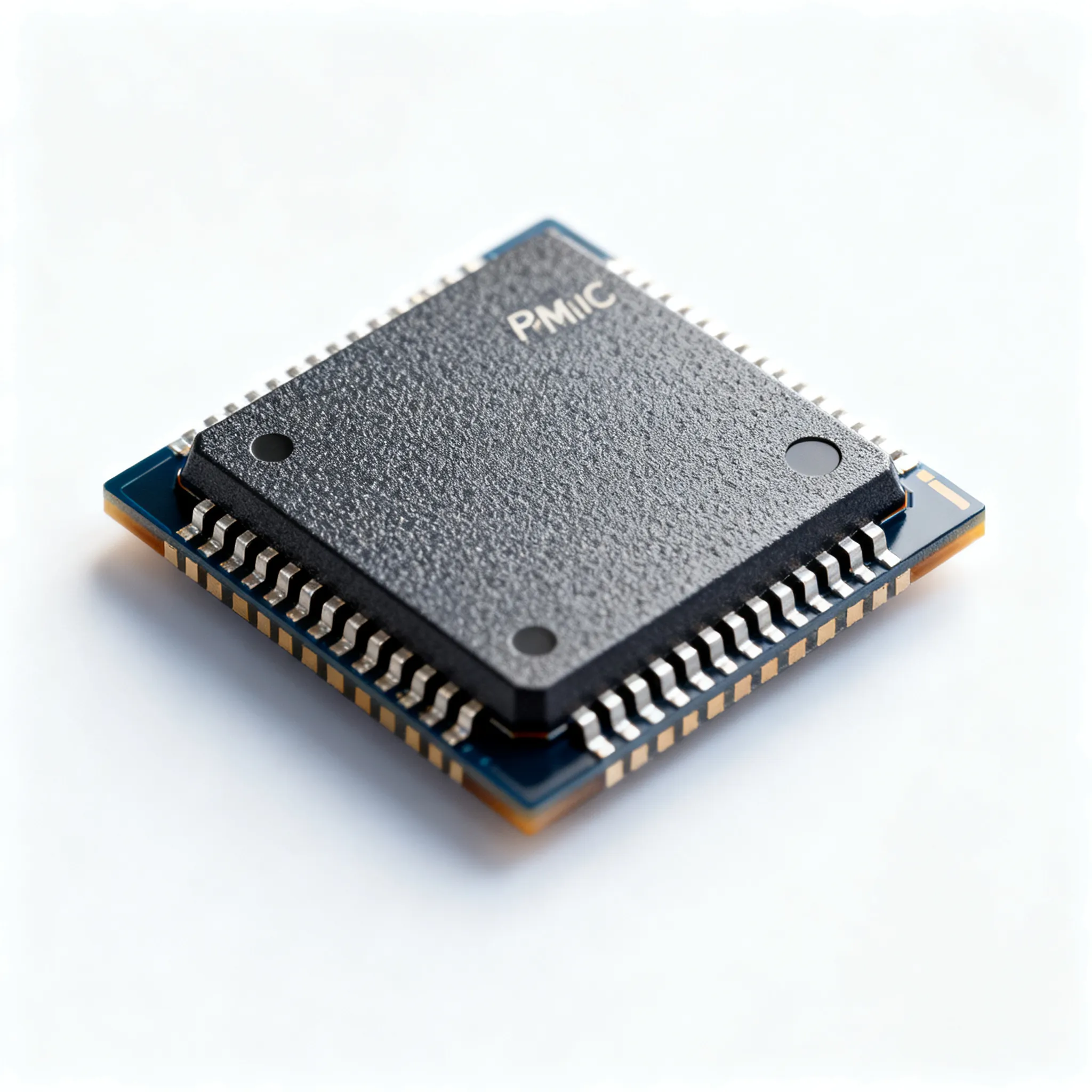
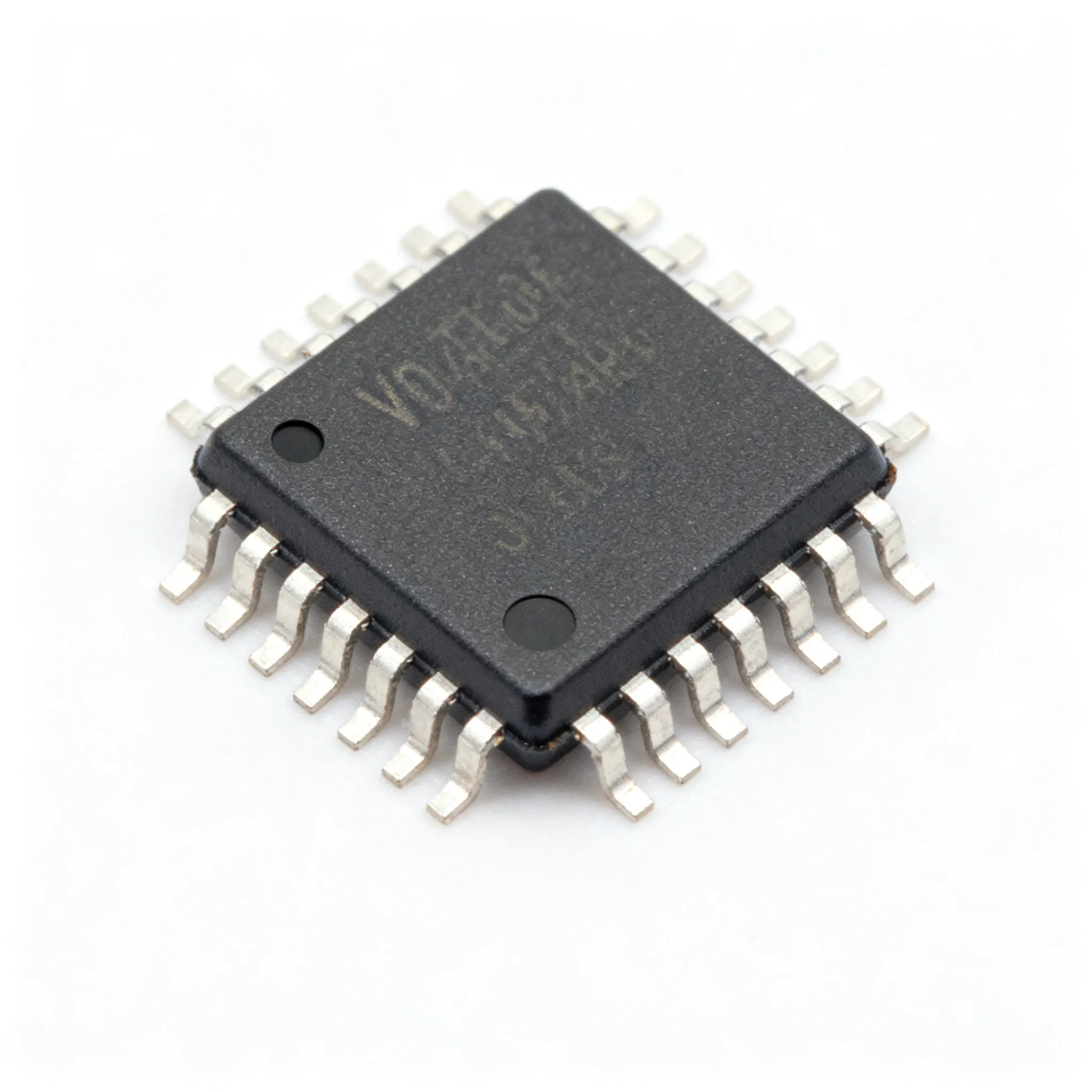
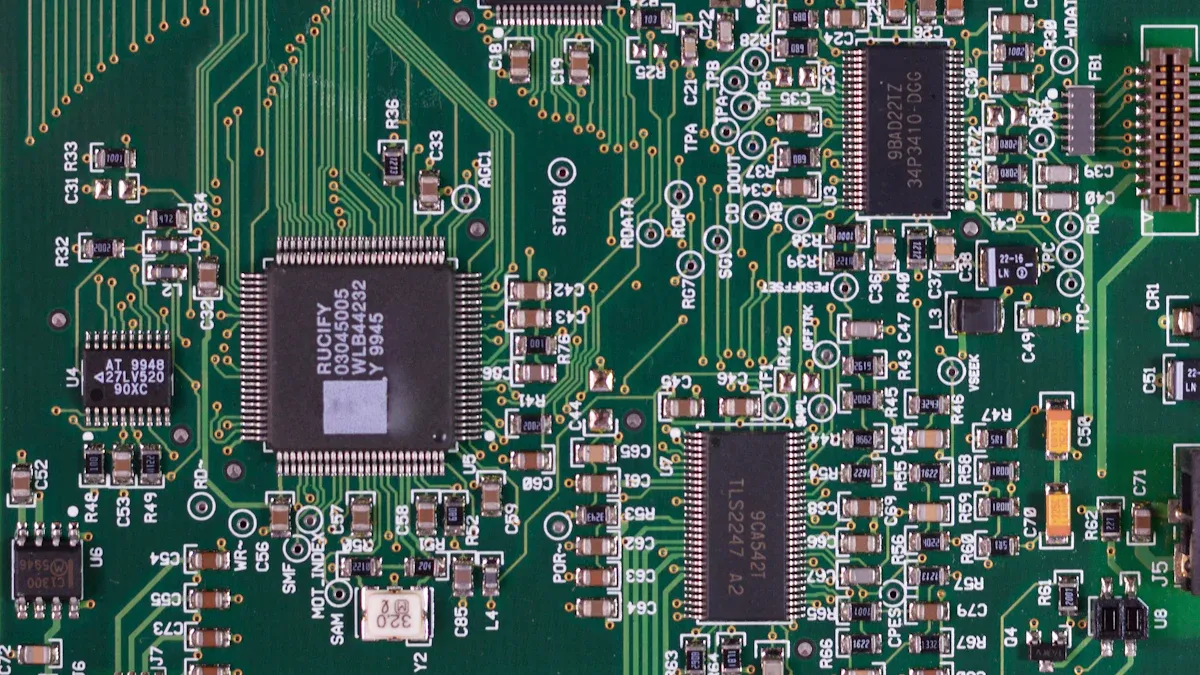
LED driver ICs are special parts that help control power for LEDs. These chips make sure LEDs get the right amount of voltage and current. If there is no control, LEDs can get too much power and stop working fast. LED driver integrated circuits change electricity from the wall (AC) into the kind of power LEDs need (DC). They also keep the light and color steady, even if the power changes.
Note: LED driver ICs use smart technology to control power, keep LEDs safe, and let you dim lights without flicker.
The table below lists some key features and how well LED driver ICs work:
|
Feature/Aspect |
Details/Performance Figures |
|---|---|
|
Efficiency |
Up to 98% efficiency in DC-DC switch-mode LED driver ICs |
|
Current Support |
Supports currents up to 1.5A |
|
Regulation |
Fast, stable, and precise current regulation for high light quality |
|
Integration |
High integration reduces external parts and makes design easier |
|
Power MOSFET Technologies |
CoolMOS™ and OptiMOS™ reduce losses and improve power density |
|
AC-DC LED Driver Features |
High power factor, low harmonics, deep dimming without flicker |
|
Dimming Capability |
Dimming down to 1% light output without flicker |
|
Thermal and Safety |
Good thermal management and safety features extend system lifetime |
|
Application Range |
Used in many intelligent lighting systems, including AC-DC and DC-DC drivers |
LED driver ICs use different ways to control LEDs. Some use constant current, and others use constant voltage. Many ICs use Pulse Width Modulation (PWM) to dim LEDs smoothly. These chips protect LEDs from getting too hot, too much voltage, or too much current. They also help LED lights last a long time.
LED driver integrated circuits are found in many places. You can see them in outdoor screens, stadium displays, TVs, and digital signs. In advanced systems, micro LED driver ICs give each LED unit its own current control. This helps keep colors and brightness correct. These ICs also help big displays stay in sync and cut down on noise, so the picture looks clear and steady.
Why LED Drivers Matter
LED drivers are very important in every LED lighting system. They help LEDs work safely and use energy well. Without a good LED driver, LEDs might flicker, get too hot, or break early. LED driver ICs keep the current steady. This is important because LEDs need steady current to shine bright and last long.
-
LED drivers keep LEDs safe from power surges and voltage spikes.
-
They let you dim lights smoothly, which saves energy and gives more control.
-
Good drivers help LEDs give even, flicker-free light, which is better for your eyes.
Studies show that LED drivers using buck and buck-boost converters save more energy and give better power. High-efficiency dimmable drivers can reach up to 97% efficiency. This means less energy is wasted and costs are lower. Fault-tolerant LED driver systems keep lights working even if one part stops, so the whole system is more reliable.
Tip: How long an LED lighting system lasts often depends on the LED driver. Good heat control and safety features in the driver help LEDs last longer.
A case study showed a good LED driver could replace old lights, like High Pressure Sodium lamps, by changing AC power to the low DC voltage LEDs need. This made the lights work better and use less energy.
LED driver ICs also let you use advanced features. For example, in medical research, a special IC put a neural amplifier and a high-current LED driver together. This let scientists control light for tests and record brain signals at the same time. The IC gave exact current control and quick response. This shows how integrated LED drivers can make complex systems work better and do more things.
How LED Driver ICs Operate
Power Conversion
LED driver ICs help change power so LEDs can use it. Most homes give AC power, but LEDs need DC power. The LED driver changes AC to DC. This is called power conversion. Many LED driver ICs use special circuits like buck, boost, or flyback converters. These circuits help keep the power steady and save energy.
A high-power-factor quasi-resonant flyback converter keeps the input current smooth. It also keeps the output current steady. Tests show these drivers can have a power factor close to one. This means they use electricity very well. The total harmonic distortion (THD) stays under 10%. This makes the power clean and safe for the system. Output current regulation accuracy is better than ±2%. This helps keep the LED light steady.
The table below shows how different circuit types work and how efficient they are:
|
Circuit Type |
Operation Principle |
Efficiency Insights and Tests |
|---|---|---|
|
Simple Constant Current Source (using NFET and NPN transistors) |
Uses a power NFET as a variable resistor controlled by an NPN transistor sensing current via a sense resistor. Feedback loop maintains constant LED current. |
Power loss occurs in NFET acting as resistor; efficiency depends on matching LED string voltage to supply voltage. Thermal sensitivity affects current set-point. Requires heatsink for high power. |
|
Analog Adjustable Driver (Voltage Regulator based) |
Replaces NFET with a voltage regulator whose output voltage is set by resistor ratios. Current limit circuit reduces resistance to limit current. |
Allows adjustable brightness without microcontroller. Can handle 5A with heatsink. Efficiency depends on regulator dropout voltage. |
|
Simple Current Source (Single Voltage Regulator) |
Uses a single voltage regulator with resistor setting current. No transistors. |
Higher dropout voltage ( |
|
Switching Regulators (Buck/Boost converters) |
DC-DC converters step voltage up or down to maintain constant LED current with feedback. |
High efficiency (80-95%), adapts to input voltage variations. More complex and costly but best for power LED applications. Packaged units available. |
LED driver ICs often have power factor correction. This helps the driver use energy better and waste less power. Some drivers can work with voltages up to 480VAC. This makes them useful in many places around the world. The power conversion stage can also affect electromagnetic interference (EMI). When power changes, the electromagnetic field near the driver changes too. Good design keeps EMI low. This is important for safe and reliable lighting.
Current Regulation
LEDs need steady current to shine with the right brightness and color. LED driver ICs use constant current sources to keep current steady. This works even if the LED voltage changes. LED voltage can change by up to 20% from heat or age. If the current is not steady, the LED can flicker or burn out early.
Switching regulators are popular in LED driver ICs. They give high accuracy and save energy. These regulators keep the current within ±3% of the target value. They support many currents, from 150 mA to 3 A. They adjust the output voltage to keep the current steady. This helps control heat and makes the LED last longer. Linear regulators are simpler but waste more energy as heat.
|
Parameter / Feature |
Specification / Description |
|---|---|
|
Input Voltage Range |
6.5 V to 30 V |
|
Number of Channels |
2 independent LED driver channels with analog and PWM dimming control |
|
Current Accuracy |
2.5% accuracy ensures precise current regulation |
|
Output Current |
Up to 500 mA per channel |
|
LED Current Sense Voltage |
1500 mV |
|
Dimming Support |
Both analog and PWM dimming supported |
|
Protections |
Under Voltage Lockout (UVLO), Over Temperature Protection (OTP), LED open/short detection |
|
Fault Reporting |
Fault pin reports UVLO, OTP, open, and short conditions |
|
Standby Power |
Low standby power consumption |
|
Operating Temperature Range |
-40°C to +125°C |
Constant current regulation also helps stop flicker. Standards say output current ripple should not go above 8%. Advanced topologies, like multilevel rectifiers with ripple cancellation, help reduce flicker. They also improve power factor correction. These features make the lighting system more reliable. They help the LEDs last longer. Dimming control is another important feature. LED driver ICs support both analog and PWM dimming. This lets users adjust brightness smoothly and save energy.
Protection Features
LED driver ICs have many protection features to keep LEDs and the system safe. These features protect against short circuits, overvoltage, and overloads. If something goes wrong, the driver can shut down or limit the current. This helps prevent damage. Under voltage lockout (UVLO) and over temperature protection (OTP) are common. These features stop the driver if voltage drops too low or if it gets too hot.
Manufacturers test these protection features in many ways. They run thermal performance tests to make sure the driver stays cool. Dimming performance tests check that the driver works with different dimmers. These tests also make sure there is no flicker. Burn-in tests run the driver for a long time to find early failures. Temperature cycling tests show how well the driver handles heat changes. Highly Accelerated Life Testing (HALT) pushes the driver past normal limits to find weak spots.
Tip: Good protection features in LED driver ICs help the lighting system last longer and work safely in many conditions.
These tests and features show that LED driver integrated circuits can keep LEDs safe and reliable. They help stop early failures and make sure the lighting system works well for a long time.
Types of LED Driver ICs
Linear and Switching LED Drivers
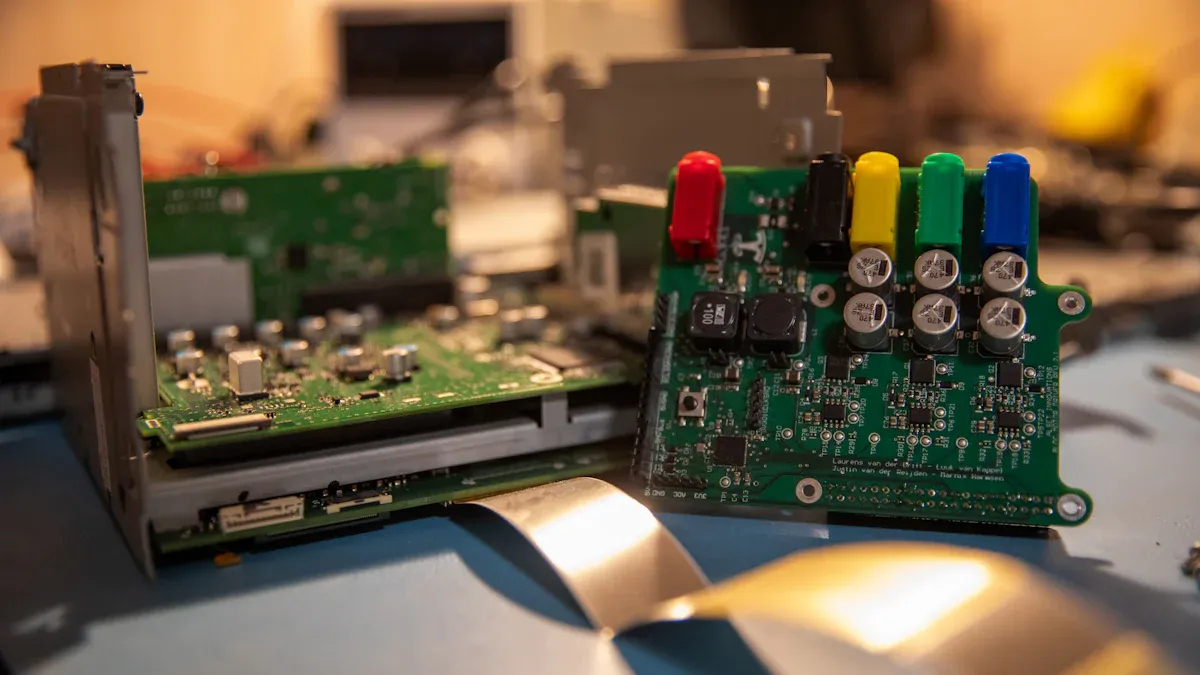
There are two main kinds of LED drivers. One kind is linear, and the other is switching. Linear LED drivers use simple circuits to control current. They work best when the input voltage is close to the LED voltage. These drivers are easy to use and cost less money. But they waste more energy as heat. Switching LED drivers use advanced circuits to change voltage and current. They use less energy and work well with many LEDs or higher power. Switching drivers can raise or lower voltage. This makes them more useful for different lighting systems.
Linear drivers are good for small, low-power lights. Switching drivers are better for high-power or energy-saving uses.
Constant Current vs. Constant Voltage
LED driver ICs can give constant current or constant voltage. LEDs need steady current to shine bright and last long. Constant current LED drivers keep the current the same, even if voltage changes. This helps stop flicker and early failure. Constant voltage LED drivers give a fixed voltage. These work best for LED strips or modules with built-in resistors. Programmable LED drivers can switch between modes for special needs.
|
Driver Type |
Best Use Case |
Main Benefit |
|---|---|---|
|
Constant Current |
Single LEDs, headlights |
Stable brightness |
|
Constant Voltage |
LED strips, taillights |
Easy wiring |
Automotive LED Driver ICs
Automotive LED driver ICs power car headlights, taillights, and other lights. These drivers must handle tough jobs. They face big voltage changes, heat, and shaking. Car lighting systems need drivers that save space and energy. They also must follow strict safety rules.
Automotive LED driver ICs solve many problems. For example, dynamic headlights need drivers that control many LEDs at once. Some drivers use boost or buck-boost circuits to keep power steady. Others use linear designs for low power use. Car makers use special MOSFETs for strong switching and less heat. Microcontrollers add safety and security features. System basis chips combine power and communication to save space.
|
Description |
Solution Provided |
Product Examples |
|
|---|---|---|---|
|
Complex lighting control |
Many functions in headlights and rear lights |
Scalable, integrated LED driver ICs |
LITIX™ Power, Power Flex |
|
Efficient power conversion |
Compact, efficient headlights |
SEPIC, buck-boost controllers |
TLD5099EP |
|
Low power use |
Save energy in all lights |
Linear LED driver ICs |
LITIX™ Linear, Basic+ |
|
Wide voltage range |
Handle car voltage swings |
Automotive MOSFETs |
OptiMOS™ 5/6/7 |
|
Safety and security |
Meet car safety standards |
Advanced microcontrollers |
TRAVEO™ T2G, AURIX™ |
|
Space saving |
Reduce cost and size |
System basis chips |
OPTIREG™ SBCs |
Switching in automotive LED driver ICs can cause current spikes. Engineers use new circuit designs to stop this and keep headlights safe. These solutions help cars use LED drivers for bright, reliable lights.
Benefits of LED Drivers
Efficiency and Energy Savings
LED drivers help lighting systems use less energy. They control how much power LED lights get. This saves energy and lowers costs. Some LED drivers use switching power supplies. These can be very efficient. For example, some LEDs give over 200 lumens per watt. Old lights like incandescent bulbs only give up to 20 lumens per watt. The table below shows these numbers:
|
Aspect |
Data / Description |
|---|---|
|
LED luminous efficacy |
Over 200 lm/W |
|
Incandescent efficacy |
Up to 20 lm/W |
|
Fluorescent efficacy |
46-104 lm/W |
|
Optical delivery efficiency |
LED luminaires >90% |
LED drivers use exact current control and voltage changes. These features stop energy loss and keep lights working well. Power factor correction in AC-DC drivers helps save more energy. It also cuts down on waste. Using energy-saving lights helps lower electric bills. It is also better for the environment.
Reliability and Longevity
LED drivers help LED lights last a long time. They protect lights from power surges and getting too hot. They also guard against other dangers. Makers test LED drivers in hard conditions. These include high heat, wet air, and fast temperature changes. Some tests last thousands of hours to find early problems. For example, temperature cycling and life tests show LED drivers still work after 1,000 hours of stress. These tests prove LED drivers make lighting systems more reliable. They help lights last longer.
Good LED drivers mean you do not need to replace lights often. You also spend less time fixing them.
Light Quality
LED drivers help make light look better in many ways. They keep the color and brightness steady. This is important for homes, schools, and offices. Quality tests check color temperature, color rendering index, and chromatic coordinates. These tests make sure LED lights show colors well and do not flicker. Engineers use special tools to check for flicker, glare, and color accuracy. LED drivers with dimming let you change brightness smoothly. This helps make lighting comfortable and flexible.
-
Chromatic coordinates tell what color the light is.
-
Color temperature shows if the light is warm or cool.
-
Color rendering index tells how well the light shows colors.
LED drivers help lights work well and look good in many places.
Choosing LED Driver ICs
Efficiency and Compatibility
When picking led drivers, efficiency is very important. Drivers that are efficient waste less energy. This helps save money on electric bills. Some new drivers can be up to 96.1% efficient. Most top drivers are between 92% and 94.8% efficient. Compatibility is also important. The driver must fit the voltage and current the LEDs need. Tests check if the driver works with different LEDs and power supplies. The table below shows how some drivers compare:
|
Parameter |
GaN HEMTs LED Driver |
State-of-the-Art Drivers |
|---|---|---|
|
Peak Efficiency |
Up to 96.1% |
92% - 94.8% |
|
Power Factor |
0.99 |
Lower or unspecified |
|
Output Current |
10 A |
1 to 12 LEDs |
|
Switching Losses |
Negligible |
Higher |
Smart dimming and programming make drivers more flexible. These features let people change brightness and color. This is helpful in smart homes and offices. It lets the lights adjust to what people need.
Safety Standards
Safety is very important when choosing led drivers. Makers must follow rules to keep things safe. Certifications like UL 8750, IEC, and Energy Star show the driver is safe. Tests check for electrical safety, energy use, and if the driver works with other electronics. Companies like Intertek and Vitrek test and certify drivers. They use special tools to check insulation, current, and grounding. These steps help stop accidents and make sure drivers work well.
Tip: Always pick drivers with safety certifications. This helps lower risks and follows local rules.
Application Needs
Different uses need different led drivers. Car led driver ics must handle big voltage changes, heat, and shaking. Factory lights need strong drivers that manage heat well. Electronics for people need small, energy-saving drivers. These often have wireless controls. The table below lists what matters most for picking a driver:
|
Key Factor |
Importance in Application |
|---|---|
|
Energy Efficiency |
Saves power and reduces costs |
|
Smart Dimming & Control |
Supports flexible lighting |
|
Thermal Management |
Prevents overheating |
|
Regulatory Compliance |
Ensures safety and market access |
|
Miniaturization |
Fits in small devices |
Engineers test drivers for each use. They check the power supply, measure output, and test dimming and heat control. These tests make sure the driver fits the job. More people want led drivers with IoT features and smaller size. These trends are growing in the market.
LED driver integrated circuits help make lighting better. They make lights work well and last longer. These circuits also help people create new lighting ideas. Reports say the market for these lights is growing fast. Smart and connected lighting systems are becoming more popular. New trends include making parts smaller and adding wireless control. IoT integration is also a big trend. Many industries, like cars and healthcare, now use advanced LED drivers. People should look for these features when picking modern lighting solutions.
FAQ
What does an LED driver IC do?
An LED driver IC gives the right power to LEDs. It keeps the current steady. This helps LEDs shine bright and last longer. It also protects LEDs from damage.
How can someone tell if an LED driver is efficient?
Look for high efficiency ratings, such as 90% or more. Efficient drivers waste less energy as heat. They also help lower electric bills.
Why do some LED lights flicker?
Flicker often happens when the driver cannot keep the current steady. Poor quality drivers or mismatched drivers and LEDs can cause this problem. Good drivers stop flicker.
Can one LED driver IC work with all types of LEDs?
|
LED Type |
Driver Needed |
|---|---|
|
Single LEDs |
Constant Current |
|
LED Strips |
Constant Voltage |
Different LEDs need different drivers. Always check the LED type before choosing a driver.