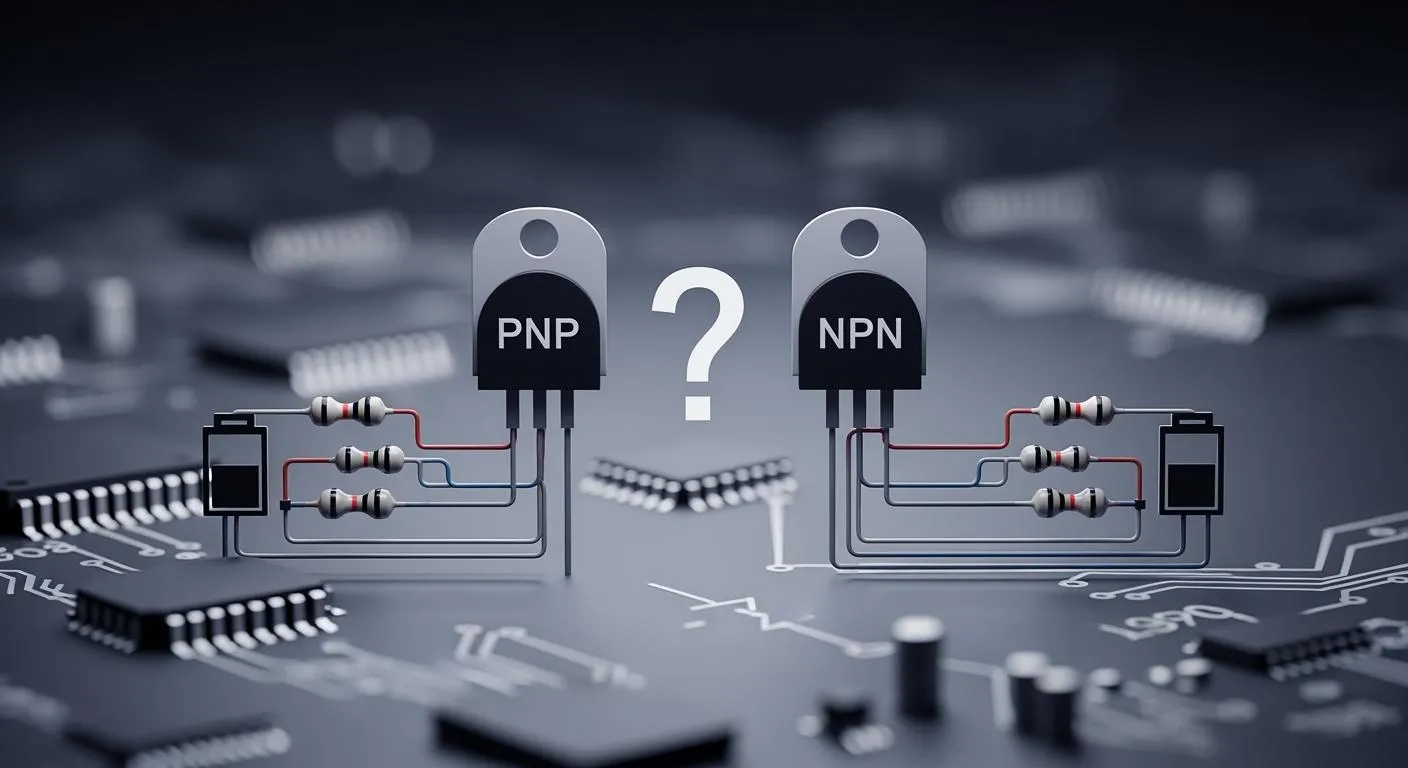
Microcontroller Basics
Expert guide on Microcontroller Basics. Technical specs, applications, sourcing tips for engineers and buyers.
Introduction
Microcontrollers are the backbone of modern electronic systems, serving as the brains behind countless devices. They are integral to the functionality of everything from household appliances to industrial machines. Understanding the specifications and application circuits of microcontrollers is crucial for engineers and designers to create efficient and reliable systems. With the semiconductor industry experiencing rapid growth, staying informed about the latest advancements and best practices in microcontroller technology is more important than ever.
Technical Overview
At the core of any microcontroller is its ability to process inputs and produce outputs based on pre-programmed instructions. Microcontrollers typically include a central processing unit (CPU), memory, and input/output (I/O) peripherals on a single integrated circuit. They are designed to perform specific tasks, often in real-time, making them ideal for embedded systems. Key features to consider when selecting a microcontroller include processing power, memory capacity, power consumption, and available I/O interfaces.
Microcontrollers operate on various architectures, with ARM, AVR, and PIC being among the most popular. Each architecture has its strengths and is suited to different applications. For example, ARM microcontrollers are known for their high performance and low power consumption, making them ideal for portable devices. AVR microcontrollers offer simplicity and ease of use, while PIC microcontrollers are known for their robustness and wide range of available models.
Detailed Specifications
| Parameter | Value | Units | Notes |
|---|---|---|---|
| Operating Voltage | 1.8 - 5.5 | V | Wide voltage range for flexibility |
| CPU Speed | 48 | MHz | High-speed processing |
| Flash Memory | 256 | KB | Ample space for code |
| RAM | 32 | KB | Supports complex applications |
| EEPROM | 4 | KB | Non-volatile data storage |
| GPIO Pins | 40 | Extensive connectivity options | |
| ADC Resolution | 12 | Bits | High precision analog input |
| PWM Channels | 6 | For motor control and signal modulation | |
| UART Interfaces | 2 | For serial communication | |
| SPI Interfaces | 2 | For high-speed data transfer | |
| I2C Interfaces | 2 | For device communication |
| Parameter | Value | Units | Notes |
|---|---|---|---|
| Operating Temperature | -40 to 85 | °C | Suitable for industrial applications |
| Storage Temperature | -65 to 150 | °C | Stable under extreme conditions |
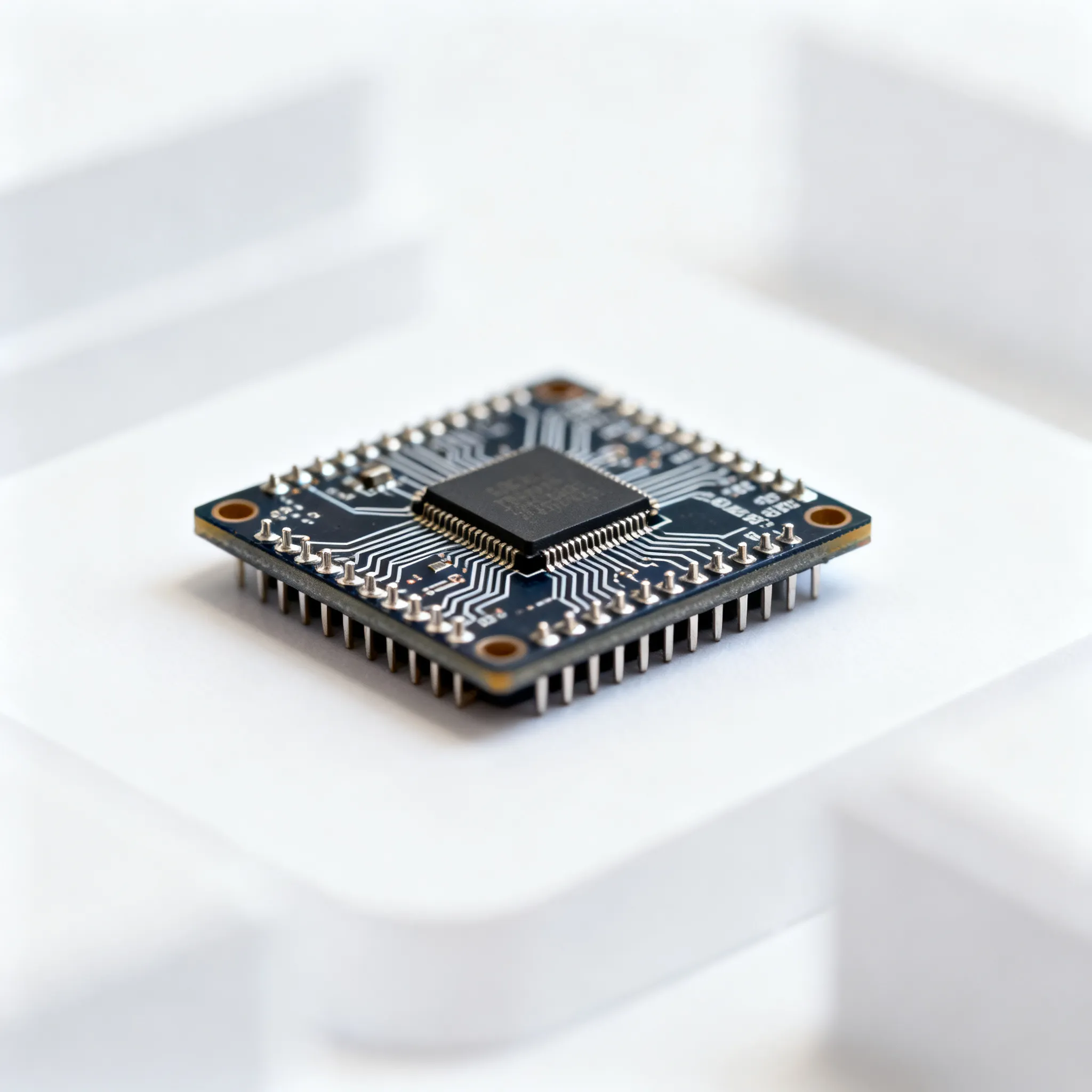
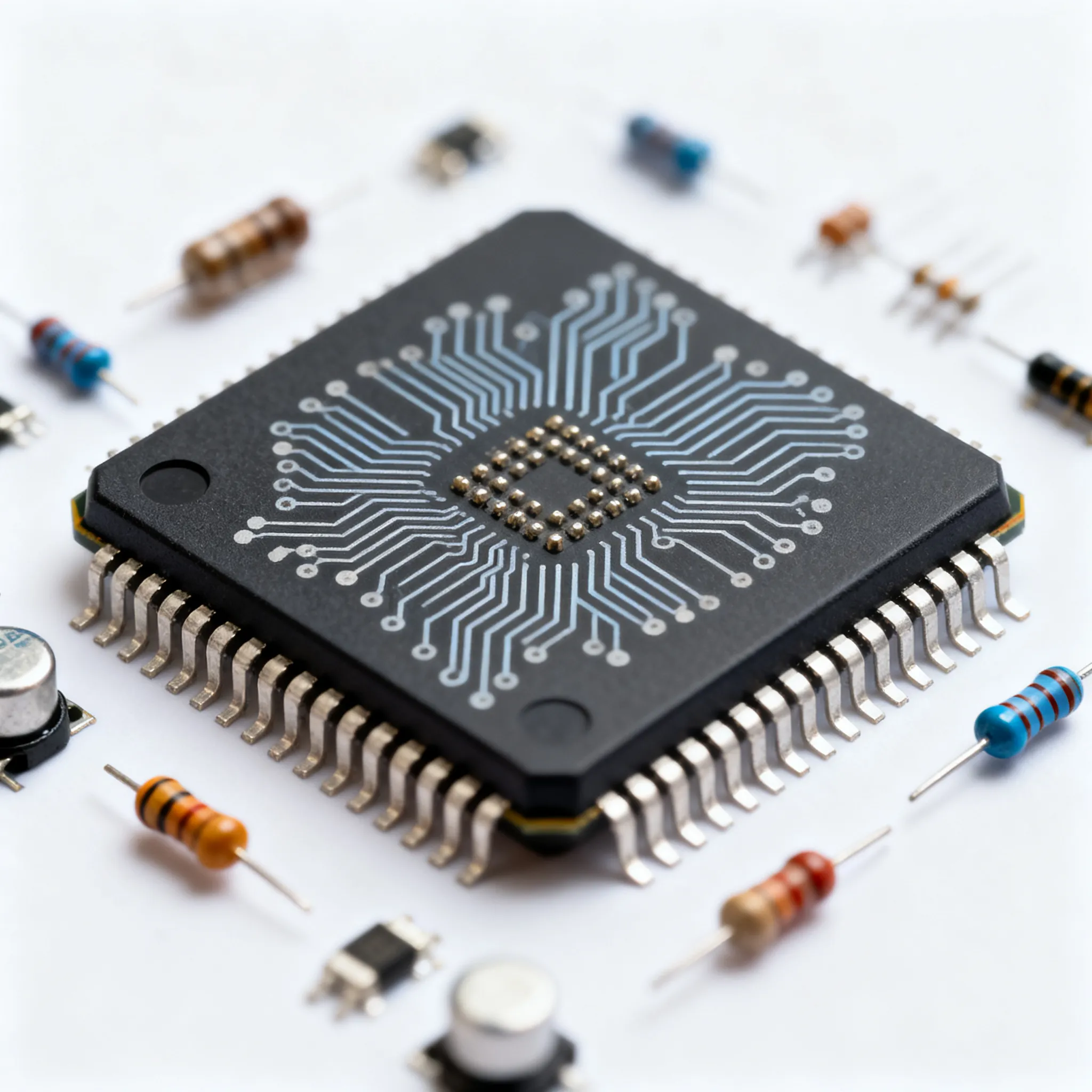
| Package Type | LQFP | Low-profile quad flat package | |
| Package Size | 64 | Pins | Compact design |
| Thermal Resistance | 20 | °C/W | Efficient heat dissipation |
| Weight | 0.5 | g | Lightweight |
| Soldering Temperature | 260 | °C | Withstands reflow soldering |
| Moisture Sensitivity Level | 3 | Requires dry storage |
| Application | Microcontroller | Features | Notes |
|---|---|---|---|
| Home Automation | ATmega4809 | Low power, extensive I/O | Ideal for smart home devices |
| Industrial Control | STM32F407 | High performance, robust | Suitable for harsh environments |
| Wearable Devices | MSP430FR2433 | Ultra-low power, compact | Optimized for battery-operated gadgets |
| Automotive | XC2336B | Extended temperature range | Designed for automotive standards |
| IoT Applications | ESP32-WROOM-32 | Wi-Fi, Bluetooth connectivity | Perfect for connected devices |
Design Considerations
When designing a system with microcontrollers, several factors must be considered to ensure optimal performance. First and foremost, the selection of the microcontroller should be based on the specific requirements of the application. This includes evaluating the processing power, memory, and peripherals needed for the task. For instance, an application requiring complex calculations would benefit from a microcontroller with a higher CPU speed and more RAM.
Power consumption is another critical factor, especially for battery-powered devices. Choosing a microcontroller with low power modes can significantly extend the battery life of portable devices. Additionally, the operating voltage range should align with the power supply available in the system to avoid the need for additional voltage regulation components.
Thermal management is essential to prevent overheating and ensure the longevity of the microcontroller. The thermal resistance and operating temperature range should be assessed to determine if additional cooling mechanisms, such as heat sinks or fans, are necessary.
The choice of package type and size can also impact the overall design, particularly in space-constrained applications. Surface-mount packages like LQFP or QFN offer a compact footprint, while through-hole packages may be easier to work with for prototyping.
Lastly, ensure the microcontroller is compatible with the development tools and programming languages you plan to use. This can streamline the development process and reduce time to market.
Step-by-Step Guide
Designing a microcontroller-based application involves several key steps:
- Define the Application Requirements: Start by specifying the functional requirements of your application, including processing needs, memory size, and I/O interfaces.
- Select the Appropriate Microcontroller: Use the requirements to choose a microcontroller that meets the necessary specifications. Consider factors like power consumption, cost, and available development tools.
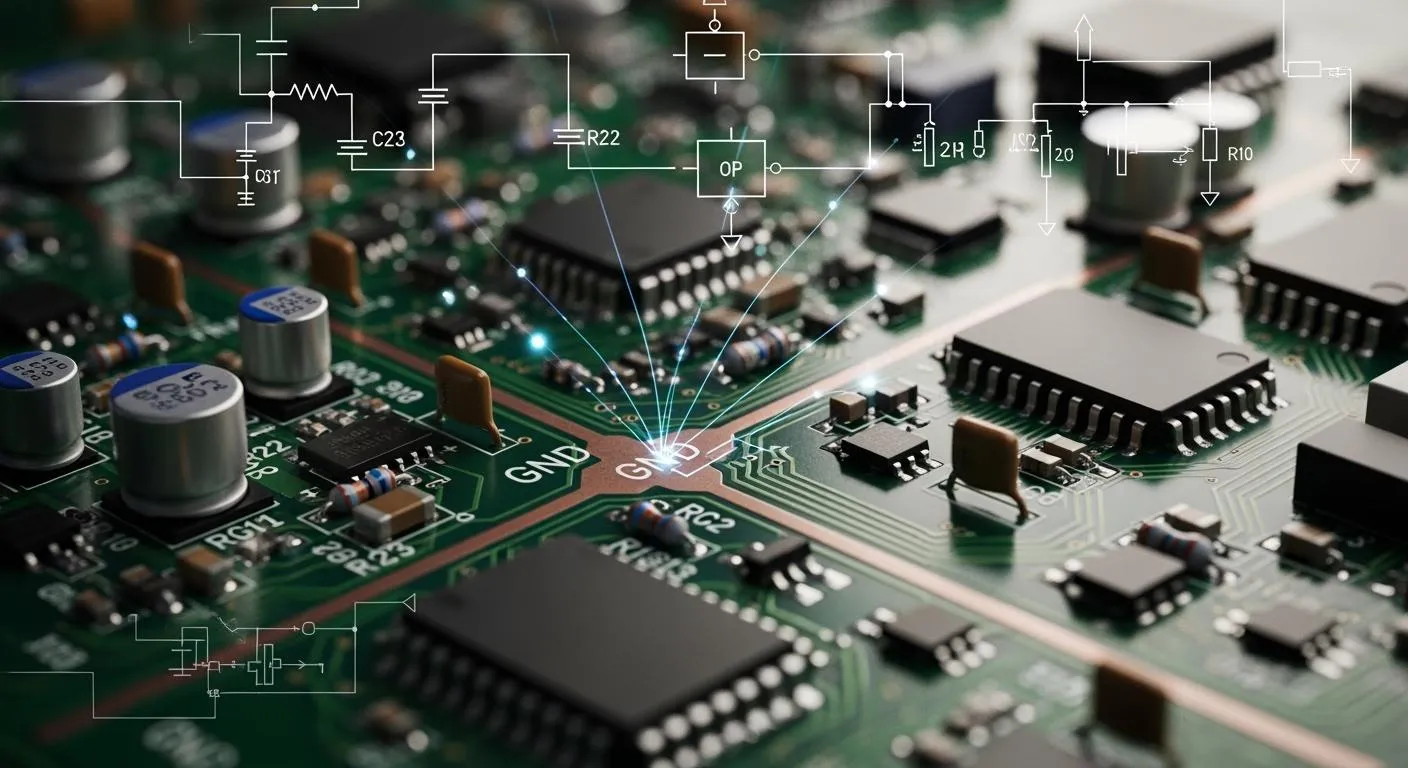
- Design the Circuit: Create a schematic diagram for your application. This should include the microcontroller, power supply, and any additional components like sensors or actuators.
- Develop the Firmware: Write the software that will run on the microcontroller. This involves programming the microcontroller to perform the desired functions and respond to inputs.
- Prototype the Design: Assemble a prototype of your circuit, either on a breadboard or a printed circuit board (PCB). This allows you to test the design and make any necessary adjustments.
- Test and Debug: Thoroughly test the prototype to ensure it functions as expected. Debug any issues that arise, adjusting both hardware and software as needed.
- Finalize the Design: Once testing is complete, finalize the design for production. This may involve creating a final PCB layout and optimizing the firmware for efficiency.
- Prepare for Production: Source components and prepare for manufacturing. Ensure all documentation is complete and ready for handoff to production teams.
Common Issues & Solutions
Designing with microcontrollers can present several challenges. Here are some common issues and their solutions:
- Power Supply Instability: Ensure that the power supply is stable and within the microcontroller's operating range. Consider adding decoupling capacitors to filter out noise.
- Overheating: If the microcontroller runs hot, check the thermal management. Add heat sinks or improve airflow around the device.
- Insufficient Memory: If running out of memory, optimize the code to reduce size or choose a microcontroller with larger memory capacity.
- Communication Errors: Verify that communication protocols (e.g., UART, SPI, I2C) are correctly configured and that connections are secure.
- Programming Issues: Ensure that the correct programming tools and settings are used. Double-check connections and try reprogramming if issues persist.
- Interference and Noise: Use proper grounding techniques and shielding to minimize electromagnetic interference.
Applications & Use Cases
Microcontrollers are used in a wide range of applications. In home automation, they control lighting, HVAC systems, and security devices. In industrial settings, microcontrollers manage machinery, process control, and data acquisition. Wearable devices, such as fitness trackers, rely on microcontrollers for data processing and connectivity. Automotive applications include engine control units and infotainment systems. In the realm of IoT, microcontrollers enable smart, connected devices that communicate over networks.
Selection & Sourcing Guide
When selecting and sourcing microcontrollers, consider using reputable distributors like IC Online. They offer a wide range of components with competitive pricing and fast delivery. Ensure that the components you choose are genuine and sourced from authorized distributors to avoid counterfeit parts that could compromise your design.
FAQ
- What is a microcontroller? A microcontroller is a compact integrated circuit designed to govern a specific operation in an embedded system.
- How do I choose the right microcontroller? Consider the application's requirements, including processing power, memory, and I/O needs, along with power consumption and cost.
- What is the difference between a microcontroller and a microprocessor? A microcontroller includes a CPU, memory, and I/O peripherals on a single chip, while a microprocessor is primarily a CPU and requires external components for memory and I/O.
- Can microcontrollers be used in high-temperature environments? Yes, many microcontrollers are designed to operate in extended temperature ranges, making them suitable for industrial and automotive applications.
- What programming languages are used for microcontrollers? Common languages include C, C++, and assembly language, with some microcontrollers supporting higher-level languages like Python.
- How do I debug a microcontroller application? Use debugging tools like in-circuit emulators or software debuggers to step through code and identify issues.
- What is the role of EEPROM in a microcontroller? EEPROM provides non-volatile memory for storing data that must be retained even when the power is off.
- How can I reduce power consumption in my design? Utilize low-power modes, optimize code for efficiency, and select components with low power requirements.
- What is an ADC in a microcontroller? An ADC (Analog-to-Digital Converter) converts analog signals to digital data for processing by the microcontroller.
- Are there microcontrollers with wireless connectivity? Yes, many microcontrollers include built-in wireless interfaces like Wi-Fi or Bluetooth for IoT applications.
Conclusion
Microcontrollers are essential components in modern electronics, offering versatility and efficiency across a wide range of applications. By understanding their specifications, thermal and mechanical properties, and application circuits, engineers can design optimized systems that meet the demands of today's technology. With proper selection and sourcing, microcontrollers can drive innovation and enhance the functionality of electronic devices.