Navigating the Selection of High-Performance Battery Management ICs: A Focus on BQ25120 and LTC6804
Expert guide on Navigating the Selection of High-Performance Battery Management ICs: A Focus on BQ25120 and LTC6804. Technical specs, applications, sourcing tips for engineers and buyers.
Introduction
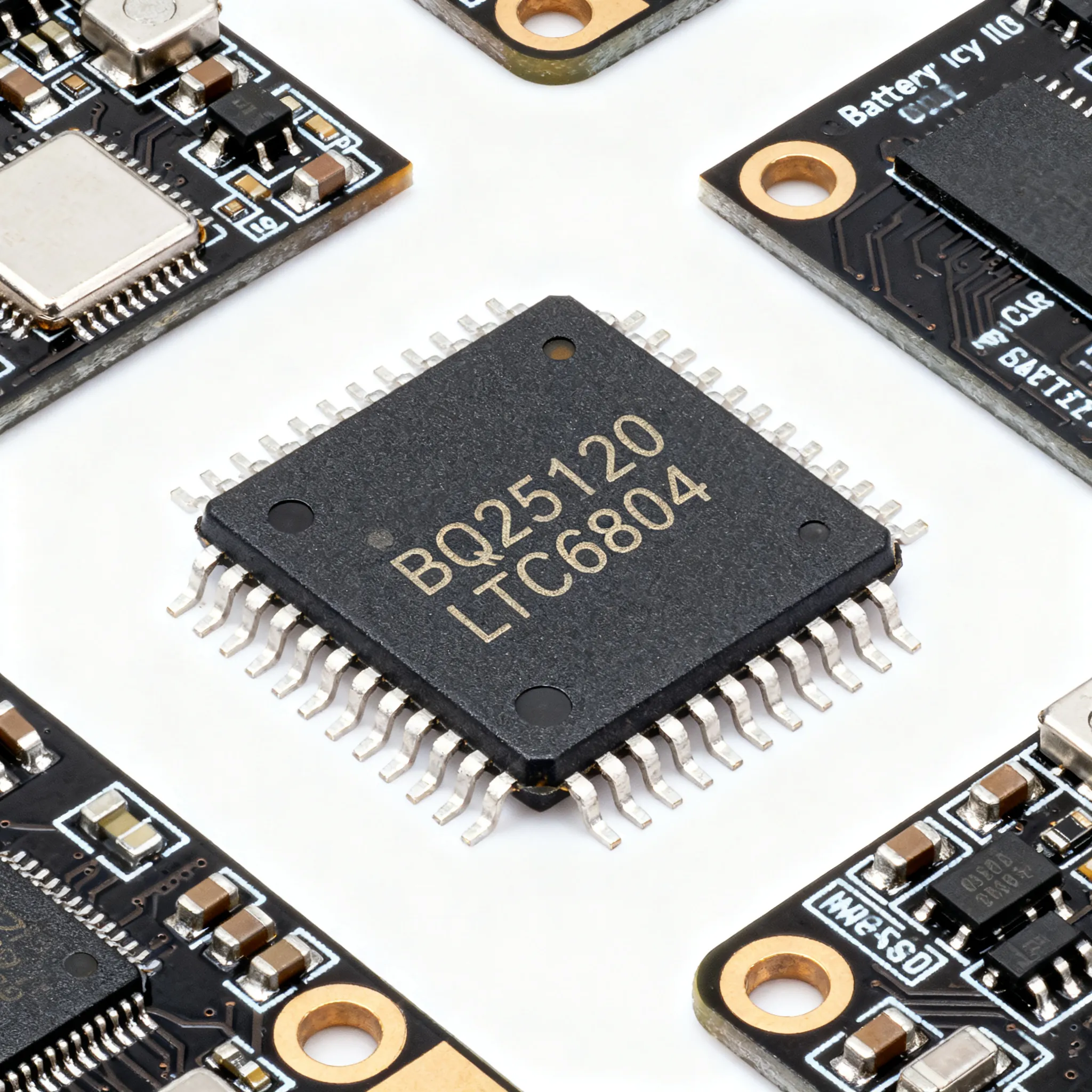
In the rapidly evolving world of electronics, selecting the right components is crucial for the success of any project. High-performance battery management ICs are integral to the efficiency and longevity of battery-powered devices. As the market shifts towards more portable and power-efficient devices, engineers need to make informed decisions about the ICs they choose. This article focuses on two popular battery management ICs, the BQ25120 and LTC6804, providing a comprehensive guide to their specifications, applications, and design considerations.
Technical Overview
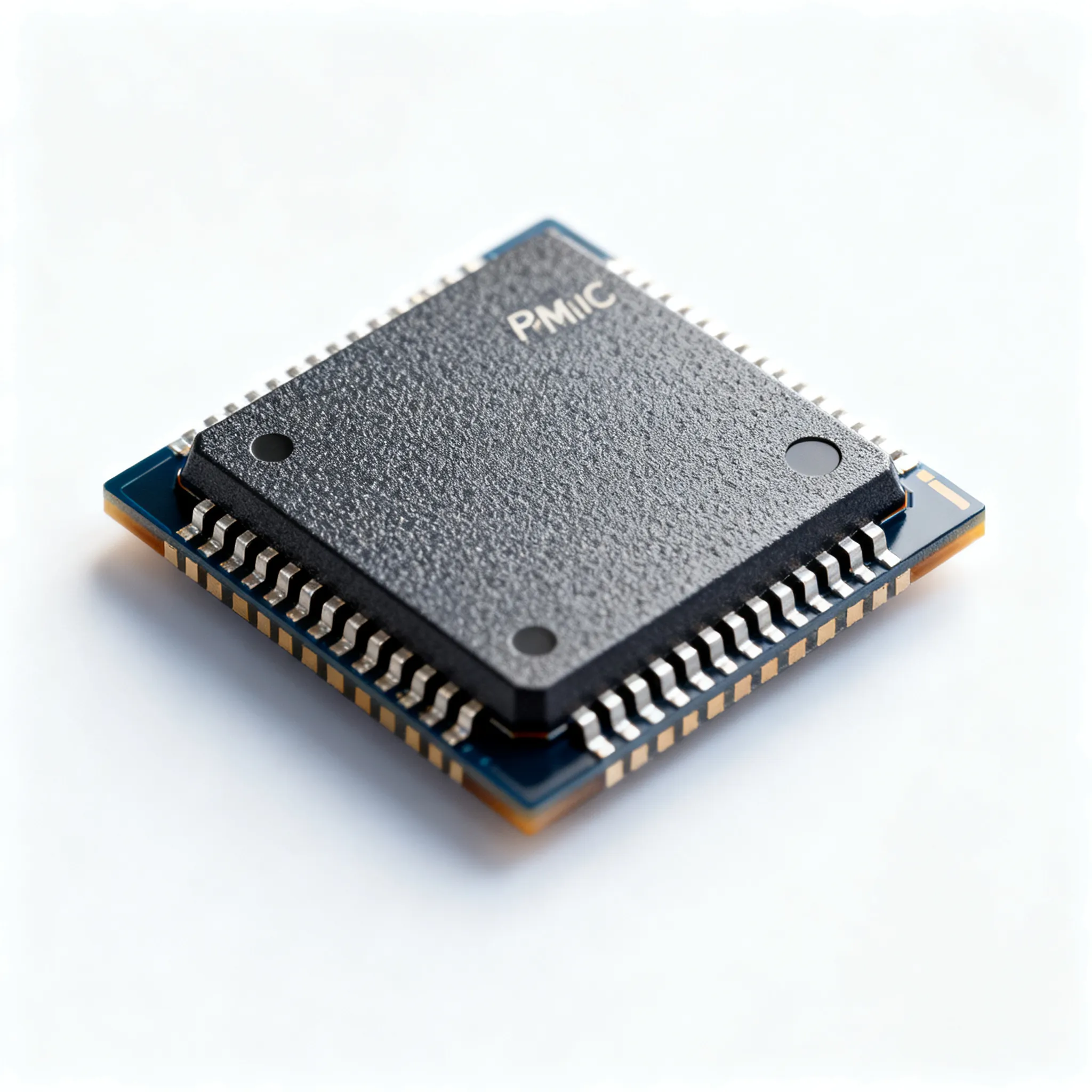
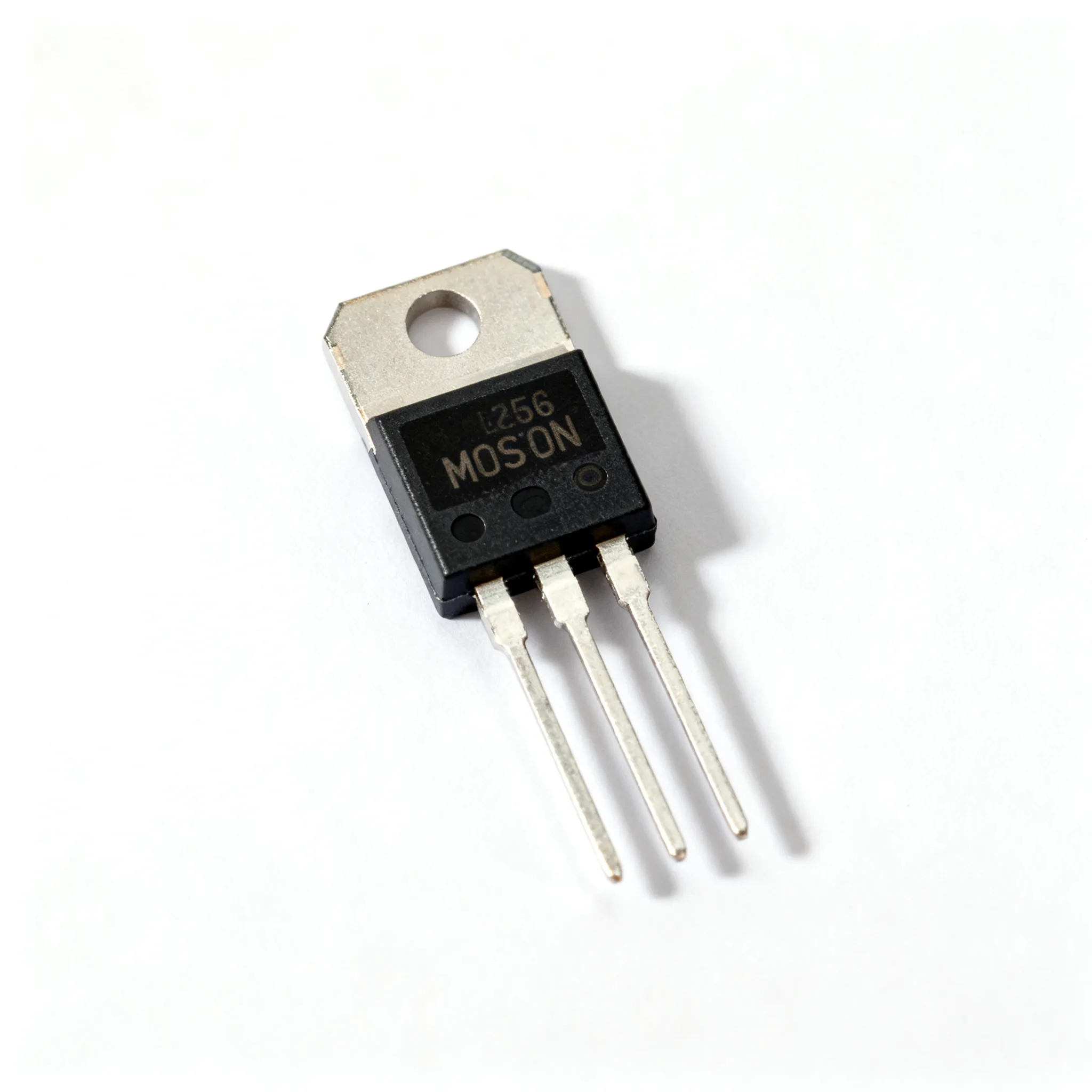
Battery management ICs play a critical role in maintaining the health and efficiency of rechargeable batteries. These ICs are designed to monitor battery voltage, current, and temperature, ensuring safe and optimal charging and discharging cycles. The BQ25120 is a highly integrated battery management solution from Texas Instruments, featuring a low quiescent current and a wide input voltage range, making it suitable for wearables and IoT devices. On the other hand, the LTC6804 by Analog Devices is known for its accuracy and scalability, ideal for applications requiring precise battery monitoring, such as electric vehicles and energy storage systems.
Detailed Specifications
Table 1: Electrical Specifications
| Specification | BQ25120 | LTC6804 | Units | Notes |
|---|---|---|---|---|
| Input Voltage Range | 2.7 to 5.5 | 0 to 75 | V | Wide range for diverse applications |
| Output Voltage | 0.8 to 5.5 | N/A | V | Adjustable output voltage |
| Quiescent Current | 700 | 12 | µA | Low power consumption |
| Battery Cell Count | 1 | Up to 12 | cells | Supports multiple cells |
| Charge Current | 5 to 300 | N/A | mA | Programmable charge current |
| Operating Temperature | -40 to 125 | -40 to 125 | °C | Wide temperature range |
| Communication Interface | I2C | SPI | - | Standard communication protocols |
| ADC Resolution | 10 | 16 | bits | Higher resolution for better accuracy |
| Protection Features | OVP, UVP, SCP | OVP, UVP, SCP, OTP | - | Comprehensive protection mechanisms |
Table 2: Thermal & Mechanical Specs
| Specification | BQ25120 | LTC6804 | Units | Notes |
|---|---|---|---|---|
| Package Type | DSBGA | SSOP | - | Compact package options |
| Package Size | 2.0 x 1.6 | 7.8 x 10.3 | mm | Small footprint for compact designs |
| Thermal Resistance (θJA) | 90 | 40 | °C/W | Lower value indicates better thermal performance |
| Maximum Junction Temperature | 150 | 150 | °C | Ensures reliability at high temperatures |
| Weight | 0.005 | 0.1 | g | Lightweight for portable applications |
| Pin Count | 12 | 48 | pins | Higher pin count for more functionality |
| Mounting Style | Surface Mount | Through Hole | - | Varied mounting options |
Table 3: Application Comparison
| Application | BQ25120 | LTC6804 | Notes |
|---|---|---|---|
| Wearables | Yes | No | Low power consumption ideal for wearables |
| IoT Devices | Yes | No | Compact and efficient for IoT applications |
| Electric Vehicles | No | Yes | Scalable for large battery packs |
| Energy Storage Systems | No | Yes | High accuracy for energy systems |
| Consumer Electronics | Yes | No | Versatile for various consumer applications |
Design Considerations
When integrating battery management ICs into your design, several factors must be considered to ensure optimal performance and reliability. First, the power requirements of your application will dictate the choice of IC. For low-power applications like wearables, the BQ25120 is ideal due to its low quiescent current and compact size. However, for applications requiring precise monitoring of multiple cells, such as electric vehicles, the LTC6804 is more suitable due to its high resolution and scalability.
Thermal management is another crucial aspect. The thermal resistance and maximum junction temperature specifications should be carefully evaluated to prevent overheating and ensure the longevity of the IC. Additionally, the package type and size can significantly impact the overall design, especially in space-constrained applications. Surface mount packages like those of the BQ25120 offer a smaller footprint, making them ideal for compact devices.
Furthermore, communication protocols play a vital role in system integration. The BQ25120 utilizes I2C, which is suitable for applications requiring simple and low-speed communication, whereas the LTC6804 employs SPI, offering higher data transfer rates and robustness for more complex systems.
Step-by-Step Guide
- Define Application Requirements: Determine the power and monitoring needs of your application. Consider the number of battery cells, required accuracy, and communication protocol.
- Select the Appropriate IC: Based on your requirements, choose between the BQ25120 for low-power, single-cell applications or the LTC6804 for high-precision, multi-cell applications.
- Review the Datasheet: Thoroughly read the datasheet of the selected IC to understand its specifications, features, and limitations. Pay attention to electrical, thermal, and mechanical specifications.
- Design the Circuit: Utilize the application circuits provided in the datasheet as a starting point. Ensure proper connections for power, communication, and protection features.
- Prototype and Test: Build a prototype of your circuit and conduct comprehensive testing. Verify that the IC performs as expected under various conditions, including temperature and load variations.
- Optimize for Production: Refine your design based on test results. Consider factors like cost, manufacturability, and reliability in the final design.
- Documentation and Compliance: Document your design thoroughly, including schematics, BOM, and test results. Ensure compliance with relevant standards and regulations.
- Production and Quality Control: Move to production with a reliable manufacturing partner. Implement quality control measures to maintain consistency and reliability in your product.
Common Issues & Solutions
- Overheating: Ensure adequate thermal management by using heat sinks or thermal pads, and verify that the IC is operating within its specified temperature range.
- Communication Errors: Check the integrity of the communication lines and ensure proper termination and shielding to prevent noise interference.
- Incorrect Voltage Levels: Verify that the input voltage is within the specified range and that the output voltage settings are correctly configured.
- Battery Overcharging/Undercharging: Ensure that the charge and discharge parameters are properly set and that protection features like OVP and UVP are enabled.
- Component Compatibility: Ensure that all components in the circuit are compatible with each other in terms of voltage, current, and communication protocols.
Applications & Use Cases
The BQ25120 is widely used in wearable devices and IoT applications due to its low power consumption and compact size, making it ideal for devices like fitness trackers and smartwatches. Its efficient power management capabilities extend the battery life of these portable devices.
In contrast, the LTC6804 finds its applications in electric vehicles and energy storage systems, where precise monitoring and scalability are crucial. Its ability to handle multiple cells with high accuracy makes it a preferred choice for large battery packs and energy management systems.
Selection & Sourcing Guide
When selecting a battery management IC, consider the specific requirements of your application, including power, size, and communication needs. For sourcing, IC Online offers a wide range of components, including the BQ25120 and LTC6804, with competitive pricing and fast delivery options.
FAQ
- What is the main difference between the BQ25120 and LTC6804? The BQ25120 is designed for low-power applications, while the LTC6804 is suited for high-precision, multi-cell monitoring.
- Can the LTC6804 be used for single-cell applications? While possible, it is not optimized for single-cell applications due to its complexity and cost.
- How do I choose between I2C and SPI communication? Choose I2C for simpler, low-speed applications and SPI for high-speed, robust data transfer needs.
- What protection features are essential in a battery management IC? Overvoltage, undervoltage, short circuit, and overtemperature protection are crucial for safe operation.
- How do I manage thermal dissipation in compact designs? Use thermal pads, heat sinks, and ensure proper airflow to manage heat effectively.
- Is it necessary to use the same manufacturer's components? While not necessary, using components from the same manufacturer can ensure compatibility and simplify design.
- What factors affect the lifecycle of a battery management IC? Operating conditions, thermal management, and adherence to specified limits affect the IC's lifecycle.
- Can I modify the application circuits provided in the datasheet? Yes, but ensure that modifications do not exceed the IC's specifications and test thoroughly.
- How do I ensure compliance with industry standards? Follow the guidelines in the datasheet, consult relevant standards, and conduct necessary certifications.
- Where can I find more information on battery management ICs? Refer to resources like EE Times and manufacturer datasheets for in-depth technical articles and updates.
Conclusion
Selecting the right battery management IC is crucial for the performance and reliability of battery-powered devices. By understanding the specifications and applications of the BQ25120 and LTC6804, engineers can make informed decisions that cater to their specific design requirements. Whether for wearables, IoT devices, or electric vehicles, these ICs offer a range of features to enhance power management and extend battery life.