Actuation Def Explained with Key Points for 2026
Actuation def means converting energy into motion in electronics. See key points, actuator types, and trends shaping automation and robotics for 2026.
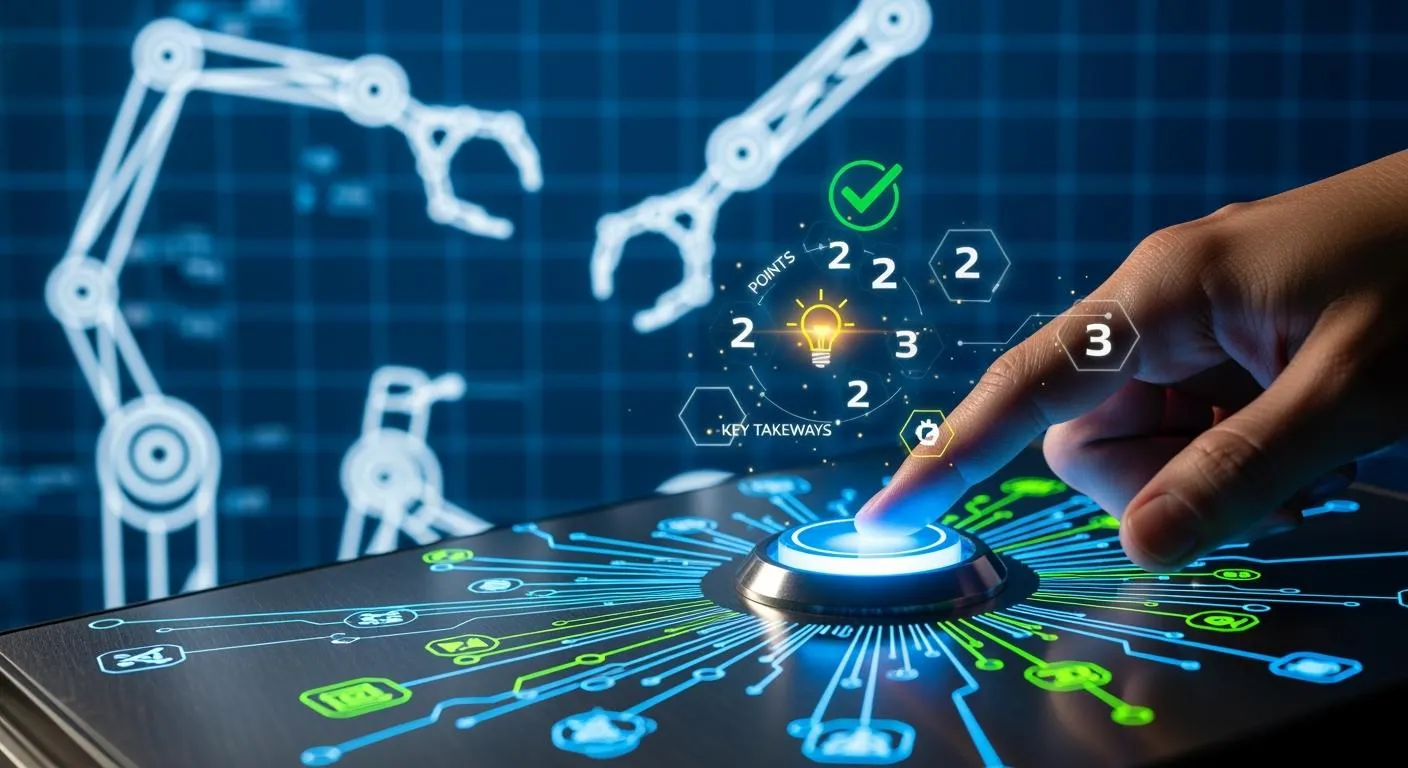
You can think of actuation def as the process that lets machines move, much like how muscles work in your body. The table below shows how muscles and mechanical actuators compare:
| Aspect | Muscles | Mechanical Actuators |
|---|---|---|
| Function | Generate force through contraction | Generate force through electrical activation |
| Interaction | Act on skeletal bones via tendons | Act on mechanical systems via connections |
| Control Mechanism | Controlled by the nervous system | Controlled by electrical signals |
| Resultant Motion | Produces motion along levers (bones) | Produces motion in mechanical components |
| System Dynamics | Interdependent with joints and levers | Interdependent with mechanical structures |
Actuation helps you achieve precise control in robotics and automation. Market experts predict that the sector will reach $37.91 billion in 2026, with demand for efficient electric actuators and compact robotic platforms driving growth.
Key Takeaways
- Actuation def is crucial for enabling machines to move, similar to how muscles work in the human body. Understanding this concept helps in grasping the mechanics of robotics and automation.
- Electric actuators are preferred for their precision and efficiency. They convert electrical energy into motion, making them ideal for modern applications in robotics and automation.
- Selecting the right actuator involves evaluating application needs, energy sources, and integration requirements. This ensures optimal performance and reliability in automated systems.
Actuation Def and Its Importance
Actuation Def in Electronics
You can understand actuation def as the process that allows electronic systems to move and perform tasks. This process works much like your muscles, but instead of fibers and tendons, you find devices such as electric motors, pneumatic systems, and hydraulic mechanisms. These devices convert energy into motion, which is essential for making machines work in the real world.
In electronics, actuation def plays several important roles. You see actuators in everything from simple switches to advanced robotic arms. They enable controlled movement, energy conversion, and response to control signals. The table below highlights these main functions:
| Function/Characteristic | Description |
|---|---|
| Controlled Movement | Actuators enable precise control of movement or positioning in response to control signals. |
| Energy Conversion | They transform energy from a source into mechanical motion, which is a key differentiator from other components. |
| Response to Control | Actuators react to various control signals, whether from human operators or automated systems. |
Electric actuators have become the preferred choice in many applications. They offer precise positioning and repeatable motion, which is especially important in automated systems. You benefit from their clean operation and high energy efficiency. Pneumatic actuators use compressed air for fast and reliable movement, while hydraulic actuators handle heavy-duty tasks with pressurized fluid. Each type of actuator serves a unique purpose, but electric actuators stand out for their integration with modern electronics.
Advancements in control interfaces have improved actuator performance. You now see protocols like CAN bus and Modbus in use, which allow for standardized control and real-time monitoring. These improvements help you achieve accurate positioning and reliable operation in applications such as medical equipment and packaging machinery.
Role in Modern Systems
Actuation def forms the backbone of robotics, automation, and smart devices in 2026. You rely on actuators to convert energy into motion, making robots move, machines assemble products, and smart devices interact with their environment. The shift from pneumatic and hydraulic systems to electromechanical solutions reflects the need for energy efficiency and reduced maintenance. This transition supports the growing demand for flexible and efficient manufacturing.
The table below explains why actuation def is foundational for modern systems:
| Evidence | Explanation |
|---|---|
| Transition from pneumatic and hydraulic systems to electromechanical solutions | This shift is driven by the need for energy efficiency and reduced maintenance, which are critical for modern automation. |
| Smart actuators with integrated feedback | These actuators enhance capabilities by enabling precise control and predictive maintenance, essential for Industry 4.0 integration. |
| Electric linear actuators as the backbone of automation | They provide operational benefits that traditional systems cannot match, supporting the demand for flexibility and efficiency in manufacturing. |
You see actuators at work in many applications. In robotics, actuators act as the muscles, enabling smooth and accurate movement. They handle objects, perform tasks, and respond to signals from system controllers. In industrial automation, actuators drive the success of automated systems by providing precision, reliability, and efficiency. They help you achieve smoother and faster processes, from simple adjustments to complex movements.
Smart devices in 2026 depend on actuation def for intelligent motion. The integration of sensing, processing, and communication capabilities transforms actuators into intelligent components. These smart actuators can monitor their own performance, report positions, and adapt to changing conditions. This self-monitoring and adaptive behavior is crucial for the operation of modern smart devices.
Tip: When you select an actuator for your application, consider the type of energy it uses, the level of control required, and how it integrates with your system. Electric actuators often provide the best balance of efficiency, precision, and ease of integration for most modern applications.
Actuator and Types of Actuators

What Is an Actuator
You define actuator as a mechanical device that transforms energy into motion. This device responds to control signals and enables controlled movement in machines and systems. You see actuators as the 'muscles' of mechanical systems. They convert electrical, hydraulic, or pneumatic energy into linear motion or rotary motion. For example, an electric actuator converts electrical energy into physical motion. The internal motor generates motion, which transfers to the load through gears or screws. You use actuators to move valves, gates, and other components with precision. In robotics and automation, actuators execute commands from control systems, providing repeatable and reliable motion.
Actuators play a vital role in automated systems. You rely on them to deliver precision and response to control signals. The main function remains the same across all actuator types: to provide controlled, repeatable motion. You see actuators in applications ranging from industrial machinery to smart devices. They enable linear motion and rotary motion, depending on the application requirements.
Note: You must understand the technical definition of actuator to select the right device for your application. Actuators transform energy into motion, responding to control signals for precise control and reliable operation.
Types of Actuators
You encounter several types of actuators in modern electronics and automation. Each actuator type uses a different energy source and offers unique advantages for specific applications. The main types of actuators include:
- Mechanical or electromechanical actuators
- Hydraulic linear actuators
- Pneumatic actuators
- Electric actuators (including DC, AC, and 12-volt actuators)
- Piezoelectric actuators
You use electric actuators for applications that require precision and reliability. These actuators convert electrical energy into mechanical motion through motors and transmission systems. Hydraulic actuators utilize pressurized fluid to drive pistons, delivering powerful linear motion. Pneumatic actuators depend on compressed air to generate movement, excelling in speed but offering limited positional control. Piezoelectric actuators use piezoelectric materials to produce linear motion or rotary motion with high precision.
The table below compares electric actuators, hydraulic actuators, and pneumatic actuators:
| Actuator Type | Operation Description | Typical Applications |
|---|---|---|
| Electric | Uses electric motors for precise control, operates quietly, and requires no fluid maintenance. | Adjustable furniture, home automation, automotive systems, medical equipment, robotics, agricultural equipment. |
| Hydraulic | Utilizes pressurized hydraulic fluid to generate powerful linear force. | Heavy machinery, construction equipment, aircraft control surfaces, industrial presses. |
| Pneumatic | Employs compressed air to create motion, excels in speed but has limited positional control. | Packaging machinery, material handling, pick-and-place systems, clamping fixtures, automation systems. |
You select actuator types based on the energy source, application requirements, and desired motion. Electric actuators provide precise control and are easy to integrate with advanced electronics. Hydraulic actuators deliver high force for heavy-duty applications. Pneumatic actuators offer fast response and are ideal for automation systems that require quick linear motion.
Piezoelectric actuators stand out for their ability to deliver precision motion control in compact devices. You use them in applications such as medical instruments, semiconductor manufacturing, and robotics. These actuators respond to control signals and provide controlled movement with minimal energy consumption.
Tip: When you choose an actuator, consider the energy source, motion type, and integration needs. Electric actuators often offer the best balance of precision, reliability, and ease of integration for automated systems.
Selection Guide for 2026
You must follow a systematic approach to select the right actuator for your application in 2026. The process involves evaluating application requirements, energy source, and integration needs. You start by defining the motion: determine the distance, direction, and speed required. Next, calculate the force needed, considering load weight, angle, and friction. Choose the stroke length based on how far the actuator must move. Select the voltage that fits your application—12V DC for mobile use or 24V for industrial systems. Consider the duty cycle and frequency of operation. Check mounting options to ensure compatibility with your design. Add feedback sensors for precise control if your application demands it.
The table below summarizes key criteria for actuator selection:
| Criteria | Description |
|---|---|
| Control System Interaction | Understand how the actuator interacts with the control system, including the type of control signal and feedback requirements. |
| Asset Reliability and Criticality | Evaluate the impact of actuator failure on the process, employees, and environment, and ensure compliance with legal requirements and standards. |
| Cost | Consider both initial investment and lifecycle costs, including maintenance and operational expenses. |
| Functional Requirements | Ensure the actuator can perform necessary functions such as moving the valve to the desired position, providing adequate torque, operating at the required speed, and having a failsafe mechanism. |
You must also consider integration requirements for advanced electronic systems. Mechanical integration focuses on modular design principles and standardized mounting interfaces. Power management involves centralized high-voltage power supplies and distributed control modules. Safety integration includes redundant monitoring systems and emergency shutdown procedures. Data integration enables real-time monitoring and predictive maintenance through MES and ERP systems.
Alert: Environmental factors such as temperature, moisture, and vibration impact actuator performance. You must select actuator types that match your application requirements and operating conditions.
You see advancements in actuator technology as of 2026. Companies like Bosch Rexroth, Festo, Siemens, SMC Corporation, Harmonic Drive, and Maxon have introduced smart actuator platforms, Industry 4.0 integration, AI-enhanced pneumatic control units, ultra-compact strain wave gears, and modular actuators for space robotics. These innovations improve precision, reliability, and integration in robotics and automation.
Nova Technology Company (HK) Limited serves as a HiSilicon-designated solutions partner. You benefit from their expertise in chip-level solutions, system integration, and application scenarios within the integrated circuit industry. Nova Technology Company delivers advanced actuator integration for robotics, automation, and smart devices, supporting high-performance IC designs and seamless system connectivity.
Callout: You must define actuator requirements clearly and select actuator types that match your application. Electric actuators, hydraulic actuators, pneumatic actuators, and piezoelectric actuators each offer unique advantages for controlled movement and precision in robotics and automation.
Actuator Applications and Trends

Applications in Electronics
You see actuator applications everywhere in electronics today. These devices help you achieve controlled movement and automation in many fields. Here are some common applications:
- Industrial automation uses actuators for positioning, clamping, sorting, and robotic movement.
- Automotive and marine systems rely on actuators to control hatches, seats, spoilers, and engine covers.
- Home and office automation features actuators in adjustable desks, smart beds, and TV lifts.
- Aerospace and defense use actuators in advanced technologies for flight and safety.
- Healthcare depends on actuators for prosthetic limbs, medical testing devices, and wheelchair lifts.
In smart devices, actuator applications include automated blinds that adjust based on your settings. Smart locks use solenoid actuators to lock and unlock doors, making your home safer and more convenient. In factories, actuators control material handling and machinery, which improves efficiency and safety. Real-time monitoring and built-in safety features, such as overload protection, help prevent accidents and keep workers safe.
Automotive and Robotics Uses
You find actuator applications at the heart of automotive and robotics industries. In car manufacturing, electric actuators control robotic arms for welding and painting. Hydraulic actuators help install heavy parts like windshields and doors. Pneumatic actuators move parts quickly between production stages. Precision actuators position sensors and cameras for detailed inspections.
Some real-world actuator applications include:
- Linear actuators automate conveyor belts and robotic arms on assembly lines, reducing manual labor and speeding up production.
- Smart actuators in Automated Guided Vehicles (AGVs) allow for efficient goods transportation and enable AGVs to interact with their environment, such as opening hatches using image recognition.
You benefit from these applications because they provide precise control, high speed, and reliable motion. This leads to safer, faster, and more accurate production.
Emerging Trends for 2026
Actuator applications continue to grow as you move toward 2026. The market is expected to reach $77.22 billion, with a compound annual growth rate of 7.9%. You see more smart actuators that offer real-time feedback and predictive maintenance. Integration with IoT allows you to monitor and optimize actuator applications remotely. This trend leads to interconnected systems that improve operational efficiency and adaptability.
Nova Technology Company (HK) Limited stands out as a HiSilicon-designated solutions partner in the integrated circuit industry. You can rely on their expertise in chip-level solutions, system integration, and advanced application scenarios. Their work supports actuator applications in robotics, automation, and smart devices, helping you achieve high-performance and seamless connectivity.
Tip: Stay updated on actuator applications and trends. Smart actuators and IoT integration will shape the future of electronics, automation, and robotics.
You see actuator applications shaping the future of electronics and automation. To select the best actuator applications for your needs, you should:
- Match actuator applications to your system’s requirements.
- Monitor trends in actuator applications, such as smart actuator applications and energy efficiency.
- Explore actuator applications in robotics, medical devices, and industrial automation.
| Resource Title | Description | Link |
|---|---|---|
| Actuator Applications in Automation and Robotics: A Beginner’s Guide | Learn about actuator applications and their role in automation and robotics. | Link |
Stay curious and keep learning about actuator applications to drive innovation in your field.
FAQ
What is actuation def and how does it relate to actuator types?
Actuation def describes how devices turn energy into motion. You see different actuator types, like electric, hydraulic, and pneumatic actuators, each offering unique controlled movement and response to control.
How do you select the right actuator for automation and robotics applications?
You define actuator requirements by checking application requirements, energy source, and desired motion. Electric actuators give precise control. Hydraulic actuators provide power. Pneumatic actuators offer speed.
What are the main actuator applications in electronics and automated systems?
You find actuator applications in robotics, home automation, and industrial machines. Actuators enable precision motion control, linear motion, and rotary motion for automated systems and smart devices.