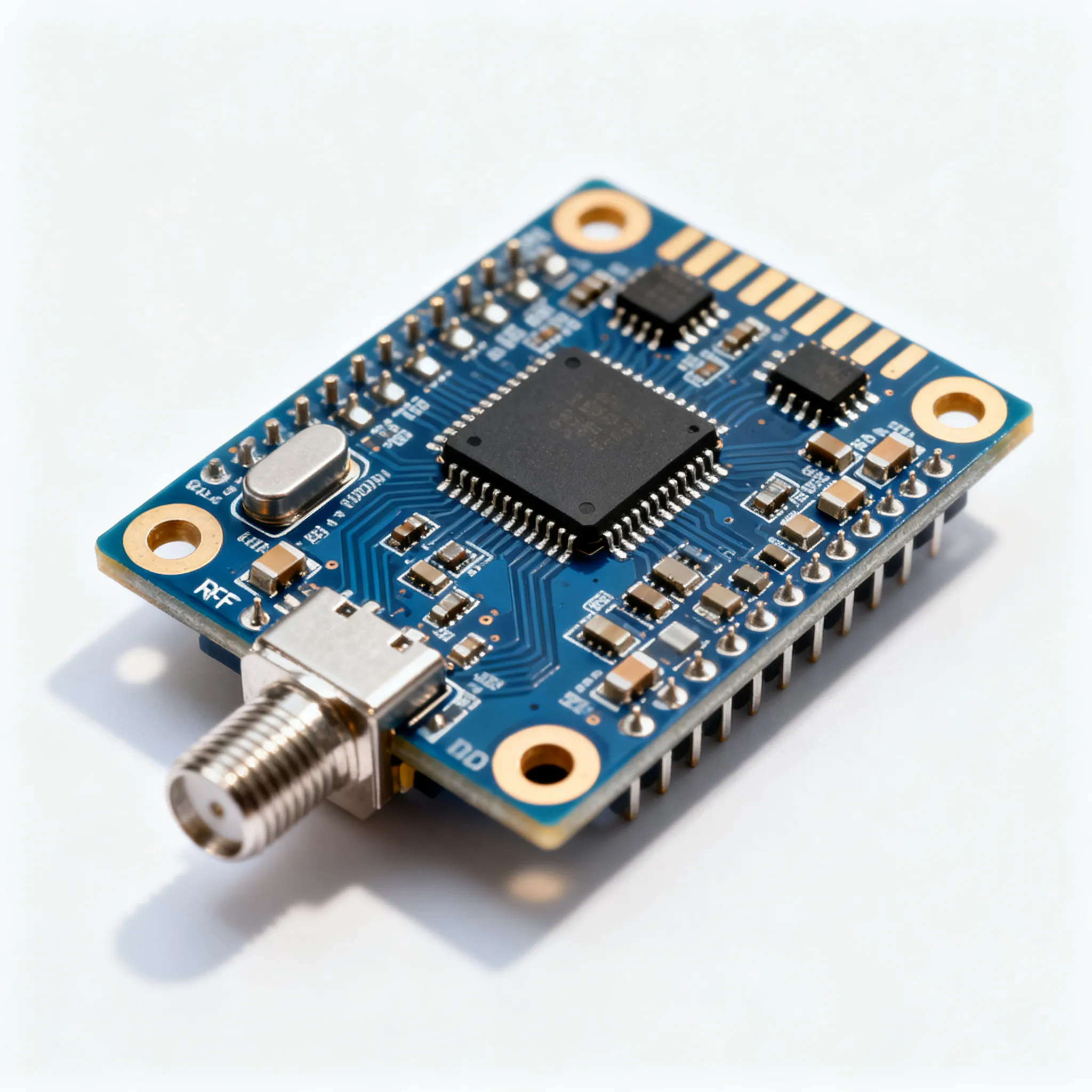
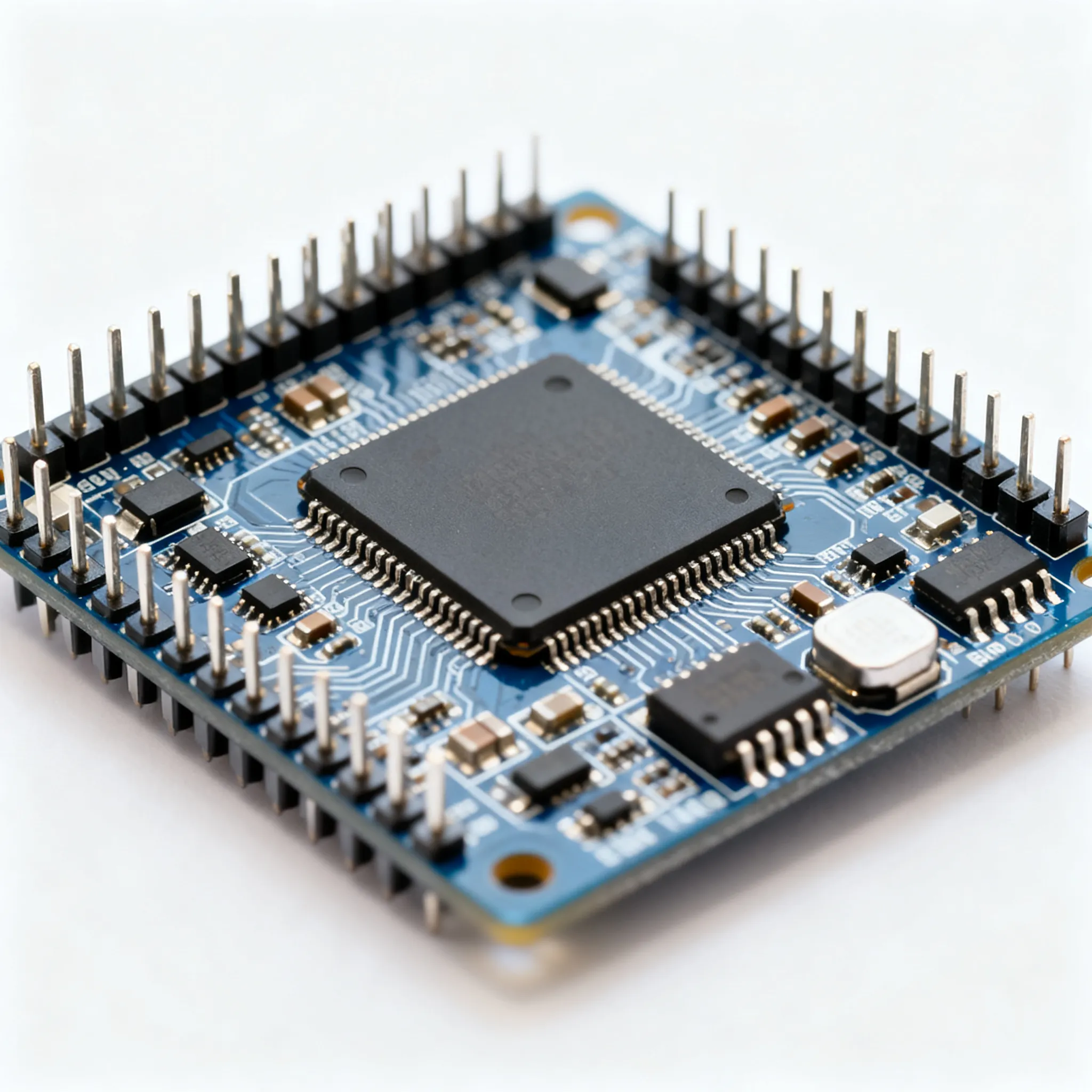
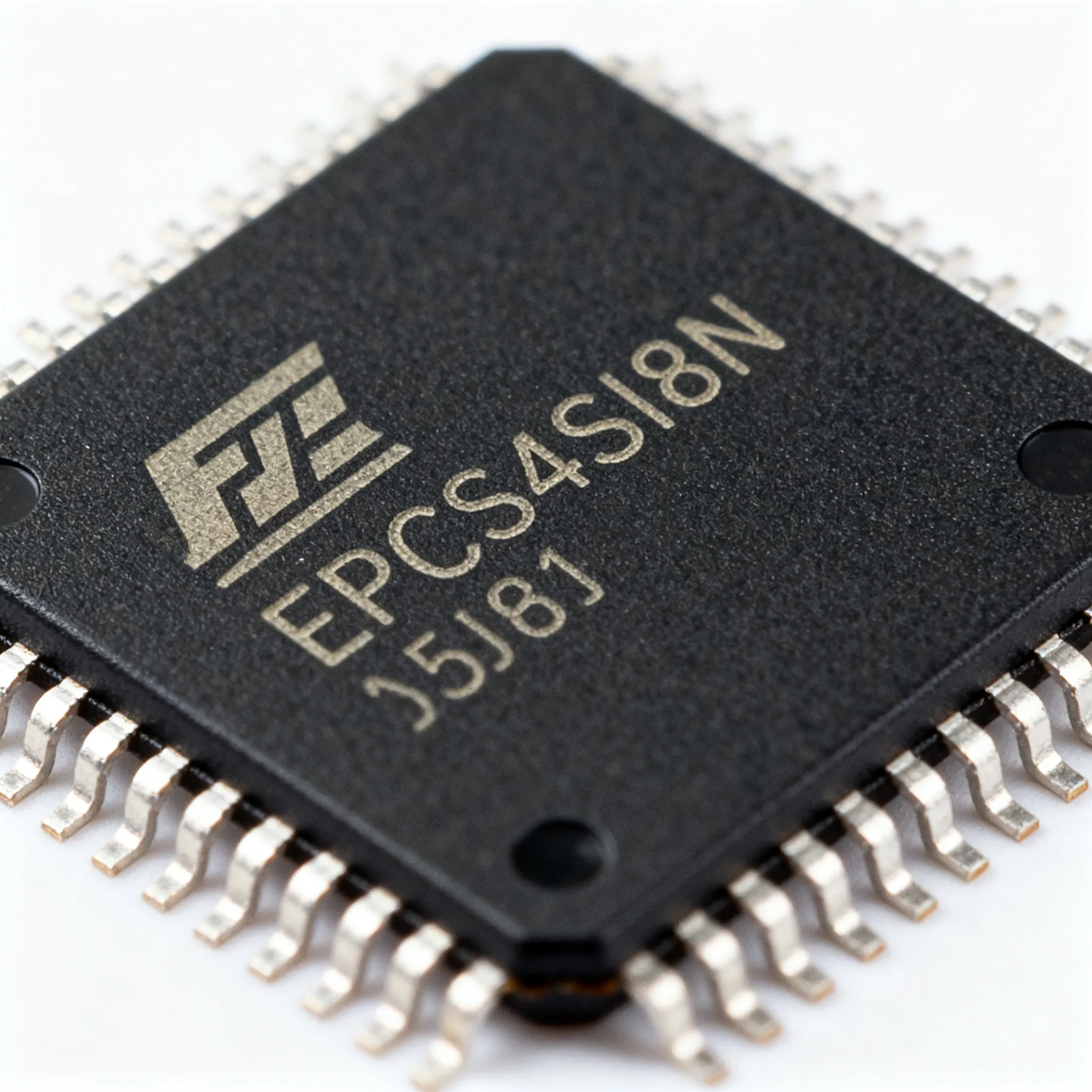
Case Study: Real-World Applications of ADC Chips in Modern Electronics Design
Case Study: Real-World Applications of ADC Chips in Modern Electronics Design Introduction Analog-to-Digital Con
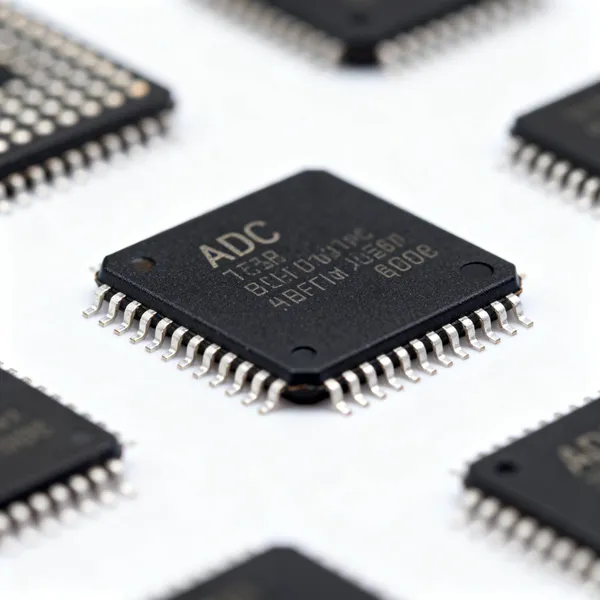
Introduction
Analog-to-Digital Converters (ADCs) are integral components in modern electronics, bridging the gap between the analog world and digital systems. With the rapid growth of IoT devices, autonomous vehicles, and smart home technology, the demand for precise and efficient data conversion is higher than ever. As the semiconductor industry continues to expand, reaching a projected revenue of $595.2 billion by 2026, the role of ADCs becomes increasingly critical in ensuring seamless integration and functionality of electronic systems. This article delves into the specifications, design considerations, and real-world applications of ADC chips, offering a comprehensive understanding for engineers and designers.
Technical Overview
ADCs convert analog signals into digital data, a fundamental process in digital electronics. The core concept involves sampling an analog input at regular intervals and quantizing the samples to the nearest digital value. ADCs are characterized by several key parameters, including resolution, sample rate, and signal-to-noise ratio (SNR). Resolution, measured in bits, determines the precision of the conversion, with higher resolutions providing more accurate representations of the analog signal. The sample rate, measured in samples per second (SPS), defines how quickly the ADC can process input signals, crucial for applications requiring real-time data processing.
ADCs come in various architectures, such as Successive Approximation Register (SAR), Sigma-Delta, and Flash, each suited for different applications. SAR ADCs are known for their speed and precision, making them ideal for industrial and automotive systems. Sigma-Delta ADCs, on the other hand, offer high resolution and are favored in audio and precision measurement applications. Flash ADCs, while faster, are typically used in high-frequency applications like radar and communications.
Detailed Specifications
| Parameter | Specification | Units | Notes |
|---|---|---|---|
| Resolution | 12, 16, 24 | bits | Higher bits offer better precision |
| Sample Rate | 1k, 10k, 1M | SPS | Higher rates for real-time applications |
| Input Voltage Range | 0-5, ±10 | V | Depends on application |
| Power Consumption | 1, 10, 100 | mW | Low power for battery-operated devices |
| SNR | 70, 90, 100 | dB | Higher SNR for clearer signals |
| THD | -80, -100 | dB | Total Harmonic Distortion |
| Interface | I2C, SPI | - | Common digital interfaces |
| Package | SOP, QFN | - | Varies by manufacturer |
| Operating Temperature | -40 to 125 | °C | Industrial grade range |
| Latency | 1, 10 | µs | Important for control applications |
| Parameter | Specification | Units | Notes |
|---|---|---|---|
| Package Type | SOP, QFN | - | Surface Mount Package |
| Dimensions | 5x5, 7x7 | mm | Size of the package |
| Weight | 0.1, 0.2 | g | Lightweight for portable devices |
| Thermal Resistance | 30, 50 | °C/W | Lower values for better heat dissipation |
| Maximum Junction Temperature | 150 | °C | Critical for reliability |
| Storage Temperature | -65 to 150 | °C | Safe storage conditions |
| Pin Count | 8, 16, 32 | - | Varies with functionality |
| Mounting Style | SMT | - | Surface Mount Technology |
| Lead Finish | NiPdAu | - | Environmental compliance |
| Application | ADC Type | Specifications | Notes |
|---|---|---|---|
| Industrial Control | SAR | 16-bit, 1MSPS | High precision and speed |
| Audio Equipment | Sigma-Delta | 24-bit, 192kSPS | High resolution for audio fidelity |
| Automotive | SAR | 12-bit, 500kSPS | Robust and reliable |
| Medical Devices | Sigma-Delta | 24-bit, 1kSPS | Precision for diagnostic purposes |
| Communication Systems | Flash | 8-bit, 1GSPS | Fast conversion rates |
The tables above provide a detailed look at the electrical, thermal, and application-specific specifications of ADC chips. Understanding these parameters is crucial for selecting the right ADC for a given application. The electrical specifications highlight key performance metrics such as resolution and sample rate, which directly impact the ADC's ability to accurately digitize analog signals. Thermal and mechanical specs ensure that the ADC functions reliably under various environmental conditions. Lastly, the application comparison table illustrates how different ADC architectures are optimized for specific use cases, emphasizing the importance of matching ADC capabilities with application requirements.
Design Considerations
Designing with ADCs requires careful attention to several factors to ensure optimal performance. First, the resolution and sample rate must align with the application's precision and speed requirements. For instance, high-resolution ADCs are essential in medical devices for accurate diagnostic readings, whereas high sample rates are crucial in communication systems for real-time data processing.
Power consumption is another critical consideration, particularly for battery-operated devices. Selecting low-power ADCs can significantly extend the device's operational life without compromising performance. Additionally, the input voltage range should match the expected signal levels to prevent clipping or distortion.
The selection of the ADC interface, such as I2C or SPI, depends on the system architecture and data transfer requirements. These interfaces offer different speeds and complexities, impacting the overall design and implementation.
Thermal management is vital to maintaining ADC reliability and longevity. Components with low thermal resistance and efficient heat dissipation mechanisms are preferable, especially in high-power applications. Designers should also account for the ADC's operating and storage temperature ranges to ensure consistent performance across various environments.
Finally, mechanical considerations such as package type, mounting style, and pin count can influence the assembly process and the device's form factor. Surface mount packages like SOP and QFN are popular for their compact size and ease of integration into printed circuit boards (PCBs).
Step-by-Step Guide
- Define Application Requirements: Start by specifying the application's precision, speed, and environmental conditions. This will guide the selection of the appropriate ADC architecture and specifications.
- Select ADC Architecture: Choose between SAR, Sigma-Delta, or Flash ADCs based on the application needs. SAR ADCs are ideal for speed, Sigma-Delta for resolution, and Flash for ultra-fast conversions.
- Evaluate Electrical Specifications: Consider resolution, sample rate, input voltage range, and power consumption. Ensure the ADC's capabilities align with the application's requirements.
- Assess Interface Options: Decide on the communication interface, such as I2C or SPI, based on system compatibility and data transfer needs.
- Consider Thermal and Mechanical Factors: Ensure the ADC can operate within the desired temperature range and has suitable thermal management. Check package type and mounting style for compatibility with your design.
- Prototype and Test: Develop a prototype incorporating the selected ADC. Perform tests to validate performance under various conditions, checking for issues like noise, distortion, and thermal stability.
- Optimize Design: Based on testing results, make necessary adjustments to the circuit design, layout, or component selection to achieve the desired performance.
- Finalize and Document: Once the design is optimized, finalize the schematic and PCB layout. Document the design process and specifications for future reference and manufacturing.
Common Issues & Solutions
Designing with ADCs can present challenges. Here are some common issues and their solutions:
- Noise Interference: Use proper grounding and shielding techniques to minimize electromagnetic interference (EMI) and ensure clean signal conversion.
- Signal Distortion: Ensure the input signal is within the ADC's voltage range. Use voltage dividers or amplifiers if necessary to condition the signal.
- Thermal Overload: Implement heat sinks or cooling fans for high-power applications. Choose ADCs with low thermal resistance to enhance heat dissipation.
- Latency Issues: For time-sensitive applications, select ADCs with low latency specifications and optimize the data processing path to reduce delays.
- Inadequate Resolution: If precision is lacking, consider ADCs with higher resolution or incorporate digital signal processing (DSP) techniques to improve accuracy.
- Power Consumption: For battery-operated devices, choose low-power ADCs and implement power-saving modes to extend battery life.
Applications & Use Cases
ADCs are used in a wide range of applications due to their ability to convert analog signals into digital data. In industrial automation, ADCs play a crucial role in monitoring and controlling processes, ensuring precision and efficiency. In the automotive industry, ADCs are used in engine control units (ECUs) to process sensor data for optimal vehicle performance.
In consumer electronics, ADCs are integral to audio equipment, converting analog sound waves into digital signals for processing and playback. In the medical field, ADCs are used in diagnostic equipment, such as ECG and MRI machines, to ensure accurate readings and patient safety.
Communication systems also rely on ADCs to convert high-frequency analog signals into digital data for processing and transmission. This capability is essential for modern wireless communication technologies, including 5G networks.
Selection & Sourcing Guide
Selecting the right ADC involves evaluating application requirements and comparing specifications. Utilize resources like IC Online to search and source ADCs with competitive pricing and fast delivery. Additionally, leverage parametric search tools from distributors like DigiKey to filter components based on specific criteria, ensuring a perfect fit for your design.
FAQ
- What is an ADC? An ADC is a device that converts analog signals into digital data for processing in electronic systems.
- How do I choose the right ADC for my project? Evaluate your application's precision, speed, and environmental requirements, then select an ADC with matching specifications.
- What are the main types of ADC architectures? The main types are SAR, Sigma-Delta, and Flash, each suited for different applications based on speed and precision needs.
- Why is resolution important in ADCs? Resolution determines the ADC's precision in representing analog signals as digital data, affecting accuracy and detail.
- How does sample rate impact ADC performance? Sample rate defines how quickly the ADC can process input signals, crucial for real-time applications.
- What are common interfaces used with ADCs? Common interfaces include I2C and SPI, which facilitate communication between the ADC and other system components.
- How can I minimize noise in ADC circuits? Use proper grounding, shielding, and filtering techniques to reduce electromagnetic interference and maintain signal integrity.
- What is the role of thermal management in ADC design? Effective thermal management ensures the ADC operates reliably within its temperature range, preventing overheating and failure.
- Can ADCs be used in battery-powered devices? Yes, selecting low-power ADCs and implementing power-saving strategies can extend the battery life of portable devices.
- Where can I find more information on ADCs? Explore resources such as EE Times, Semiconductor Industry Association, and DigiKey for the latest trends and technical details on ADCs.
Conclusion
ADCs are pivotal in modern electronics, enabling the conversion of analog signals to digital data for various applications. By understanding their specifications, design considerations, and real-world applications, engineers can effectively integrate ADCs into their systems, ensuring optimal performance and functionality. As the electronics industry continues to evolve, the demand for advanced ADC solutions will only increase, underscoring their significance in the digital age.