Clean Map Sensor: The Unsung Hero in Your Car’s Circuit
A clean map sensor ensures accurate engine data, boosts fuel efficiency, and prevents circuit issues, making it vital for your car’s everyday performance.
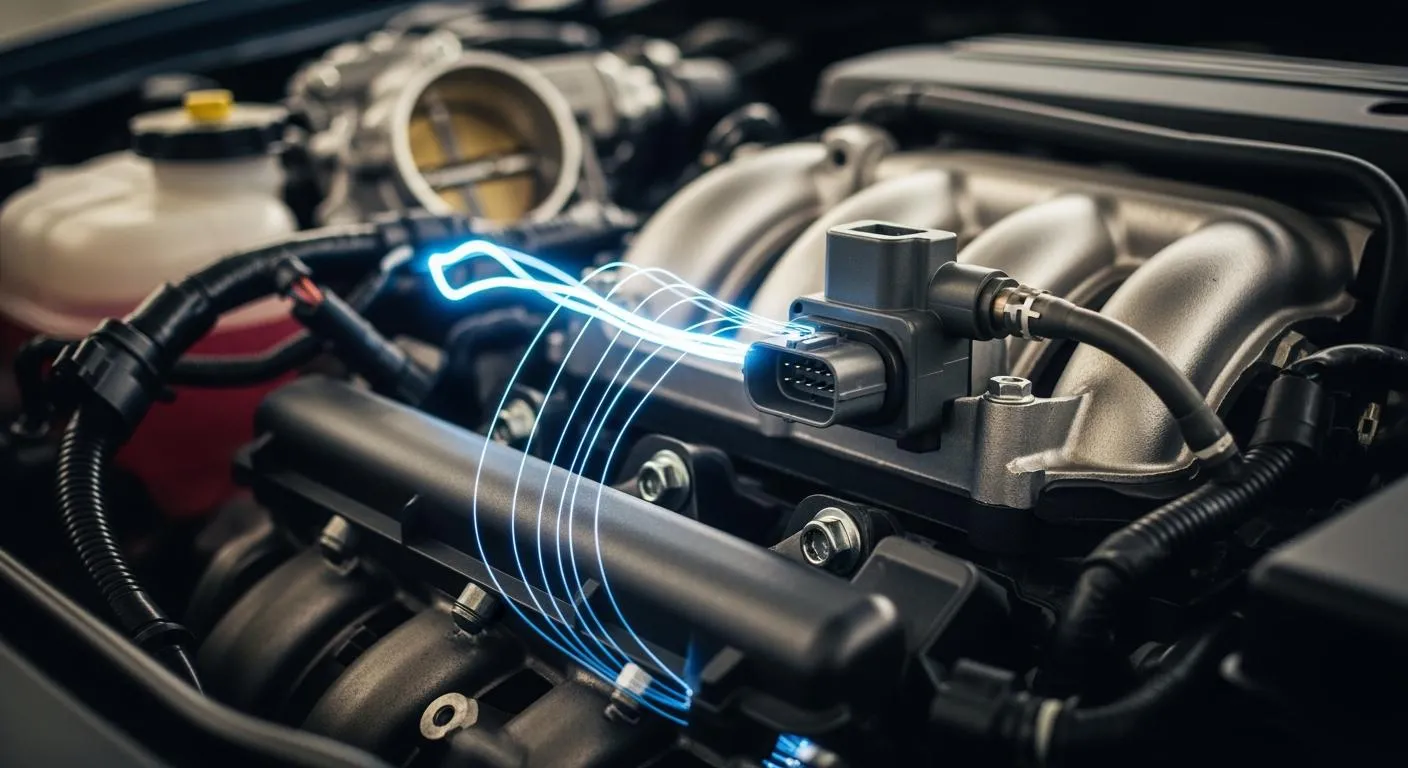
You might wonder how a small sensor can influence your car’s performance. The map sensor sits at the heart of your engine’s circuit. It measures the pressure inside the intake manifold. When you keep a clean map sensor, you help your engine run smoothly. A dirty sensor can cause poor fuel economy, rough idling, and increased emissions. You can easily learn how to maintain this sensor and protect your engine’s health.
Key Takeaways
- A clean MAP sensor improves engine performance, fuel efficiency, and reduces emissions by ensuring accurate air-fuel mixture readings.
- Regular cleaning of the MAP sensor, ideally every other oil change, prevents issues like rough idling, poor fuel economy, and engine hesitation.
- Use a specialized MAP/MAF sensor cleaner to avoid damaging the sensor, and follow a step-by-step cleaning process for safe maintenance.
- Testing the MAP sensor with tools like a multimeter or scan tool helps identify faults early, ensuring smooth engine operation and avoiding costly repairs.
- Maintaining a clean and functional MAP sensor supports reliable vehicle performance, extends sensor lifespan, and helps meet emissions standards.
What Is a MAP Sensor?

MAP Sensor Function in Cars
You rely on the manifold absolute pressure sensor, often called the MAP sensor, every time you start your car. This small device measures the manifold absolute pressure inside your engine. It sends this information to the engine control unit, also known as the ECU. The ECU uses these readings to adjust fuel injection, ignition timing, and the air-fuel mixture. When you drive, the MAP sensor constantly monitors air pressure changes. This helps your engine control module keep the right balance for efficient combustion.
The MAP sensor plays a key role in how your car manages fuel and power. Here’s how it works in the air-fuel mixture regulation process:
- The MAP sensor provides the ECU with data on manifold pressure, which helps determine air density.
- The ECU uses this information to adjust the air-fuel mixture for efficient combustion.
- Accurate MAP sensor readings help balance performance and emissions.
- The sensor monitors air pressure in the intake manifold to optimize fuel delivery.
- It helps determine the best air-fuel ratio, improving engine performance and fuel efficiency.
You can see how important the MAP sensor is for smooth driving and lower emissions. During engine idling, the MAP sensor detects low intake manifold pressure and signals the ECU to adjust fuel delivery and ignition timing. When you turn the ignition key, the MAP sensor reads ambient atmospheric pressure, giving the ECU the data it needs for a proper cold start.
Nova Technology Company (HK) Limited stands out as a HiSilicon-designated solutions partner. The company specializes in chip-level solutions and system integration for automotive and industrial applications. Their expertise in integrated circuit design and application scenarios supports advanced engine management systems like those using MAP sensors.
MAP Sensor in Car Circuit
You find the MAP sensor as a vital part of your car’s electronic circuit. It measures the pressure inside the intake manifold and sends instant data to the ECU. This information allows the engine control module to optimize engine performance by adjusting fuel injection and ignition timing. The MAP sensor’s data helps the ECU calculate air density and the engine’s air mass flow rate. This process ensures your car gets the right amount of fuel for every driving condition.
The MAP sensor also provides data for altitude compensation. This means your engine can adapt to different atmospheric conditions, whether you drive in the mountains or at sea level. You depend on the MAP sensor to keep your engine running efficiently, no matter where you go.
Importance of a Clean MAP Sensor
Engine Performance and Fuel Economy
You depend on the map sensor to keep your engine running at its best. When you maintain a clean map sensor, you help your engine achieve optimal performance. The manifold absolute pressure sensor measures the air pressure inside the intake manifold. Accurate readings allow the engine control unit to adjust fuel delivery and ignition timing. This process improves engine efficiency and prevents poor fuel economy.
A clean map sensor ensures that your engine receives the right air-fuel mixture. You notice smoother acceleration and steady idling. If the sensor becomes dirty, your engine may struggle to maintain engine efficiency. You might experience poor fuel economy, rough idling, or even engine hesitation. Keeping the manifold absolute pressure sensor clean helps you avoid these problems and keeps your engine running smoothly.
Tip: Regularly check your map sensor, especially if you drive in dusty environments or notice changes in performance.
Preventing Circuit Issues
You protect your car’s circuit when you keep the map sensor clean. The sensor sends pressure data to the engine control unit. If dirt builds up, the sensor can give incorrect readings. This leads to faulty air-fuel mixture calculations and poor fuel economy. You may face drivability issues or even engine failure.
Here are some common circuit issues you can prevent by maintaining a clean map sensor:
- Incorrect pressure readings cause engine performance problems.
- Faulty data leads to poor fuel efficiency and engine failure.
- Regular cleaning prevents buildup and keeps measurements accurate.
- Ignoring symptoms can damage the catalytic converter.
You help your engine maintain engine efficiency and avoid costly repairs. The map sensor plays a key role in the intake manifold and circuit. Clean sensors support optimal performance and reliable fuel delivery.
Signs of a Faulty MAP Sensor
Common Symptoms in Performance
You notice several signs of a faulty map sensor when your car starts to act up. The sensor plays a crucial role in your engine’s circuit, so any malfunction can cause noticeable changes. You might see the check engine light turn on. This warning signals that your engine control module has detected unusual readings from the map sensor. You also experience rough idling, where your engine vibrates or makes irregular noises. Poor fuel economy becomes obvious as you visit the gas station more often. You may smell gasoline or see black smoke from the exhaust.
Here is a table showing the most common symptoms of a faulty map sensor and their causes:
| Symptom | Key Indicators | Underlying Cause |
|---|---|---|
| Check Engine Light | Light on dashboard; Diagnostic codes (P0105-P0108) | ECM detects out-of-range map sensor readings |
| Poor Fuel Economy | Increased fuel use; Gasoline smell | Incorrect air-fuel mixture (too rich or too lean) |
| Rough Idling | Unsteady RPM; Vibrations; Irregular noises | ECM miscalculates engine load |
| Stalling or Hesitation | Engine cuts out; Delayed acceleration | Incorrect pressure readings causing misfires |
| Reduced Engine Power | Sluggish acceleration; Loss of power | ECM assumes low engine load, reduces fuel injection |
| Black Smoke from Exhaust | Visible smoke during acceleration | Overly rich air-fuel mixture |
| Failed Emissions Test | High emissions; Catalytic converter risk | Inaccurate mixture control increases harmful gases |
| Increased Engine Heat | Overheating components | Improper combustion from incorrect fuel/timing |
You also notice engine hesitation and jerky acceleration. These symptoms of a faulty map sensor often appear together. Carbon buildup or oil vapor contamination can block the sensor, making it hard for the map sensor to measure pressure accurately.
Tip: If you see the check engine warning or experience rough idling, you should inspect the map sensor for dirt or damage.
Effects on Engine and Circuitry
A faulty map sensor affects your engine and circuit in several ways. You lose power during acceleration, and your car struggles to maintain speed. The engine control module receives incorrect data, so it cannot adjust fuel injection or ignition timing properly. This leads to poor performance and higher emissions.
You risk damaging the catalytic converter if you ignore these issues. Excess exhaust emissions and black smoke signal that your engine is running too rich. Failed emissions tests often result from inaccurate air-fuel mixture control. Increased engine heat can cause long-term damage to engine components.
You protect your car’s circuit and engine by recognizing the signs of a faulty map sensor early. Regular maintenance and cleaning help prevent these problems and keep your vehicle running smoothly.
How to Clean a MAP Sensor

Cleaning Tools and Products
You need the right tools and products to clean a map sensor safely. Specialized MAP/MAF sensor cleaner works best. This product removes dirt and oil without damaging sensitive electronics. Avoid harsh chemicals like carburetor cleaner, brake cleaner, or strong solvents. These can harm the sensor and affect readings.
Choose soft tools for cleaning. Do not use cotton swabs, cloths, or compressed air. These items can damage delicate wires inside the sensor. Always use the spray cleaner as directed. Let the sensor air dry before reinstalling.
Tip: Using the correct cleaner protects your sensor and keeps your circuit working efficiently.
Step-by-Step Cleaning Guide
You can follow these steps to clean a map sensor and restore accurate readings:
- Locate the map sensor. You usually find it on or near the intake manifold.
- Disconnect the electrical connector. Make sure the engine is off and cool.
- Remove the sensor carefully. Use the correct tools to avoid damaging the sensor or surrounding parts.
- Spray the specialized MAP/MAF sensor cleaner onto the sensor. Hold the sensor upright and spray both the sensor tip and housing.
- Allow the sensor to air dry completely. Do not use compressed air or wipe the sensor with cloths or swabs.
- Reinstall the sensor. Attach the electrical connector and secure the sensor in place.
- Start the engine and check for smooth operation.
You avoid common mistakes by following these steps. The table below shows frequent errors and how to prevent them:
| Common Mistakes | How to Avoid Them |
|---|---|
| Using inappropriate cleaners | Avoid carburetor cleaner, brake cleaner, or solvents. |
| Wiping the sensor with cloths or swabs | Do not use cotton swabs or cloths. |
| Using compressed air | Avoid compressed air to prevent damage to delicate wires. |
| Reinstalling before drying | Ensure the sensor is fully dry before reinstalling. |
Note: Cleaning costs less than replacement. You usually pay $50 to $100 for cleaning, while replacement can cost $154 to $184 for parts and labor.
Maintenance Tips
You keep your engine running smoothly by maintaining a clean map sensor. Regular cleaning ensures accurate air pressure readings and helps the engine control unit balance the air-fuel mixture. This leads to better fuel economy and smoother engine operation.
Here are some maintenance tips:
- Clean the map sensor every other oil change. This interval works well for most vehicles.
- Inspect and clean the sensor every 30,000 to 50,000 miles if you drive a diesel engine. Diesel engines with EGR systems accumulate soot faster.
- High-mileage vehicles benefit from more frequent cleaning. Accurate readings improve engine efficiency and power.
- Cleaning the sensor prevents performance issues and saves money. Replacement costs range from $154 to $184, while cleaning averages $50 to $100.
- The sensor part usually costs $80 to $200. Labor for replacement ranges from $100 to $300.
You protect your circuit and engine by making sensor cleaning part of your routine maintenance. A clean map sensor helps your vehicle maintain optimal performance and fuel economy.
Tip: Regular cleaning is especially important for high-mileage vehicles. You keep your engine efficient and avoid costly repairs.
MAP Sensor Testing and Troubleshooting
How to Test a MAP Sensor
You can test a map sensor at home with a few basic tools. Knowing how to test a map sensor helps you spot problems early and keep your engine running well. Start by gathering a scan tool, a multimeter with a pressure gauge adapter, a pressure gauge, and a vacuum gauge. Make sure the map sensor is clean and free from leaks. Calibrate your multimeter to measure voltage accurately.
Follow these steps for a basic map sensor testing procedure:
- Connect the scan tool to your vehicle’s diagnostic port.
- Use the scan tool to read the map sensor data and compare it to your car’s factory specifications.
- Let the engine idle so the sensor output stabilizes.
- Slowly increase the intake manifold pressure and watch the sensor output and vacuum gauge.
- Record the readings at each pressure level and repeat the process to confirm results.
Tip: Always check for leaks or loose connections before testing. This ensures you get accurate results.
If you notice readings outside the normal range, the map sensor may need cleaning or replacement. If you still see issues after cleaning, consider professional help.
MAP Sensor Testing Methods
You have two main ways to test a map sensor: voltage testing and vacuum testing. Each method checks different aspects of the sensor’s performance.
-
Voltage Testing
Use a multimeter to measure the map sensor’s voltage. Connect the multimeter to the output wire and set it to DC voltage. Make sure the engine runs at a steady RPM and the sensor is connected to the ecu. Record the RPM, temperature, and voltage readings. You can also use an oscilloscope to check for electrical noise or signal problems. -
Vacuum Testing
Apply a specific vacuum pressure to the map sensor using a vacuum pump. Watch the map pressure parameter on your scan tool. The value should decrease within a set range. If it does not, you may need to replace the sensor. For voltage testing, connect a digital multimeter to the signal circuit and ground. Slowly apply vacuum and watch the voltage change. The voltage should move smoothly between 4.9 and 0.2 volts. If you see spikes or dropouts, the sensor may be faulty.
| Testing Method | Tools Needed | What to Look For |
|---|---|---|
| Voltage Testing | Multimeter, oscilloscope | Smooth voltage changes, no spikes |
| Vacuum Testing | Vacuum pump, scan tool | Pressure drops within specified range |
If your map sensor still gives incorrect readings after cleaning and testing, you should visit a professional technician. Persistent problems may point to deeper issues in the ecu or engine circuit.
Note: Regular map sensor testing keeps your ecu and engine working together for the best performance and fuel economy.
You rely on the map sensor to keep your car’s circuit working efficiently. Regular cleaning and testing of the map sensor improve engine performance and fuel efficiency. You prevent rough idling, stalling, and excessive emissions by maintaining this sensor. A clean map sensor ensures accurate readings, supports quick throttle response, and extends sensor lifespan. You save money on repairs and help your vehicle meet emissions standards. Make map sensor care part of your routine to enjoy reliable performance and a cleaner environment.
| Environmental Impact | Benefit to You |
|---|---|
| Lower emissions | Better fuel efficiency |
| Accurate diagnostics | Improved engine performance |
FAQ
How often should you clean your MAP sensor?
You should clean your MAP sensor every other oil change. If you drive in dusty areas or own a high-mileage vehicle, check the sensor more frequently. Regular cleaning helps your engine run efficiently.
What happens if you ignore a dirty MAP sensor?
You may notice rough idling, poor fuel economy, or engine hesitation. Ignoring a dirty MAP sensor can lead to circuit issues and costly repairs. Cleaning the sensor prevents these problems and keeps your car running smoothly.
Can you use any cleaner for the MAP sensor?
You need a specialized MAP/MAF sensor cleaner. Avoid harsh chemicals like carburetor or brake cleaner. Using the wrong product can damage the sensor and affect readings.
What is the difference between MAP and MAF sensors?
MAP sensors measure air pressure in the intake manifold. MAF sensors measure the amount of air entering the engine. Understanding map vs maf sensors helps you choose the right maintenance steps for your vehicle.
Do you need professional help to test a MAP sensor?
You can test a MAP sensor with a scan tool or multimeter. If you see abnormal readings after cleaning, seek professional help. Technicians can diagnose deeper circuit or ECU issues.