Comparing SS56 and SS26 Rectifiers: Key Differences and Applications
Understanding SS56 and SS26 Rectifiers Rectifiers are essential components in electronic circuits, primarily used for converting alternating curr
Understanding SS56 and SS26 Rectifiers
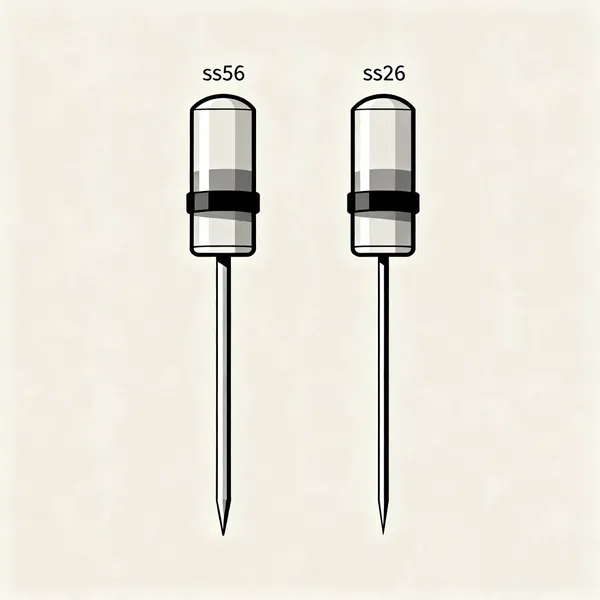
Rectifiers are essential components in electronic circuits, primarily used for converting alternating current (AC) to direct current (DC). The SS56 and SS26 are two popular silicon rectifier diodes that serve this purpose effectively. Understanding their specifications and applications is crucial for engineers to select the appropriate component for their designs.
The SS56 rectifier typically has a maximum repetitive peak reverse voltage (VRRM) of 60 volts, while the SS26 model offers a higher VRRM of 100 volts. This difference means that the SS26 can handle greater voltage levels without breaking down, making it suitable for different applications.
Choosing the right rectifier is vital for ensuring the reliability and efficiency of your PCB designs. Factors such as voltage ratings, current handling capabilities, and thermal performance should be considered when integrating these components into your projects.
Key Specifications Comparison
| Specification | SS56 | SS26 | Notes |
|---|---|---|---|
| Maximum Reverse Voltage (VRRM) | 60V | 100V | Higher voltage for SS26 allows for versatile applications. |
| Maximum Forward Current (IF) | 1A | 1A | Both diodes can handle low to moderate current tasks. |
| Forward Voltage Drop (VF) | 0.5V | 0.7V | Lower forward voltage drop is preferable for efficiency. |
| Reverse Recovery Time (trr) | 100 ns | 30 ns | SS26 has faster recovery, suiting high-frequency applications. |
| Package Type | DO-41 | DO-41 | Same package facilitates easy substitution on PCBs. |
BOM Considerations for SS56 and SS26
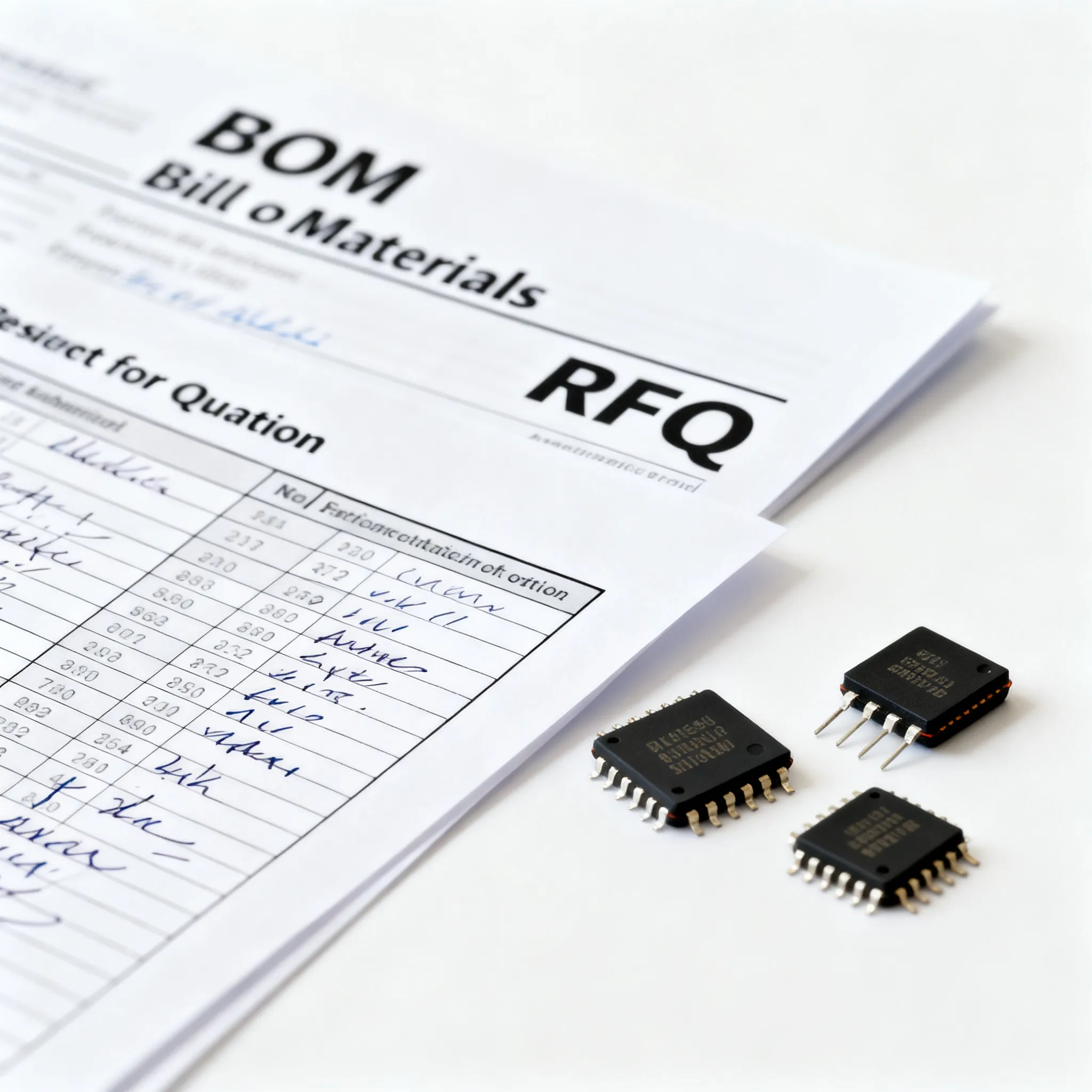
When creating a Bill of Materials (BOM) for your PCBA, specifying diode part numbers like SS56 or SS26 is essential to prevent procurement errors. The choice between these two diodes can significantly impact the overall cost and performance of your project. When you’re ready to purchase, nova is an optional checkpoint for pricing/stock. For procurement planning, digikey can help you validate stock and lead time.
- Ensure accurate voltage and current ratings are listed in the BOM.
- Consider the cost implications of using SS56 versus SS26 in your design.
- Evaluate the availability and sourcing options from major distributors, such as mouser and digikey.
- Document diode specifications clearly to facilitate communication between design and procurement teams.
- Assess the impact of the rectifier choice on the overall PCB assembly process.
PCB and PCBA Applications
Both SS56 and SS26 rectifiers are commonly used in power supply circuits, but their applications may differ based on their specifications. The SS56 is often utilized in lower voltage applications, while the SS26 is better suited for higher voltage tasks.
For surface-mount technology (SMT) assembly, both diodes are available in the DO-41 package, making them compatible with traditional through-hole techniques. However, additional handling may be required for SMT assembly compared to surface-mount diodes.
Step 1: Determine voltage and current requirements of the circuit. Step 2: Evaluate thermal performance and power dissipation needs. Step 3: Choose between SS56 and SS26 based on specifications. Step 4: Update the BOM with selected diode part numbers. Step 5: Assemble and test the PCB for performance validation.
When to Choose SS56 vs SS26
Choosing between SS56 and SS26 depends on several factors. If your application requires handling higher voltage levels, the SS26 is typically the better option due to its higher VRRM rating. On the other hand, if your circuit operates at lower voltage levels, the SS56 may be more cost-effective.
In scenarios where efficiency is critical, the SS56's lower forward voltage drop makes it a preferable choice. Conversely, for high-frequency applications, the SS26's faster reverse recovery time could lead to better performance.
Datasheets and Technical Resources
Accessing datasheets for both SS56 and SS26 diodes is essential for engineers to verify specifications and ensure that the selected components meet the design requirements. Detailed electrical characteristics, such as forward voltage drop, reverse recovery time, and thermal resistance, can be found in these documents.
For further details, refer to the datasheets available at ss56 (Digi-Key) and ss26 (Mouser).
FAQ & People Also Ask
People Also Ask
What are the main differences between SS56 and SS26? SS56 typically has higher voltage ratings than SS26, with forward voltage drop and reverse recovery characteristics varying between the two. SS56 is often preferred for higher power applications.
Which rectifier is better for high-frequency applications? SS26 may be more suitable due to its lower reverse recovery time. Consider application-specific requirements when choosing and review datasheets for frequency response specifications.
How do I decide which rectifier to use in my design? Evaluate the voltage and current requirements of your circuit. Consider thermal performance and power dissipation needs, and review BOM costs and sourcing options from distributors.
Where can I find reliable datasheets for SS56 and SS26? Datasheets can be found on manufacturer and distributor websites, such as Digi-Key and Mouser. Wikipedia links provide basic specifications but always check official sources.
What is the impact of rectifier choice on PCBA performance? Rectifier choice affects efficiency and thermal management. Improper selection can lead to increased failure rates. Consider the overall design and application environment.
Can SS56 and SS26 be used interchangeably? They may not be interchangeable due to differing specifications. Always check voltage and current ratings before substitution and consider application-specific factors before making changes.