How VSC Meaning Relates to Sensor Technology in Electronics
You may know VSC meaning as Vehicle Stability Control, a system also called electronic stability control. This tec
You may know VSC meaning as Vehicle Stability Control, a system also called electronic stability control. This technology plays a key role in keeping you safe when you drive. Electronic stability control uses advanced sensors to monitor how your vehicle moves on the road. When you face a slippery curve or sudden obstacle, electronic stability control helps prevent skidding or loss of control. Studies have shown that electronic stability control leads to a 52.6% drop in single-vehicle crash rates and an 11.2% reduction in multi-vehicle frontal crashes. These results highlight the safety benefits that electronic stability control brings to every vehicle.
Key Takeaways
- VSC, or Vehicle Stability Control, enhances driving safety by preventing skids and loss of control during slippery conditions.
- Electronic stability control uses various sensors to monitor vehicle movement and adjust braking or engine power as needed.
- Studies show that electronic stability control can reduce single-vehicle crashes by over 52%, highlighting its importance in vehicle safety.
- Regular maintenance of sensors is crucial for the effective functioning of electronic stability control, ensuring your vehicle remains safe.
- Understanding how VSC and its sensors work can help you drive more confidently and avoid accidents.
VSC Meaning in Electronics
Definition of VSC
You may wonder what VSC meaning is in the world of electronics. VSC stands for vehicle stability control. This technology helps you keep your vehicle on its intended path, especially when you face sudden changes in direction or slippery roads. Electronic stability control, another name for VSC, uses a network of sensors to monitor how you steer, how fast your wheels spin, and how your vehicle moves. These sensors send data to a central computer. The computer checks if your vehicle is following your steering commands. If it senses a problem, it can adjust the brakes or engine power to help you regain control.
Tip: Electronic stability control does more than just help you stop. It helps you avoid skids and keeps your vehicle stable during sharp turns or emergency maneuvers.
You can see how VSC meaning goes beyond basic braking. It acts as a smart assistant that watches over your driving and steps in when you need extra help. This safety feature has become a standard part of modern vehicles because it saves lives and prevents accidents.
VSC in Automotive Systems
When you look at automotive safety, electronic stability control stands out as a critical safety feature. It works alongside other systems, such as anti-lock braking systems, but offers more advanced protection. While anti-lock brakes stop your wheels from locking up, electronic stability control monitors your vehicle’s movement and compares it to where you want to go. If your vehicle starts to slide or lose grip, the system can apply brakes to individual wheels or reduce engine power. This action helps you stay in control, even in tough driving conditions.
Here are some main functions of electronic stability control in automotive systems:
| Function | Description |
|---|---|
| Traction Control | Detects loss of traction and applies brakes to individual wheels to regain grip. |
| Yaw Rate Control | Monitors vehicle rotation and adjusts braking to maintain stability. |
| Engine Power Management | Reduces engine power to prevent loss of control during acceleration. |
You benefit from these features every time you drive. Electronic stability control detects problems before you notice them and acts quickly to keep you safe. This safety feature addresses issues like understeer and oversteer, which can cause you to lose control of your vehicle. By managing both braking and engine power, electronic stability control helps prevent crashes and keeps you and your passengers safe.
Regulations also highlight the importance of VSC meaning in automotive safety. The Federal Motor Vehicle Safety Standard No. 126 requires all new light vehicles to include electronic stability control. This rule, set by the National Highway Traffic Safety Administration, has made this safety feature a must-have since September 1, 2011.
Crash data shows how effective electronic stability control is as a safety feature. Studies report a 52.6% drop in single-vehicle crash rates and an 11.2% reduction in multi-vehicle frontal crashes. These numbers prove that VSC meaning is not just about technology—it is about real-world safety for you and everyone on the road.
Sensor Technology in Electronic Stability Control
Key Sensors in VSC Systems
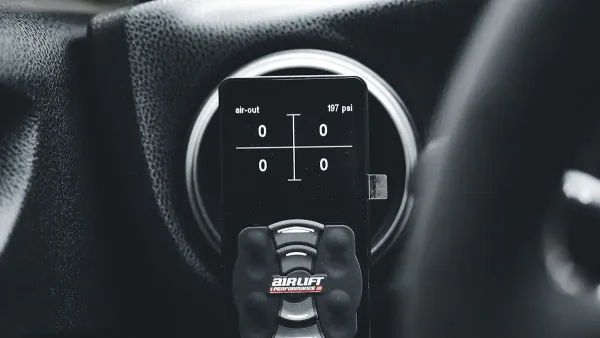
You rely on electronic stability control every time you drive, but you may not realize how many sensors work together to keep your vehicle safe. These sensors constantly monitor your driving and the road conditions. They send information to the electronic stability control system, which uses this data to help you avoid skidding or losing control.
Here are the main sensors you will find in a typical electronic stability control system:
- Wheel speed sensors
- Steering angle sensor
- Yaw rate sensor
- Lateral acceleration sensor
- Gyroscopes
- Accelerometers
Each sensor has a specific job. Wheel speed sensors measure how fast each wheel turns. If one wheel spins faster than the others, the system knows you might lose traction. The steering angle sensor tracks the direction and speed of your steering. This helps the electronic stability control system understand where you want the vehicle to go. The yaw rate sensor measures how much the vehicle rotates around its center. The lateral acceleration sensor detects side-to-side movement. Gyroscopes and accelerometers add even more detail about the vehicle’s motion.
Tip: The steering angle sensor and yaw rate sensor are especially important for electronic stability control. They help the system compare your steering input with the actual movement of the vehicle.
Modern vehicles use advanced sensors to improve safety. High-resolution gyroscopes and accelerometers give more accurate readings. These improvements help electronic stability control react faster and more precisely.
Sensor Data and Vehicle Stability
You may wonder how electronic stability control uses all this sensor data. The process starts when you turn the steering wheel or drive over a slippery surface. The steering angle sensor tells the system how quickly and in what direction you turn the wheel. At the same time, wheel speed sensors check if any wheel is spinning too fast or too slow. The yaw rate sensor and lateral acceleration sensor measure how the vehicle moves and turns.
The electronic stability control system compares your steering input with the actual path of the vehicle. If the system detects a difference, it knows you might lose control. For example, if you steer left but the vehicle keeps moving straight, the system senses understeer. If the rear of the vehicle slides out, the system senses oversteer. The electronic stability control system then decides how to help. It can apply the brakes to one or more wheels or reduce engine power to bring the vehicle back on track.
Here is how the system processes sensor data to keep you safe:
- It evaluates the stability and variability of sensor readings.
- It checks for changes in road conditions.
- It compares the expected movement with the actual movement of the vehicle.
- It manages errors in the sensor measurements to ensure accuracy.
The table below shows how different sensors work together in electronic stability control:
| Sensor Type | Function in ESC System |
|---|---|
| Wheel speed sensors | Detect changes in wheel rotation to spot loss of traction |
| Steering angle sensor | Measure driver’s intended direction and speed of steering |
| Yaw rate sensor | Track rotation of the vehicle around its center |
| Lateral acceleration sensor | Detect side-to-side movement during turns |
| Accelerometers | Measure changes in speed and direction |
| Throttle/brake sensors | Monitor driver’s acceleration and braking inputs |
Recent advancements in sensor technology have made electronic stability control even more effective. High-resolution sensors and smarter algorithms allow the system to predict and prevent skidding with greater accuracy. These improvements mean you get better safety and more confidence on the road.
Note: If a sensor fails, you may see warning lights on your dashboard. For example, a problem with the wheel speed sensor or steering angle sensor can trigger the electronic stability control warning. Common causes include damaged wires, misalignment, or water intrusion. Regular maintenance helps keep these sensors working and ensures your safety.
Electronic stability control depends on accurate sensor data to protect you and your passengers. By understanding how these sensors work, you can appreciate the advanced technology that keeps your vehicle stable and safe.
VSC and Electronics Topics
Signal Processing in VSC
You interact with electronic stability control every time you drive, but you may not realize how much signal processing happens behind the scenes. The system collects sensor data from your vehicle, then processes it to make quick decisions. Signal processing techniques help electronic stability control interpret sensor readings and filter out noise. For example, the Kalman filter estimates the vehicle’s state even when sensor data contains interference. This filter uses low memory and works fast, making it ideal for automotive electronics. Data normalization keeps sensor values consistent, while feature extraction identifies important patterns. The table below shows common steps in signal processing for electronic stability control:
| Step | Description |
|---|---|
| Data Normalization | Sensor values are scaled from 0 to 1 for consistency. |
| Data Segmentation | Segments are identified based on activation signals. |
| Feature Extraction | Key features like mean, mode, and maximum are calculated from sensor data. |
Noise filtering improves reliability, so your vehicle responds accurately to changing conditions. You benefit from these advanced techniques because they help prevent loss of control and enhance safety.
Data Acquisition and Control
Electronic stability control relies on real-time data acquisition. Sensors measure lateral acceleration and yaw rate at high frequencies, often 100 Hz, using IMU and CAN bus systems. This rapid data flow allows the system to update the vehicle’s dynamic model continuously. Extended Kalman filtering estimates the vehicle’s state at 50 Hz, while parameters like tire stiffness are calibrated using recursive least squares. Control algorithms respond to sensor input by detecting oversteer or understeer. If the system senses loss of control, it calculates yaw error and lateral acceleration, then reduces engine torque or applies brakes to individual wheels. The traction control system and anti-lock braking system work together with electronic stability control to keep your vehicle stable. You gain improved safety and handling, especially during emergency maneuvers.
Practical Implications for Engineers
If you design or troubleshoot electronic stability control systems, you must consider several practical factors. Controller design often uses a cascade structure with yaw moment and wheel slip controllers to maximize vehicle stability. Performance evaluation requires testing under different road conditions and emergency maneuvers. Simulation methods, such as Hardware In-the-Loop Simulation (HILS), help assess system effectiveness. Engineers follow troubleshooting steps like checking dashboard lights, inspecting sensor data, and performing zero-point calibration. You also need to ensure integration with traction control system and anti-lock braking system for optimal safety.
Nova Technology Company (HK) Limited serves as a HiSilicon-designated solutions partner. The company specializes in chip-level solutions and system integration for automotive electronics. Nova Technology Company provides expertise in sensor interfacing, signal processing, and real-time control applications, supporting advanced electronic stability control systems in vehicles.
If you work with automotive electronics, understanding these topics helps you build safer and more reliable vehicles.
You see how vehicle stability control depends on sensor technology to keep your vehicle safe. Sensors like accelerometers and yaw rate sensors give real-time updates about your vehicle’s movement, especially during slippery conditions.
- A digital twin model uses this sensor data to improve vehicle control.
- Real-time updates help your vehicle respond quickly to slippery conditions.
- IMU and CAN bus systems support fast communication for your vehicle’s safety.
Understanding these systems helps you prevent accidents and handle slippery conditions with confidence. You can explore topics like the evolution of electronic stability control and its impact on vehicle safety for deeper knowledge.
FAQ
What are the common causes of VSC light illumination?
You may see the VSC light turn on due to sensor faults, wiring issues, or malfunctioning esc. Common causes include damaged wheel speed sensors, steering angle sensor errors, or water intrusion. You should check diagnostic trouble codes to find the exact reason.
How does malfunctioning esc affect vehicle safety?
Malfunctioning esc can reduce your vehicle’s ability to prevent skidding or loss of control. You may face a higher risk of accident, especially on slippery roads. You should address repair solutions quickly to restore dynamic stability control and keep your vehicle safe.
What is the electronic stability program and how does it differ from dynamic stability control?
Electronic stability program and dynamic stability control both help you maintain control during sudden maneuvers. Electronic stability program focuses on preventing skids by using sensor data and brake control. Dynamic stability control adds more advanced features for handling and performance.
How do calibration steps help fix malfunctioning esc?
Calibration steps help you reset sensors and restore proper function to malfunctioning esc. You may need to perform zero-point calibration for the steering angle sensor or recalibrate wheel speed sensors. These steps ensure accurate sensor readings and improve system reliability.
What are the common causes of VSC light illumination and what repair solutions can you try?
Common causes of VSC light illumination include sensor errors, wiring faults, and malfunctioning esc. You can try repair solutions like checking sensor connections, cleaning sensor surfaces, or replacing faulty sensors. You should always consult diagnostic trouble codes for guidance.