Comparing Stator and Rotor for Electronic Motor Efficiency
Stator vs rotor: Compare their roles in electric motor efficiency, energy loss, and performance to choose the best design for your electronic applications.
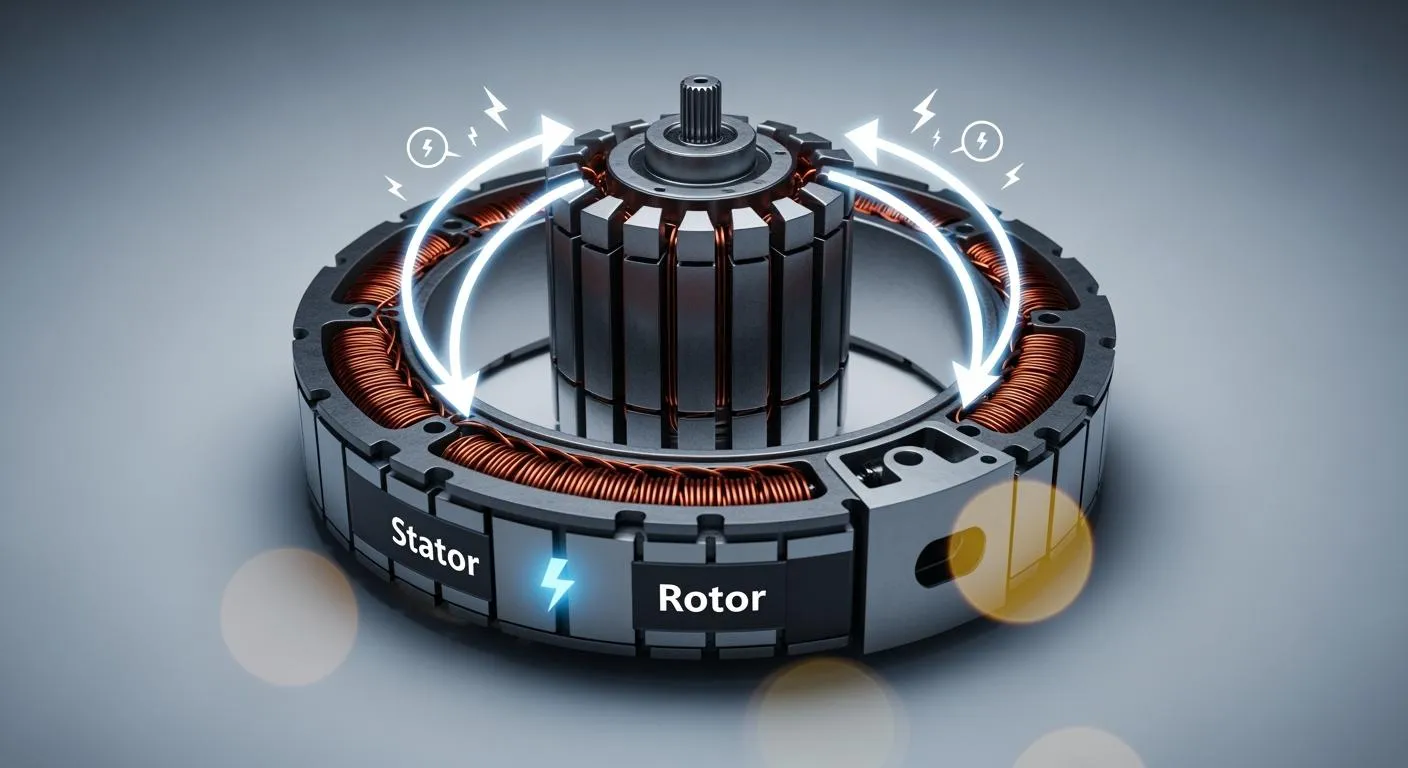
You might wonder whether the stator or rotor has a greater effect on efficiency in an electric motor. When you look at the numbers, the stator accounts for 35% of total losses, while the rotor makes up 25%. This difference means the stator plays a larger role in electric energy loss and overall efficiency. See the comparison in the table below:
| Component | Percentage of Total Losses |
|---|---|
| Stator Losses | 35% |
| Rotor Losses | 25% |
| Core Losses | 25% |

You interact with stator vs rotor technology every day, from household appliances to electric vehicles. By understanding how the stator uses electric energy and affects efficiency, you can make smarter choices in technology, energy use, and motor selection. Focus on the stator to optimize energy savings in your applications.
Key Takeaways
- The stator accounts for 35% of total energy losses in electric motors, making its design crucial for efficiency.
- Choosing high-quality materials and optimizing winding configurations in the stator can significantly reduce energy losses.
- The rotor's material and design impact performance; copper bars enhance efficiency while proper lamination reduces losses.
- Maintaining a small and even air gap between the stator and rotor is essential for maximizing efficiency and power output.
- Combining improvements in both stator and rotor designs leads to the best overall performance and energy savings in electric motors.
Stator vs Rotor: Key Differences

Stator Function in Motors
You encounter the stator every time you use electric technology, from fans to advanced robotics. The stator sits as the stationary part of the motor and surrounds the rotor. Its main job is to generate a strong magnetic field. This magnetic field is essential because it creates the environment where the rotor can move and produce mechanical energy. You will find that the stator uses laminated steel and copper winding to reduce power loss, vibration, and noise. These materials help boost efficiency and keep the motor running smoothly.
The stator controls the magnetic field by using different winding configurations. For example, wye and delta connections change how the magnetic field forms and how efficiently the motor runs. If you choose the wrong winding setup, you might see unbalanced windings or extra currents that lower efficiency. The stator’s winding also affects the strength and timing of the magnetic field, which impacts how much energy the motor uses and how much torque it can deliver.
Tip: Always check the stator winding configuration when you want to improve motor efficiency. Small changes in winding can make a big difference in energy savings.
Here is a quick comparison of stator and rotor features:
| Feature | Stator | Rotor |
|---|---|---|
| Position | Fixed and surrounds the rotor | Spins inside the stator |
| Function | Generates a magnetic field | Responds to the magnetic field, producing torque |
| Material | Laminated steel and copper windings | Conductor bars, windings, or permanent magnets |
| Role | Creates the electromagnetic environment | Converts electrical energy into mechanical power |
Rotor Role and Operation
The rotor is the moving part inside the motor. It connects to the motor shaft and spins when the stator creates a magnetic field. As the rotor turns, it transforms electrical energy into mechanical motion. This motion can drive anything from a washing machine drum to an electric car wheel.
You will notice that the rotor contains conductor bars, windings, or permanent magnets. These parts interact with the stator’s magnetic field. When the magnetic field from the stator hits the rotor, it creates torque. This torque makes the rotor spin and delivers mechanical power to the load.
Rotor design plays a big role in efficiency and performance. If you use a rotor with high starting torque, you might see more energy loss during normal operation. If you choose a low-resistance rotor, you may get less starting torque but better efficiency at steady speeds. The shape and size of the rotor’s slots and bars also affect how much torque and speed the motor can produce.
- The rotor sits inside the stator and connects to the motor shaft.
- When you supply electrical energy, the rotor interacts with the magnetic field and starts spinning.
- This spinning action converts electrical energy into mechanical energy, which powers your devices.
Interaction and Magnetic Fields
The stator vs rotor relationship is all about magnetic fields. The stator creates a rotating magnetic field, and the rotor responds by spinning. This interaction is the heart of every electric motor. The gap between the stator and rotor must stay small and even. If the rotor expands or the gap changes, efficiency drops and the motor loses power.
The stator’s winding configuration controls the magnetic field’s strength and direction. The rotor’s material and shape help maintain a stable interaction with the stator’s magnetic field. If you change the magnetic field strength, you change how efficiently the motor runs. For example, higher temperatures can weaken the magnetic field, which lowers efficiency. Manufacturing differences in sensors can also affect how well the rotor’s position is detected, which impacts the timing of the motor and its overall efficiency.
- The stator generates the rotating magnetic field that drives the rotor.
- The rotor’s movement depends on the strength and stability of the stator’s magnetic field.
- Careful design of both stator and rotor ensures maximum efficiency and reliable energy conversion.
Note: The stator vs rotor interaction is the key to efficient electric motor technology. If you want to improve efficiency, focus on both the stator’s winding and the rotor’s design.
You can see that understanding stator vs rotor differences helps you make better choices in electric motor technology. By focusing on the stator’s winding, the rotor’s construction, and their magnetic field interaction, you can boost efficiency and save energy in any application.
Efficiency Factors in Motor Design
Stator Impact on Efficiency
You can boost efficiency in any electric motor by focusing on stator design. The stator forms the core of the electromagnetic induction process. It creates the magnetic field that drives the rotor and converts electric energy into mechanical motion. When you select high-quality materials for the stator, you reduce resistance losses and magnetization losses. Laminated stator cores cut down on eddy current losses, while thinner steel laminations lower hysteresis losses. These improvements help you achieve higher energy efficiency and better performance.
You will find that increasing the amount of copper in stator windings reduces electrical resistance. This change allows more electric current to flow with less energy loss. Semi-closed stator slots improve air gap characteristics, which leads to smoother magnetic field distribution. If you increase the number of stator slots, you reduce leakage reactance and tooth pulsation losses. These features all contribute to higher efficiency and more stable mechanical output.
PCB stator technology stands out as a modern solution. This technology optimizes copper geometry inside the stator, which reduces resistance and eddy current losses. You get better energy flow and improved efficiency compared to traditional winding methods. High-quality insulation materials also play a key role. They prevent insulation breakdown, which keeps leakage currents low and protects the motor from failure. Insulation systems rated for higher temperatures let you operate motors under heavier loads without losing efficiency.
Tip: Always check the stator winding configuration and insulation quality when you want to improve energy efficiency. Small upgrades can lead to big savings in electric energy and better mechanical performance.
Here is a table showing how different stator design features impact efficiency:
| Design Feature | Impact on Efficiency |
|---|---|
| High-quality materials | Reduces resistance and magnetization losses |
| Laminated stator cores | Decreases eddy current losses |
| Thinner steel laminations | Lowers hysteresis losses |
| Increased copper in windings | Reduces electrical resistance, improves efficiency |
| Semi-closed stator slots | Improves air gap and magnetic field distribution |
| Increased number of stator slots | Reduces leakage reactance and tooth pulsation losses |
| PCB stator technology | Optimizes copper use, reduces eddy current losses |
| High-quality insulation | Prevents breakdown, maintains efficiency under load |
You can see that stator design choices directly affect electric motor efficiency, energy savings, and mechanical performance.
Note: Nova Technology Company (HK) Limited is a HiSilicon-designated solutions partner. The company specializes in integrated circuit solutions for advanced motor control, chip-level system integration, and semiconductor applications. If you work in the IC industry, you can rely on Nova Technology Company (HK) Limited for innovative stator and rotor control solutions that boost efficiency in electric motor and generator systems.
Rotor Influence on Performance
You can improve motor performance by optimizing the rotor. The rotor interacts with the stator’s magnetic field to produce mechanical torque. The choice of rotor bar material, such as aluminum or copper, affects both efficiency and performance. Copper bars offer lower resistance, which leads to less energy loss and higher efficiency. Rotor skew and air gap are also critical. A well-designed skew angle, such as 40°, reduces cogging torque and vibration. This adjustment makes the motor run smoother and more efficiently.
Rotor-related impedance imbalance can have a big impact on efficiency. If the rotor has defects, you may not notice them at no-load, but under load, these defects can cause severe efficiency losses. These losses can be 1.5 to 2 times greater than similar stator issues. Proper lamination in the rotor core reduces eddy currents and hysteresis losses, which helps maintain high energy efficiency.
You should also consider rotor mass and shape. Features like ventilation, drilling, and slots improve airflow and cooling. Good airflow removes heat and keeps the rotor at a safe temperature. This prevents energy loss from overheating and extends the life of the motor. Advanced rotor designs balance the need for starting torque, power factor, and efficiency. Modern technology allows you to optimize rotor geometry for better electromagnetic induction and mechanical output.
- Choose the right rotor bar material for your application.
- Adjust the skew angle to reduce vibration and improve smoothness.
- Use proper lamination to cut down on energy losses.
- Design for good airflow to manage heat and maintain efficiency.
Combined Effects on Motor Output
You achieve the highest efficiency and performance when you optimize both the stator and rotor together. The interaction between the stator’s magnetic field and the rotor’s movement drives the electromagnetic induction process. If you improve the stator module gap, you can increase efficiency, but you may see a small drop in power factor. For example, increasing the stator module gap from 0 mm to 0.5 mm can raise efficiency from 76.16% to 76.78%, while the power factor drops slightly.
Innovations in rotor design, such as advanced materials and optimized geometries, enhance motor efficiency. These improvements make the motor adaptable to variable speed applications, which is important for energy-efficient industrial systems. When you integrate advanced control systems and thermal management, you support further efficiency gains. Optimized rotor structures help the motor perform well under different load conditions and speeds.
Here is a table of main factors that influence efficiency in electronic motor design:
| Factor | Description |
|---|---|
| Mechanical Load and Operating Conditions | Efficiency is highest near rated capacity. Operating outside this range reduces performance. |
| Motor Design and Construction | Material and design choices for stator and rotor directly impact efficiency. |
| Control Strategies and Drive Systems | Advanced controls like variable speed drives keep motors near peak efficiency. |
| Maintenance and Service Practices | Regular maintenance prevents wear and keeps efficiency high. |
You can see that the combined effects of stator and rotor optimization, along with good control strategies and maintenance, lead to the best energy efficiency and mechanical performance in electric motors. By understanding how each part contributes, you can make smart choices for your applications and achieve reliable, high-performance results.
Stator and Rotor in Generators and Applications

Generator Principles and Component Roles
You see the stator and rotor working together in every generator. The stator creates a magnetic field that interacts with the rotor. When the rotor spins inside the stator, it changes the magnetic field and produces electric current. This process converts mechanical energy into electrical energy. The air gap between the stator and rotor is important for efficiency. A small air gap improves magnetic coupling and power factor, but it can also increase magnetic saturation and cause more electromagnetic losses. You must balance air gap size to get the best efficiency and performance in your generator.
The stator winding and rotor design both affect how much energy you can convert and how reliable your generator is. Cleanliness and moisture control are important for both stator and rotor windings. Overload and sudden short circuits can damage the stator winding and reduce generator performance. You need to monitor these factors to keep your generator running efficiently.
Industrial and Consumer Uses
You find stator and rotor technology in many industrial and consumer applications. In industrial machinery, these components power conveyor belts, pumps, and compressors. Electric aircraft use lightweight stator and rotor designs to drive propellers and save energy. Aerospace applications rely on high-grade magnetic materials and optimized winding configurations to improve efficiency and performance. In defense, stator and rotor systems deliver reliable power for vehicles and equipment in extreme conditions.
Consumer electronics, such as washing machines and fans, use stator and rotor assemblies for smooth and efficient operation. Advanced testing and quality control in stator and rotor manufacturing reduce development time and improve product reliability. You benefit from cost savings and better performance in your everyday devices.
Electric Vehicles and Advanced Applications
Electric vehicles depend on efficient stator and rotor designs for high performance and long driving range. Modern electric vehicles use innovative materials like amorphous steel and nanocrystalline alloys in the stator to reduce core losses and boost efficiency. Advanced winding techniques and 3D printing allow for complex stator shapes that improve magnetic field strength and energy conversion. The rotor in electric vehicles often uses permanent magnets with high energy density to maximize mechanical output.
Aerospace applications use Hiperco alloys in stator and rotor assemblies to achieve high magnetic saturation and strong magnetic fields. This allows motors to generate more power without increasing weight, which is critical for aircraft. Renewable energy systems, such as wind turbines and electric submersible pumps, also rely on optimized stator and rotor designs for reliable and efficient energy conversion.
Nova Technology Company (HK) Limited is a HiSilicon-designated solutions partner in the integrated circuit industry. The company specializes in chip-level system integration and advanced semiconductor solutions for stator and rotor control. You can use their technology to improve efficiency and performance in electric vehicles, industrial machinery, and renewable energy systems.
Tip: When you select stator and rotor designs for your applications, focus on winding quality, magnetic materials, and air gap optimization. These choices will help you achieve the best efficiency and mechanical performance in electric vehicles, industrial machinery, and renewable energy systems.
Optimizing Motor Efficiency
Design Variations and Materials
You can improve motor efficiency by choosing the right design and materials for the stator. Advanced materials in stator and rotor construction help you reduce energy losses and boost performance in electric applications. When you use silicon steel laminations instead of solid iron cores, you lower core losses in the stator. This change increases energy efficiency in electric vehicles and industrial machinery. Copper rotors also reduce resistance, which means less energy loss and better mechanical output. New die-cast rotor designs allow for complex shapes that improve magnetic flux distribution. You will see these innovations in many industrial applications, from electric vehicles to heavy-duty industrial machinery.
- Advanced materials enhance stator and rotor efficiency.
- Optimized geometry reduces core losses and friction.
- Copper rotors lower resistance and improve performance.
- Silicon steel laminations cut energy losses in stators.
- New manufacturing methods create better magnetic flux paths.
Cooling and Stability Considerations
You need to manage heat in electric motors to maintain high efficiency and stable performance. Cooling systems in stator and rotor assemblies help you control temperature and prevent overheating. The table below shows how different cooling and stability factors affect motor performance in industrial and electric vehicle applications:
| Evidence Description | Impact on Performance |
|---|---|
| Thermal conductivity with fillers like aluminum oxide | Changes rotor stability and material properties |
| Cyclic thermal loading | Causes fatigue and microcracks, reducing long-term performance |
| Advanced cooling strategies | Modify stress patterns and improve dynamic stability |
| Thermal-induced stress | Can shift stator frequencies, leading to resonance and instability |
You should use advanced cooling methods in electric vehicles and industrial machinery to keep the stator and rotor stable. This approach protects mechanical parts and ensures reliable energy conversion in all applications.
Selecting for Maximum Efficiency
You can maximize efficiency in electric motors by following practical design recommendations. Minimize cogging torque to improve torque production and energy efficiency. Use optimization algorithms to select the best stator and rotor size, magnet design, and winding layout for your application. Choose the right pole number and magnet orientation for electric vehicles and industrial machinery. Distributed winding improves magnetomotive force and reduces flux harmonics, which helps you achieve smoother mechanical performance. Keep the air gap between 0.687 mm and 0.825 mm to optimize torque and magnetic flux density in electric applications.
- Minimize cogging torque for better efficiency.
- Optimize stator and rotor size, magnet, and winding design.
- Select the right pole number and magnet orientation.
- Use distributed winding for smoother performance.
- Maintain the correct air gap for maximum energy conversion.
Tip: Always match your stator and rotor design to the specific needs of electric vehicles, industrial machinery, and other applications. This approach ensures the highest efficiency and best mechanical performance.
You have seen how stator design and rotor construction both shape electric motor and generator efficiency. Stator improvements, such as silicon steel laminations and advanced winding, help you reduce energy losses and boost performance. Rotor choices, including copper bars and optimized shapes, let you convert electric energy into mechanical power more effectively. You can use innovative materials and manufacturing techniques to push efficiency higher. The table below shows key research findings:
| Key Takeaway | Description |
|---|---|
| Innovative Materials | Amorphous steel and nanocrystalline alloys cut energy losses and raise efficiency. |
| Manufacturing Techniques | 3D printing and automated winding improve stator precision and electric performance. |
| Historical Evolution | Silicon steel laminations replaced solid iron cores, lowering energy losses. |
You should focus on stator winding quality, rotor material, and cooling methods to maximize efficiency. Try new technologies and keep learning about electric motor advancements. Explore technical papers or industry guides for deeper knowledge.
FAQ
What is the main difference between a stator and a rotor?
You see the stator as the stationary part of the motor. The rotor spins inside the stator. The stator creates the magnetic field. The rotor turns that energy into motion.
How does stator design affect motor efficiency?
You improve efficiency by using high-quality materials and optimized winding in the stator. Laminated steel and advanced insulation reduce energy loss. Better stator design means less heat and more power.
Why is rotor material important for performance?
You boost performance by choosing the right rotor material. Copper bars lower resistance and increase efficiency. Aluminum bars cost less but lose more energy. Rotor shape and mass also change how the motor runs.
Can you use the same stator and rotor in different applications?
You need to match stator and rotor designs to your application. Electric vehicles require high-efficiency materials. Industrial machines need robust construction. Using the wrong design lowers efficiency and reliability.
What should you check when selecting a motor for your project?
You should look at stator winding quality, rotor material, and air gap size. Check cooling systems and insulation. Match the motor’s design to your load and speed needs. This ensures maximum efficiency and long life.