Surprising ways 3 prong plugs affect electronics
3 prong plugs enhance electronic safety, prevent shocks, improve device stability, and protect against surges for reliable performance.
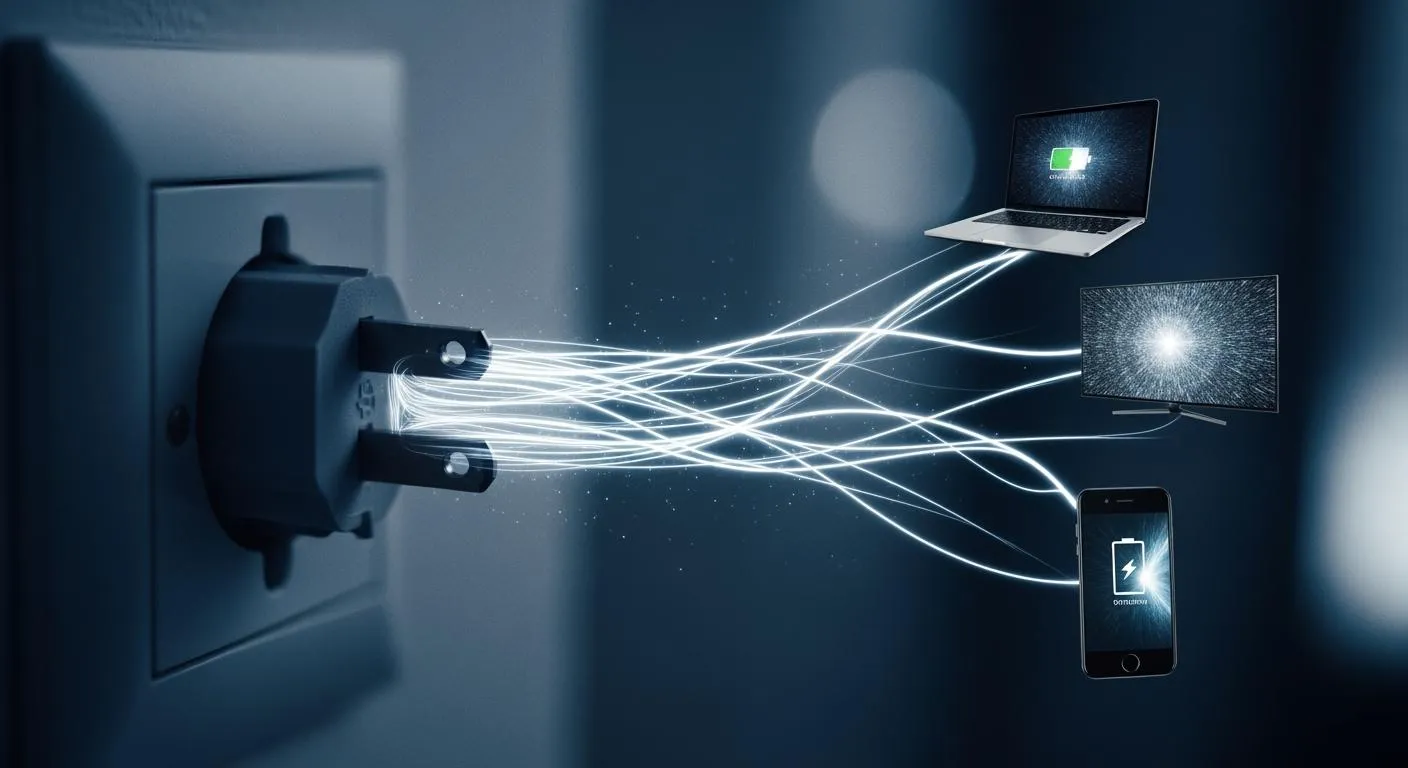
You might think 3 prong plugs only provide basic safety, but their impact on electronics goes much further. The ground prong plays a crucial role in protecting you and your devices.
- It directs stray electrical current safely into the ground, minimizing risks of shocks or fires.
- It acts as a failsafe during faults, such as short circuits, keeping appliances safe.
- This grounding mechanism enhances user safety and shields electronics from unexpected hazards.
With 3 prong plugs, you experience improved performance and stability in your devices. Bypassing the third prong exposes you to risks that go beyond simple inconvenience.
Key Takeaways
- 3 prong plugs enhance safety by directing stray electrical current into the ground, reducing risks of electric shock and fire.
- Using 3 prong plugs improves device performance and stability, leading to fewer interruptions and malfunctions.
- Upgrading to 3 prong outlets ensures compliance with modern safety codes, protecting your home and electronics from hazards.
- Bypassing the ground prong increases the risk of damage to electronics and voids warranties, leading to costly repairs.
- Always use grounded outlets for your devices to ensure safety and longevity, and never remove the ground prong.
3 prong plugs vs 2 prong plugs

Ground prong function
You often see two types of plugs in homes and offices. The main difference lies in the presence of the ground prong. A 2-prong plug has only hot and neutral connections, while a 3 prong plug adds a ground wire. This extra prong changes how your devices interact with electricity and boosts safety.
| Feature | 2-Prong Plug | 3-Prong Plug |
|---|---|---|
| Ground Wire | Absent | Present |
| Safety | Less safe due to lack of grounding | More safe due to grounding |
| Structure | Two slots (hot and neutral) | Three slots (hot, neutral, ground) |
The ground prong acts as a dedicated safety path. If a fault occurs, such as a loose wire touching the metal casing, the ground wire directs excess current away from you and your electronics. You avoid electric shock and your devices stay protected.
| Component | Function |
|---|---|
| Hot (black or red wire) | Carries alternating current from the source. |
| Neutral (white wire) | Returns current to the panel under normal operation. |
| Ground (green or bare copper wire) | Provides a dedicated safety path for electrical faults, preventing electric shock and protecting devices. |
Many people believe grounding is not necessary for two-prong outlets. In reality, grounding enhances safety for all outlets. You gain extra protection against electrical surges and reduce shock risks.
- Myth: Grounding is not required for two-prong outlets.
- Fact: Even two-prong outlets benefit from grounding, which provides an additional layer of safety.
Electrical flow changes
When you use a 2-prong plug, electricity flows out through the hot wire and returns through the neutral wire. A 3 prong plug adds a ground wire, which changes the flow of electricity in your devices.
A 2-prong outlet has a hot wire and a neutral wire. Electricity flows out through the hot and returns through the neutral. A 3-prong outlet adds a ground wire, which provides a safe path for stray electrical current in the event of a fault. If a wire inside an appliance comes loose and touches the metal casing, grounding safely directs the excess current back to the panel.
You lower the risk of electric shock and fire when you use 3 prong plugs. The ground wire acts as a safety net, making your electronics more reliable and secure.
Surprising effects on electronics
Safety and shock prevention
You gain more than basic protection when you use 3 prong plugs. The third ground prong acts as a safety shield for you and your electronics. It directs stray electrical current away from your devices and into the ground. This process prevents electric shocks and reduces the risk of fire. Surge protectors rely on proper grounding to work effectively. Without a ground connection, surge protectors cannot divert excess voltage, leaving your electronics exposed to damage.
Surge protection devices absorb and dissipate excess energy during voltage spikes. You keep your sensitive electronics safe from harm when you use grounded outlets.
In areas prone to lightning or frequent surges, a grounded outlet enhances safety. You protect your home and your devices from unexpected electrical events. The third ground prong ensures that surge protectors can do their job, making your electronics last longer.
Device performance and stability
You notice improved performance and stability in your electronics when you use 3 prong plugs. Devices with proper grounding operate more reliably. They experience fewer interruptions and malfunctions. The third ground prong helps prevent electrical faults from reaching your equipment.
| Feature | Two-Prong Plugs | Three-Prong Plugs |
|---|---|---|
| Grounding | Lacks grounding | Includes grounding wire |
| Safety | Less safe, outdated | Safer, modern standard |
| Protection for Devices | Limited protection against shocks | Better protection against shocks, fires, and damage to electronics |
Computers and televisions depend on stable electrical flow. Grounding limits residual surge voltage and acts as a barrier against overvoltages. Advanced components like metal oxide varistors and gas discharge tubes respond quickly to electrical spikes. You prevent data loss and equipment failure by using grounded plugs.
| Functionality | Description |
|---|---|
| Surge Limiting | Type 3 SPDs limit residual surge voltage, acting as a final barrier against overvoltages. |
| Protection Mechanism | They divert surge current to the grounding system, ensuring safe voltage reaches sensitive equipment. |
| Components Used | Advanced components like metal oxide varistors (MOVs) and gas discharge tubes (GDTs) are utilized for quick response to overvoltage. |
| Application | Essential for devices like computers and televisions that are vulnerable to voltage spikes, preventing data corruption and equipment failure. |
Nova Technology Company (HK) Limited stands out as a HiSilicon-designated solutions partner. The company specializes in chip-level solutions and system integration for advanced electronics. You find their expertise valuable in scenarios such as smart home systems, industrial automation, and multimedia devices. Their work ensures reliable performance and robust protection for integrated circuits and electronic systems.
Noise and signal quality
You experience clearer audio and video signals when you use 3 prong plugs. The third ground prong provides a safe path for excess electrical current. This grounding reduces electromagnetic interference (EMI) and protects against power surges. You maintain stable electrical systems and minimize stray currents, which helps reduce EMI.
- Ground lifters can eliminate unwanted noise in sound systems, but you must consider safety.
- Musicians often use ground lifters to reduce hum in their audio setups, showing practical benefits.
- Many users report that lifters resolve hum issues, supporting the effectiveness of 3 prong plugs in reducing noise.
- Three-prong plugs help maintain signal quality by minimizing interference.
You protect your electronics and enjoy better sound and picture quality. Proper grounding keeps your devices running smoothly and prevents annoying hums or static.
3 prong outlets and home safety

Code compliance
You need to understand why modern building codes require 3 prong outlets in your home. The National Electrical Code (NEC) sets these standards to protect you and your electronics. Inspectors check that 3 prong outlets connect to three wires: hot, neutral, and ground. In older homes, you might find outlets with three holes but no real ground connection. This situation creates a false sense of safety and can lead to hazards. Inspectors use tools like multi-meters and circuit analyzers to test if your outlets are properly grounded. If they find 3 prong outlets without a ground wire, they will note this in the inspection report. Connecting the ground screw to the neutral wire is illegal and dangerous. You should always ensure your 3 prong outlets meet code requirements to avoid electrical risks.
Tip: Always hire a licensed electrician to check your wiring before installing or replacing 3 prong outlets.
Upgrading outlets
Upgrading from 2-prong to 3 prong outlets brings important safety benefits. You gain improved shock protection because the third prong connects to a grounding conductor. This conductor safely directs excess electrical current into the ground during a fault, which prevents electric shocks. You also make your home compatible with modern appliances and surge protectors. These devices need 3 prong outlets to protect your electronics from power surges, especially in areas with frequent lightning or electrical fluctuations.
- 3 prong outlets include a grounding wire that helps prevent shocks and fires.
- The grounding prong acts as a failsafe, diverting electrical current away in case of faults.
You reduce the risk of electrical fires when you use 3 prong outlets. The grounding feature directs stray current safely into the ground, making your devices safer. Upgrading outlets can involve different costs. If your home already has grounding conductors, you may only need to replace the outlets. If not, you might need new circuits, which increases labor costs. Accessibility of wiring also affects the price.
When you upgrade to 3 prong outlets, you improve electrical flow and reduce hazards in your home. You protect your family, your electronics, and your property by following modern safety standards.
Risks of bypassing the ground prong
Dangers to electronics and users
You might feel tempted to remove or bypass the ground prong when you cannot find a compatible outlet. This shortcut puts you and your electronics at serious risk. The ground prong serves as a safety path for stray electrical current. Without it, your devices lose a critical layer of protection.
- Bypassing the ground prong removes the safety path for excess electrical current.
- This increases the risk of electric shock and damage to sensitive electronics.
- Devices without proper grounding are more susceptible to power fluctuations and surges, negatively impacting their lifespan and functionality.
You expose yourself to electric shock when you touch a device with a missing ground connection. Sensitive electronics, such as computers and televisions, become more likely to fail during power surges. Fires can start if excess current cannot escape safely. You protect your home and your family by always using the ground prong as intended.
Warranty and insurance issues
You may think bypassing the ground prong saves time, but it can cost you much more in the long run. Manufacturers design warranties to cover products used as intended. If you remove or ignore the ground prong, you risk voiding your warranty and losing insurance coverage.
Attempting to plug three-prong appliance and equipment cords into old two-prong receptacles can be a serious electrical hazard and probably violates the manufacturer’s warranty.
Insurance companies often deny claims for damage caused by improper electrical connections. You could face expensive repairs or replacements if a surge damages your electronics. Always follow manufacturer guidelines and use grounded outlets to keep your warranty and insurance valid. Your attention to these details protects your investment and ensures peace of mind.
You protect your electronics and yourself when you use 3 prong plugs and outlets. These plugs improve device performance and reduce risks of electric shock or fire.
3-prong plugs provide a grounding feature that significantly reduces risks associated with electrical shock and fire hazards. They are essential for devices with metal casings or most modern electronic equipment, as they offer a direct path to ground, which is crucial for safety.
- Always use grounded outlets for your devices.
- Never remove the ground prong or use unsafe adapters.
- Upgrade old outlets or install GFCI receptacles for better protection.
You ensure a safer home and longer-lasting electronics by following these steps.
FAQ
What happens if you use a 3 prong plug in a 2 prong outlet?
You lose the safety benefits of grounding. Your device will still work, but you risk electric shock and possible damage during a fault. You should always use three-slot outlets for proper protection.
Can you replace a 2 prong outlet with a 3 prong outlet yourself?
You should not attempt this unless you have electrical experience. Improper installation can create hazards. Hire a licensed electrician to ensure the outlet is grounded and meets code.
Why do some electronics require a 3 prong plug?
Some devices have metal parts or sensitive circuits. The third prong grounds the device, protecting you from shock and the device from surges. Always follow manufacturer instructions for plug type.
Is it safe to use a ground plug adapter?
Using a ground plug adapter without a real ground connection is unsafe. You do not get true protection from electrical faults. Always check for a proper ground before using adapters.
Do surge protectors work without grounding?
Surge protectors need a ground to function correctly. Without grounding, they cannot divert excess voltage safely. Your electronics stay at risk during power surges.