Case Study: Optimizing Audio Amplifier Designs with the Latest Op Amp Technologies
Introduction In the rapidly evolving world of audio electronics, optimizing amplifier designs with the latest operational amplifier (op amp) technol
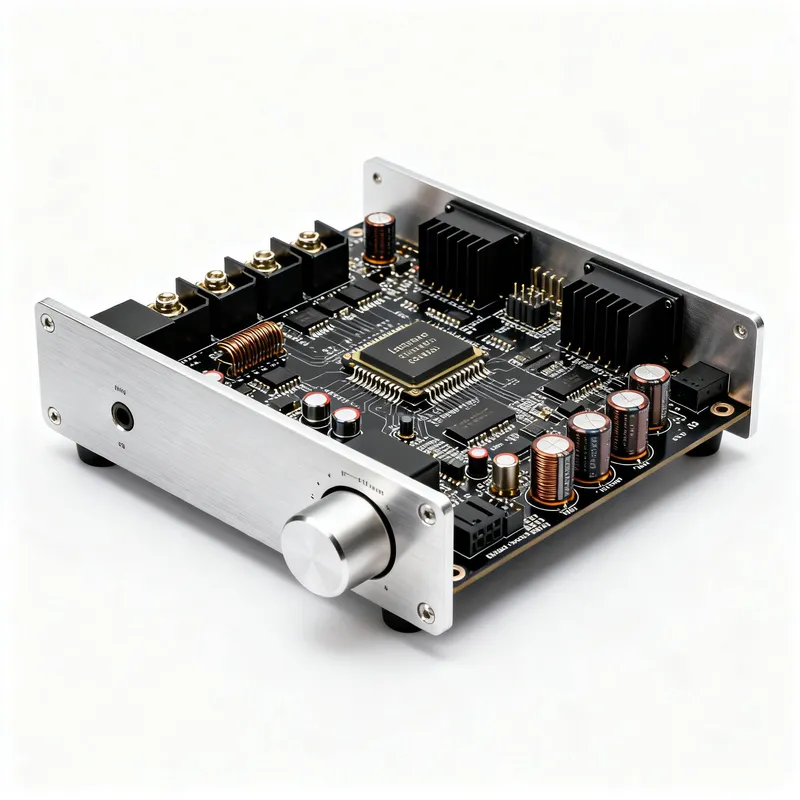
Introduction
In the rapidly evolving world of audio electronics, optimizing amplifier designs with the latest operational amplifier (op amp) technologies is crucial for achieving superior sound quality and energy efficiency. According to the Semiconductor Industry Association, the global semiconductor revenue reached $595.2 billion in 2024, reflecting the continuous demand for advanced electronic components, including op amps. This case study explores how modern op amp technologies enhance audio amplifier designs and their implications for engineers and procurement professionals.
Technical Overview
Operational amplifiers are integral to audio amplifier designs due to their ability to amplify weak audio signals while maintaining signal integrity. Modern op amps boast enhanced features such as low noise, high slew rates, and wide bandwidth, making them ideal for high-fidelity audio applications. The architecture typically includes a differential input stage, a high-gain amplifier stage, and an output buffer stage, ensuring precise amplification with minimal distortion.
Recent advancements have introduced op amps with rail-to-rail input and output capabilities, significantly improving dynamic range. Additionally, the incorporation of advanced fabrication techniques has resulted in op amps with lower power consumption, a critical factor in portable audio devices.
Key Specifications Table
| Parameter | Specification |
|---|---|
| Slew Rate | 20 V/µs |
| Bandwidth | 10 MHz |
| Input Noise | 4 nV/√Hz |
| Supply Voltage | ±15 V |
| Output Current | 25 mA |
Applications & Use Cases
1. High-End Audio Equipment: Modern op amps are used in high-fidelity audio systems, where low distortion and high gain are essential for superior sound quality.
2. Portable Audio Devices: The low power consumption features of new op amps make them ideal for use in battery-operated devices such as headphones and portable speakers.
3. Musical Instrument Amplifiers: Enhancements in op amp technology offer musicians amplifiers with better sound clarity and reduced noise.
4. Broadcast and Recording Equipment: The precision and reliability of modern op amps are critical in professional audio recording and broadcasting equipment, where sound accuracy is paramount.
Selection & Sourcing Guide
Choosing the right op amp for audio applications involves considering several factors, such as noise performance, bandwidth, and power supply requirements. Engineers should evaluate the specific needs of their design and select op amps that offer the best trade-off between performance and cost. For sourcing these components, IC Online provides a wide range of electronic components with competitive pricing and fast delivery, ensuring that engineers have access to the latest op amp technologies.
FAQ
Q1: What is the importance of slew rate in op amps for audio applications?
A1: Slew rate determines how quickly an op amp can respond to changes in input signals, affecting the ability to accurately reproduce high-frequency audio signals without distortion.
Q2: How do rail-to-rail op amps benefit audio amplifier designs?
A2: Rail-to-rail op amps maximize the dynamic range by allowing the input and output voltage swings to approach the power supply rails, resulting in improved signal fidelity.
Q3: Why is low input noise critical in audio op amps?
A3: Low input noise is essential for maintaining the purity of the audio signal, especially in low-level signal applications, to prevent unwanted noise from degrading sound quality.
Q4: What considerations should be made for power supply in portable audio applications?
A4: In portable applications, op amps with low power consumption and the ability to operate at lower supply voltages are preferred to extend battery life and enhance efficiency.
Q5: How does bandwidth affect audio amplifier performance?
A5: Bandwidth determines the range of frequencies that an op amp can handle effectively, impacting the clarity and accuracy of audio reproduction, particularly at higher frequencies.