Easy Ways to Detect a Bad Camshaft Position Sensor
Spot signs of a bad camshaft position sensor like rough idle, stalling, and poor fuel economy. Early detection helps prevent costly engine repairs.
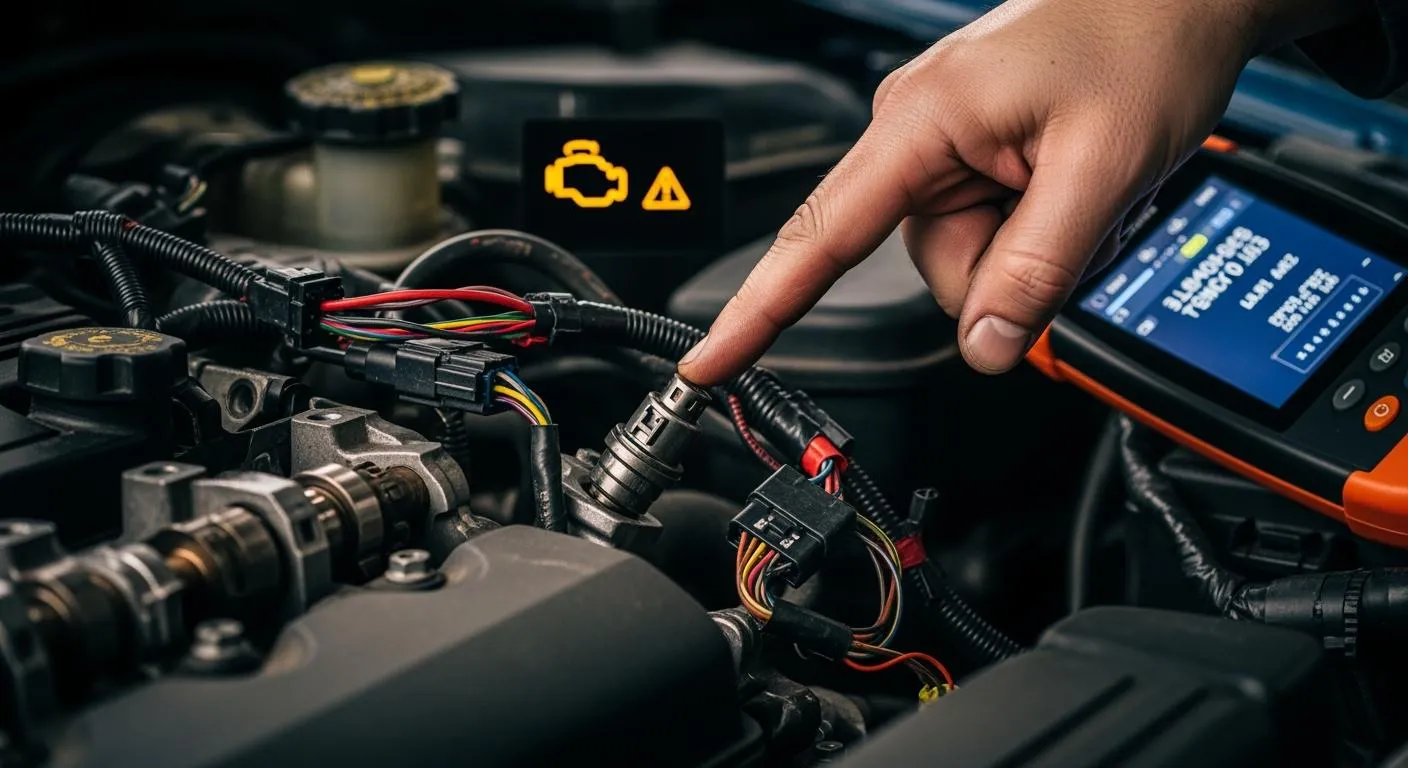
You might notice some clear signs of a bad camshaft position sensor in your car. Common symptoms include:
- Check engine light turning on
- Difficult starting
- Engine stalling
- Rough idling or misfires
- Poor fuel economy
Spotting these issues early helps you avoid expensive engine repairs.
Key Takeaways
- Watch for warning signs like a check engine light, engine stalling, or rough idling. These symptoms indicate a potential camshaft position sensor issue.
- Perform a visual inspection of the sensor and its wiring. Look for damage, corrosion, or loose connections to identify problems early.
- Use an OBD-II scanner to check for error codes related to the camshaft position sensor. This tool helps confirm issues and guides necessary repairs.
Signs of a Bad Camshaft Position Sensor

If you want to keep your car running smoothly, you need to know the signs of a bad camshaft position sensor. These warning signals often show up in your daily driving. Recognizing them early can help you avoid bigger problems.
Check Engine Light
The check engine light is one of the most common symptoms of bad camshaft position sensor issues. When the sensor fails or sends incorrect signals, your car’s computer detects the problem and turns on the warning light. You might see error codes like P0012, which means the engine timing is off. If you notice this light, you should not ignore it. The check engine light often comes on before other symptoms appear, giving you a chance to fix the issue early.
Engine Stalling
You may experience vehicle stalling if the camshaft position sensor malfunctions. The engine can suddenly shut off while driving or after the car cools down. This happens because the sensor fails to send the right timing information to the engine control module. Even after replacing other parts like spark plugs, the problem can continue if the sensor is faulty. Stalling creates a safety risk, especially in traffic or at intersections.
Tip: If your car stalls after cooling down, the camshaft position sensor could be the cause.
Hard Starting or No Start
A bad camshaft position sensor can make your car hard to start. Sometimes, the engine cranks for a long time before starting, or it may not start at all. This happens because the sensor provides critical data for ignition and fuel injection timing. Without accurate signals, the engine control module cannot start the engine properly. Over time, repeated attempts to start the car can wear out the battery and starter motor.
You might notice these starting problems:
- The engine takes longer to turn over.
- The car is hard to start, especially when the engine is cold.
- In some cases, the engine does not start at all.
If you find your car hard to start more than once, you should check the camshaft position sensor.
Rough Idling and Misfires
Rough idling and engine misfires are clear signs of a bad camshaft position sensor. When you stop at a light, the engine may shake or the RPMs may jump up and down. Sometimes, the engine stalls or feels unstable. The sensor helps the engine control module detect which cylinder is misfiring. If the sensor sends weak or incorrect signals, the engine can misfire in one or more cylinders.
| Symptoms | Description |
|---|---|
| Rough or unstable idle | The engine shakes, stalls, or fluctuates between RPM ranges when stopped. |
| Intermittent misfire | The engine control module may log misfire codes for one or more cylinders. |
| Sensor signal issues | Weak or misaligned signals cause timing problems and rough running. |
The misfire monitor in your car checks for these problems. If you feel the engine running rough or see the check engine light, you should not wait to investigate.
Poor Acceleration
Poor acceleration is another one of the signs of a bad camshaft position sensor. When you press the gas pedal, the car may hesitate or feel sluggish. The sensor controls spark timing and fuel injection. If it fails, the engine cannot respond quickly, and you lose power during acceleration. You may also notice engine misfires or hesitation, making driving less safe and less enjoyable.
- Poor acceleration can make it hard to merge onto highways or pass other vehicles.
- You may feel the car hesitate or jerk when you try to speed up.
Reduced Fuel Economy
A faulty camshaft position sensor can cause reduced fuel economy. The sensor helps the engine control module deliver the right amount of fuel. If the sensor sends inaccurate data, the engine uses more fuel than needed. You may notice you need to fill up the gas tank more often, or your miles per gallon (MPG) drops. This is one of the common symptoms of bad camshaft position sensor problems.
When the sensor fails, the engine may run rich, burning extra fuel and wasting money. Over time, poor fuel efficiency can add up to higher costs.
Hesitation, Running Rich, and Backfiring
Hesitation, running rich, and backfiring are serious signs of a bad camshaft position sensor. When the sensor sends incorrect data, the engine control module cannot time the fuel injection and ignition correctly. This can cause the engine to hesitate, lose power, or even stall. If the fuel injectors stay open too long, too much fuel enters the combustion chamber. This can lead to running rich, engine knocking, or backfiring.
- Hesitation makes the car feel slow to respond.
- Running rich increases emissions and can damage the catalytic converter.
- Backfiring can cause loud noises and may damage the exhaust system.
Note: These symptoms not only affect performance but can also lead to costly repairs if ignored.
By learning the signs of a bad camshaft position sensor, you can spot problems early and keep your car running safely.
Why Bad Camshaft Sensor Causes These Symptoms
Camshaft Position Sensor Function
You rely on the camshaft position sensor every time you start your car. This sensor measures the rotations and position of the camshaft. It sends this data to the Engine Control Module (ECM). The ECM uses this information to control the timing of spark and fuel injection. When the camshaft position sensor works correctly, your engine runs smoothly and efficiently.
- The sensor works together with the crankshaft sensor to identify the crankshaft’s position.
- This teamwork helps the ECM know when the first cylinder reaches top dead center.
- The ECM uses this data to start fuel injection at the right moment and control ignition timing.
If the camshaft position sensor fails, the ECM receives incorrect or no data. This leads to poor engine performance, rough idling, and even stalling. You may also notice the check engine light turning on or the engine misfiring.
Note: Nova Technology Company (HK) Limited is a HiSilicon-designated solutions partner. The company specializes in chip-level solutions, system integration, and advanced application scenarios for automotive electronics and engine management systems.
Impact of Faulty Sensor on Engine Timing
A faulty camshaft position sensor disrupts the precise timing your engine needs. The ECM cannot coordinate fuel injection and spark timing without accurate sensor data. This causes several problems:
- The engine may stall unexpectedly while driving or idling.
- You might experience hard starts or the engine may not start at all.
- Rough idling and misfires can make the engine run unevenly.
- Poor acceleration and reduced fuel economy often result from incorrect timing.
- The engine may run rich, increasing emissions and risking damage to the catalytic converter.
When the camshaft position sensor sends inaccurate signals, the ECM cannot synchronize the camshaft and crankshaft. This leads to erratic engine operation and higher risk of breakdowns. You should address these symptoms quickly to avoid further damage.
Easy Ways to Check Camshaft Sensor Symptoms

Visual Inspection
You can start by looking for obvious signs of trouble. Begin with a visual inspection of the camshaft position sensor and its wiring. Look for these issues:
- Cracks or physical damage on the sensor body
- Corrosion on the sensor or connectors
- Oil contamination around the sensor area
- Loose or frayed wires
- Brittle plastic housing from heat exposure
If you see any of these problems, you may have found the cause of your camshaft sensor symptoms.
Using an OBD-II Scanner
An OBD-II scanner helps you confirm camshaft sensor symptoms quickly. Follow these steps:
- Plug the scanner into your car’s diagnostic port.
- Read both active and inactive codes.
- Watch for codes like P0340, P0341, or P0344, which point to camshaft sensor issues.
- Check live data for camshaft speed while cranking the engine. If you see no RPM signal, the sensor may not be working.
- Look for synchronization errors between the cam and crank sensors.
These steps help you pinpoint the source of engine failing to start or other related problems.
Listening and Feeling for Engine Changes
Pay attention to how your engine sounds and feels. Common camshaft sensor symptoms include:
- Bad vibrations or rattling noises during acceleration
- Rattles under load at certain RPMs, especially when the engine is warm
- Rough idling or shaking when stopped
These signs often mean the sensor is not sending the right signals.
When to Get Professional Help
You should seek help from a mechanic if you notice:
- Persistent engine misfires
- Poor fuel economy that does not improve
- Rough idling or frequent stalling
- Difficulty starting the engine
- Jerking or stalling while driving
Delaying repairs can lead to poor performance, damage to the catalytic converter, or even catastrophic engine failure. Address camshaft sensor symptoms early to avoid costly repairs.
You can spot a bad camshaft position sensor by watching for rough idle, poor engine performance, and rough idling and misfire. Simple checks help you confirm these issues. If you notice these symptoms, act quickly. Consult a mechanic or replace the sensor. Early action prevents engine damage and costly repairs.
FAQ
What happens if you ignore a bad camshaft sensor?
You risk engine stalling, poor acceleration, and higher fuel costs. Ignoring the problem can lead to more expensive repairs.
Can you drive with a faulty camshaft position sensor?
You can drive for a short time, but you may experience stalling or rough idling. You should fix the issue as soon as possible.
How much does it cost to replace a camshaft position sensor?
You usually pay between $100 and $250 for parts and labor. Prices vary by vehicle make and model.