Real-World Applications of ADC Chips: Case Studies in Modern Electronics Design
Expert guide on Real-World Applications of ADC Chips: Case Studies in Modern Electronics Design. Technical specs, applications, sourcing tips for engineers and buyers.
Introduction
In the rapidly evolving world of electronics, Analog-to-Digital Converters (ADCs) play a crucial role in bridging the gap between analog signals and digital systems. As the demand for precision and efficiency in electronic devices continues to rise, understanding the specifications and applications of ADC chips becomes increasingly important. These components are fundamental in a wide range of applications, from consumer electronics to industrial machinery. This article delves into the technical specifications, design considerations, and real-world applications of ADC chips, providing a comprehensive guide for engineers and designers.
Technical Overview
ADCs are essential components that convert continuous analog signals into discrete digital numbers, allowing microcontrollers and digital signal processors to handle real-world data. The core concept behind ADCs involves sampling an analog input, quantizing the sampled data, and then encoding it into a digital format. Various types of ADCs exist, including Successive Approximation Register (SAR), Sigma-Delta, and Flash ADCs, each with unique characteristics suited for specific applications.
SAR ADCs are known for their balance between speed and resolution, making them suitable for general-purpose applications. Sigma-Delta ADCs, on the other hand, offer high resolution and are ideal for audio and precision measurement applications. Flash ADCs provide ultra-fast conversion rates, though typically at lower resolutions, making them suitable for high-speed applications like video processing.
The selection of an ADC depends on several factors, including resolution, sampling rate, power consumption, and input signal range. Furthermore, understanding the electrical, thermal, and mechanical specifications is crucial for integrating these components into a design effectively.
Detailed Specifications
| Parameter | Value | Units | Notes |
|---|---|---|---|
| Resolution | 12 | Bits | Determines the precision of conversion |
| Sampling Rate | 1 MSPS | Samples per second | Maximum speed of conversion |
| Input Voltage Range | 0-5 | Volts | Compatible with most sensors |
| Power Supply Voltage | 3.3 | Volts | Standard logic level |
| Power Consumption | 10 | mW | Low power consumption |
| Signal-to-Noise Ratio (SNR) | 72 | dB | Indicates the noise performance |
| Integral Non-Linearity (INL) | ±1 | LSB | Accuracy of the ADC |
| Differential Non-Linearity (DNL) | ±0.5 | LSB | Consistency of step sizes |
| Temperature Coefficient | 20 | ppm/°C | Stability over temperature |
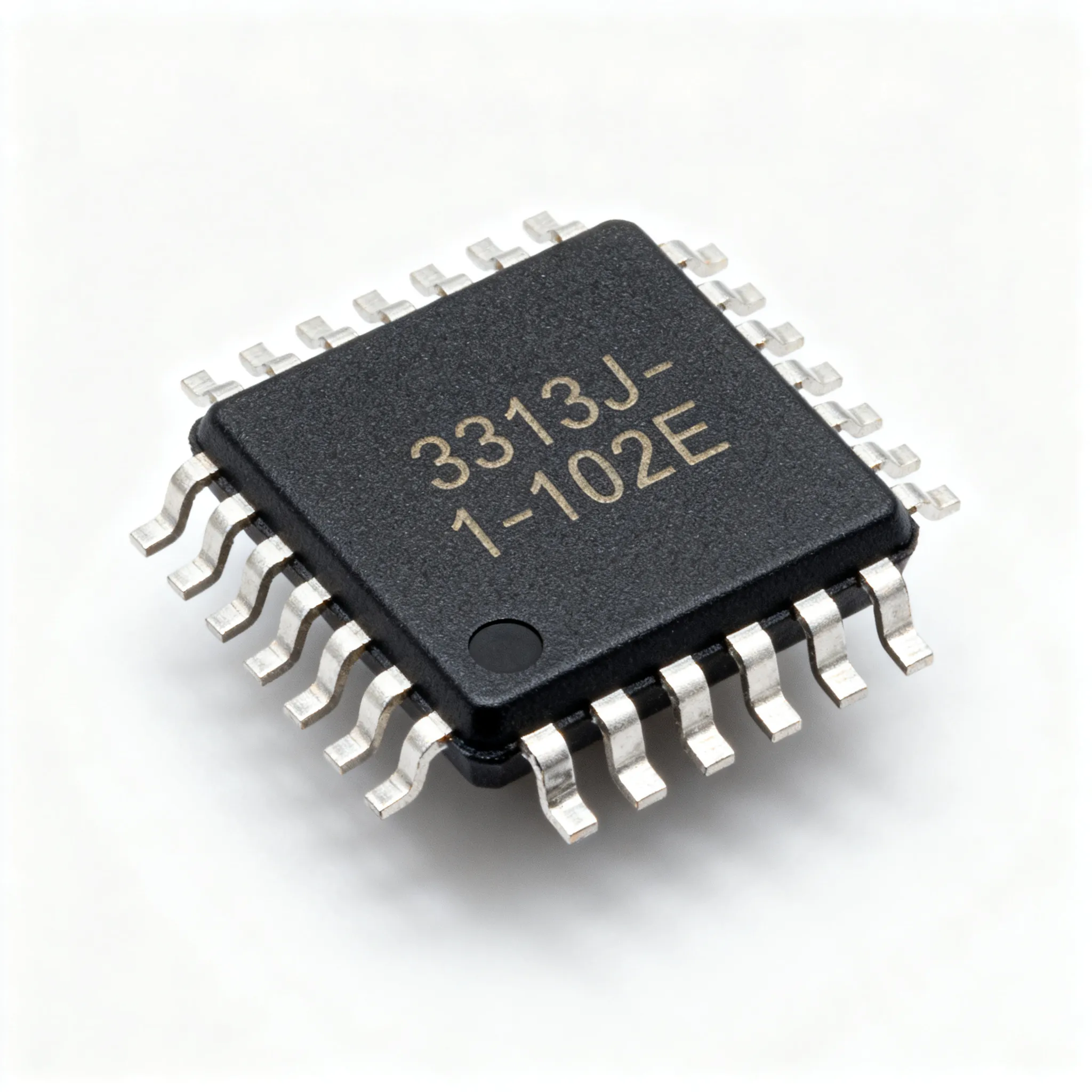
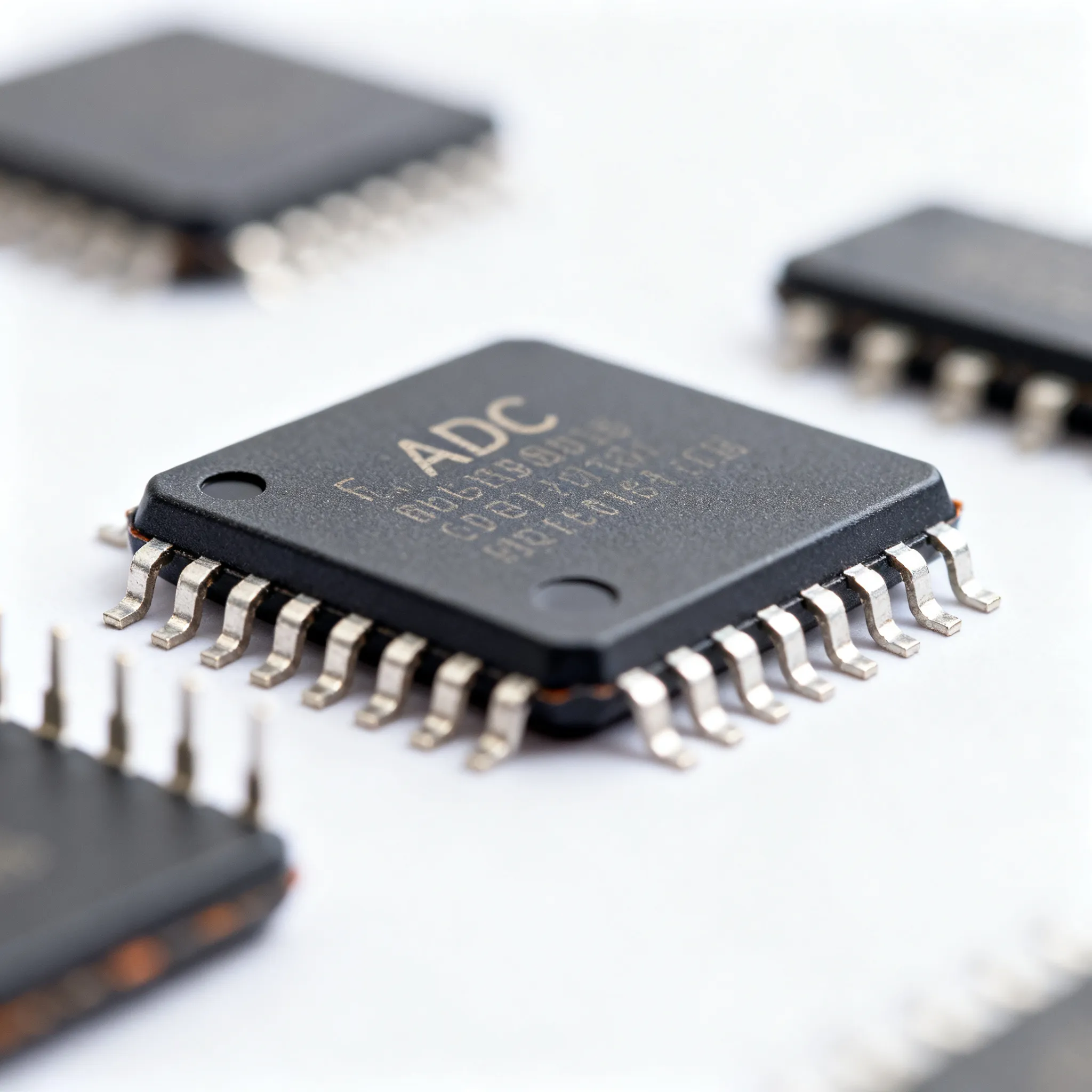
| Package Type | LQFP | - | Low-profile quad flat package |
| Parameter | Value | Units | Notes |
|---|---|---|---|
| Operating Temperature Range | -40 to 85 | °C | Suitable for industrial applications |
| Storage Temperature Range | -65 to 150 | °C | Safe range for storage |
| Thermal Resistance (Junction-to-Case) | 30 | °C/W | Important for thermal management |
| Package Thermal Limit | 150 | °C | Maximum temperature for package |
| Lead Finish | SnPb | - | Type of lead finish |
| Moisture Sensitivity Level | MSL 3 | - | Requires careful handling |
| Weight | 0.5 | g | Lightweight package |
| Dimensions | 10x10x1.4 | mm | Compact size |
| Application | ADC Type | Resolution | Sampling Rate | Notes |
|---|---|---|---|---|
| Audio Processing | Sigma-Delta | 24-bit | 48 kSPS | High fidelity audio |
| Medical Imaging | SAR | 16-bit | 500 kSPS | Precision and speed |
| Industrial Automation | SAR | 12-bit | 1 MSPS | Robust and versatile |
| Video Processing | Flash | 8-bit | 1 GSPS | High-speed conversion |
| Sensor Data Acquisition | SAR | 10-bit | 200 kSPS | General-purpose use |
The tables above provide detailed insights into the specifications of ADC chips. The electrical specifications highlight the performance metrics, such as resolution and sampling rate, which dictate the precision and speed of the conversion process. Thermal and mechanical specifications ensure that the ADC can withstand environmental stresses, making them suitable for a variety of applications. Finally, the application comparison table demonstrates how different ADC types are optimized for specific uses, showcasing the versatility of these components in modern electronics.
Design Considerations
When designing a system with ADCs, several factors must be considered to ensure optimal performance. Firstly, matching the ADC's input range with the signal source is crucial to maximize dynamic range and minimize quantization errors. This can often be achieved through proper signal conditioning circuits, such as amplifiers and filters.
Power supply considerations are also critical, as ADC performance can be significantly affected by variations in supply voltage. Utilizing low-dropout regulators (LDOs) or dedicated power management ICs can help maintain stable power levels. Additionally, careful layout and grounding practices are necessary to minimize noise interference, which can degrade the ADC's accuracy.
Another key consideration is the selection of the appropriate ADC architecture based on the application's requirements. For instance, SAR ADCs are generally preferred for applications requiring a balance of speed and precision, while Sigma-Delta ADCs are ideal for high-resolution applications such as audio processing.
Finally, thermal management should not be overlooked, especially in high-performance applications. Ensuring adequate heat dissipation through the use of heatsinks or thermal vias can prevent the ADC from exceeding its maximum junction temperature, thus maintaining reliability and longevity.
Step-by-Step Guide
Designing with ADCs involves several critical steps to ensure successful integration and optimal performance:
- Define Application Requirements: Determine the necessary resolution, sampling rate, and input range for your application. This will guide the selection of the appropriate ADC type and model.
- Select the ADC: Based on the defined requirements, choose an ADC that meets the specifications. Consider factors such as power consumption, package type, and thermal performance. For instance, ADS1115 is a popular choice for high-precision applications.
- Design Signal Conditioning Circuit: Design pre-conditioning circuits to match the ADC's input range and improve signal quality. This may involve using operational amplifiers, filters, and voltage dividers.
- Power Supply Design: Ensure stable power supply to the ADC using LDOs or power management ICs. Pay attention to the recommended supply voltage in the ADC's datasheet.
- PCB Layout: Design the PCB layout with careful consideration of grounding and shielding to minimize noise. Keep analog and digital grounds separate to prevent interference.
- Software Integration: Develop software to interface with the ADC, configuring it to operate at the desired sampling rate and resolution. Utilize libraries or APIs provided by the ADC manufacturer.
- Testing and Validation: Once the hardware and software are integrated, conduct thorough testing to validate the ADC's performance. Check for linearity, noise, and accuracy under various conditions.
- Iterate and Optimize: Based on testing results, make any necessary adjustments to the design. This may involve tweaking the signal conditioning circuit, optimizing the layout, or adjusting software settings.
Common Issues & Solutions
Despite careful design, several common issues can arise when working with ADCs. Here are some typical problems and their solutions:
- Noise Interference: ADCs are sensitive to noise, which can degrade performance. Solution: Implement proper grounding and shielding techniques, and use differential signaling where possible.
- Non-linearity: Non-linear output can occur due to poor ADC performance. Solution: Ensure the ADC is operating within its specified range and check for any non-linearities in the signal conditioning circuit.
- Temperature Drift: ADCs can exhibit temperature-related performance drift. Solution: Use components with low temperature coefficients and implement temperature compensation in the software.
- Power Supply Variations: Fluctuations in power supply can affect ADC accuracy. Solution: Use LDOs or voltage regulators to provide a stable power source.
- Aliasing: Aliasing occurs when the input signal frequency exceeds half the sampling rate. Solution: Use anti-aliasing filters to limit the input signal bandwidth before sampling.
Applications & Use Cases
ADCs find applications across various industries due to their versatility. In consumer electronics, ADCs are used in audio equipment to convert analog sound into digital formats, ensuring high-quality audio playback. In the medical field, ADCs are crucial in imaging equipment, providing high-resolution images for accurate diagnostics. Industrial automation relies on ADCs to monitor and control processes, ensuring efficiency and safety. In automotive systems, ADCs are used in sensors to provide real-time data for vehicle control systems. Each application leverages the specific strengths of different ADC types to meet its unique requirements.
Selection & Sourcing Guide
Selecting the right ADC involves careful consideration of application requirements and available options. For sourcing ADCs, [IC Online](https://www.ic-online.com/) provides a comprehensive selection of components from leading manufacturers. Their platform allows you to search and compare different ADC models based on specifications, ensuring you find the best fit for your design needs.
FAQ
-
What is the difference between SAR and Sigma-Delta ADCs?
SAR ADCs offer a balance of speed and resolution, making them suitable for general applications. Sigma-Delta ADCs provide higher resolution but are slower, ideal for audio and precision measurements.
-
How does resolution affect ADC performance?
Resolution determines the smallest change in analog input that can be detected by the ADC. Higher resolution allows for more precise measurements.
-
Why is sampling rate important?
The sampling rate defines how often the ADC samples the input signal. A higher sampling rate allows for more accurate representation of fast-changing signals.
-
What is aliasing, and how can it be prevented?
Aliasing occurs when the input signal frequency exceeds half the sampling rate, causing distortion. It can be prevented using anti-aliasing filters to limit the input bandwidth.
-
What factors affect ADC accuracy?
ADC accuracy can be affected by noise, temperature drift, non-linearity, and power supply variations. Proper design and layout can mitigate these issues.
-
How do I choose the right ADC for my application?
Consider factors such as resolution, sampling rate, power consumption, and input range. Match these with your application's requirements to select the appropriate ADC.
-
Can ADCs handle negative voltages?
Some ADCs can handle bipolar input ranges, but most require input signals to be within a specified positive range. Use level-shifting circuits if necessary.
-
What is an LDO, and why is it used with ADCs?
An LDO is a low-dropout regulator that provides a stable power supply to the ADC, minimizing power supply variations that could affect performance.
-
How do I ensure thermal stability in ADC designs?
Use components with low temperature coefficients, implement thermal management techniques, and ensure adequate heat dissipation to maintain stability.
-
What role do ADCs play in IoT applications?
ADCs are used in IoT devices to convert sensor data from analog to digital, enabling microcontrollers and processors to process and transmit the information.
Conclusion
ADCs are indispensable components in modern electronics, enabling the conversion of real-world analog signals into digital data for processing. Understanding their specifications and applications is crucial for designing efficient and reliable systems. By considering the factors discussed in this article, engineers can select and integrate the right ADCs into their designs, ensuring optimal performance across various applications.