The Next Generation of Automotive Display Technology
The automotive industry is transforming the vehicle interior into cohesive digital cockpits. Larger, smarter screens are fun
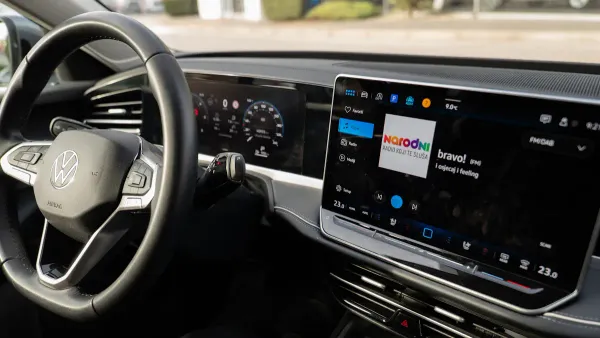
The automotive industry is transforming the vehicle interior into cohesive digital cockpits. Larger, smarter screens are fundamentally changing how people interact with their vehicle. This innovation in display technology is a key part of modern automotive design. The future of in-vehicle displays points toward more integrated and intelligent systems.
The global market for automotive displays shows this trend's power. It is projected to grow from USD 15.37 billion in 2024 to USD 32.88 billion by 2032.
This shift from the basic automotive lcd screen to advanced digital screens raises a question. What key technology is driving these trends, and how will these new displays redefine the in-vehicle experience?
Key Takeaways
- Car screens are changing a lot. They are becoming bigger and smarter. This makes driving and riding in cars better.
- New screens use better technology. This includes Mini-LED and Micro-LED. These screens show clearer pictures and brighter colors.
- Cars now have one big screen instead of many small ones. This is called a digital cockpit. It helps control everything easily.
- Future car screens will help drivers stay safe. They will show important information on the windshield. This is called an AR-HUD.
- Car screens will also entertain passengers. They will offer movies and games. This makes long trips more fun for everyone.
Key Innovations in Automotive Displays
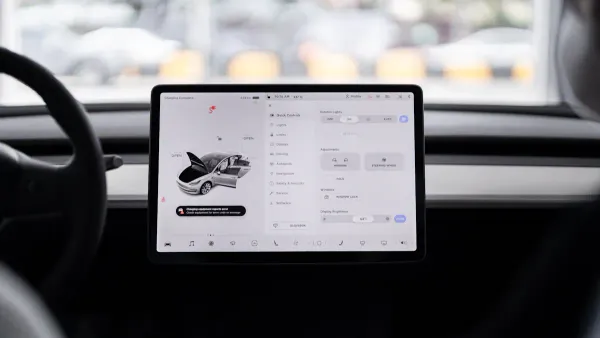
The automotive industry is experiencing a surge in display innovation. This growth is not just about size but also about capability. The modern vehicle-mounted display is becoming smarter and more integrated. These trends are pushing the boundaries of what in-vehicle screens can do. Let's explore the key technologies driving this evolution.
The Evolving Automotive LCD Screen
The traditional automotive lcd screen is not disappearing. Instead, it is evolving with significant upgrades. Automakers continue to rely on LCD technology because of its proven reliability and improving performance. New advancements are closing the gap with other display types.
Key improvements to the automotive lcd screen include:
- Better Color and Brightness: Technologies like Quantum Dot (QD) enhancement are being added to LCD panels. This creates more vivid colors and a wider color range, making content appear true-to-life.
- Improved Viewing: IPS (In-Plane Switching) LCDs provide excellent viewing angles and color accuracy. This is crucial for large screens that passengers and drivers view from different positions.
- Higher Contrast: Full-array local dimming is a major step forward. This technology uses hundreds of LED zones behind the screen. It dims dark areas and brightens light areas independently. This boosts contrast ratios significantly and saves considerable power.
While newer technologies are emerging, LCDs still dominate the market. Projections show that LCD variants will hold a commanding market share in the near future.
| Technology | Market Share (2025) |
|---|---|
| LTPS TFT LCD | 45% |
| a-Si TFT LCD | 44% |
| OLED | 9% |
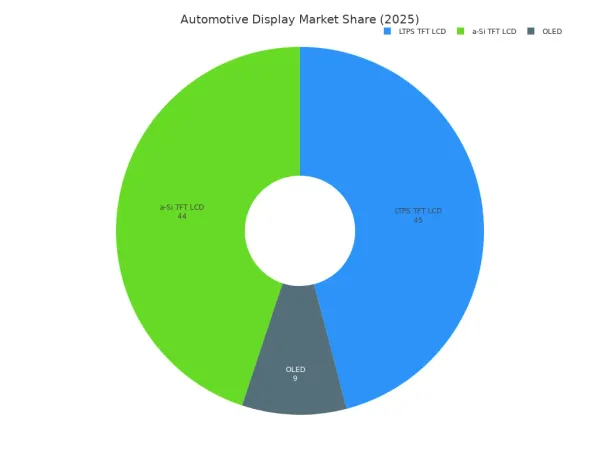
These figures show that the automotive lcd screen remains a central part of the in-vehicle experience, with premium versions driving market growth.
Rise of the Unified Digital Cockpit
Automakers are moving away from separate screens for gauges, media, and climate control. They are now creating a single, unified digital cockpit. This approach combines multiple in-vehicle functions into one seamless interface. A unified system relies on powerful hardware and sophisticated software to work.
Inside the Digital Cockpit The core components include a digital instrument cluster, a central infotainment system, and sometimes a Head-Up Display (HUD). These elements are powered by a central computer.
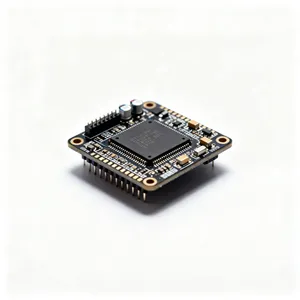
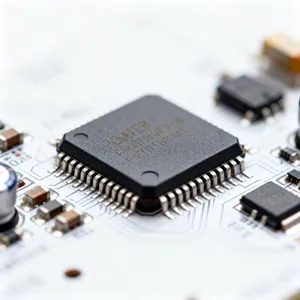
This integration is made possible by advanced System on Chips (SoCs). An SoC is a single chip that runs the instrument cluster, infotainment, and other displays. This saves space and cost. Powerful application processors handle tasks like navigation, video playback, and driver monitoring. To make these complex systems a reality, automotive companies often work with specialized partners. For example, a solutions partner like Nova Technology Company (HK) Limited helps integrate powerful processors, such as those designed by HiSilicon, into a cohesive in-vehicle platform.
Virtualization is another key technology. It allows a single SoC to run multiple operating systems at once. A real-time OS (RTOS) can handle critical functions like speed and warnings, while another OS like Android Automotive can run media apps. This ensures that if the music app crashes, the speedometer on the screen keeps working perfectly.
The Shift to Mini-LED and Micro-LED
The future of in-vehicle displays is getting brighter with Mini-LED and Micro-LED technology. These two technologies offer major upgrades over traditional screens.
Mini-LED is an enhancement of LCD technology. It uses thousands of tiny LEDs as a backlight instead of a few large ones. This allows for much more precise local dimming. The result is deeper blacks, higher brightness, and better contrast. Mini-LED screens provide a premium viewing experience that comes close to OLED at a more affordable price.
Micro-LED represents a more revolutionary step. Unlike LCD or Mini-LED, Micro-LED screens are self-emissive, meaning each pixel creates its own light. This technology offers several advantages:
- Superior Image Quality: It delivers infinite contrast and a very wide color gamut.
- High Brightness and Efficiency: Micro-LED displays are expected to be brighter and more power-efficient than OLEDs.
- Durability: They have a longer lifespan and do not suffer from the "burn-in" issue that can affect OLED screens over time.
While Mini-LED is already appearing in new vehicle models, Micro-LED is still an emerging technology. Its potential for creating large, seamless, and durable displays makes it a very exciting prospect for the future of automotive interiors.
Advanced Formats: Curved and Flexible Screens
The shape of in-vehicle screens is also changing. Flat, rectangular displays do not always fit well into the curved, ergonomic design of a modern vehicle cabin. As a result, automakers are adopting curved and flexible screens.
Curved displays wrap around the driver, improving visibility and creating a more immersive feel. They help reduce clutter and allow designers to integrate large screens more elegantly into the dashboard. This focus on ergonomics enhances both safety and user experience. The primary benefit of this design is its ability to fit the natural contours of a vehicle interior.
Flexible screens offer even more possibilities. This technology allows displays to bend or even fold.
- Dynamic Applications: Screens could adjust their position for different drivers or retract when not in use.
- Durability: Flexible circuits can absorb vibrations in a moving vehicle, preventing connection loss.
- New Form Factors: They can act as hinges in foldable panels, maintaining a perfect digital connection across moving parts.
However, these advanced formats present challenges. Manufacturing costs are higher, and ensuring long-term durability for a flexible screen is complex. Content also needs to be optimized to look right on a curved surface. Despite these hurdles, the push for a better in-vehicle experience is driving the adoption of these innovative display formats.
The Future of In-Vehicle Displays
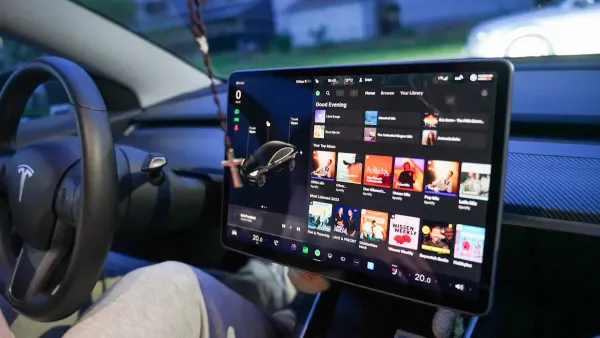
The future of in-vehicle displays is moving toward a smarter, more intuitive system. This system will integrate seamlessly with the driving experience. Advanced technology is transforming simple screens into dynamic interfaces. These displays will anticipate needs and enhance every moment inside the vehicle. The evolution of the vehicle-mounted display is creating a more connected and personalized environment for everyone.
Enhanced Driver Awareness with AR and HUDs
Augmented Reality (AR) and Head-Up Displays (HUDs) are key trends shaping the future of automotive safety. This technology projects vital information directly onto the windshield. Drivers can see data without looking away from the road. AR-HUDs blend virtual information with the real world, creating a safer and more informed driving experience.
Modern AR-HUD systems offer many features to improve driver awareness.
- They provide real-time information about the vehicle's surroundings, including alerts for pedestrians and other cars.
- Navigation becomes seamless with turn-by-turn directions appearing to float over the road ahead.
- The technology integrates with Advanced Driver Assistance Systems (ADAS) to display warnings for lane departure or potential collisions.
The market for this technology shows strong growth. The AR-HUD segment is expanding rapidly as automakers recognize its value in enhancing safety and reducing driver distraction.
The demand for AR-HUDs is rising, especially with the growth of semi-autonomous vehicles. These systems provide critical contextual information, improving a driver's situational awareness. The market is projected to grow significantly in the coming years.
| Metric | Details |
|---|---|
| Base Year | 2024 |
| Market Size in 2024 | USD 1.5 Billion |
| Forecast Period | 2025 - 2034 |
| CAGR (2025-2034) | 16.7% |
| Market Size in 2034 | USD 6.9 Billion |
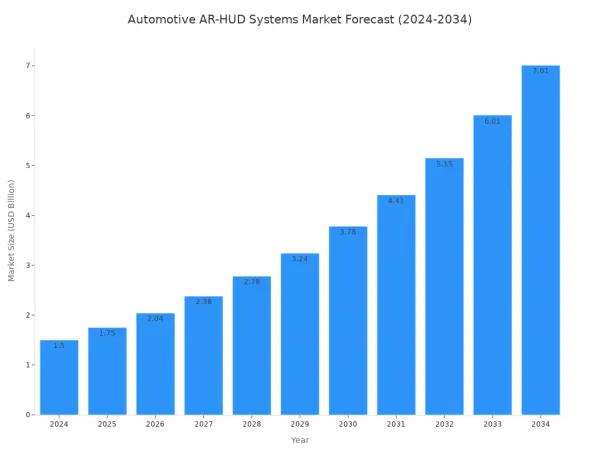
This growth reflects the industry's commitment to a future where displays actively contribute to driver safety.
A New Era of Passenger Entertainment
The role of in-vehicle screens is expanding beyond the driver. A new era of passenger entertainment is dawning. High-resolution displays and powerful connectivity are turning the vehicle cabin into a mobile media hub. Passengers can now enjoy a rich variety of content on their journey.
Rear-seat entertainment systems are offering access to many popular services.
- Streaming Services: Passengers can watch content from major OTT platforms like Netflix and YouTube.
- Interactive Content: The screens support more than just video. They integrate e-commerce for shopping, educational platforms for learning, and even productivity software for working on the go.
This rich media experience depends on robust in-vehicle technology. Automakers are building a strong digital backbone to handle the data demands. High-speed 5G connectivity provides the bandwidth for smooth 4K streaming and cloud gaming. Inside the car, Automotive Ethernet manages the high-speed data flow between different systems. Standardized operating systems like Android Automotive make it easier to integrate a wide range of entertainment apps, ensuring a seamless and engaging experience on all in-vehicle screens.
Personalization Through AI-Driven Interfaces
Artificial Intelligence (AI) is making the in-cabin user experience deeply personal. AI-driven interfaces learn from user behavior to create a smart environment that adapts to individual needs. This technology transforms the digital instrument cluster and central screens from static tools into responsive partners. The future of automotive design is one where the car knows you.
AI systems can learn a driver's habits over time. For example, the Mercedes-Benz MBUX system uses AI to remember preferred routes, music choices, and climate settings. It can automatically adjust these settings when the driver enters the vehicle. Some advanced systems can even analyze a driver's mood to change the cabin lighting or music, creating a more comfortable atmosphere.
AI also uses contextual data to adapt the user interface in real time.
- Location-Based Changes: An AI can show navigation details when the vehicle is approaching a turn. It can then switch to media controls when the vehicle is cruising on a highway.
- Time-Based Adjustments: The interface can change its theme for morning or night driving. It might also display local restaurant suggestions around lunchtime.
This dynamic adaptation makes the displays more intuitive. The system presents the right information at the right time, reducing complexity and enhancing the overall in-vehicle experience.
Balancing Innovation with Driver Safety
The growth of large, interactive screens brings a major challenge: driver distraction. Complex infotainment systems can pull a driver's attention from the road for dangerous lengths of time. The automotive industry must balance new features with safety. This requires a thoughtful approach to user interface design and interaction technology.
Designing for Minimal Distraction
A good user interface design is the first line of defense against distraction. Designers aim to reduce the mental effort needed to use in-vehicle systems. Research shows that programming navigation is a highly distracting task. Therefore, interfaces must be simple and intuitive.
Key Design Principles for Safety
- Prioritize Information: Speed and safety alerts must always be easy to see.
- Simplify Access: Core functions like climate control should be no more than one tap away.
- Reduce Clutter: Show only what is necessary for the current task.
Regulations like the Federal Motor Vehicle Safety Standard (FMVSS) 101 also guide the placement and visibility of essential displays. This ensures that critical information on the screens is always accessible to the driver.
Haptic Feedback and Gesture Controls
Automakers are exploring new ways for drivers to interact with screens. Haptic feedback adds a sense of touch to a flat surface. Newer piezoelectric technology creates crisp vibrations that feel like a real button press. This allows drivers to confirm an action without looking at the screen.
Gesture controls offer another hands-free option. A driver can change the volume or answer a call with a simple hand wave. Studies show gestures can be less distracting than using a touchscreen. However, they still require more mental focus than physical buttons and lack tactile confirmation.
The Role of Advanced Voice Commands
Advanced voice commands are emerging as one of the safest interaction methods. This technology uses Natural Language Processing (NLP) to understand conversational requests. Drivers can keep their hands on the wheel and eyes on the road. They can control navigation, music, and climate with simple spoken commands. Systems like the one in a modern Mercedes-Benz vehicle can even learn a driver's habits. This makes the interaction feel more natural and reduces the need to interact with the displays manually.
Key trends show the automotive industry is moving beyond the basic automotive lcd screen. Advanced technology powers larger, integrated displays. This smart design creates an engaging in-vehicle experience while also enhancing safety. The future of these in-vehicle displays is not just about bigger screens. The future of the automotive vehicle is a connected, dynamic digital space for all occupants.
FAQ
What is the main difference between Mini-LED and Micro-LED?
Mini-LED technology uses thousands of tiny LEDs to backlight a traditional LCD panel. This creates better contrast. Micro-LED technology is different because each pixel produces its own light. This results in superior brightness and image quality.
Why are automakers using curved screens?
Automakers use curved screens to fit the natural shape of a car's interior. The design wraps around the driver, which improves visibility. This creates a more immersive and ergonomic user experience while reducing dashboard clutter.
How do AR-HUDs improve driver safety?
Augmented Reality Head-Up Displays (AR-HUDs) project important data onto the windshield. Drivers see navigation and alerts in their line of sight. This technology helps them keep their eyes on the road, improving overall awareness.
What is a unified digital cockpit?
A unified digital cockpit combines the instrument cluster, infotainment, and other screens into one seamless system. A single powerful computer runs all the displays. This approach creates a more integrated and cohesive in-vehicle experience for users.