What Sets Microprocessors Apart from Integrated Circuits
A microprocessor is a programmable IC acting as a device's brain, while most integrated circuits perform fixed, specific functions. See how they differ.
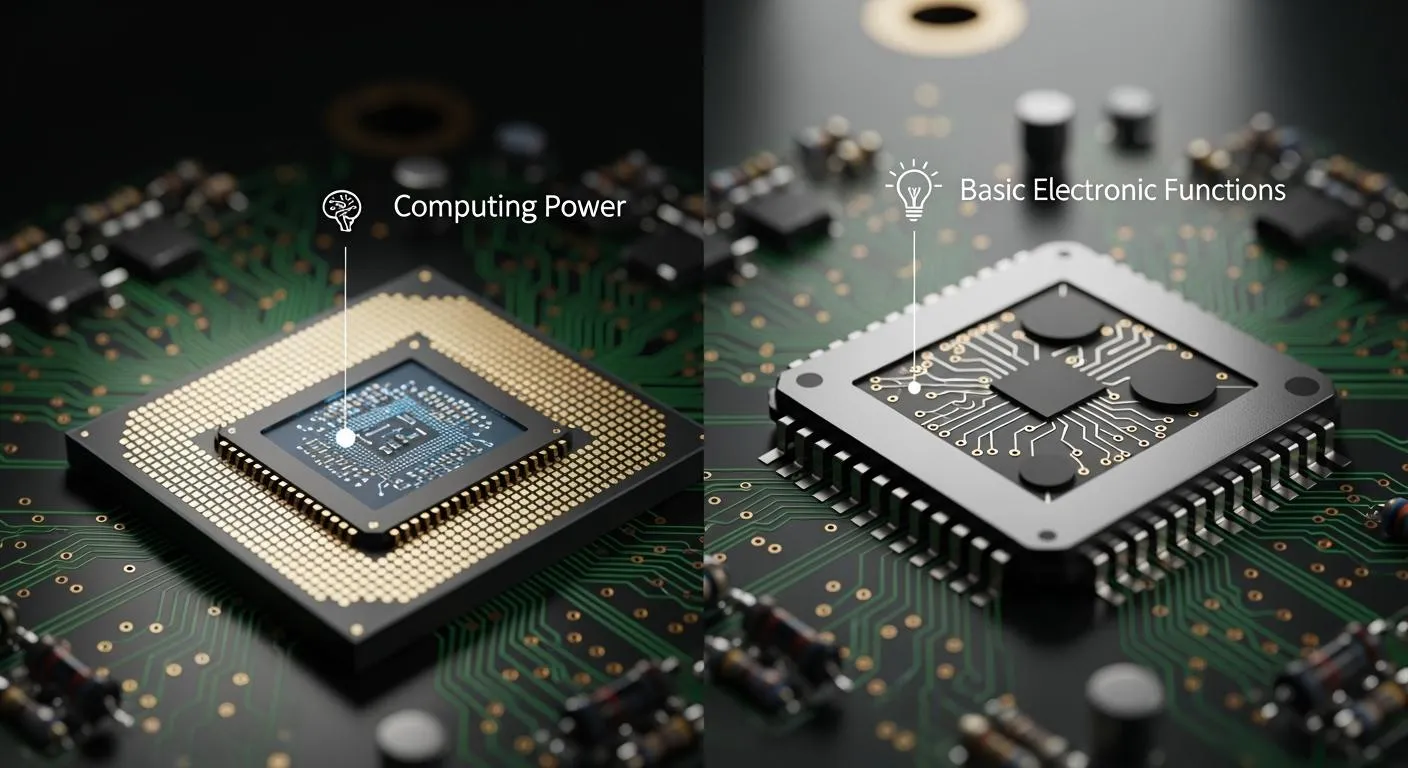
You might wonder how is a microprocessor different from an integrated circuit. Simply put, a microprocessor acts as the brain of a device, handling complex tasks, while an integrated circuit usually performs specific functions. Knowing this distinction helps you make smarter choices for electronics design.
- Microprocessors execute complex tasks.
- Integrated circuits handle specific functions.
- Understanding these differences improves your project results.
| Feature | Microprocessor | Integrated Circuit |
|---|---|---|
| Functionality | Executes complex tasks | Performs specific functions |
| Complexity | Generally more complex | Can range from simple to complex |
| Design Considerations | Requires careful management of power, heat, and signals | Varies based on specific application needs |
Key Takeaways
- Microprocessors act as the brain of devices, executing complex tasks through programming.
- Integrated circuits perform specific functions, making them ideal for dedicated tasks like signal amplification.
- Choosing the right component depends on your project's needs; use microprocessors for flexibility and integrated circuits for efficiency.
How Is a Microprocessor Different from an Integrated Circuit

Microprocessor Definition
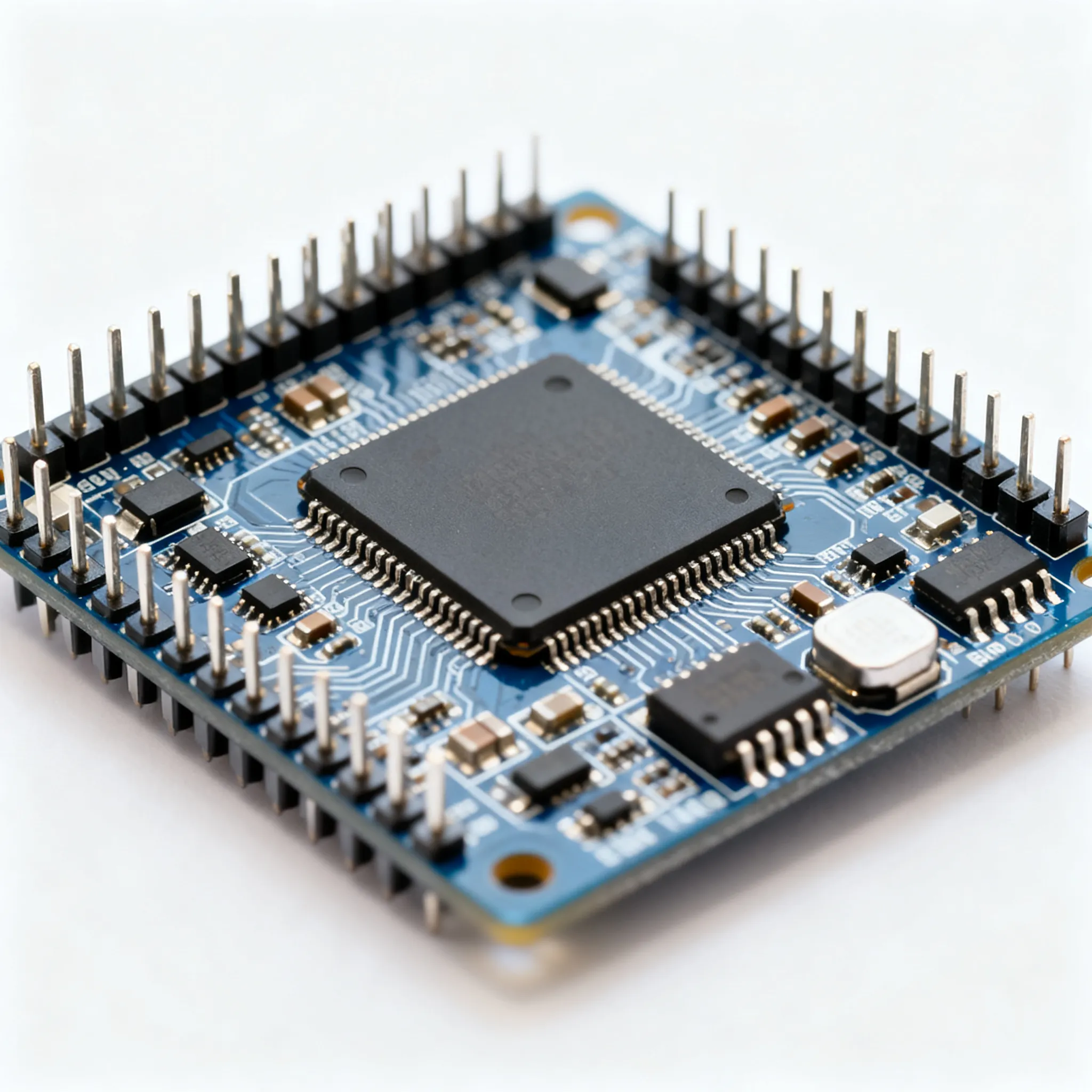
A microprocessor is a computer processor that brings together all the data processing logic and control on a single chip. You can think of it as the central processing unit of a computer, but in a much smaller package. The microprocessor contains the arithmetic, logic, and control circuits needed to run programs and perform calculations. You can program a microprocessor to handle many different tasks, which makes it very flexible for use in computers, smartphones, and embedded systems.
Here are the main functions a microprocessor performs in a system:
| Function | Description | Examples |
|---|---|---|
| Arithmetic Operations | Basic calculations like addition, subtraction, multiplication, and division. | Calculating totals, measuring distances in GPS, calculating interest rates in banking. |
| Logical Operations | Comparing values and making decisions based on logical conditions. | Verifying passwords, sorting lists, filtering messages based on keywords. |
| Data Handling | Moving, storing, and retrieving data. | Fetching data from servers, saving documents, moving files to a pen drive. |
| Control Operations | Controlling the flow of instructions and task sequences. | Regulating fan speed, controlling microwave temperature, managing traffic light sequences. |
| Instruction Execution | Executing various instructions to perform tasks. | Opening software, removing backgrounds from images, scanning for viruses. |
| Interrupt Handling | Prioritizing tasks and managing interruptions. | Pausing videos on low battery, displaying notifications for new messages, stopping print jobs. |
| Power Management | Managing power consumption and energy efficiency. | Reducing power when idle, turning off screen backlight, adjusting fan speed based on temperature. |
You can see that a microprocessor is highly programmable and can adapt to many different roles in electronic devices.
Integrated Circuit Definition
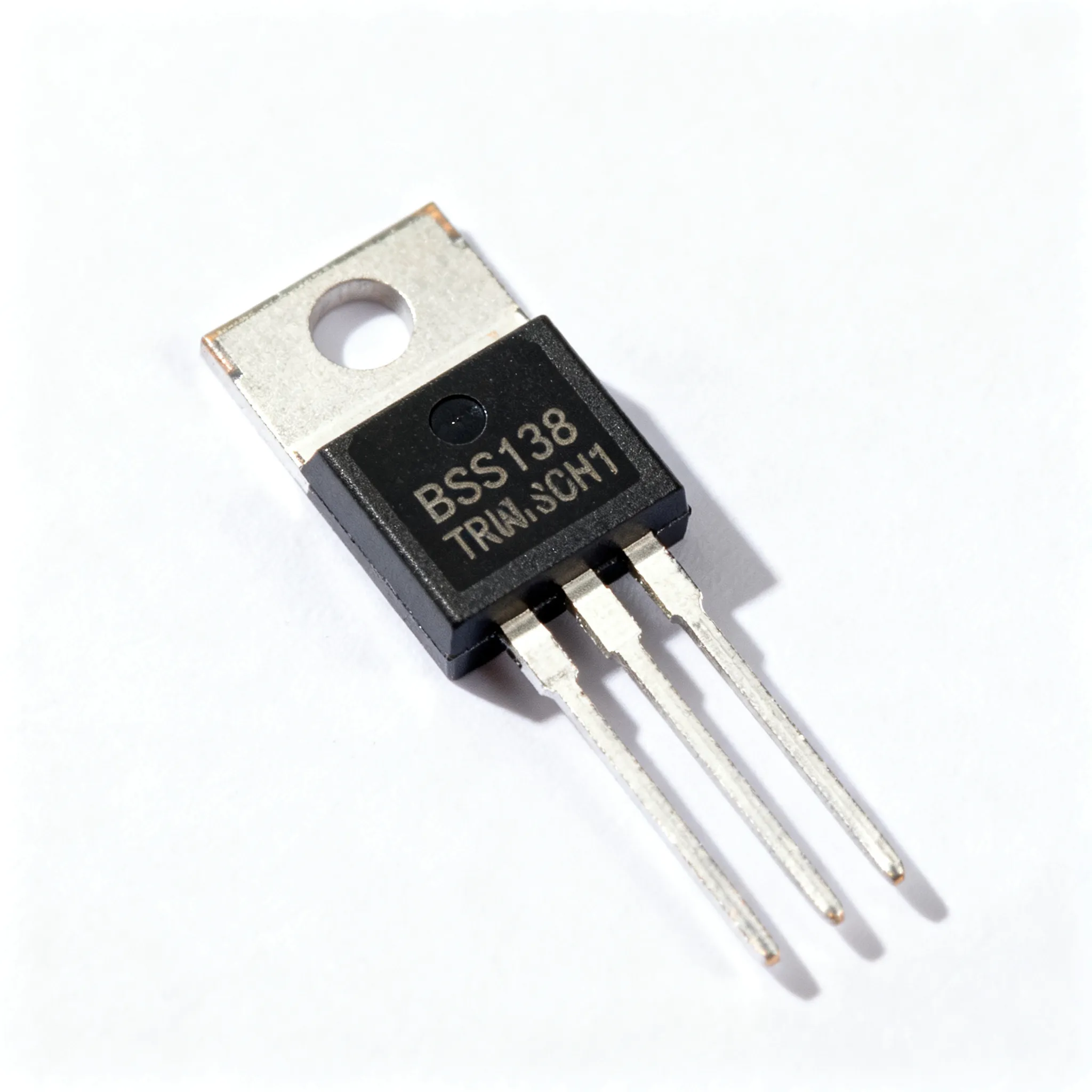
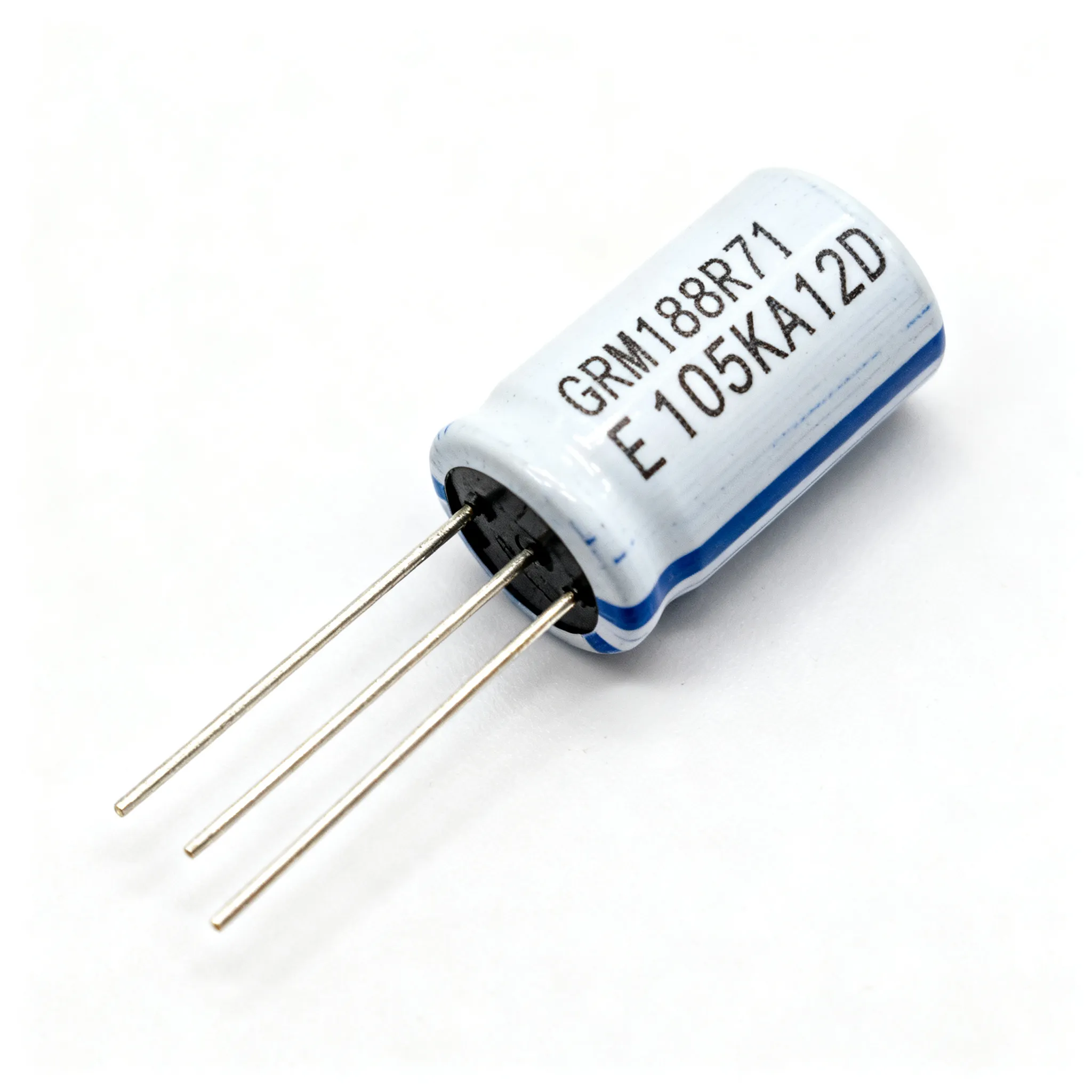
An integrated circuit is a compact semiconductor device that contains many electronic components, such as transistors, resistors, and capacitors, all built onto a single piece of silicon. You will find integrated circuits in almost every electronic device, from calculators to washing machines. These circuits can be simple, like a single logic gate, or complex, like a memory chip.
Integrated circuits come in several main types:
- Digital ICs
- Analog ICs
- Mixed-signal ICs
- Application-specific ICs (ASICs)
Each type serves a unique purpose. For example, digital ICs process binary signals, while analog ICs handle continuous signals like sound. Mixed-signal ICs can work with both types, and ASICs are designed for specific applications.
Industry Note:
Nova Technology Company (HK) Limited stands as a HiSilicon-designated solutions partner in the integrated circuit industry. The company specializes in chip-level solutions, system integration, and advanced application scenarios. If you need expertise in semiconductor design or want to build reliable, high-performance systems, Nova Technology Company (HK) Limited provides professional support for your projects.
Integrated circuits are the building blocks of modern electronics. They make devices smaller, faster, and more reliable.
Core Differences
When you compare how is a microprocessor different from an integrated circuit, you notice several important points. The table below highlights the main differences:
| Feature | Microprocessor | Integrated Circuit |
|---|---|---|
| Programmability | Highly programmable, can execute various tasks | Fixed functionality, hardwired during manufacturing |
| Flexibility | Can be updated via software for new functions | Cannot be repurposed for different tasks |
| Functionality | Complete central processing unit on a single chip | Can be simple logic gates or complex systems |
| Internal Structure | Includes ALU, control unit, and memory interfaces | Optimized for specific functions |
| Speed | High-speed operation with minimal delay | Performance is fixed after manufacturing |
| Complexity | High, integrates CPU, memory, and I/O | Varies from simple to complex |
| Number of Transistors | Generally high due to integrated functions | Can be low or high depending on design |
| Integration Level | High, integrates CPU functions on a single chip | Varies, may integrate specific functions only |
| Application Scope | General-purpose computing (e.g., computers, games) | Limited to predefined functions |
| Lifespan and Reliability | May degrade over time due to heavy use and aging | Often more stable, but depends on application |
You can use a microprocessor to run many different programs and change its behavior with software. In contrast, an integrated circuit usually performs one specific job, such as amplifying a signal or storing data. This is why you find microprocessors in devices that need to do many things, like computers and smartphones, while you find integrated circuits in devices that need to do one thing very well, like audio amplifiers or memory chips.
If you ask, "how is a microprocessor different from an integrated circuit," remember these key points:
- A microprocessor acts as the brain, handling many tasks through programming.
- An integrated circuit usually performs a single, dedicated function.
- Microprocessors offer flexibility and speed, while integrated circuits provide reliability and efficiency for specific jobs.
- In microprocessor vs integrated circuit comparisons, you see that microprocessors suit general-purpose computing, and integrated circuits excel in focused roles.
Understanding how is a microprocessor different from an integrated circuit helps you choose the right component for your project, whether you design embedded systems or consumer electronics.
Microprocessor vs Integrated Circuit in Practice

Architecture and Function
You will notice that a microprocessor contains a central processing unit, memory interfaces, and control units all on one chip. This design allows you to run software and perform many tasks. In contrast, an integrated circuit can include different components such as transistors, capacitors, or resistors, but it usually handles one specific function. For example, some integrated circuits amplify signals, while others store data or manage power. Embedded systems often use both types of chips to balance flexibility and efficiency.
Use Cases
You see microprocessors in many devices you use every day.
- Smartphones and tablet computers rely on microprocessors for fast processing.
- Smart home devices, like thermostats and security cameras, use microprocessors for automation.
- Automotive electronics depend on microprocessors for safety and navigation.
- Industrial automation systems use microprocessors to control machines.
- Personal computers, laptops, and servers all need microprocessors for high-performance computing.
Integrated circuits appear in devices that need a dedicated function. You find them in audio amplifiers, memory modules, and power management chips. Embedded systems often combine a microprocessor with several integrated circuits to create a complete solution.
When to Use Each
You should choose a microprocessor when your product needs to run different programs, support updates, or handle complex tasks. If your system requires a fixed function, like signal amplification or simple logic, an integrated circuit is the better choice. Consider the environment, power needs, I/O requirements, memory, and budget before making your decision. Embedded systems designers often select microprocessors for flexibility and integrated circuits for efficiency.
Common Misconceptions
Many people think every chip is a microprocessor, but not all chips work as the brain of a device. An integrated circuit can be simple or complex, but only a microprocessor can process instructions and run software. Remember, a microprocessor is always an integrated circuit, but not every integrated circuit is a microprocessor.
Quick Reference Checklist
| Aspect | Integrated Circuit | Microprocessor |
|---|---|---|
| Primary role | Fixed electronic function | General-purpose computing |
| Programmability | None or minimal | Fully programmable |
| Software dependency | No | Yes |
| Functional flexibility | Low | High |
Note: Nova Technology Company (HK) Limited is a HiSilicon-designated solutions partner in the integrated circuit industry. The company specializes in chip-level solutions, system integration, and advanced application scenarios, supporting your semiconductor projects with professional expertise.
You now understand that microprocessors handle complex computing tasks at high speeds, while integrated circuits focus on specific functions like signal amplification or power management. When you select the right component, you balance factors such as power use, performance, cost, and size. This knowledge helps you make smarter choices for your electronics projects.
FAQ
What is the main job of a microprocessor?
You use a microprocessor to run programs and control devices. It acts as the brain, making decisions and handling complex tasks.
Can an integrated circuit be a microprocessor?
Yes. Every microprocessor is an integrated circuit, but not every integrated circuit works as a microprocessor. Some ICs perform simple tasks only.
How do you choose between a microprocessor and an integrated circuit?
You select a microprocessor for flexible, programmable tasks. You pick an integrated circuit for fixed, reliable functions like signal amplification or memory storage.