2026 Market Outlook and Best Practices for Sourcing Voltage Regulator ICs
Introduction As the global electronics industry continues to evolve, the demand for reliable and efficient power management solutions has never been more critical. Voltage regulator ICs are at the hea
Introduction
As the global electronics industry continues to evolve, the demand for reliable and efficient power management solutions has never been more critical. Voltage regulator ICs are at the heart of these solutions, ensuring that electronic devices receive a stable and precise voltage supply. The 2026 market outlook for voltage regulators is promising, driven by advancements in semiconductor technology and increasing applications across various sectors, including automotive, consumer electronics, and industrial automation. Understanding the specifications and sourcing best practices for these components is essential for engineers and procurement specialists looking to stay ahead in this dynamic market.
Technical Overview
Voltage regulator ICs are crucial components in electronic circuits, responsible for maintaining a constant output voltage regardless of changes in input voltage or load conditions. These ICs are categorized into two main types: linear regulators and switching regulators. Linear regulators, such as the LM317, provide a simple and cost-effective solution for low-power applications, while switching regulators, like the LM2596, offer higher efficiency and are suitable for high-power applications. Key parameters to consider when selecting a voltage regulator include output voltage range, output current capability, efficiency, and thermal performance.
Linear regulators operate by dissipating excess voltage as heat, making them less efficient but simpler to use. Switching regulators, on the other hand, use a high-frequency switching element to convert input voltage to a desired output level, offering higher efficiency but with increased complexity. Understanding these core principles is essential for selecting the right voltage regulator for your application.
Detailed Specifications
The following tables provide a comprehensive overview of the electrical, thermal, and application specifications of popular voltage regulator ICs.
| Parameter | Value | Unit | Notes |
|---|---|---|---|
| Output Voltage | 1.2 - 37 | V | Adjustable |
| Output Current | 1.5 | A | Maximum load current |
| Efficiency | 85 | % | Typical for switching regulators |
| Quiescent Current | 5 | mA | Idle current consumption |
| Line Regulation | 0.01 | %/V | Stability with changing input voltage |
| Load Regulation | 0.1 | % | Stability with changing load |
| Dropout Voltage | 1.25 | V | Minimum voltage difference for operation |
| Ripple Rejection | 60 | dB | Ability to suppress input ripple |
| Switching Frequency | 150 | kHz | Frequency for switching regulators |
| Transient Response | 50 | μs | Response time to load changes |
| Parameter | Value | Unit | Notes |
|---|---|---|---|
| Thermal Resistance (Junction-to-Ambient) | 50 | °C/W | Standard package |
| Thermal Shutdown | 150 | °C | Protection feature |
| Operating Temperature Range | -40 to 125 | °C | Industrial grade |
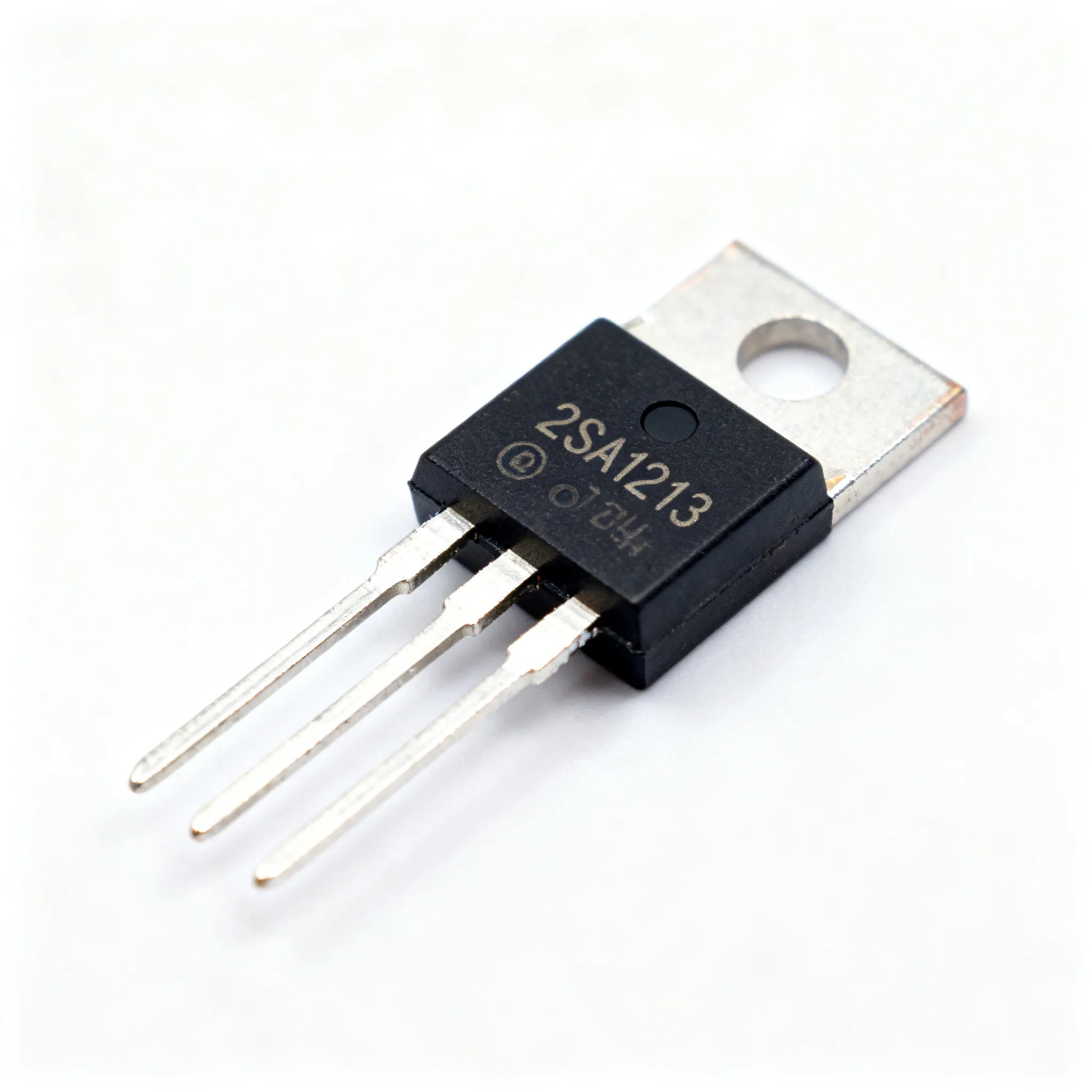
| Package Type | TO-220 | - | Common package for high power |
| Mounting Style | Through Hole | - | Ease of installation |
| Dimensions | 10 x 4.5 x 15 | mm | Typical package size |
| Weight | 1.5 | g | Lightweight design |
| Lead Material | Tinned copper | - | For enhanced conductivity |
| Application | Suitable IC | Notes |
|---|---|---|
| Consumer Electronics | LM7805 | Common for 5V applications |
| Automotive | TPS7A4700 | High voltage and temperature range |
| Industrial Automation | LM317 | Adjustable output for various needs |
| Renewable Energy | LM2596 | Efficient for solar applications |
| Telecommunications | LT3080 | Low noise and high current capability |
Design Considerations
When designing with voltage regulator ICs, several factors must be taken into account to ensure optimal performance and reliability. First, consider the power efficiency of the regulator, particularly if the application is battery-powered. Switching regulators, such as the LM2596, are preferred for high-efficiency needs. However, for noise-sensitive applications, linear regulators like the LM7805 may be more suitable despite their lower efficiency.
Thermal management is another critical aspect. Voltage regulators dissipate heat, and inadequate heat dissipation can lead to thermal shutdown or reduced lifespan. Using heat sinks or selecting ICs with lower thermal resistance, such as those in a TO-220 package, can mitigate these risks. Additionally, ensure that the regulator's output current capabilities align with the application's requirements to prevent overload conditions.
Component selection should also take into account the environmental conditions of the application. For instance, automotive applications require regulators with a wide operating temperature range and robust transient response to handle voltage spikes. The TPS7A4700 is a suitable choice for such environments. Lastly, evaluate the availability and cost of the ICs, as supply chain constraints can impact project timelines and budgets.
Step-by-Step Guide
Designing a voltage regulation circuit involves several key steps:
- Define Requirements: Determine the input voltage range, desired output voltage, and load current. This will guide the selection of an appropriate voltage regulator IC.
- Select the Regulator Type: Choose between a linear or switching regulator based on efficiency, noise, and complexity considerations. For high-efficiency needs, consider the LM2596.
- Choose the IC Package: Select a package type that suits the application's thermal and space constraints. The TO-220 package is ideal for high-power applications.
- Design the Circuit: Use the regulator's datasheet to design the circuit. Include necessary components like input and output capacitors, and any required feedback resistors for adjustable regulators like the LM317.
- Simulate the Design: Use simulation software to verify the design under various load and input conditions, ensuring stability and performance.
- Prototype and Test: Build a prototype of the circuit and test it under real-world conditions. Measure parameters such as output voltage stability, efficiency, and thermal performance.
- Optimize for Production: Based on test results, refine the design to optimize for cost, manufacturability, and performance. Consider alternative components if necessary to mitigate supply chain risks.
- Document the Design: Prepare detailed documentation, including schematics, bill of materials, and test reports, to facilitate production and maintenance.
Common Issues & Solutions
Voltage regulator circuits can encounter several common issues:
- Overheating: Ensure proper heat dissipation through heat sinks or improved airflow. Select ICs with lower thermal resistance for high-power applications.
- Output Voltage Instability: Verify the placement and value of output capacitors to ensure stability. Use low ESR capacitors to improve performance.
- Excessive Noise: For noise-sensitive applications, use linear regulators or add filtering components to reduce switching noise.
- Load Transients: Increase the output capacitor size or use a faster response regulator like the LT3080 to handle sudden load changes.
- Insufficient Output Current: Ensure the selected regulator can handle the maximum load current. Consider paralleling multiple regulators if necessary.
Applications & Use Cases
Voltage regulators are used in a wide range of applications. In consumer electronics, the LM7805 is commonly used to provide a stable 5V supply for microcontrollers and sensors. Automotive applications leverage regulators like the TPS7A4700 for their robustness and wide temperature range. In industrial automation, adjustable regulators like the LM317 offer the flexibility needed for diverse voltage requirements. Renewable energy systems benefit from efficient switching regulators such as the LM2596, which manage power from solar panels to battery systems.
Selection & Sourcing Guide
When sourcing voltage regulator ICs, consider authorized distributors like IC Online for reliable components. Check datasheets for detailed specifications and verify stock availability to avoid supply chain delays. Utilize parametric search tools to compare specifications across different models and manufacturers, ensuring you select the best component for your application.
FAQ
- What is the difference between linear and switching regulators? Linear regulators provide a simple design with low noise but lower efficiency, while switching regulators offer higher efficiency at the cost of increased complexity and potential noise.
- How do I choose the right voltage regulator for my application? Consider factors such as output voltage, current requirements, efficiency, thermal performance, and application-specific needs.
- What causes a voltage regulator to overheat? Overheating can result from excessive load, inadequate heat dissipation, or high ambient temperatures. Use heat sinks or select ICs with lower thermal resistance to mitigate this issue.
- Can I use a voltage regulator with a higher output current rating than needed? Yes, using a regulator with a higher current rating can provide headroom for future expansion or unexpected load increases.
- What is dropout voltage? Dropout voltage is the minimum voltage difference required between the input and output for the regulator to maintain a stable output voltage.
- How do I improve the transient response of my voltage regulator circuit? Use low ESR capacitors and choose regulators with fast transient response specifications.
- Is it possible to parallel voltage regulators to increase output current? Yes, but ensure proper current sharing techniques are used to prevent uneven load distribution.
- What role do capacitors play in voltage regulator circuits? Capacitors help stabilize the output voltage and improve transient response by providing a buffer against sudden load changes.
- How do I read a voltage regulator datasheet? Focus on key parameters like output voltage range, current capability, efficiency, thermal resistance, and application notes for proper usage.
- What should I consider when designing a PCB for a voltage regulator? Ensure adequate copper area for heat dissipation, short trace lengths for critical connections, and proper placement of input/output capacitors for stability.
Conclusion
Voltage regulator ICs are indispensable components in modern electronic designs, ensuring stable and efficient power delivery. By understanding their specifications, design considerations, and common challenges, engineers can effectively integrate these components into their projects. As the demand for advanced electronics grows, staying informed about market trends and sourcing practices will be crucial for success in the competitive landscape of 2026.