5 Pro Strategies to Cut Electronic Component Lead Times for OEM Buyers
Practical guide for buyers and engineers: 5 Pro Strategies to Cut Electronic Component Lead Times for OEM Buyers. Sourcing, risk, and selection notes.

The 2026 Lead-Time Reality Check: Why OEMs Can’t Afford to Wait
The November 2025 tariff truce gave buyers a moment of relief, but it did not reset the clock on semiconductor lead times. Even as political headlines softened, the work of qualifying genuine second sources continued to drag deep into 2026, keeping allocation‑sensitive microcontrollers and power MOSFETs at the top of every procurement watchlist. NextPCB’s post‑truce analysis makes it clear that buyers who wanted a real second source were still “working through requalification well into 2026.” That delay translates directly into production gaps that no inventory buffer can fully absorb.
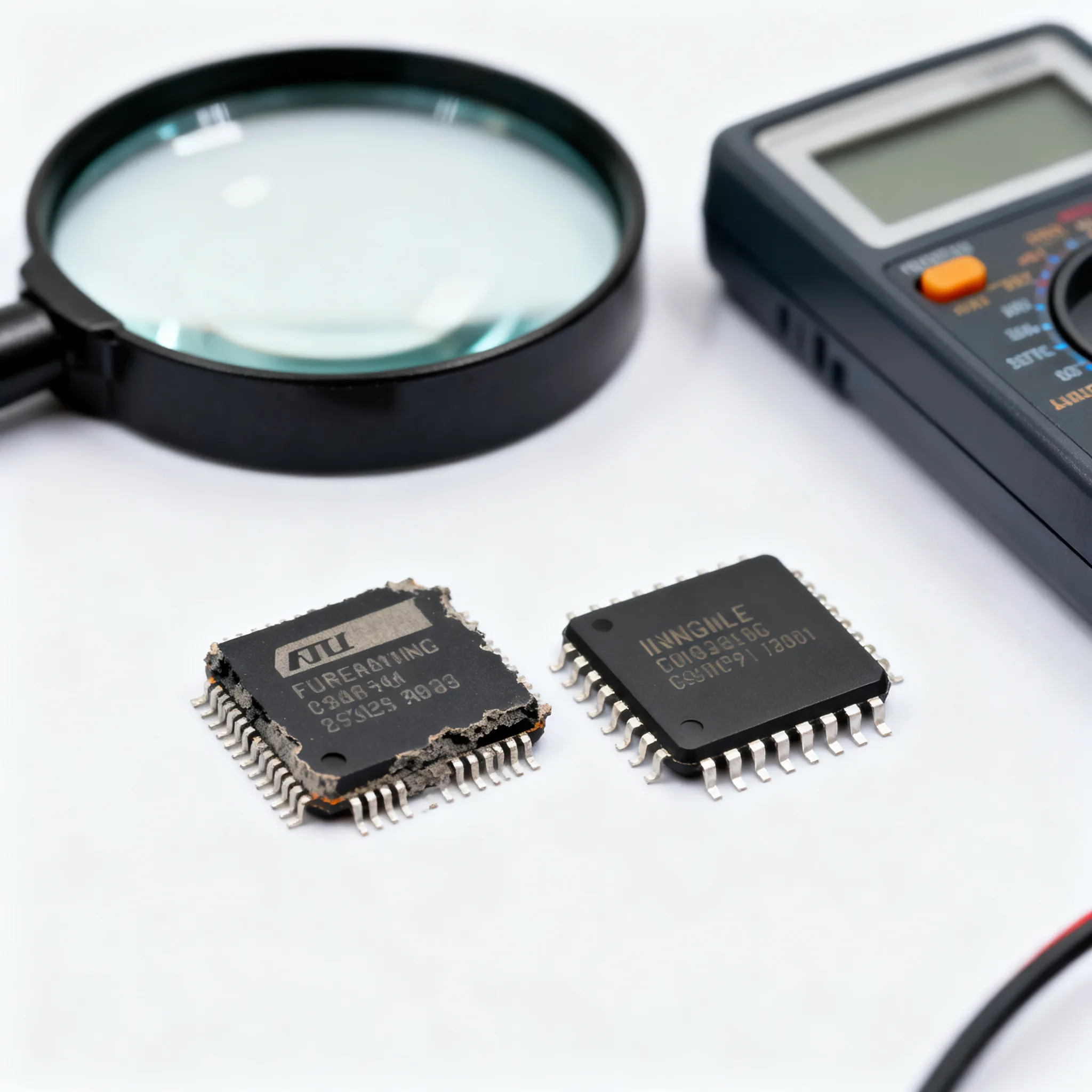
The gray‑market temptation is real, but the arithmetic is brutal. IC‑Online’s 2026 shortage update reports that failure rates for high‑demand MCUs and power MOSFETs from unverified sources exceed 5 % — a figure that makes a line‑stop and recall cost far more than any premium saved. When a single‑source IC pushes past the 30‑week mark, a pin‑compatible redesign often becomes the cheaper path, precisely because the cumulative risk of relying on allocation‑only supply and gray‑market gambles is too high.
Meanwhile, Ultra Librarian’s 2025 outlook noted that lead times and costs were poised to remain stable or increase moderately, a trend that has persisted into 2026. For OEM buyers, the message is unambiguous: lead‑time compression is a competitive advantage, but it requires a strategic playbook, not a single panicked spot buy. The five strategies that follow build on that playbook, grounded in what procurement teams and design engineers are actually doing to keep production lines moving.
What’s Really Behind Those 30-Week MCU and RF IC Lead Times
Lead time is not a single number; it is the sum of several supply‑chain bottlenecks that compound inside a semiconductor fab. When a buyer hears “confirm allocation‑backed lead time with the supplier,” the answer is being shaped by wafer‑start allocation, substrate availability, and packaging capacity — all of which can shift independently. Understanding these layers is the foundation for any strategy that aims to cut lead times without adding risk.
| Driver | Mechanism | Procurement Impact |
|---|---|---|
| Wafer‑start allocation | Foundries prioritize high‑margin, high‑volume customers; smaller OEMs compete for remaining capacity | Unpredictable push‑outs, especially for mature‑node MCUs and analog ICs |
| Substrate and packaging constraints | ABF substrate and lead‑frame shortages limit assembly throughput for BGA and QFN packages | Longer queues for RF components, FPGAs, and even some discretes in advanced packages |
| Demand volatility from industrial and IoT sectors | Sudden spikes from automotive and industrial automation consume batches that were projected for other markets | Allocation‑sensitive parts see cyclical spikes; buyers must monitor distributor order books weekly |
| Trade policy and tariff uncertainty | Duties and export controls alter routing and encourage pre‑buying, which distorts apparent demand | Artificially inflated lead times and double‑ordering that mask real consumption |
| Single‑source dependency | Many analog and RF ICs lack a pin‑compatible alternative, leaving buyers with no fallback | Zero negotiation leverage; the only mitigation is life‑of‑type stocking or a redesign |
GlobX’s 2026 lead‑time guide offers a snapshot of what these drivers translate into at the component level: microcontrollers are quoted at 26–40 weeks, RF components at 30–40+ weeks, and specialty analog ICs often fall in the same range. Standard logic and discretes, by contrast, remain closer to 10–20 weeks — a spread that creates a natural opportunity for procurement teams to split BOMs into fast‑turn and allocation‑sensitive buckets. Ultra Librarian’s trend data reinforces that even when the macro picture is stable, the underlying structure of wafer‑start allocation and packaging bottlenecks can sustain multi‑month lead times for years. The real question for OEM buyers is not whether to react, but which of the three core strategies — stockpile, second‑source, or redesign — fits their BOM’s risk profile.
Stockpile, Second-Source, or Redesign: Which Strategy Fits Your BOM?
Every lead‑time mitigation plan starts with a choice about how much capital, engineering effort, and supply‑chain risk the organization is willing to absorb. The three options are not mutually exclusive, but they demand different resources, and the best OEMs combine them by line‑item criticality.
Building safety stock locks in inventory immediately, but it ties up working capital and carries the risk of obsolescence if a part moves to EOL. odicmg’s sourcing guide warns that if a component is nearing End‑of‑Life or is already NRND, stockpiling without a redesign plan invites long‑term trouble. Qualifying a genuine second source is the gold standard for resilience, but as NextPCB documents, requalification can stretch well into 2026, especially when firmware or analog characteristics differ. Redesigning to a pin‑compatible alternative often yields the best long‑term outcome, particularly when the at‑risk part is a single‑source IC with no allocation visibility. IC‑Online’s rule of thumb is that if a single‑source part has a lead time beyond 30 weeks, a pin‑compatible redesign is frequently cheaper than the cumulative cost of delays and gray‑market fallout.
| Strategy | Effect on Lead Time | Engineering & Cost Notes |
|---|---|---|
| Safety stock (buffer inventory) | Immediate availability; zero lead time at point of use | High working capital; EOL risk; suitable for low‑cost, stable‑lifecycle discretes |
| Second‑source qualification | Reduces dependency; cuts lead time to 15–25 weeks once qualified | Requires 3–6 months of engineering validation; verify pinout, firmware, and analog performance |
| Pin‑compatible redesign | Eliminates single‑source bottleneck; lead time drops to standard allocation for the new device | Upfront PCB and firmware rework; best for single‑source ICs with >30 week lead times |
| Hybrid: dual‑footprint design + buffer stock | Allows fast switch to alternative while holding minimal inventory | Increases PCB area slightly; Titoma’s methodology recommends delaying final component choice to the last possible moment |
Procurement teams that treat these strategies as a portfolio can deploy them surgically. For example, passives and logic devices can be sourced through local distributors that hold buffer stock, while the BOM’s 10–15 most critical ICs are engineered with a dual‑footprint that allows a last‑minute switch. User Solutions’ manufacturing lead‑time reduction framework emphasizes that qualifying multiple suppliers and mapping the information flow from order entry to production start are prerequisites for any strategy to work. Similarly, Adage Components’ capacitor‑alternative sourcing guide shows how leveraging alternative capacitor families can achieve OEM pricing on par with tier‑1 distributors, particularly for MLCCs that have experienced long lead times in the past.
5 Pro Moves to Shrink Lead Times Without Adding Risk
The strategies below are the concrete actions that senior buyers and design engineers are using right now. Each move is tied to the earlier analysis and the cited sources, and none of them requires a crystal ball — just a deliberate shift in procurement and design behavior.
- Use distributor demand‑forecasting data to place orders ahead of allocation cycles. odicmg highlights that forecasting collaboration with distributors can reveal demand patterns before allocation windows close, letting you secure a place in the queue without over‑ordering.
- Qualify local and regional distributors for passives, discretes, and standard logic. These components rarely need the full global supply chain, and local distributors often hold buffer stock that can shorten lead times significantly. This is a fast‑turn complement to a global allocation strategy.
- Design boards with pin‑compatible footprints for alternative ICs and capacitors. Titoma’s approach of delaying the component choice for “dangerous” positions and placing dual footprints (e.g., one for an STM32‑class MCU and one for a GD32‑class candidate) allows a last‑minute switch without a board respin. Always verify package, pinout, and firmware compatibility; never assume a perfect drop‑in.
- Negotiate blind‑buy agreements and long‑term contracts with allocation visibility. When a part is allocation‑sensitive but indispensable, a blind‑buy contract that commits to a rolling 12‑month forecast can lock in supply while protecting against price spikes. Pair this with a requirement for a maximum date code and a test report within 90 days of shipment.
- Monitor EOL and NRND flags early, and treat them as a trigger for redesign. odicmg’s framework cautions that ignoring NRND notices turns a manageable lead‑time stretch into a full‑blown obsolescence crisis. When a manufacturer flags a part as NRND, begin the redesign immediately, using the dual‑footprint approach to ease the transition.
| Action | When to Use | Trade‑off |
|---|---|---|
| Distributor forecast collaboration | When lead times exceed 20 weeks and allocation is visible | Requires sharing of production forecasts; may lock in volumes before demand firms up |
| Local distributor qualification | For standard logic, passives, and discretes with 10–20 week baseline | Local stock may be limited in breadth; still need a global backup for allocation‑sensitive parts |
| Dual‑footprint PCB design | When a single‑source IC has no allocation visibility or lead time >30 weeks | Adds a small PCB area overhead; requires validation of two pin‑out variants |
| Blind‑buy and long‑term contracts | For parts that are critical and have no near‑term alternative | Financial commitment; risk of holding inventory if the design changes or the part goes EOL |
| EOL/NRND monitoring and early redesign | As soon as a manufacturer issues an NRND or EOL notice | Engineering effort; but avoids last‑time‑buy panic and extended lead‑time penalties |
These five moves work best when they are embedded in a standard operating procedure, not treated as one‑off reactions. The next section answers the most common questions that arise when a procurement team starts implementing them.
Lead-Time Questions Senior Engineers and Buyers Are Asking Now
Q: What lead times can I realistically expect for STM32-class MCUs in 2026?
Expect 26–40 weeks for mainstream microcontrollers, according to GlobX’s 2026 lead‑time guide. RF components and specialty analog ICs are often quoted at 30–40+ weeks, while standard logic and discretes remain closer to 10–20 weeks. These ranges are averages; confirm allocation‑backed lead time with your supplier for each specific MPN.
Q: Is it worth paying a premium for gray-market parts to meet production deadlines?
Typically no. IC‑Online’s experience shows failure rates above 5 % for high‑demand MCUs and power MOSFETs from unverified sources. The cost of a line stop and a potential recall far outweighs any upfront savings. If you must use a non‑franchised source, require a full test report, date‑code verification, and a written warranty on authenticity.
Q: How can I accelerate second-source qualification without a full board respin?
Start by designing the PCB with a dual‑footprint for alternative parts. NextPCB’s analysis confirms that requalification of a genuinely second source often stretches into 2026, so having a pin‑compatible layout ready dramatically shortens the switch. Verify package type, pinout, and firmware through a cross‑reference document from the alternative manufacturer, and build a small validation run before committing to a full production switch.
Q: When should I consider a PIN-compatible redesign instead of waiting for allocation?
IC‑Online’s rule of thumb: if the part is a single‑source IC with a lead time beyond 30 weeks and no allocation visibility, a redesign to a pin‑compatible alternative is often cheaper than the cumulative risk of delays and gray‑market fallout. The decision point is when you cannot get a confirmed allocation date within a quarter of your production need.
Q: Do local distributors really offer shorter lead times for common discretes?
Yes, for standard logic, passives, and discretes, local and regional distributors often hold buffer stock that can shorten lead times significantly. odicmg’s sourcing strategies highlight the advantage of building a local alternative supply chain for these categories. The key is to qualify the local distributor’s source of supply and confirm that the stock is factory‑fresh, not re‑labeled surplus.
Q: What are the early warning signs that a component is heading for EOL and extended lead times?
Watch for manufacturer notifications of NRND (Not Recommended for New Designs) or EOL notices. odicmg stresses that identifying EOL risks early lets you design in alternatives or secure long‑term stock before lead times balloon. Other signs include a sudden reduction in available package options, a shift in the manufacturer’s product roadmap away from the part’s process node, or a distributor’s inability to confirm a standard allocation window.
References & Further Reading
- Reduce Electronic Component Lead Times: 5 Pro Strategies – odicmg
- 2026 Electronic Component Shortage Update for Buyers – IC Online
- Electronic Component Lead Times 2025 – Ultra Librarian
- Shortage of Electronic Components in 2026 – NextPCB
- Electronic Component Lead Times 2026: Full Guide – GlobX
- Reduce Electronic Component Leadtime: 6 Proven Strategies – Titoma
- Manufacturing Lead Time Reduction – User Solutions
- Capacitor Alternatives: Strategic Sourcing Guide 2026 – Adage Components
- IC-Online – Electronic Component Sourcing & RFQ Platform
Lead‑time pressure will not disappear in 2026, but the OEMs that build a structured playbook around forecasting, dual‑footprint design, and early EOL monitoring will be the ones that ship on time. Whether you need to validate an alternative MPN, lock in a blind‑buy agreement, or simply get a transparent quote on a mixed BOM, the fastest path to a reliable response