Autonomous Driving Solution vs Traditional Golf Carts Which Is the Better Choice
Choosing between an autonomous driving solution and a traditional golf cart depends on what people want most. Many people like new technology because it makes things safer and easier.
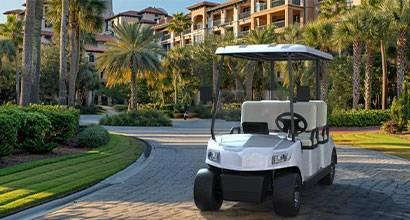
Choosing between an autonomous driving solution and a traditional golf cart depends on what people want most. Many people like new technology because it makes things safer and easier. For example:
-
AI-enabled features like low-speed emergency braking, lane keeping assist, and obstacle detection sensors help keep people safe.
-
Smart systems like GPS navigation, Bluetooth, and intelligent charging make using the cart every day easier.
-
The market for electric and autonomous golf carts is growing fast, and it may be worth $11.5 billion by 2032.
Some people still trust traditional carts because they are reliable. Each choice has good points, so buyers should think about what is most important for the future.
Key Takeaways
-
Autonomous golf carts use smart sensors and AI to drive. They do not need a driver to move safely. Yamaha golf carts need a person to drive them.
-
Autonomous carts are safer because they see obstacles. They help avoid crashes. This makes rides smoother and more comfy for everyone.
-
Yamaha golf carts are simple and reliable. They cost less at first. But autonomous carts have cool features. These features save time and help manage many carts better.
-
Autonomous driving works in many places. You can use them on golf courses, in hotels, and in parks. Yamaha carts are mostly for golf courses and similar spots.
-
Picking the best cart depends on what you need. Think about safety, how easy it is to use, your budget, and future plans. Both types have special good points.
Overview
What Is an Autonomous Driving Solution
An autonomous driving solution lets vehicles move without a driver. The 1L1V3R system is special for places like golf courses and hotels. It uses AI, robots, and smart maps to help vehicles travel safely. Sensors and cameras help the system see obstacles and follow paths. In Japan, these vehicles are part of smart city plans. They also help lower pollution. The vehicles can pick the best route and listen to voice commands. They are easy for older people to use. This solution makes golf safer and easier for everyone.
What Are Yamaha Golf Carts
Yamaha golf carts are used on golf courses and campuses. They can be electric or manual. These carts help golfers and workers get around. Yamaha carts are very common in North America. Many golf courses use them every day. The Drive2 models are quiet and smooth because of special engines. People who care about the environment like these carts. They work well in schools and government places too.
Yamaha golf carts have features that make them different. The table below shows some important details:
|
Metric |
Yamaha Golf Carts Details |
|---|---|
|
Vehicle Type |
Electric or manually-operated golf carts |
|
Seating Capacity |
Usually 4 or 5 seats |
|
Dimensions |
Length: 144.5 in, Width: 49.5 in, Height: 73 in |
|
Wheelbase |
84.25 in |
|
Battery Capacity |
4 kWh or 6 kWh lithium iron phosphate (LFP) batteries |
|
Operation Modes |
Electromagnetically-guided (G30Es) or manual (G31Eps) |
|
Battery Features |
Very reliable, lasts long, safe in heat |
|
Usage Context |
Golf courses, offices, airports, schools |
Yamaha golf carts are important in the golf world. The market was worth almost $2 billion in 2024. Their good performance makes them a favorite for many golf places.
Key Differences
Technology
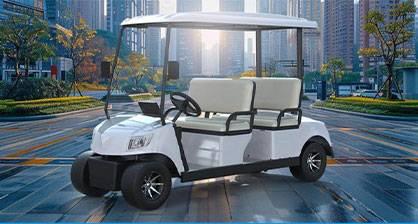
Autonomous vehicle technology is changing how people move on golf courses. The autonomous driving solution uses sensors, cameras, and AI to see around the vehicle. This helps the vehicle find obstacles and plan safe paths. It can make choices without a driver. The 1L1V3R system uses binocular vision, laser radar, and millimeter wave radar. These tools help the vehicle know where it is and avoid crashes. The vehicle can work well in many places.
Yamaha golf carts use strong electric motors and simple controls. Some new Yamaha carts have sensors and software for basic autonomous features. They can follow set paths or stop for things in the way. These features work best in easy places like golf courses or vineyards. Yamaha golf carts focus on helping people move at slow speeds. They do not use as much AI or sensor fusion as full autonomous driving solutions.
Autonomous driving solutions use better sensors and computers than regular golf carts. Projects like the Florida Poly golf cart show that AI and sensor fusion make rides safer and more flexible than manual controls.
Operation
How these vehicles work is very different. An autonomous driving solution can drive itself and pick up people. It can avoid things in its way. People can call the vehicle with an app, and it will come to them. The system saves information about routes, obstacles, and repairs. Fleet managers can watch each vehicle live and make changes from one place. This helps them control many vehicles at once.
Yamaha golf carts need a person to drive them. The driver decides how fast to go and where to turn. Some Yamaha carts can follow a path, but someone still needs to start or watch the ride. These carts do not save much information or have digital fleet tools. People must find the cart and unlock it with a key.
|
Aspect |
Autonomous Golf Carts (Yamaha) |
Manual Golf Carts (Traditional) |
|---|---|---|
|
Navigation Technology |
Use of sensors, AI, GPS, and geofencing to autonomously navigate golf courses |
Relies on human driver for navigation |
|
Safety |
Reduced accidents due to obstacle detection and programmed speed compliance |
Dependent on driver skill and attention |
|
User Convenience |
App-based summoning reduces wait times and optimizes fleet deployment |
Manual retrieval and operation by users |
|
Operational Data |
Collects data on obstacle detection, route adherence, and predictive maintenance analytics |
No integrated data collection or analytics |
|
Fleet Management |
Enables data-driven management with digital keyless access and GPS tracking |
Manual key management and no precise location tracking |
|
User Feedback |
Field tests show practical benefits and challenges in mixed pedestrian environments |
No autonomous operation feedback available |
Applications
Each type of vehicle is used in different ways. An autonomous driving solution works in many places, like golf courses, parks, hotels, and tourist spots. The technology can change to fit different places and handle hard routes. Fleet managers can use one system for many vehicles in big areas. This makes the solution good for both small and large groups.
Yamaha golf carts are mostly used on golf courses and at resorts. They help golfers move between holes and carry their things. Some Yamaha carts are used in vineyards or on farms. But most are used in simple, safe places. The technology and safety rules mean they cannot be used on busy roads or in cities.
|
Aspect |
Yamaha Autonomous Golf Carts |
Carteav Autonomous Carts |
|---|---|---|
|
Technological Features |
Sensors, AI, GPS, geofencing, data analytics |
End-to-end autonomous solution with integrated fleet management |
|
Primary Application |
Golf courses |
Managed areas and campuses worldwide, including golf courses |
|
Operational Benefits |
Enhanced golfer experience, operational efficiency, safety |
Versatile deployment across diverse environments |
|
Limitations |
High technology cost, regulatory and legal challenges |
Implied fewer limitations due to global implementations |
|
Deployment Scale |
Focused mainly on golf courses |
Global implementations in various managed sites and campuses |
Note: Autonomous vehicle technology is more flexible and can grow bigger. Yamaha golf carts are still a good choice for golf, but they are used in fewer places.
Safety
Autonomous Driving Solution Safety
Autonomous driving solution systems like 1L1V3R use smart technology to keep people safe. The system has sensors, cameras, and radar to watch everything around the vehicle. These tools help the vehicle spot things, people, or animals in its way. The 1L1V3R system uses binocular vision, laser radar, and 4D millimeter wave radar. These help the vehicle know where it is and what is around it. This helps the vehicle avoid accidents and stay on track.
Researchers tested these systems with real-world data. For example, they used the nuScenes dataset to see how well the models work. New models can guess where obstacles will be with high accuracy. One model, called DOME-O, got 27.10% mIoU and 36.36% IoU. These are top scores for seeing and understanding the area. Another test, called RenderWorld, lowered crash rates by about 34% in three seconds. This means the autonomous driving solution can avoid crashes better than before.
The table below shows how well the obstacle avoidance system works in different situations:
|
Test Scenario |
Metric |
Default ROS Navigation Stack |
Proposed Obstacle Avoidance Solution |
|---|---|---|---|
|
Static Environment |
Completion Rate |
100% |
100% |
|
Speed (m/s) |
0.463 |
0.441 |
|
|
Distance (m) |
25.62 |
25.22 |
|
|
Path Variation (m) |
4.57 |
4.51 |
|
|
Collisions |
0 |
0 |
|
|
Sudden Obstacle Scenario |
Completion Rate |
100% |
100% |
|
Speed (m/s) |
0.448 |
0.422 |
|
|
Distance (m) |
27.31 |
25.87 |
|
|
Path Variation (m) |
4.41 |
4.64 |
|
|
Collisions |
0 |
0 |
The table shows the autonomous driving solution keeps a perfect safety record. It finishes every route without any crashes, even when something jumps in the way.
The system also checks how well it follows its planned path. It looks at the difference between where it wants to go and where it actually goes. This helps the vehicle stay safe and not drift away. The perception system gives a confidence score for each object it sees. This tells the system how sure it is about what is in front of it. All these features work together to make golf safer for everyone.
Yamaha Golf Carts Safety
Yamaha golf carts use manual controls and basic safety features. Drivers must steer, brake, and watch for obstacles by themselves. Most Yamaha golf carts have seat belts, headlights, and brake lights. Some models only have rear wheel brakes, which can make the cart less stable.
-
In 2013, a Yamaha G29 golf cart rolled over because it had only rear wheel brakes. This design flaw caused a serious accident.
-
A court case with the Hall family ended with a $7 million award against Yamaha. The court said that adding front wheel brakes could have stopped the accident.
-
The Consumer Product Safety Commission says about 15,000 golf cart injuries happen each year in the United States. These injuries need emergency room care.
-
The American Academy of Pediatrics says there were 63,500 golf cart accidents with children from 2010 to 2019.
-
Georgia law lets golf carts drive on roads with speed limits up to 35 mph if they have basic safety features. These features may not always stop accidents, especially if the cart design has problems.
Yamaha golf carts help many people enjoy golf, but drivers must always pay attention. Manual driving means the driver is in charge of safety. Adding more safety features, like front wheel brakes, could help lower the risk of accidents.
Golf courses and other places that use Yamaha golf carts should teach drivers about safe driving. They should also check carts often to make sure all parts work well. Good training and regular checks can help keep everyone safe on the golf course.
User Experience
Comfort
Autonomous driving solutions try to make every ride smooth and nice. Designers think about how people sit and use the seats and controls. They want the inside to fit many body shapes and ages. They check things like how much pressure is on the seat and how people sit. This helps them make the ride more comfortable. Vehicles like 1L1V3R use smart systems to control speed and movement. These systems stop quick stops and sharp turns. This helps people not feel sick and keeps them calm.
The table below lists some comfort features in autonomous vehicles:
|
Metric / Design Aspect |
Role in Comfort Improvement |
|---|---|
|
Equivalent acceleration |
Checks if the ride feels smooth |
|
Motion Sickness Dose Value (MSDV) |
Helps stop people from feeling sick |
|
Acceleration and jerk constraints |
Stops sudden moves |
|
Rotatable seating |
Lets people turn their seats for comfort |
|
Climate control and infotainment |
Makes the inside nice and fun |
Traditional Yamaha golf carts have simple seats and easy controls. Most seats are made with foam and vinyl. How smooth the ride is depends on the driver. Passengers might feel bumps or quick stops more often. These carts do not have special systems to make the ride more comfortable.
Studies show people care about safety and comfort in autonomous vehicles. Things like seats that turn and clear screens help people feel better during the ride.
Accessibility
Autonomous driving solutions help more people use vehicles easily. Designers make simple screens and controls, like touchscreens or voice commands. These features help people of all ages and abilities. For example, big buttons on a simple screen help older people or those who cannot see well. Some systems let people call the vehicle from far away, so they do not have to walk much.
Experts say good screen design makes things less confusing. Porsche and Polestar use clear screens and simple controls. This helps people pay attention to the ride. But some systems have too many buttons or hard menus, which can be confusing. Traditional Yamaha golf carts use manual controls. People must drive, steer, and park by themselves. This can be hard for people who cannot move well or do not know how to drive.
Autonomous vehicles with easy-to-use features, like seats you can move and big, clear screens, help more people use them and make rides easier for everyone.
Cost
Purchase Price
People often look at price when picking between autonomous driving solutions and yamaha golf carts. Autonomous driving vehicles cost more because they use advanced technology. These vehicles have sensors, cameras, and smart computers inside. The higher price comes from features like self-driving and remote control. Obstacle avoidance also adds to the cost.
Yamaha golf carts are cheaper to buy. Many golf courses pick these carts because they do not cost as much. A new yamaha golf cart usually costs $7,000 to $12,000. The price depends on the model and what features it has. Autonomous driving solutions can cost more if buyers want extra technology or special options.
Tip: Buyers should think about how much they will use the cart. They should also decide which features are most important. Spending more at first can sometimes save money later.
Maintenance
Maintenance costs can be different for each type of cart. Autonomous driving solutions have many electronic parts and sensors. These parts might need special care or updates. Some companies give software updates to keep the system safe and smart. Regular checks help the vehicle work well and stop problems before they start.
Yamaha golf carts need simple care. Owners should check the battery, tires, and brakes often. Electric models need less work than gas models. Many golf courses have workers who know how to fix these carts. Parts for yamaha golf carts are easy to find, so repairs are quick.
|
Cost Factor |
Autonomous Driving Solution |
Yamaha Golf Carts |
|---|---|---|
|
Initial Price |
Higher |
Lower |
|
Maintenance Skill |
Specialized |
Basic |
|
Parts Availability |
May vary |
Widely available |
|
Software Updates |
Needed |
Not needed |
Golf course owners should think about both the price to buy and the cost to take care of the carts. The best choice depends on their budget and how they want to use the carts.
Scalability
Fleet Management
It is hard to manage many vehicles at once. Autonomous driving solutions make this job much easier. These systems use smart computers and sensors to watch every vehicle in real time. Fleet managers can see where each cart is right now. They can check battery levels and send carts to new places with a few clicks. This saves both time and money.
The table below shows how autonomous driving solutions help fleet management:
|
Metric/Benefit |
Description |
|---|---|
|
AI-driven automation lowers fuel, maintenance, and driver costs. |
|
|
Fuel Efficiency |
AI picks the best routes and driving habits to save energy. |
|
Safety Enhancements |
Real-time alerts and monitoring help prevent accidents. |
|
Predictive Maintenance |
The system schedules repairs before problems happen. |
|
Route Optimization |
AI changes routes quickly if there are delays or bad weather. |
|
Compliance Automation |
The system tracks rules and hours, reducing paperwork. |
|
Increased Productivity |
Managers spend less time on daily tasks and more on planning. |
|
Real-time Fleet Tracking |
GPS and sensors show where every cart is at all times. |
|
Support for Electric Fleets |
AI manages charging and battery use for electric vehicles. |
|
Autonomous features lower risks from tired drivers. |
Traditional Yamaha golf carts need people to drive and manage them. Managers have to keep track of keys and check carts by hand. They also plan routes themselves. This takes more time and can cause mistakes. Autonomous systems help big golf courses or resorts work better and safer.
Adaptability
Autonomous driving solutions can change to fit new needs and places. These systems let users switch between manual and automatic modes. They also learn from how people use them and change their driving style. For example, if a golf course changes its layout, the system can update routes fast.
-
Users usually start by watching the system closely, but they trust it more as time goes on.
-
Virtual reality training helps people learn to use autonomous vehicles safely.
-
The system can drive faster and make wait times shorter than manual carts.
-
Clear screens and simple controls help users feel at ease.
-
The system can add new features, like voice commands or special driving modes, when needed.
Traditional golf carts do not change as easily. They need people to drive and plan every trip. Autonomous solutions give more flexibility for businesses that are growing or changing.
Real-World Use
Golf Courses
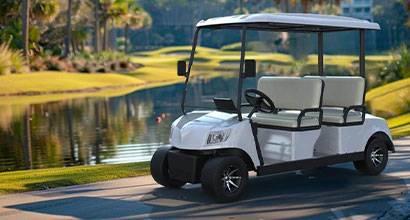
Golf courses are using more autonomous technology now. Many clubs use autonomous vehicles to move players and take care of the grass. These vehicles do not need a driver. They can avoid things in their way and follow planned paths. The 1L1V3R system is a leader in this area. It uses high-precision positioning and electronic fences to keep vehicles safe. Operators can pick manual or autonomous mode. This makes it easy to use for different golf course jobs.
Golf resorts in Arizona use AI-powered drones to save money on turf care. They cut turf costs by 40%. In California, a smart irrigation system helped a golf course use 45% less water. Robotic mowers work all day and night. They keep the grass even and let workers do other jobs. Carus Green Golf Course in England uses robotic mowers too. They need fewer workers and have better grass now.
Autonomous golf carts help make golf safer and faster. They use GPS and sensors to plan good routes and stop accidents. Managed charging and automatic parking save time and money. Shared autonomous carts let players ride together. This means less waiting and faster rides. Yamaha golf carts are still reliable. But they need a driver and do not have these smart features.
Other Environments
Autonomous driving solutions are used in more places than golf courses. Industrial parks, resorts, and hotels use them for moving people and things. In industrial parks, autonomous vehicles work all day and night. They move goods and people safely. Companies like Optimus Ride and Refraction.ai use these vehicles for delivery and smart city jobs. These vehicles help save money and make places safer.
Hotels use autonomous vehicles to help guests and carry bags. The system can wake up from far away. It can find people and go back to its base with one click. This makes guest service faster and easier. In farming, autonomous tractors and drones check crops and soil. They help farmers save resources and fix worker shortages. Construction sites use autonomous machines to work in dangerous spots.
Yamaha golf carts are still used for golf and simple rides. But they do not have the smart features or flexibility of autonomous solutions. More places want safe and efficient transport. So, more people are choosing autonomous systems.
Challenges
Technical Barriers
Autonomous driving solutions have many technical problems to solve. Developers need to fix issues with sensors, data, and how vehicles talk to each other. Charging stations today often do not give enough power for vehicles with lots of sensors and computers. Vehicles must talk to each other to move safely in groups. It is hard for vehicles to avoid things, especially when many people are walking nearby. Engineers must make sure hardware and software work well together. This includes brakes and systems for going backward.
Rules and laws make things harder too. In North America, there is no single set of rules for all states. Each state has its own laws, so testing and using autonomous vehicles is tough. In the European Union, strict privacy and cybersecurity rules make things more costly and complex. Companies must share safety data but keep their secrets safe. These vehicles make a lot of data, so companies need strong ways to store and use it.
Traditional Yamaha golf carts have their own problems. To make them work by themselves, new parts like better brakes and motor controls must be added. The software must help the cart find new paths and avoid things in the way. Wi-Fi must cover more places for remote control and watching the carts. These upgrades are easier in closed areas. But driving on public roads without a driver is still very hard.
Note: Both types of vehicles need better roads, improved sensors, and stronger ways to talk to each other to work their best.
User Acceptance
Getting people to accept these vehicles is very important. Many people do not trust vehicles that drive themselves. Some worry about privacy, like being tracked or having their data stolen. People also fear hackers and if the systems are safe. Studies show trust depends on how safe, reliable, and easy the vehicle is to use.
Teaching people and sharing clear information helps build trust in autonomous vehicles. Companies should make controls easy to use and explain how things work. With Yamaha golf carts, people may feel safer because they drive the cart themselves. But as more features become automatic, even these users must learn new things.
Trust and understanding are needed for both types of vehicles to succeed. Companies should make their products simple and safe for everyone.
Picking between an autonomous driving solution and a traditional golf cart depends on what people need. People who like new technology or run big places might like autonomous systems such as 1L1V3R. These have smart safety tools and helpful features. People who want something simple and that always works might pick Yamaha golf carts.
Tip: Buyers should think about safety, how easy the cart is to use, and if it will still be good in the future. Both choices can work well for different people and places.
FAQ
What makes autonomous driving solutions safer than traditional golf carts?
Autonomous driving solutions use smart sensors and AI to spot things in the way. These systems watch what is around them all the time. They help stop mistakes people might make. This keeps riders and people walking nearby safer.
Can autonomous golf carts operate in bad weather?
Most autonomous golf carts can work in light rain or fog. Their sensors are made to handle different weather. Heavy rain or snow can make them work less well. People should check the weather rules before using them.
How do users control or summon an autonomous golf cart?
Users can call an autonomous golf cart with a phone app or touchscreen. The system sends the cart to where the user is. This makes it easier and saves time for users.
Are autonomous driving solutions more expensive to maintain?
Autonomous driving solutions may need special care for sensors and software. They need updates to keep working well. Traditional golf carts just need simple checks like batteries and tires.
Where can autonomous golf carts be used besides golf courses?
Autonomous golf carts can be used in hotels, resorts, and parks. They move guests, workers, or things safely. Their design lets them work in many places.