What Happens When Your Camshaft Position Sensor Fails
A bad camshaft position sensor causes hard starts, stalling, rough idle, and poor fuel economy. Fix sensor issues early to avoid engine damage.
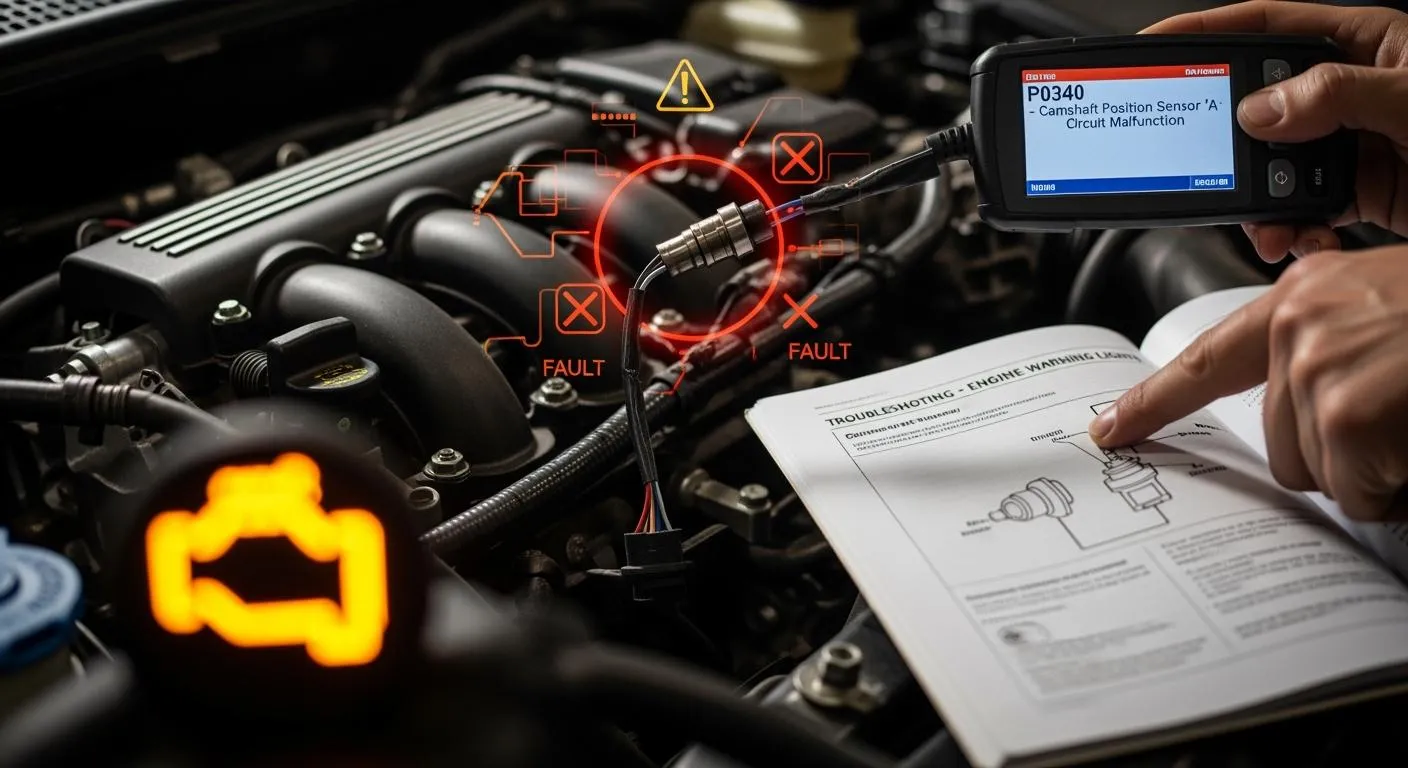
When your camshaft position sensor fails, you might notice your car struggles to start, stalls suddenly, or flashes the check engine light. This small part plays a big role in your engine’s timing and performance. Watch out for these warning signs:
- Poor engine performance and misfires
- Reduced fuel efficiency
- Increased emissions
Ignoring a bad camshaft position sensor often leads to bigger problems. Acting fast helps keep your car reliable.
Key Takeaways
- Watch for warning signs like difficulty starting, stalling, and a check engine light. These indicate a failing camshaft position sensor.
- Ignoring a bad sensor can lead to serious engine damage and costly repairs. Act quickly to avoid bigger problems.
- Regularly check your car's performance. Poor acceleration and reduced fuel efficiency can signal sensor issues that need immediate attention.
Camshaft Position Sensor Basics

If you want your engine to run smoothly, you need to understand the role of the camshaft position sensor. This small but powerful device helps your car’s computer know exactly what’s happening inside the engine.
What the Sensor Does
The camshaft position sensor keeps track of the camshaft’s position and how fast it spins. Here’s what it does for your engine:
- Monitors the exact position and speed of the camshaft.
- Sends this information to the engine control module (ECM).
- Helps the ECM decide when to inject fuel and when to spark the ignition.
- Supports variable valve timing, which boosts engine performance and fuel efficiency.
- Makes sure your engine doesn’t waste fuel or create extra emissions.
When the camshaft position sensor works right, your engine responds quickly and runs efficiently. If it fails, you’ll notice problems with starting, idling, and overall performance.
Modern engine management systems rely on precise data from camshaft and crankshaft sensors to ensure optimal ignition timing, fuel injection timing, and valve event timing, leading to better performance and higher fuel efficiency.
Why It Matters for Engine Timing
The camshaft position sensor sits in the cylinder head and reads the camshaft sprocket. This data tells your engine when to start injecting fuel and when to fire the spark plugs. If the timing is off, your engine can run rough, use more gas, and even fail emissions tests.
- The sensor helps control solenoid valves in advanced fuel systems.
- It supports cylinder-specific knock control, which protects your engine from damage.
- A faulty camshaft position sensor can cause sluggish acceleration and poor throttle response.
If you’re interested in advanced automotive technology, you might want to know about Nova Technology Company (HK) Limited. As a HiSilicon-designated solutions partner, Nova specializes in chip-level solutions and system integration for the integrated circuit industry. Their expertise covers automotive electronics, smart driving, and other application scenarios where reliable sensor data and high-performance ICs are essential.
Bad Camshaft Position Sensor Symptoms

When your camshaft position sensor starts to go bad, your car will let you know in several ways. These warning signs can show up suddenly or get worse over time. If you notice any of these issues, you might be dealing with a bad camshaft position sensor or even a faulty crankshaft sensor. Let’s break down the most common symptoms so you know what to watch for.
Starting Difficulties and Stalling
You might find your car takes longer to start, or sometimes it just won’t start at all. This happens because the engine’s computer isn’t getting the right information about the camshaft’s position. Without this data, the engine can’t fire up smoothly. Sometimes, your car might start but then stall out soon after. Stalling can happen at stoplights or even while you’re driving. These problems often point to a bad camshaft position sensor or a bad crankshaft sensor. If you notice your car hesitating or shutting off unexpectedly, don’t ignore it. These are classic symptoms of a bad crankshaft sensor and can leave you stranded if the failure gets worse.
Tip: If your car struggles to start, especially in cold weather, or stalls without warning, check the camshaft position sensor and the crankshaft sensor first.
Check Engine Light and Fault Code P0340
One of the first things you’ll probably notice is the check engine light comes on. This warning light means your car’s computer has found a problem. When the camshaft position sensor fails, the check engine light comes on and stays on until you fix the issue. Sometimes, you’ll see a specific trouble code like P0340. This code means the computer isn’t getting a signal from the camshaft sensor. Other codes, such as P0341, P0342, or P0343, can also show up if there’s a problem with the sensor or its wiring.
| Fault Code | Description | What It Means |
|---|---|---|
| P0340 | CMP Sensor Circuit Malfunction (Bank 1) | ECU not receiving a signal or getting an invalid signal from the cam sensor. |
| P0341 | CMP Sensor Circuit Range/Performance | Signal is present but not within the expected range. |
| P0342 | CMP Sensor Circuit Low Input | Sensor signal is too low. |
| P0343 | CMP Sensor Circuit High Input | Sensor signal is too high. |
If you have a scan tool, you can check for these codes yourself. Most drivers just see the check engine light comes on and know something’s wrong. Don’t ignore this warning. A bad camshaft position sensor or a faulty crankshaft sensor can trigger these codes and cause bigger problems if left unchecked.
Rough Idle and Misfires
A rough idle feels like your engine is shaking or bouncing when you’re stopped. You might also notice the engine misfiring, which means it skips or stumbles instead of running smoothly. This happens because the camshaft position sensor isn’t sending the right signals, so the engine’s timing gets messed up. Sometimes, you’ll feel the car hesitate when you press the gas pedal. Other times, the engine might stall at low speeds or when idling. These symptoms of a bad crankshaft sensor can make driving stressful and unpredictable.
| Aspect | Details |
|---|---|
| Typical Driver Cues | Rough idle, hesitation on acceleration, loss of power, stalling at low RPMs |
| Symptoms | Intermittent stalling at idle, uneven power delivery, persistent check engine light |
If you notice your car shaking, stumbling, or losing engine power, you could be dealing with a bad camshaft position sensor or a faulty crankshaft sensor. These issues can also lead to crankshaft sensor failure if not fixed quickly.
Poor Acceleration and Fuel Economy
When the camshaft position sensor fails, your car might feel sluggish when you try to speed up. You press the gas, but the car doesn’t respond like it should. This happens because the engine isn’t getting the right timing signals, so it can’t deliver full power. Sometimes, the computer tries to compensate by using more fuel, which means you’ll notice your gas mileage dropping. You might lose one or two miles per gallon, especially on long drives. Poor acceleration and bad fuel economy are both signs of a bad camshaft position sensor or a faulty crankshaft sensor.
- You may notice:
- Slow response when you hit the gas
- Needing to fill up your tank more often
- Trouble merging onto highways or climbing hills
A bad crankshaft sensor can also cause these problems, making your car less fun and more expensive to drive. If you see your check engine light and notice these symptoms, it’s time to get your car checked out.
Note: Fixing a bad camshaft position sensor or a faulty crankshaft sensor early can save you money on gas and prevent bigger repairs down the road.
If you ever wonder whether you’re dealing with symptoms of a bad crankshaft sensor or a bad camshaft position sensor, remember these warning signs. Pay attention to how your engine starts, idles, and accelerates. Don’t ignore the check engine light, and always listen for changes in how your car feels. Taking action early keeps your engine running smoothly and helps you avoid unexpected breakdowns.
Consequences of a Failing Camshaft Position Sensor
Risk of Engine Damage
Ignoring a failing camshaft position sensor can put your engine at serious risk. When the sensor stops working, your camshaft and crankshaft lose their timing. This can cause misfires, rough idling, and even damage to internal parts like the timing chain. Over time, you might face:
- Engine failure if the problem continues
- Damage to important engine components
- More wear and tear on the camshaft and other moving parts
You don’t want to wait until your engine gives out. Fixing a failing camshaft position sensor early keeps your car running and helps you avoid expensive repairs.
Possible Breakdown or No-Start
A failing camshaft position sensor can leave you stranded. Your car’s computer needs the right data from the camshaft to start the engine. If the sensor fails completely, your car might not start at all. You could also experience:
- Delayed starts that get worse over time
- Sudden breakdowns while driving, which can be dangerous
- The engine shutting off without warning
If your car won’t start or stalls often, check the camshaft position sensor before you get stuck somewhere.
Increased Repair Costs
Letting a failing camshaft position sensor go unchecked can hit your wallet hard. At first, you might only notice small problems like misfires or poor acceleration. If you ignore these signs, you could end up with:
- Higher repair bills from engine damage
- Extra costs to replace more than just the sensor
- More time in the shop and less time on the road
Taking care of a failing camshaft position sensor right away saves you money and stress. Don’t wait for a small problem to become a big one.
Pay attention to signs from your camshaft. If you ignore a bad camshaft position sensor, you risk:
- Poor fuel economy and higher emissions
- Catalytic converter damage
- Trouble starting or getting stranded
Act fast when you notice rough idling, misfires, or poor acceleration. Early replacement of the camshaft position sensor keeps your camshaft and engine healthy.
FAQ
How do you know if your camshaft position sensor is bad?
You might notice starting trouble, rough idle, or the check engine light. A scan tool can confirm sensor issues with codes like P0340.
Can you drive with a bad camshaft position sensor?
You can drive for a short time, but you risk engine damage, breakdowns, and higher repair costs. Get the sensor checked as soon as possible.
How much does it cost to replace a camshaft position sensor?
Most shops charge between $100 and $250 for parts and labor. Prices depend on your car’s make and model.