Choosing the Best MOSFET: Key Performance Metrics and Real-World Benchmarks for Engineers
Introduction In the rapidly evolving landscape of electronics design, selecting the right MOSFET (Metal-Oxide-Semiconductor Field-Effect Transistor)
Introduction
In the rapidly evolving landscape of electronics design, selecting the right MOSFET (Metal-Oxide-Semiconductor Field-Effect Transistor) is crucial for optimizing performance and efficiency. According to the Semiconductor Industry Association, global semiconductor revenue reached $595.2 billion in 2024, highlighting the critical role these components play in modern electronics. As engineers strive to design more efficient systems, understanding key performance metrics and real-world benchmarks becomes indispensable.
Technical Overview
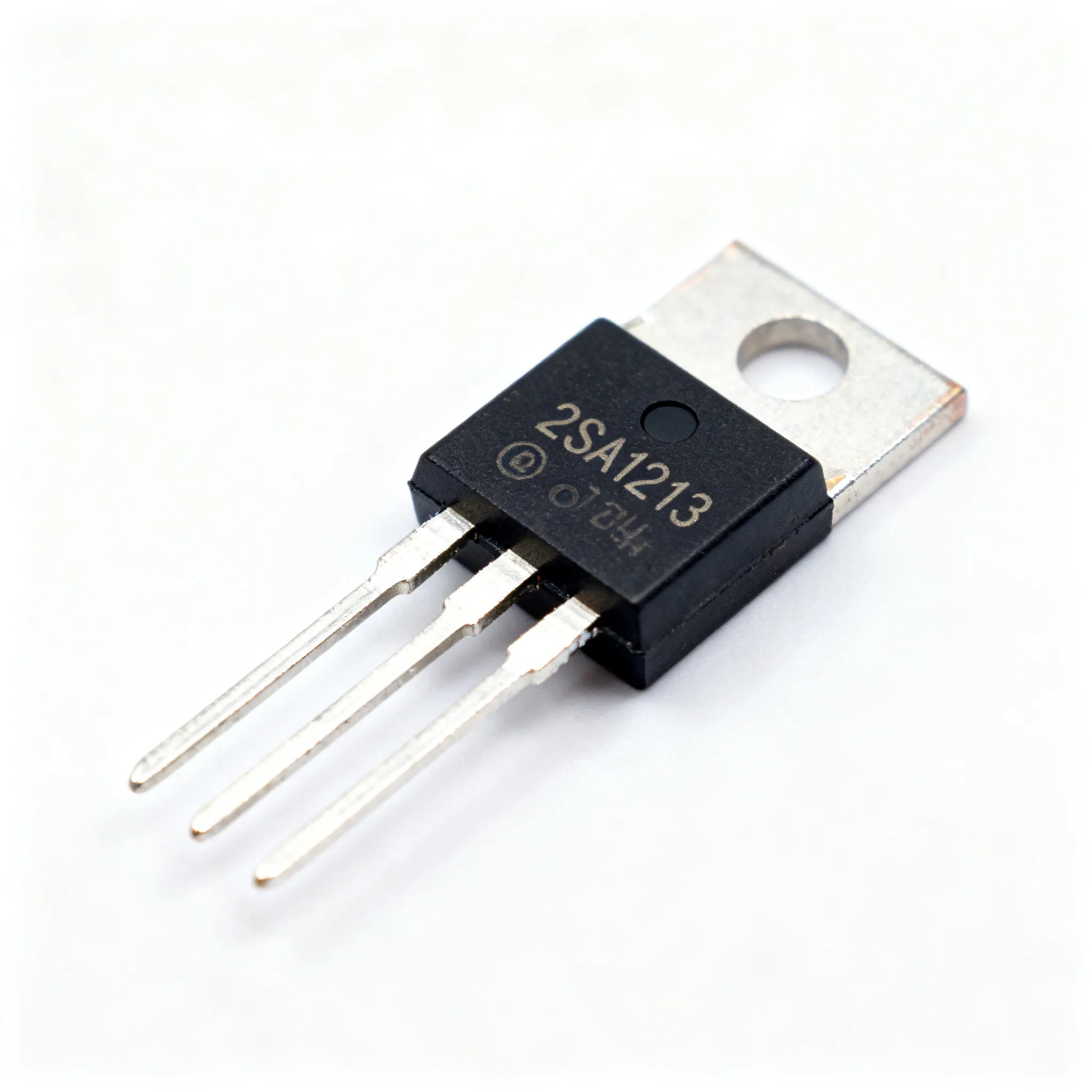
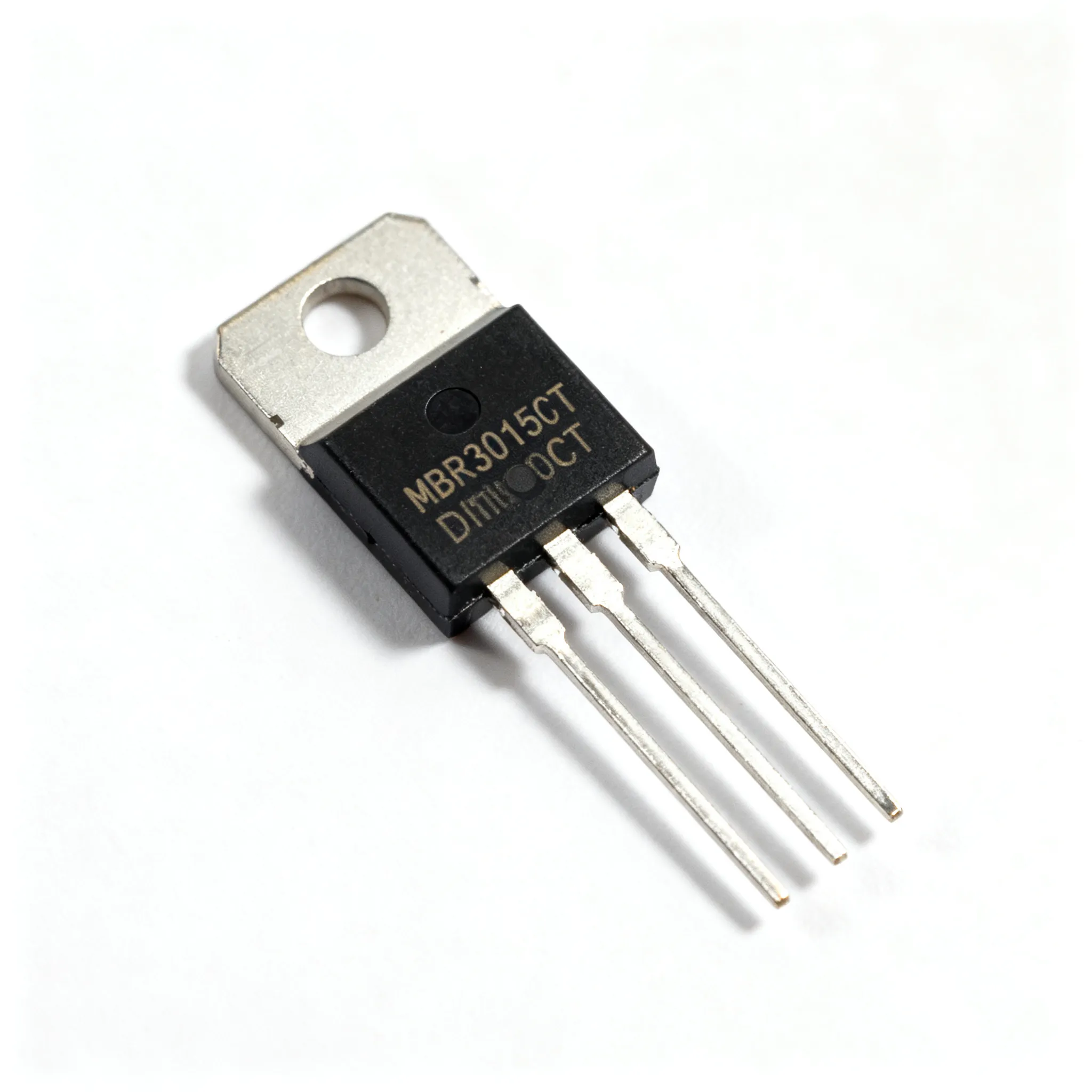
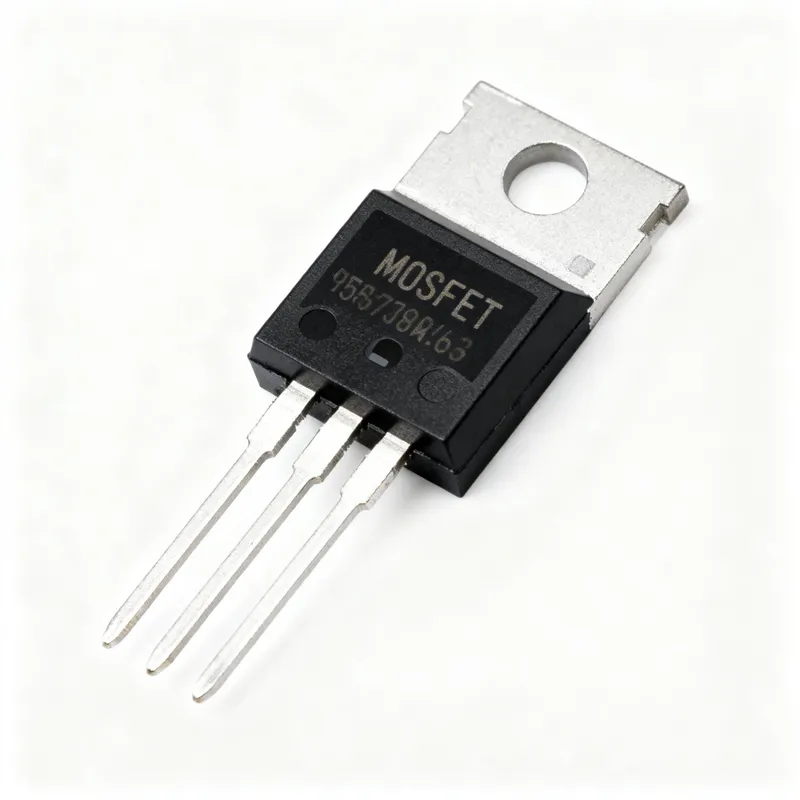
MOSFETs are essential components in electronic circuits, functioning as switches or amplifiers. They come in two main types: N-channel and P-channel, each with its unique characteristics and applications. The core function of a MOSFET is to control the flow of current between the source and drain terminals, regulated by the voltage applied to the gate terminal. Key specifications to consider include threshold voltage, on-resistance, maximum drain current, and breakdown voltage. These parameters directly impact the efficiency, speed, and thermal performance of the device.
Key Specifications Table
| Specification | Description | Typical Value |
|---|---|---|
| Threshold Voltage (Vth) | The minimum gate-to-source voltage required to create a conducting path between the source and drain. | 2V - 4V |
| On-Resistance (RDS(on)) | The resistance between drain and source terminals when the MOSFET is on. | 10mΩ - 100mΩ |
| Maximum Drain Current (ID) | The maximum current the MOSFET can conduct from drain to source. | 10A - 100A |
| Breakdown Voltage (VBR) | The maximum voltage the MOSFET can withstand between drain and source without breaking down. | 50V - 600V |
Applications & Use Cases
MOSFETs are versatile components used in a wide range of applications:
Power Supply Units
In power supply units, MOSFETs are used for switching and voltage regulation. Their fast switching and low on-resistance make them ideal for high-efficiency power conversion.
Motor Drives
In motor control applications, MOSFETs are employed to manage the speed and torque of motors. Their ability to handle high currents and voltages makes them suitable for industrial motor drives.
Audio Amplifiers
MOSFETs are used in audio amplifiers to enhance sound quality. They offer high input impedance and low output impedance, crucial for high-fidelity audio applications.
Battery Management Systems
In battery management systems, MOSFETs ensure efficient charging and discharging of batteries, prolonging battery life and ensuring safety.
Selection & Sourcing Guide
When selecting a MOSFET, engineers should consider the specific requirements of their application, including voltage, current, and switching speed. It's critical to choose a MOSFET that meets these requirements while offering the best efficiency and reliability. For sourcing MOSFETs, IC Online provides a comprehensive selection of components, competitive pricing, and fast delivery.
FAQ
What is the difference between N-channel and P-channel MOSFETs?
N-channel MOSFETs conduct when a positive voltage is applied to the gate, while P-channel MOSFETs conduct when a negative voltage is applied. N-channel MOSFETs are generally preferred due to their lower on-resistance.
How does on-resistance affect MOSFET performance?
Lower on-resistance results in less power loss and improved efficiency, which is crucial in power-sensitive applications.
Can MOSFETs be used in high-frequency applications?
Yes, MOSFETs are suitable for high-frequency applications due to their fast switching capabilities. However, careful consideration of gate drive circuitry is required to minimize switching losses.
What factors influence the thermal performance of a MOSFET?
Key factors include on-resistance, package type, and thermal management techniques like heat sinks or thermal pads.
How do I determine the appropriate gate voltage for my MOSFET?
The gate voltage should be higher than the threshold voltage to fully turn on the MOSFET. Refer to the manufacturer's datasheet for specific recommendations.